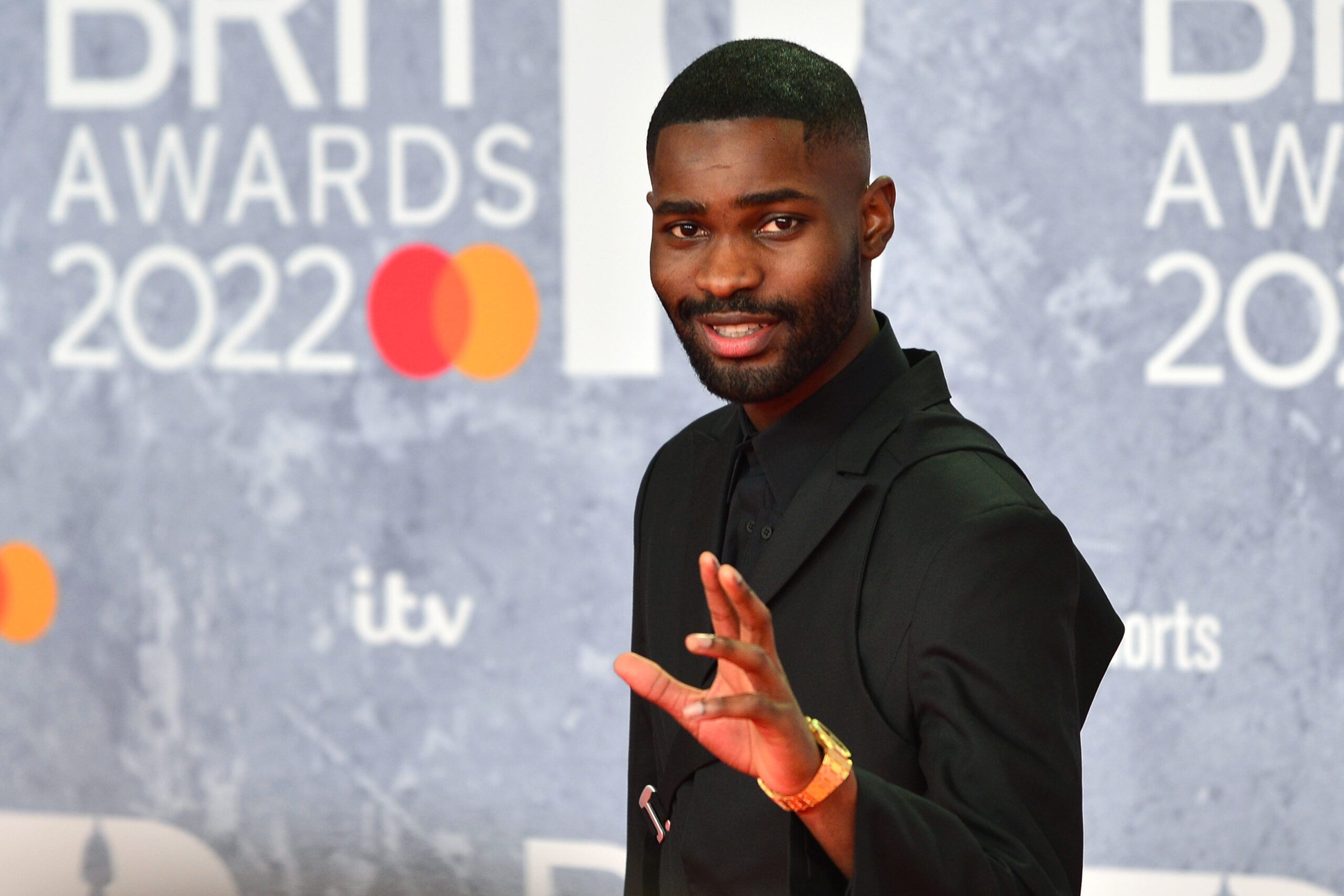
As of 2026, Chance the Rapper—the stage name for Chancelor Johnathan Bennett—has an estimated net worth of $35 million to $40 million. This valuation is driven by his pioneering independent music career, high-earning television roles as a coach on The Voice, lucrative brand partnerships, and his extensive real estate and investment portfolio in Chicago.
The phrase "2nd President Chance the Rapper" often confuses fans and searchers alike. It primarily stems from a lyrical boast in his 2015 track "Somewhere in Paradise," where he raps, "I’m the second president, you know I’m counting money." This line is a nod to his father, Ken Bennett, who served as a deputy assistant to President Barack Obama and an aide to Chicago Mayor Harold Washington. Within the context of his brand, the "2nd President" moniker reflects his self-perceived status as a leader in the independent music movement and his deep-seated political lineage in Illinois.
The Evolution of Chance the Rapper’s Financial Empire
To understand Chance the Rapper’s net worth in 2026, one must look at the unconventional path he took to accumulate wealth. Unlike traditional superstars who sign multi-album deals with "Big Three" record labels (Universal, Sony, Warner), Bennett built his fortune by retaining ownership of his master recordings and leveraging "exclusivity windows" with streaming platforms.
The Independent Model and Early Revenue
Chance’s financial foundation was built on mixtapes. 10 Day (2012) and Acid Rap (2013) established his cult following, but it was Coloring Book (2016) that changed the industry's economic landscape.
Coloring Book was the first streaming-only album to win a Grammy. While the album was "free" to listeners, Apple Music reportedly paid Bennett $500,000 for a two-week exclusivity window. This move proved that independence did not mean a lack of capital; rather, it meant higher profit margins per stream once the exclusivity ended, as there was no label taking a 70-80% cut of the royalties.
Touring: The Primary Engine of Growth
For an independent artist, touring is the most significant source of liquid cash. Throughout the late 2010s and early 2020s, Chance’s "Magnificent Coloring World Tour" and subsequent festival appearances generated tens of millions in gross revenue. By 2026, despite a more selective touring schedule, his ability to headline major festivals like Lollapalooza or Coachella remains a consistent seven-figure payday per appearance.
Major Revenue Streams in 2026
By 2026, Chance the Rapper has diversified his income far beyond music sales. His financial profile is now a blend of "Old Media" (television), "New Media" (streaming/socials), and corporate endorsements.
1. Television and "The Voice"
One of the most significant contributors to his net worth over the last few years has been his role as a coach on NBC’s The Voice. Following the path of artists like Blake Shelton and John Legend, Bennett transitioned into a "personality" role that offers high stability and massive compensation.
Industry insiders estimate that a coach of Chance's stature earns between $8 million and $12 million per season. Having completed multiple seasons by 2026, this role alone has likely contributed over $25 million to his career earnings before taxes and representation fees.
2. Brand Partnerships and Endorsements
Chance the Rapper’s "clean" and civic-minded image has made him a favorite for blue-chip brands. His partnerships have historically included:
- Doritos: Super Bowl commercials and long-term campaigns.
- Google: Promoting the Google Pixel and various educational initiatives.
- Nike/Jordan Brand: Exclusive apparel deals and Chicago-centric collaborations.
- Ralph Lauren: A historic partnership where he was the first artist to have a curated "digital" clothing line on Bitmoji via Ralph Lauren.
These deals are typically structured as multi-year contracts worth $1 million to $3 million annually, providing a steady stream of passive-style income.
3. Streaming and Catalog Ownership
Because Bennett owns his masters, his "per-stream" revenue is significantly higher than that of his signed peers. Even as his older mixtapes like Acid Rap age, they continue to garner hundreds of millions of streams annually. In 2026, this "long-tail" revenue provides a recurring monthly payout that acts as an annuity, supporting his lifestyle and further investments.
Real Estate and Personal Assets
A substantial portion of any high-net-worth individual’s valuation is tied to illiquid assets. For Chance, his heart and his money are firmly planted in Chicago.
The Chicago Condo
In 2018, Bennett purchased a luxury condo in Chicago’s Streeterville neighborhood for approximately $3.7 million. The property, a 4,500-square-foot unit, features floor-to-ceiling windows with views of the skyline and Lake Michigan. By 2026, with the appreciation of the Chicago luxury market, this property is estimated to be worth north of $4.5 million.
Investment Portfolio
Beyond real estate, Bennett has made various angel investments in tech startups and local Chicago businesses. While the specifics of his private equity holdings are not public, his involvement in "The SocialWorks" (his non-profit) often overlaps with social-impact investing, where he provides seed capital for minority-owned businesses in Illinois.
| Income Category | Estimated Annual Value (2026) | Primary Source |
|---|---|---|
| TV Salaries | $10M - $12M | The Voice (NBC) |
| Music Royalties | $3M - $5M | Master ownership of catalog |
| Endorsements | $4M - $6M | Nike, Google, Beverage brands |
| Touring/Live | $5M - $10M | Festival headlining and solo dates |
| TOTAL (Gross) | $22M - $33M | Annual Revenue Potential |
The "2nd President" and Political Influence
The "2nd President" tag isn't just a lyric; it represents the "Bennett Power" in Chicago politics. Chance's father, Ken Bennett, was a political powerhouse who served as a bridge between the grassroots and the executive branch.
Chance himself has used his wealth to influence local policy. He famously donated $1 million to Chicago Public Schools (CPS) in 2017. While these donations technically decrease his personal "net worth," they exponentially increase his "brand equity." In the modern economy, being a "civic leader" allows an artist to command higher speaking fees and more significant corporate partnerships, as they are viewed as a "safe" and "inspirational" bet for global brands.
Financial Challenges and Legal Disputes
No net worth analysis is complete without accounting for liabilities. Chance the Rapper has faced notable legal hurdles that impacted his bottom line:
- Managerial Dispute: In 2020, Chance was sued by his longtime manager, Pat Corcoran (Pat the Manager), for $3 million in unpaid commissions. The lawsuit alleged that Chance’s "independence" was a facade and that the management team was responsible for the heavy lifting.
- Counter-Suits: Chance countersued, alleging breach of fiduciary duty. While the matters were largely settled or moved to private arbitration, the legal fees and settlements associated with such high-profile disputes can easily cost an artist $5 million to $7 million over several years.
The Role of SocialWorks
SocialWorks is Bennett's non-profit organization. While the millions of dollars raised by SocialWorks (over $8 million for Chicago schools and youth programs) do not count toward Chance's personal net worth, the organization is a vital part of his professional infrastructure. By 2026, SocialWorks has become a model for how modern celebrities can leverage their fame to create sustainable community funding without relying on government grants alone.
Wealth Comparison: Chance vs. Peers
In 2026, Chance sits in a unique middle ground. He is not at the "billionaire" status of Jay-Z or Kanye West, primarily because he has not yet scaled a massive physical product brand (like Yeezy or Roc Nation). However, he is significantly wealthier than many rappers with more "hits" because he does not split his music earnings with a record label.
- Chance the Rapper: $35M - $40M (Independent/TV-heavy)
- Typical "Signed" Peer: $10M - $15M (Due to label debt and lower royalty percentages)
- The "Moguls": $500M+ (Due to fashion and spirits brands)
Frequently Asked Questions
Why is Chance the Rapper called the "2nd President"?
The term comes from his song "Somewhere in Paradise." It is a reference to his political upbringing in Chicago and his father's role as a high-level aide to President Barack Obama. It signifies his position of influence within his city and the music industry.
Is Chance the Rapper still independent in 2026?
Yes. Despite his work with major networks like NBC and partnerships with Apple, Chance has maintained ownership of his recording masters and operates his music business without a traditional long-term recording contract from a major label.
How much does Chance the Rapper make per year?
As of 2026, his gross annual income is estimated between $20 million and $30 million. After taxes, management fees, and business expenses, his take-home pay is likely in the $10 million to $15 million range.
Did the failure of "The Big Day" hurt his net worth?
While his 2019 debut studio album, The Big Day, received mixed reviews and led to a cancelled tour, it did not significantly deplete his net worth. His move into television and his strong catalog of earlier mixtapes provided a financial safety net that allowed him to pivot successfully.
Does Chance the Rapper own his masters?
Yes, this is the cornerstone of his wealth. By owning his master recordings, he receives a much higher percentage of streaming revenue compared to artists signed to major labels, who may only receive 15% to 25% of the revenue.
Final Perspective for 2026
Chance the Rapper’s net worth of $35 million to $40 million is a testament to the power of the "independent" brand. By 2026, he has successfully transitioned from a teenage mixtape sensation to a multi-hyphenate mogul. While his music remains his passion, his financial stability is now anchored by his presence on national television and his role as a civic leader in Chicago.
For those looking to follow in his footsteps, the lesson is clear: ownership is the key to long-term wealth. By retaining his rights and diversifying into television early, Chance protected himself from the volatility of the music charts, ensuring that whether he is rapping about being the "2nd President" or sitting in a coach's chair on The Voice, his financial future remains secure.