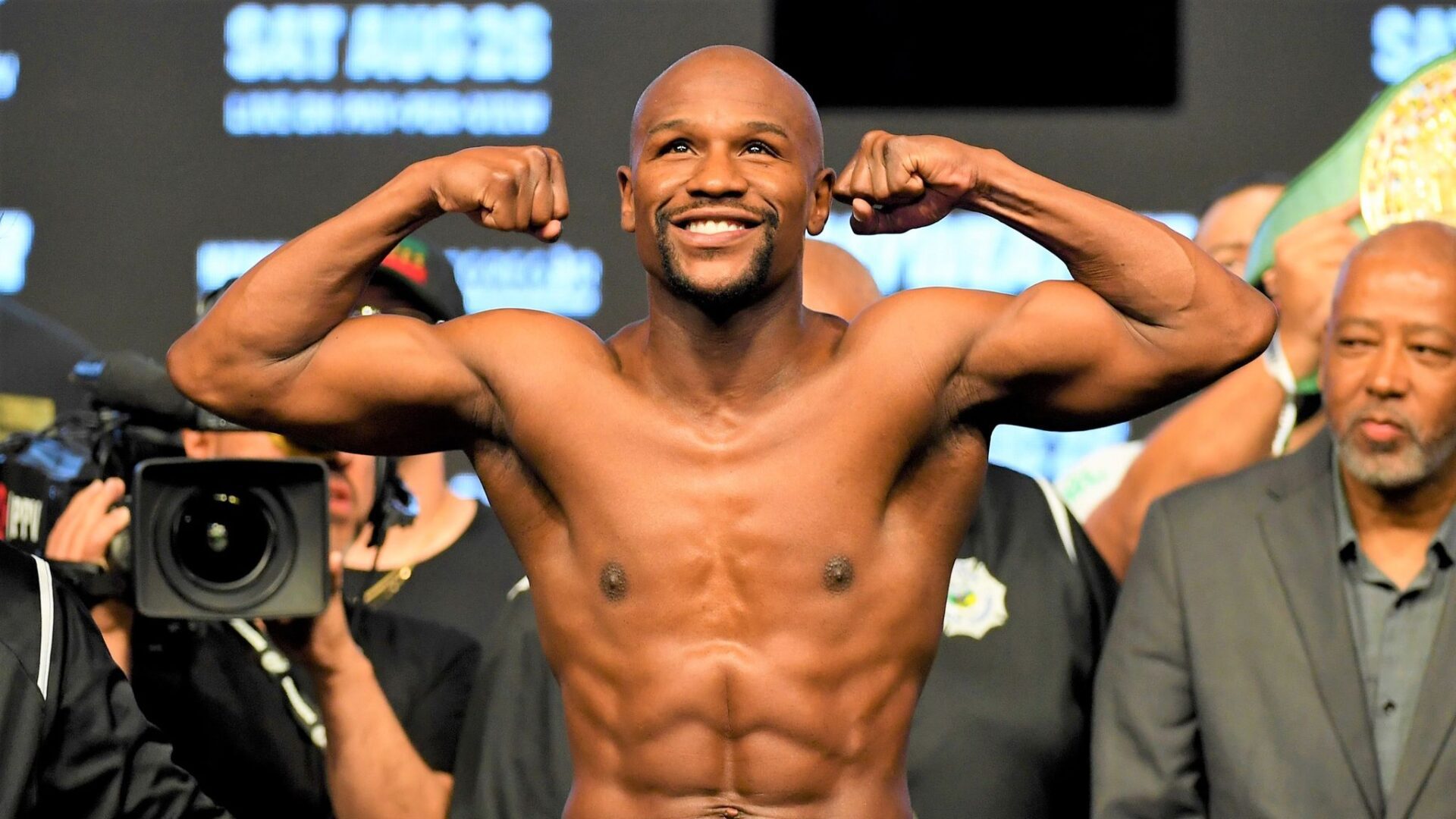
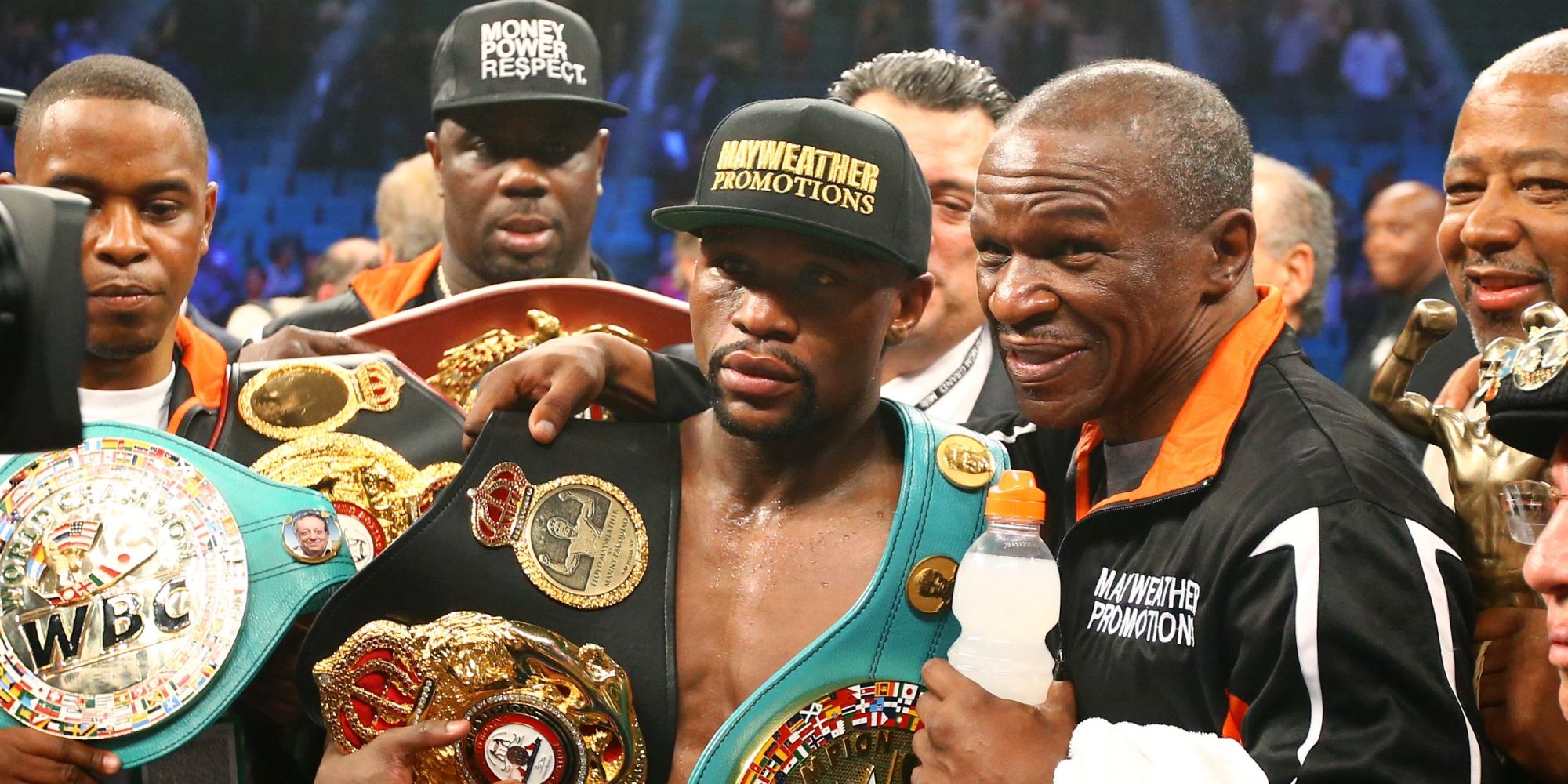
At age 29, in 2006, Floyd Mayweather Jr.’s net worth was estimated to be between $10 million and $15 million. This period marked the most significant financial turning point in his career, as he famously paid $750,000 to buy out his contract with Top Rank to become a free agent.
The year 2006 was not just another year in the ring for Floyd Mayweather Jr.; it was the year the "Pretty Boy" persona began its transformation into "Money" Mayweather. To understand his net worth at age 29, one must look past the raw numbers and examine the high-stakes gamble that allowed him to eventually become the first billionaire in boxing history. In 2006, Mayweather was already a multi-division champion, but he had yet to reach the astronomical pay-per-view (PPV) heights that would later define his career.
The Financial Landscape of 2006: The Great Gamble
When Floyd Mayweather turned 29 in February 2006, he was at a professional crossroads. Despite being widely regarded as the best pound-for-pound fighter in the world, his earnings did not yet reflect his status. Under the promotional banner of Bob Arum’s Top Rank, Mayweather was earning substantial purses—typically in the $2 million to $5 million range—but he felt he was being undervalued compared to crossover stars like Oscar De La Hoya.
The pivotal moment of his 29th year was the exercise of a "buyout" clause. Mayweather paid Top Rank approximately $750,000 to terminate his promotional agreement. To a fighter with a net worth then estimated in the low eight figures, nearly a million dollars was a significant liquid asset to surrender. However, this move allowed him to retain his own promotional rights and, more importantly, a much larger percentage of the "back-end" revenue from PPV sales, sponsorships, and closed-circuit broadcasts.
Breaking Down the 2006 Purses
During his 29th year, Mayweather fought twice, and these bouts provided the bulk of his liquid wealth at the time.
Floyd Mayweather vs. Zab Judah (April 8, 2006): This fight for the IBF Welterweight title was a significant domestic draw. Mayweather earned a guaranteed purse of roughly $5 million. While the PPV numbers (approximately 374,000 buys) were modest by his later standards, the fight solidified his dominance in the welterweight division.
Floyd Mayweather vs. Carlos Baldomir (November 4, 2006): For this lineal welterweight championship fight, Mayweather’s guaranteed purse rose to $8 million. The event generated roughly 325,000 PPV buys. By the end of this fight, Mayweather had successfully transitioned into a self-promoted entity, setting the stage for his record-breaking 2007.
By the close of 2006, Mayweather’s career earnings were estimated at roughly $25 million to $30 million. After accounting for taxes, training camp costs, management fees (including his partnership with Al Haymon), and personal expenditures, his actual net worth sat comfortably between $10 million and $15 million.
The Architecture of Wealth: From "Pretty Boy" to "Money"
At 29, Mayweather’s wealth was built on a foundation of technical excellence, but his growth in wealth was built on marketing. The "Money" persona was a calculated business move designed to make him the "villain" of boxing. This shift was essential because, in the mid-2000s, boxing fans paid either to see their favorite fighter win or to see a polarizing figure lose.
The Role of Al Haymon
It was during this period that Mayweather’s relationship with advisor Al Haymon became the cornerstone of his financial empire. Haymon, a former music industry mogul, applied a different business model to boxing. Instead of the traditional promoter-fighter relationship where the promoter takes the lion's share of the upside, Haymon helped Mayweather structure deals where Floyd acted as the lead promoter (Mayweather Promotions). This meant that at age 29, while his net worth was "low," his earning potential had just been uncapped.
Assets and Lifestyle at 29
In 2006, Mayweather’s lifestyle was already lavish, but it lacked the "megayacht and private jet" scale of his 40s. His assets primarily consisted of:
- Real Estate: High-end properties in Las Vegas, which served as his primary base of operations.
- The Car Collection: Even at 29, Mayweather was known for his "all-white" or "all-black" fleets of luxury vehicles, including Rolls-Royces and Ferraris.
- Jewelry: A significant portion of his net worth was held in portable wealth—high-grade diamonds and watches—a trend he continued throughout his career.
Comparing Net Worth: Age 29 vs. Career Peak
To appreciate the $15 million net worth Mayweather held at 29, it is helpful to compare it to his trajectory in the following decades. Looking back from 2026, we can see that his 29th year was the "accumulation phase" before the "explosion phase."
| Life Stage | Primary Income Source | Estimated Net Worth | Key Fight/Event |
|---|---|---|---|
| Early Career (Age 21-25) | Top Rank Guarantees | $1M - $5M | vs. Diego Corrales |
| Transition (Age 29) | Independent Purses | $10M - $15M | vs. Carlos Baldomir |
| Superstar (Age 30-38) | PPV Revenue Splits | $250M - $400M | vs. Manny Pacquiao |
| Post-Career (Age 40+) | Investments/Exhibitions | $1B+ | vs. Conor McGregor |
The table illustrates that while $15 million is a massive sum for a 29-year-old, it represented less than 2% of what he would eventually worth. The strategic decision to leave Top Rank at 29 is widely cited by sports economists as the most lucrative "self-bet" in sports history.
The Business of Being Floyd Mayweather
At age 29, Mayweather began implementing the "vertical integration" of his brand. He wasn't just the laborer (the fighter); he was the manufacturer (the promoter) and the distributor (via partnerships with HBO and later Showtime).
Minimizing Overhead
One reason Mayweather was able to maintain a high net worth despite his spending was his mastery of the training camp economy. Unlike many fighters who lose 33% of their purse to promoters and 10% to managers, Mayweather’s self-promotion allowed him to keep a larger share. By bringing the promotion "in-house" through Mayweather Promotions, he effectively turned his expenses into tax-deductible business costs for his own company.
The Influence of the De La Hoya Fight
Technically, the fight against Oscar De La Hoya occurred when Floyd was 30 (May 2007). However, the negotiations and the financial groundwork for that fight—which resulted in a $25 million payday—were laid during his 29th year. The confidence to demand such a high figure came directly from his newly found independence. Had he stayed with a traditional promoter, his take from the De La Hoya fight likely would have been halved.
Risk Factors and Financial Vulnerabilities in 2006
Despite his rising wealth, Mayweather’s financial position at 29 was not without risk. Professional boxing is a volatile career where a single injury or a single loss can devalue a brand overnight.
- Liquidity Issues: Much of his wealth was tied up in depreciating assets like luxury cars or non-liquid assets like jewelry.
- Tax Obligations: Mayweather’s future issues with the IRS are well-documented. At 29, the sheer speed at which his income was scaling often outpaced the sophistication of his accounting infrastructure.
- Legal Costs: The transition away from Top Rank involved legal complexities and the aforementioned $750,000 buyout, which was a "sunk cost" that required future victories to recoup.
Expert Analysis: Why 29 Was the "Foundation Year"
Financial analysts specializing in sports often point to Mayweather’s 29th year as a case study in "Equity over Salary." Most athletes are content with a high salary. Mayweather, at 29, realized that the real wealth was in the equity of the event itself.
By becoming his own promoter, he wasn't just getting paid to fight; he was getting a piece of the parking revenue, the concession stands, the international TV rights, and the sponsorship logos on the canvas. This shift is what allowed his net worth to jump from $15 million at age 29 to over $100 million just a few years later.
FAQs About Floyd Mayweather’s Wealth at 29
How much did Floyd Mayweather make per fight when he was 29?
In 2006, his guaranteed purses were between $5 million and $8 million. When including his share of the pay-per-view profits, his total take-home pay per fight was roughly $6 million to $10 million before taxes and expenses.
Was Floyd Mayweather a billionaire at age 29?
No. At age 29, his net worth was approximately $10 million to $15 million. He did not reach "billionaire" status until much later in his career, following his 2017 fight against Conor McGregor and the growth of his real estate investments.
What was Floyd Mayweather’s biggest expense at age 29?
Aside from taxes, his biggest single expense in 2006 was the $750,000 contract buyout paid to Top Rank. This was an investment in his own future earning potential.
Did Floyd Mayweather have endorsements at age 29?
Unlike many other athletes, Mayweather had relatively few traditional "Big Brand" endorsements (like Nike or Adidas) at 29. He often preferred to promote his own brands, such as "The Money Team" (TMT), which he began conceptualizing around this time.
How did his 29-year-old net worth compare to Mike Tyson’s at the same age?
By age 29, Mike Tyson had earned significantly more than Mayweather in gross purses, but due to mismanagement and high spending, Tyson’s net worth was on a downward trajectory. Conversely, Mayweather’s net worth at 29 was the start of a massive upward trend due to his disciplined business structure.
Summary of Financial Milestones at Age 29
- Total Career Earnings to Date: ~$30 Million.
- Net Worth: ~$12.5 Million (average estimate).
- Key Financial Move: $750k Top Rank Buyout.
- Major Purses: Judah ($5M), Baldomir ($8M).
- Business Entity: Early development of Mayweather Promotions.
Final Recommendation for Financial Study
For those studying the financial trajectory of elite athletes, Floyd Mayweather’s 29th year serves as the ultimate example of short-term sacrifice for long-term gain. By surrendering nearly $1 million in cash to buy his freedom from a restrictive contract, he unlocked hundreds of millions in future earnings. The "Money" overview at 29 proves that net worth is not just a reflection of what is in the bank, but a reflection of the ownership one has over their own brand.