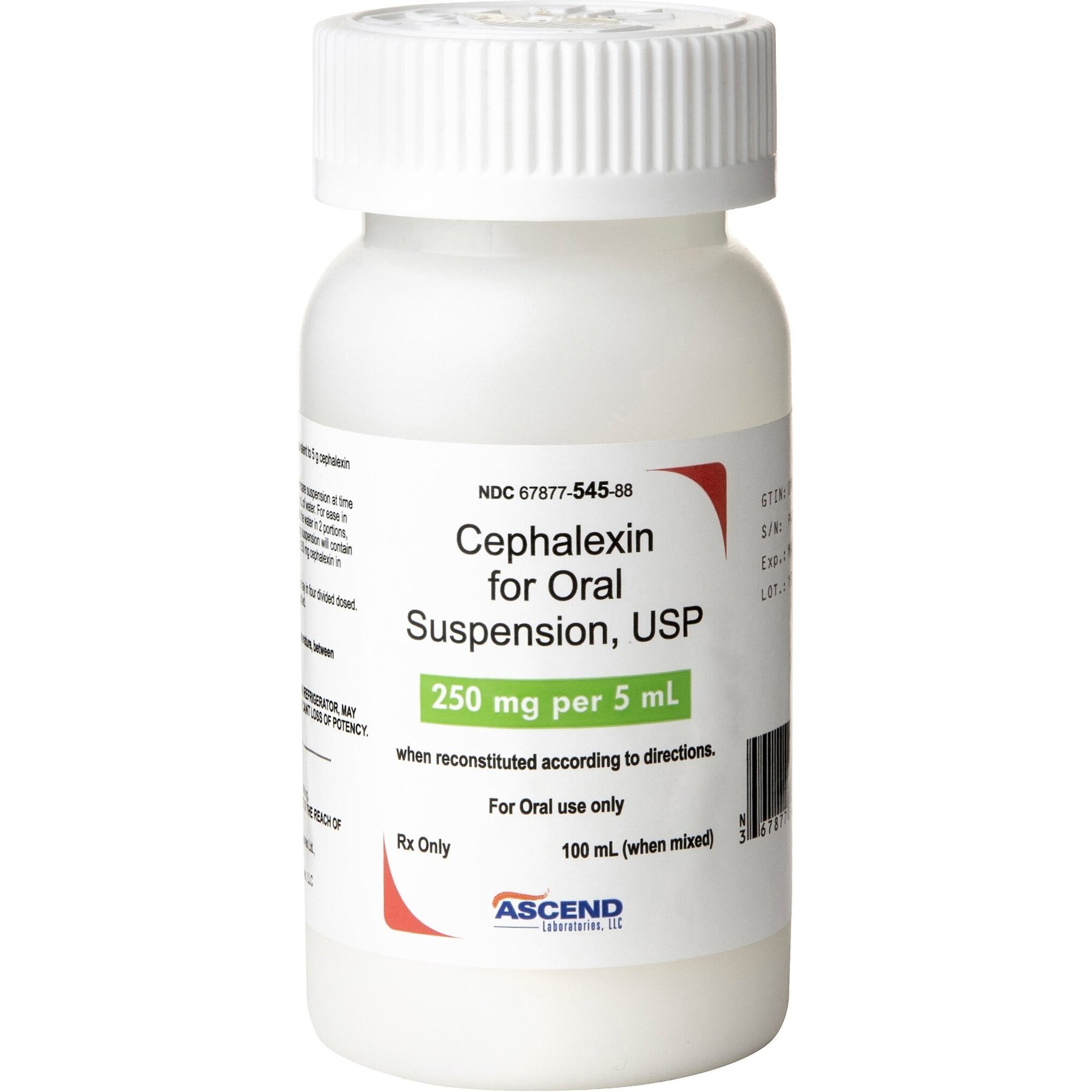
Cephalexin 250 mg is a common dosage strength of a first-generation cephalosporin antibiotic frequently prescribed by veterinarians to treat various bacterial infections in dogs. It functions by inhibiting the synthesis of the bacterial cell wall, which effectively kills susceptible bacteria, most commonly addressing canine skin infections, soft tissue wounds, and certain urinary tract infections.
The Role of Cephalexin in Veterinary Medicine
Cephalexin is a beta-lactam antibiotic, a class of drugs well-regarded for its relatively broad spectrum of activity against Gram-positive and some Gram-negative bacteria. In the context of canine healthcare, it is often considered a "first-line" treatment, meaning it is among the first medications a veterinarian will select when a patient presents with symptoms of a bacterial infection.
The 250 mg capsule or tablet is a standard size that allows for precise dosing across a wide range of canine body weights. Because cephalexin is generally metabolized and excreted relatively quickly in dogs, it typically requires administration multiple times per day to maintain a consistent therapeutic level in the animal’s bloodstream.
Indications: Why Veterinarians Prescribe Cephalexin
Veterinarians generally prescribe cephalexin for conditions caused by susceptible organisms, most notably Staphylococcus species. Common clinical conditions include:
- Pyoderma: A bacterial skin infection that can manifest as pustules, crusts, or redness. This is perhaps the most frequent use of cephalexin in dogs.
- Soft Tissue Infections: This includes infections stemming from bite wounds, abscesses, or post-surgical recovery where there is a risk of contamination.
- Urinary Tract Infections (UTIs): Certain strains of bacteria that colonize the urinary tract are sensitive to cephalexin, making it a reliable choice for managing bladder infections.
- Bone or Respiratory Infections: While less common than skin applications, it may be utilized in specific, severe cases if bacterial culture and sensitivity testing confirm the organism's susceptibility.
Understanding Dosing and Administration
The determination of a 250 mg dose is not universal; it is based on the dog's weight. The typical therapeutic dosage range for dogs is between 15 mg and 30 mg per kilogram of body weight (or roughly 10–15 mg per pound), administered every 8 to 12 hours.
A 250 mg capsule is often the building block for this calculation. For example, a dog weighing approximately 20 to 25 pounds might require one 250 mg capsule twice daily. However, weight is only one variable. A veterinarian must also account for the severity of the infection, the dog’s kidney and liver function, and any other medications the pet is currently taking.
Proper Administration Guidelines
To ensure the medication is effective, owners should follow these procedural steps:
- Strict Adherence: Complete the entire course of antibiotics as prescribed, even if the infection appears to have cleared up after a few days. Stopping early can lead to the survival of the most resilient bacteria, resulting in a recurrence that is significantly harder to treat.
- Timing: Administer doses at roughly the same time every day. If a dose is missed, give it as soon as you remember, unless it is nearly time for the next scheduled dose. Never double up on the dosage.
- Feeding: Cephalexin can be given with or without food. However, if your dog experiences mild gastrointestinal upset, administering it with a small meal or a treat can mitigate these symptoms.
Comparative Overview of Common Canine Antibiotics
Understanding how cephalexin fits into the landscape of veterinary medicine helps owners better appreciate their veterinarian's decision-making process.
| Antibiotic | Primary Strength | Common Use | Potential Drawbacks |
|---|---|---|---|
| Cephalexin | 250 mg / 500 mg | Skin/Soft tissue | Multiple doses per day |
| Amoxicillin | Variable | Respiratory/General | Narrower spectrum |
| Clindamycin | Variable | Dental/Bone infections | Can cause stomach upset |
| Enrofloxacin | Variable | Severe/Deep infections | Restricted use (safety) |
Safety, Potential Side Effects, and Contraindications
While cephalexin is widely considered safe for most dogs, it is not without risks. As with any medication, side effects can occur, though they are usually mild.
Common side effects include:
- Gastrointestinal Distress: Vomiting, diarrhea, or a decrease in appetite.
- Behavioral Changes: Some owners report lethargy or excessive panting, though these are less common.
- Allergic Reactions: In rare instances, a dog may exhibit signs of an allergic reaction, such as hives, facial swelling, or difficulty breathing. This constitutes a veterinary emergency.
Contraindications and Interactions: Dogs with a known allergy to cephalosporins or penicillins should not be given cephalexin, as there is a risk of cross-reactivity. Furthermore, owners must inform their veterinarian of all supplements or medications the dog is taking, as certain drugs can alter how cephalexin is absorbed or processed by the body.
Monitoring and Troubleshooting
During the course of treatment, observe your dog closely. If the symptoms of the infection do not improve within 48 to 72 hours, contact your veterinarian. It is possible that the bacteria causing the infection are resistant to cephalexin, in which case a change in medication or further diagnostic testing (such as a culture and sensitivity test) may be required.
Always store the medication in a cool, dry place out of reach of children and other pets. If you notice the pills have changed color, smell, or texture, do not administer them; contact your pharmacy or veterinarian for a fresh supply.
Frequently Asked Questions
Can I give my dog cephalexin meant for humans? While the chemical compound is the same, you should never give your dog "human" medication without explicit veterinary guidance. Human formulations may contain additives, coatings, or flavoring agents (like xylitol) that are toxic to dogs, and the dosage size may be inappropriate for your dog's specific weight and needs.
How long does it take for 250 mg cephalexin to work? Most owners will see a noticeable improvement in skin redness or the severity of a wound within 2 to 3 days. However, the full course of treatment—which may last 14 days or longer—must be completed to ensure the infection is entirely eradicated.
What should I do if my dog vomits after taking the pill? If vomiting is mild, try giving the next dose with a small amount of food. If the vomiting persists or is accompanied by blood, lethargy, or signs of pain, discontinue the medication and seek immediate veterinary advice.
Can I stop the medication if the infection looks gone? No. Stopping the antibiotic early is one of the primary drivers of antibiotic resistance. Even if the skin looks normal, bacteria may still be present in the underlying tissues. Always finish the prescribed duration.
Is 250 mg a high dose? "High" is relative to the dog's weight. A 250 mg dose is considered moderate for a medium-sized dog. Your veterinarian selects the dose based on a strict milligrams-per-kilogram calculation. Never adjust the dose yourself to make the medicine "last longer."
Professional Recommendation
If your veterinarian has prescribed 250 mg cephalexin for your dog, ensure you have a clear schedule for administration and a complete understanding of how many days the course will last. Keep a simple log of the times you administer the medication. If you notice any adverse reactions, contact your clinic immediately, but do not stop the medication until you have consulted a professional, as abrupt cessation can complicate future treatment.