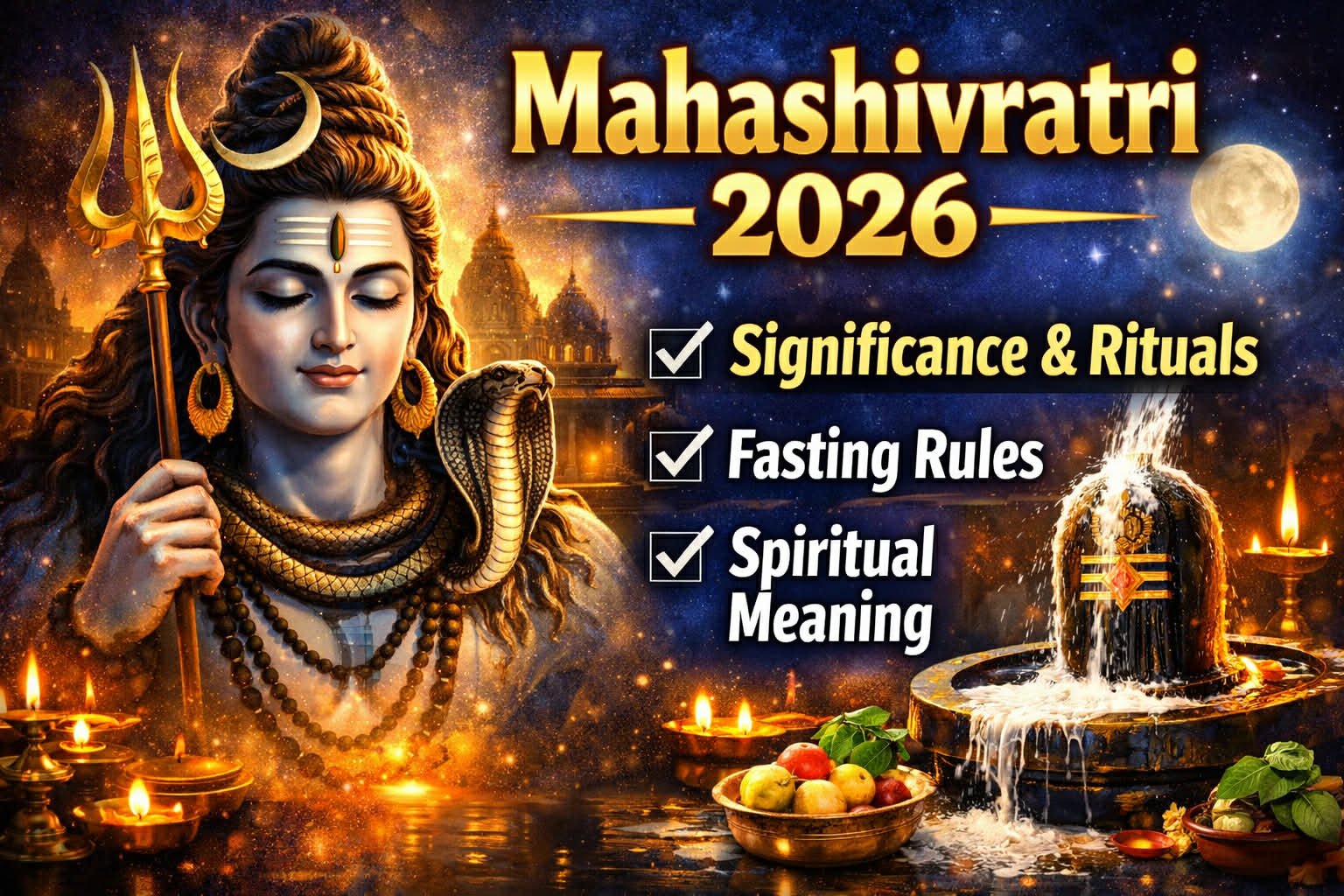
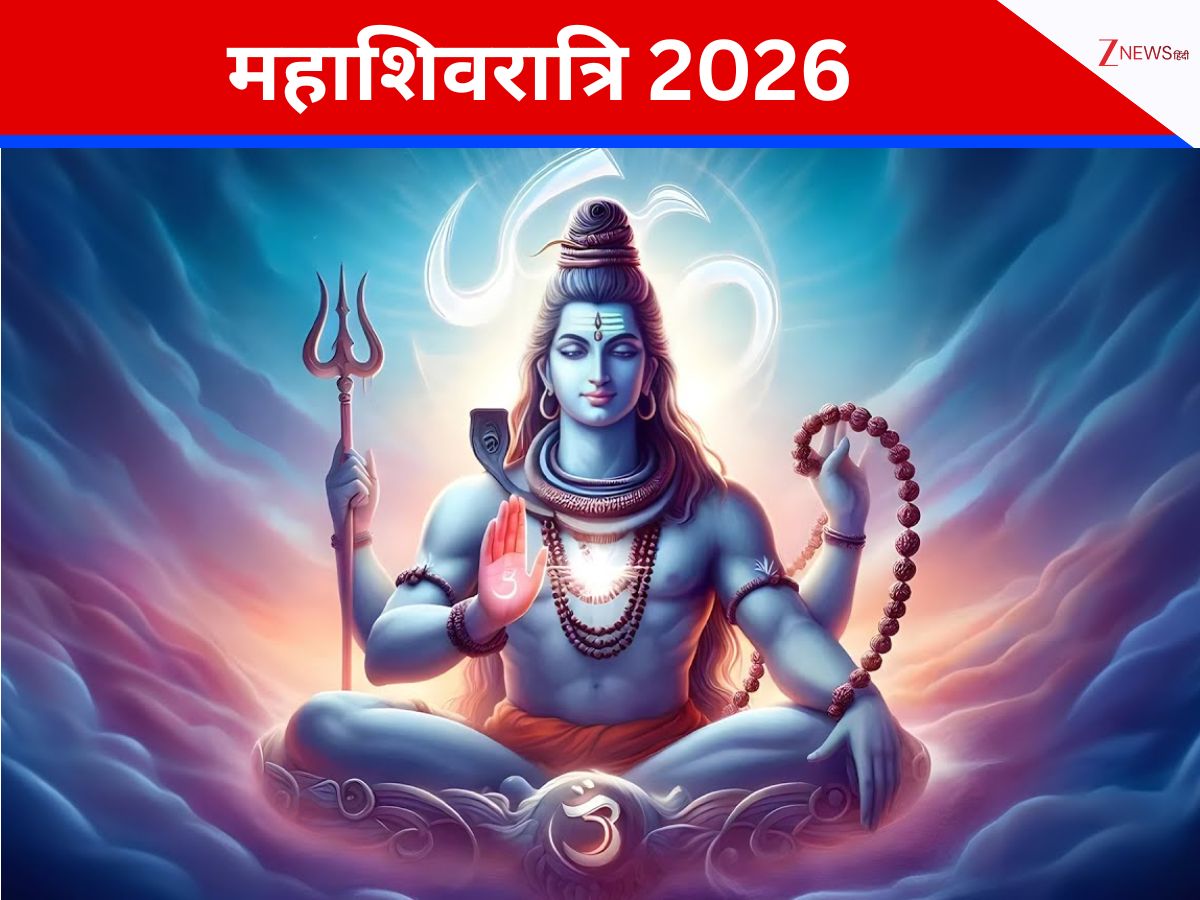
Maha Shivratri in 2026 will be celebrated on Sunday, February 15, 2026. The confusion regarding the date arises from the timing of the Chaturdashi Tithi, which begins on the morning of February 15 and concludes on the morning of February 16, making the night of February 15 the primary time for Nishita Kaal Puja.
The celebration of Maha Shivratri, the "Great Night of Shiva," is one of the most significant events in the Hindu liturgical calendar. Unlike many other festivals that follow the solar cycle or celebrate the "Udaya Tithi" (the lunar day prevailing at sunrise), Maha Shivratri is tethered specifically to the night. Because the Hindu lunar calendar (Panchang) operates on a different system than the Gregorian calendar, dates often seem to overlap or fluctuate, leading to widespread confusion among devotees and temple committees.
In 2026, the specific alignment of the lunar phase requires a careful look at the calculated Tithi timings to ensure that the fast (Vrat) and the midnight vigil (Jagran) are observed on the correct day.
The Mechanics of the Hindu Calendar: Resolving the Date Confusion
To understand why there is a debate between February 15 and February 16, one must understand how a Tithi works. A Tithi is a lunar day, defined by the angle between the moon and the sun. It does not align with the standard 24-hour midnight-to-midnight cycle. A Tithi can start at any time of the day or night and can last anywhere from 19 to 26 hours.
Maha Shivratri is observed on the Chaturdashi (14th day) of the Krishna Paksha (waning phase of the moon) in the month of Phalguna (according to the Purnimanta calendar) or Magha (according to the Amavasyanta calendar). Crucially, the festival must be celebrated on the day when the Chaturdashi Tithi prevails during the Nishita Kaal, which is the astronomical midnight.
2026 Tithi Timings and Calculations
For the year 2026, the astronomical data for New Delhi, India (which serves as a standard reference for many Indian calendars), indicates the following:
- Chaturdashi Tithi Begins: 09:12 AM on February 15, 2026.
- Chaturdashi Tithi Ends: 07:14 AM on February 16, 2026.
Because the Chaturdashi Tithi is present during the midnight hours (Nishita Kaal) of February 15, that is the date designated for the festival. If a devotee were to wait until the night of February 16, the Tithi would have already expired early that morning, making it the Amavasya (New Moon) night rather than Shivratri.
Why the "Nishita Kaal" Matters Most
In Shiva worship, the Nishita Kaal is the most auspicious window. It is believed that on this night, Lord Shiva performed the Tandava (the dance of creation, preservation, and destruction) and manifested himself in the form of a Lingodbhava (a pillar of light).
The Nishita Kaal typically lasts for about 48 to 50 minutes, centered around the exact solar midnight. In 2026, this window falls between approximately 12:09 AM and 01:00 AM on the night of February 15 (which is technically the very early morning of February 16). Because the Chaturdashi Tithi is active during this specific window, the entire day of February 15 is designated as Maha Shivratri.
The confusion often stems from the Udaya Tithi rule. For many Hindu festivals like Diwali or Holi, the date is decided by whichever Tithi is active at sunrise. However, for Shivratri, the night-prevailing Tithi takes precedence. Even though February 16 has the Chaturdashi Tithi at sunrise (for a very short duration), the preceding night is when the spiritual "peak" of the festival occurs.
Detailed Muhurat Timings for Maha Shivratri 2026
To help devotees plan their rituals, the following table breaks down the essential timings for Maha Shivratri in 2026. Please note that these timings are based on Indian Standard Time (IST) and may vary slightly based on your specific geographic location.
| Event | Date | Start Time | End Time |
|---|---|---|---|
| Maha Shivratri Vrat Date | Sunday, Feb 15, 2026 | Sunrise (Feb 15) | Sunrise (Feb 16) |
| Chaturdashi Tithi Duration | Feb 15 - Feb 16 | 09:12 AM (Feb 15) | 07:14 AM (Feb 16) |
| Nishita Kaal Puja Muhurat | Monday, Feb 16 | 12:09 AM | 01:00 AM |
| Shivratri Parana (Breaking Fast) | Monday, Feb 16 | 07:14 AM | 03:20 PM |
| First Prahar Puja | Sunday, Feb 15 | 06:11 PM | 09:24 PM |
| Second Prahar Puja | Feb 15 - Feb 16 | 09:24 PM | 12:37 AM |
| Third Prahar Puja | Monday, Feb 16 | 12:37 AM | 03:50 AM |
| Fourth Prahar Puja | Monday, Feb 16 | 03:50 AM | 07:03 AM |
Rituals and Observances: How to Celebrate in 2026
The celebration of Maha Shivratri is divided into several layers of devotion, ranging from strict fasting to elaborate temple rituals. Understanding the "Why" and "How" of these rituals can help in resolving any confusion about the day's proceedings.
The Maha Shivratri Vrat (Fasting)
The fast is one of the most vital aspects of the day. In 2026, the fast should begin at sunrise on February 15. Devotees may choose different levels of austerity:
- Nirjala Vrat: Fasting without even water. This is the most rigorous form and is usually undertaken by seasoned practitioners.
- Phalahari Vrat: Consuming only water, milk, and fruits.
- Sattvic Vrat: Consuming specific non-grain foods like Sabudana (tapioca pearls), Singhara (water chestnut) flour, and potatoes, seasoned only with rock salt (Senda Namak).
The fast is not merely about food deprivation; it is intended to detoxify the body and focus the mind entirely on the divine. The digestive system is given a rest so that the body's energy can be redirected toward spiritual practices.
The Four Prahars of Puja
For those seeking the highest spiritual benefit, the night is divided into four quarters, known as Prahars. During each Prahar, a specific Abhishek (ritual bathing of the Shiva Lingam) is performed:
- 1st Prahar: The Lingam is bathed with Milk. This represents the prayer for the purification of the soul.
- 2nd Prahar: The Lingam is bathed with Curd (Yogurt), representing the prayer for prosperity and lineage.
- 3rd Prahar: The Lingam is bathed with Ghee (Clarified Butter), representing the prayer for physical health and victory over illness.
- 4th Prahar: The Lingam is bathed with Honey, representing the prayer for liberation (Moksha) and a sweet, peaceful life.
The Significance of Bilva Leaves
No Shiva puja is complete without Bilva (Bel) leaves. According to the Shiva Purana, offering a trifoliate leaf (a leaf with three leaflets) to the Shiva Lingam is equivalent to worshipping the Trinity (Brahma, Vishnu, and Mahesh) and the three Gunas (Sattva, Rajas, and Tamas). It is essential that the leaves are not torn and that the smooth side is placed touching the Lingam.
Spiritual and Scientific Significance of the Night
The "confusion" about the date is often localized to clerical calendars, but the spiritual significance of the night is universal. In the yogic tradition, Maha Shivratri is considered a day when there is a natural upsurge of energy in the human system.
The Upward Surge of Energy
On the night of Maha Shivratri, the planetary positions are such that there is a natural pull for energy to move upward within the human spine. This is why practitioners are encouraged to stay awake and keep their spine in a vertical position throughout the night. By remaining alert and upright, a person can better align their physical system with the cosmic energy flow, potentially leading to heightened states of awareness.
The Union of Shiva and Shakti
Mythologically, Maha Shivratri marks the wedding anniversary of Lord Shiva and Goddess Parvati. It represents the union of Purusha (consciousness) and Prakriti (nature/energy). For householders, this day is a celebration of marital bliss and the balance of masculine and feminine energies within the household. For ascetics, it is the day Shiva became absolutely still (Mahadeva), reaching the peak of meditative absorption.
Common Mistakes to Avoid in 2026
Given the Tithi timings for 2026, there are a few common errors that devotees should be mindful of to ensure their observance is technically correct according to the Shastras (scriptures).
- Incorrect Parana (Breaking the Fast): Many people mistakenly break their fast at midnight after the Nishita Kaal Puja. However, scriptural injunctions state that the fast should be broken after sunrise the following day, specifically after the Chaturdashi Tithi has ended or during the designated Parana time. In 2026, the ideal time to break the fast is after 07:14 AM on February 16.
- Confusion with Masik Shivratri: Every month has a Shivratri (the 14th day of the waning moon), but the Maha Shivratri of Phalguna month is the "Great" one. Do not confuse the regular monthly observance with this annual festival.
- Sleeping During the Night: Since the Tithi spans across the night of the 15th, sleeping during the "Jagran" (vigil) period misses the primary benefit of the upward energy surge. If health permits, staying awake until at least the end of the third Prahar (around 03:50 AM) is recommended.
Regional Variations in Observance
While the date of February 15 remains consistent across most of India for 2026, the way the date is recorded in local Panchangs can vary.
- Kashmir Shaivism: In the Kashmiri tradition, the festival is often called Herath. It is celebrated over 15 days, with the main rituals often occurring a day or two before the rest of India. However, the core spiritual observance aligns with the Phalguna Chaturdashi.
- South India: In states like Karnataka, Andhra Pradesh, and Tamil Nadu, temples often follow the Amavasyanta calendar. While the month's name might differ (calling it Magha instead of Phalguna), the actual lunar day is the same, so the 2026 date of February 15 remains the standard.
- Central and North India: Large-scale processions (Shiv Barat) are common. In 2026, these processions will likely take place on the afternoon of Sunday, February 15, leading into the night puja.
Frequently Asked Questions (FAQs)
1. Is Maha Shivratri 2026 on February 15 or February 16?
Maha Shivratri 2026 is on February 15. This is because the Chaturdashi Tithi, which is required for the midnight (Nishita Kaal) puja, occurs during the night between February 15 and February 16. Since the puja happens in the midnight hours following the day of the 15th, the festival is officially observed on the 15th.
2. What is the best time for Shiva Puja in 2026?
The most auspicious time is the Nishita Kaal, which occurs from 12:09 AM to 01:00 AM on the night of February 15 (effectively early Feb 16). Additionally, worshipping during the four Prahars throughout the night of the 15th is highly recommended for those observing a full vigil.
3. When can I break my Maha Shivratri fast in 2026?
You should break your fast on Monday, February 16, after 07:14 AM. This is when the Chaturdashi Tithi concludes and the Amavasya Tithi begins. Breaking the fast before the Tithi ends is generally discouraged unless health reasons necessitate an earlier meal.
4. Can I eat salt during the Shivratri fast?
Standard table salt (processed sea salt) is usually avoided during Hindu fasts. Instead, Sendha Namak (Himalayan rock salt) is permitted. Rock salt is considered pure and unprocessed, making it suitable for ritualistic diets.
5. Why is the date for Maha Shivratri different every year?
The date changes because the Hindu calendar is luni-solar, based on the cycles of the moon. A lunar year is approximately 354 days, while the Gregorian solar year is 365 days. This 11-day difference causes the festival to rotate through the Gregorian months of February and March.
Recommendation for Devotees
To resolve the 2026 Maha Shivratri date confusion for your specific household, it is best to follow the February 15 date for your Vrat (fast) and Jagran (night vigil). Ensure that you begin your preparations on Sunday morning, perform your main Abhishek during the midnight window, and conclude your fast on Monday morning after 07:14 AM.
For those visiting major temples such as Kashi Vishwanath, Mahakaleshwar, or Somnath, expect the heaviest crowds on the 15th, as temple administrations will follow the Nishita Kaal timing for the primary Shringar and Aarti rituals. If you are planning a domestic puja, ensure you have the "Pancha-Amrita" (Milk, Curd, Ghee, Honey, and Sugar) ready for the four Prahars to align your practice with the ancient Vedic traditions.