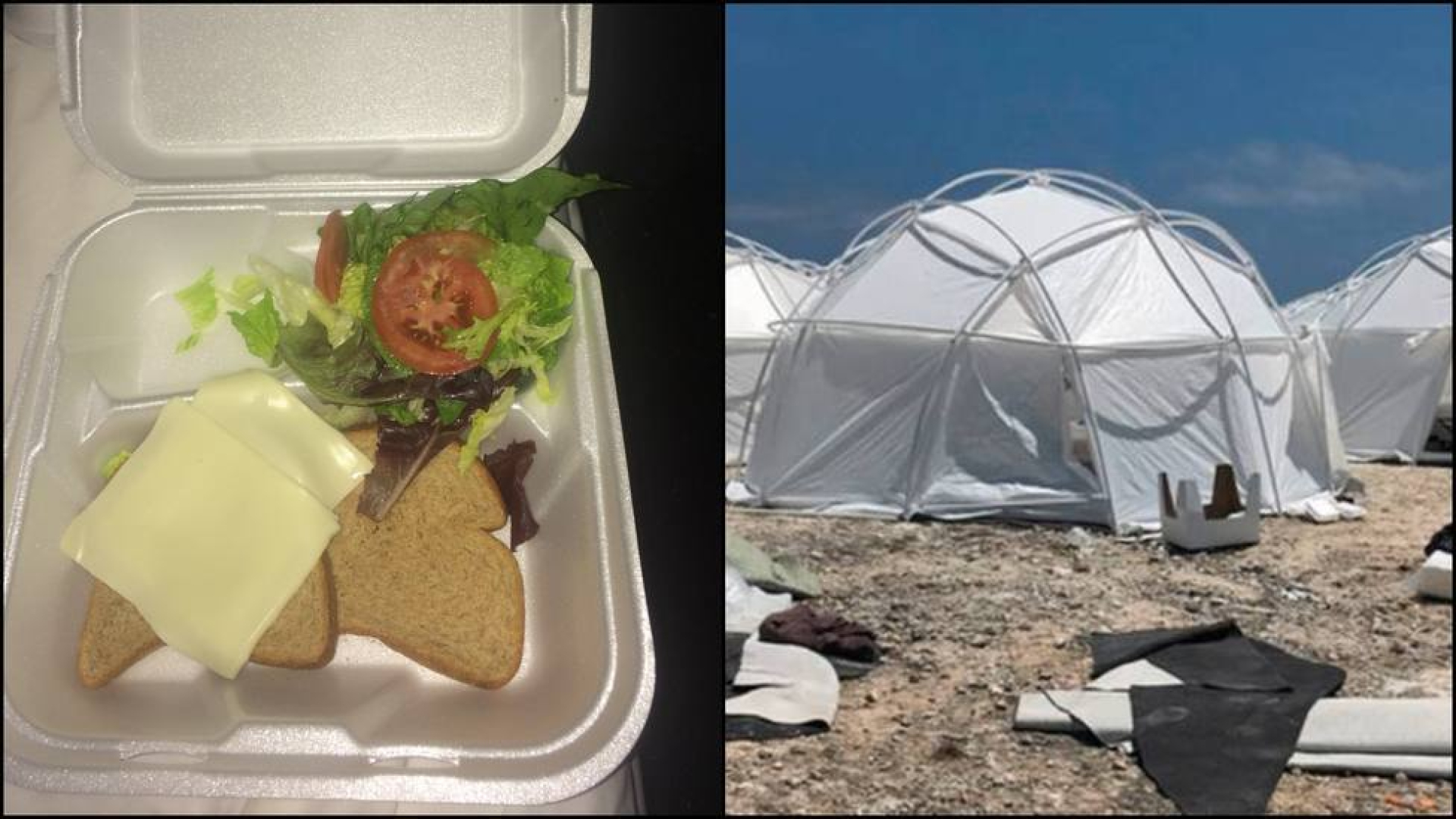
Reviewing Fyre Festival from a 2024 perspective reveals a cultural phenomenon that transitioned from a 2017 logistical disaster to a 2018 legal landmark, ultimately fueling a 2024 brand relaunch. This review examines how the initial failure evolved into a blueprint for influencer accountability and the controversial marketing of Fyre Festival II.
The Evolution of a Disaster: Why We Review Fyre Festival in 2024
To understand a 2024 review of the Fyre Festival, one must first reconcile the timeline. While the physical event occurred in 2017 on the island of Great Exuma in the Bahamas, 2018 was the year the "Fyre" brand moved from a failed party to a federal crime. It was in 2018 that the founder, Billy McFarland, was sentenced to six years in prison for wire fraud, and the world began to see the "Review" of the festival through the lens of investigative journalism and legal discovery.
By 2024, the conversation shifted again. With McFarland’s release from prison in 2022 and his subsequent announcement of "Fyre Festival II," the 2018 post-mortem became a vital tool for consumers and investors. A 2024 review is not just about cold cheese sandwiches and wet mattresses; it is a critical analysis of whether the lessons of 2018—transparency, logistical feasibility, and ethical marketing—have been integrated into the modern festival economy or if the same pitfalls remain.
The 2018 Legal Fallout: The Pivot Point for the Brand
The year 2018 serves as the most critical chapter in the Fyre Festival story because it stripped away the influencer-curated "orange square" aesthetic to reveal the technical and financial rot beneath. In October 2018, the U.S. District Court for the Southern District of New York sentenced McFarland, providing a definitive legal "review" of the festival's operations.
The Findings of Wire Fraud
The 2018 proceedings confirmed that Fyre Media Inc. was built on a foundation of fabricated documents. McFarland had defrauded over 80 investors of approximately $26 million by inflating the company's revenue and the status of its artist-booking app. This wasn't merely a "badly planned party"; it was a calculated financial deception. For anyone reviewing the event in 2024, this distinction is paramount. The failure was not one of logistics alone but of fundamental business integrity.
The Impact on the Influencer Economy
Before 2018, influencer marketing was largely a "Wild West." The Fyre Festival post-mortem led directly to increased scrutiny from the Federal Trade Commission (FTC). High-profile models who promoted the event without disclosing their paid partnerships faced massive public backlash and legal inquiries. This 2018 shift forced a permanent change in how "sponsored content" is labeled, making the Fyre legacy a cornerstone of modern digital advertising regulations.
Technical Breakdown: Logistics and Infrastructure Failures
A rigorous review of Fyre Festival requires looking at the technical requirements of hosting a luxury event on a remote island. In 2018, logistical experts began detailing exactly where the "Fyre" team ignored basic engineering and hospitality standards.
- Water and Sanitation: The site lacked the plumbing infrastructure for the thousands of guests promised. The 2018 investigation revealed that the organizers failed to secure the necessary desalination or waste management systems required for a "luxury" experience.
- Housing and Shelters: The "luxury villas" were actually disaster-relief tents leftover from a hurricane. In 2024, we see this as the ultimate symbol of the festival’s failure, but in 2018, it was a technical case study in procurement failure and poor vendor management.
- Financial Systems: The festival attempted to go "cashless" using RFID wristbands. However, without a stable Wi-Fi mesh network across the site—something the organizers failed to build—the payment system was dead on arrival.
2024 Perspective: The Marketing of Fyre Festival II
In 2024, the Fyre brand attempted a phoenix-like return. Billy McFarland began selling tickets for "Fyre Festival II," despite not having a confirmed location or a finalized lineup. A 2024 review of this development must be skeptical. The "Review" culture of 2018 created a more informed consumer base, yet the initial "Pre-sale" tickets for Fyre II reportedly sold out in late 2023.
The 2024 marketing strategy relies heavily on the "notoriety" of the 2017/2018 disaster. It leverages "hate-watching" and "ironic participation" as a viable business model. However, the technical barriers remain the same. Without a clear explanation of how the 2024/2025 event will secure insurance, local Bahamian (or other Caribbean) permits, and professional logistical partners, the 2024 iteration risks repeating the 2018 legal outcomes.
Comparing the Narrative: 2018 Findings vs. 2024 Realities
| Feature | 2018 Legal/Documentary Findings | 2024 Status/Fyre II Claims |
|---|---|---|
| Funding | $26 million in fraudulent investments. | Claims of private backing and ticket revenue. |
| Logistics | Disaster-relief tents, no plumbing. | Promises of "luxury" and better planning. |
| Legal Status | Founder sentenced to 6 years in prison. | Founder on supervised release/actively marketing. |
| Transparency | Hidden paid partnerships (No #ad). | Increased FTC compliance requirements. |
| Artist Booking | Most artists were never fully paid. | No lineup announced as of mid-2024. |
| Accountability | Class-action lawsuits and bankruptcy. | New entities formed to shield operations. |
The Role of Media: Documentaries as "The Review"
Much of what the public knows as the "2018 review" of Fyre Festival comes from the dual documentaries released in early 2019: Fyre (Netflix) and Fyre Fraud (Hulu). These films provided the technical depth that the 2017 news cycle lacked.
The Netflix documentary, produced in part by Jerry Media (the very agency that marketed the festival), was criticized for its potential bias, while the Hulu documentary paid McFarland for an interview, raising ethical concerns. Despite these issues, the documentaries served as a comprehensive audit of the failure. They highlighted the "sunk cost fallacy" that kept employees working on a project they knew was doomed and the "FOMO" (Fear Of Missing Out) that blinded ticket buyers to obvious red flags.
Modern Red Flags: What to Look for in 2024 and Beyond
As of 2026, looking back at the 2024 review of Fyre, certain red flags have become standardized in the festival industry. For any consumer evaluating a high-end destination event, the Fyre 2018 post-mortem offers a checklist of requirements:
- Permit Verification: Does the event have documented permission from the local government to use the land? In 2017, the Bahamian government was largely misled.
- Logistical Transparency: Is there a named production company with a history of success? Fyre lacked an experienced festival producer for the majority of its planning phase.
- Escrow and Refunds: Are ticket funds held in a way that allows for refunds if the event is canceled? The 2018 bankruptcy showed that most ticket money was already spent on marketing and debt by the time the festival started.
- Lineup Timing: A festival that sells "blind" tickets without a single confirmed headliner is utilizing the same high-risk strategy that Fyre used to build hype without substance.
Ethical Implications and the "Scam Culture"
A 2024 review cannot ignore the sociological impact. Fyre Festival became the poster child for "Scam Culture." It demonstrated how easily the perception of luxury could be manufactured using digital tools. The 2018 review by the public was a moment of collective realization that "Instagram vs. Reality" could have dangerous, real-world consequences.
Furthermore, the 2024 relaunch raised questions about "redemption" in the digital age. Is a person convicted of multimillion-dollar fraud entitled to a second chance in the same industry where they committed the crime? This debate is central to the 2024 review, as McFarland seeks to monetize the very disaster that ruined lives and local Bahamian businesses.
FAQs
What happened to the attendees of Fyre Festival 2017?
Many attendees spent years seeking refunds through class-action lawsuits. While a $2 million settlement was reached in 2021 for approximately 277 ticket holders, the actual payouts were significantly less than the original ticket prices due to the bankruptcy status of Fyre Media.
Is Fyre Festival II actually happening?
As of 2024, Billy McFarland has sold "pre-sale" tickets and announced that the event is in the planning stages for the Caribbean. However, no specific island, dates, or lineup have been verified by third-party hospitality or production organizations.
Why was 2018 so important for the Fyre Festival story?
2018 was the year of "The Reckoning." It was when the FBI and SEC investigations concluded, Billy McFarland was sentenced, and the production of the major documentaries began. It turned a viral news story into a permanent case study in fraud.
Did the Bahamian workers ever get paid?
The 2019 documentaries highlighted that many local Bahamian laborers and restaurant owners, like Maryann Rolle, were never paid by the festival organizers. A GoFundMe for Rolle eventually raised over $200,000, but many other local businesses suffered permanent financial losses.
How has the FTC changed since Fyre Festival?
The FTC (Federal Trade Commission) significantly tightened its guidelines on social media endorsements following the 2017-2018 fallout. Influencers are now strictly required to use clear disclosures like #ad or #sponsored in a visible location to avoid deceiving their followers.
Practical Recommendation: Moving Forward
For those following the Fyre Festival saga into 2026, the 2024 review serves as a reminder that brand notoriety is not a substitute for logistical competence. If you are considering attending high-stakes destination festivals, prioritize events with established track records, transparent production partnerships, and clear refund policies. The primary lesson from the 2018 legal fallout is that when an event’s marketing feels too polished to be true, it likely lacks the operational substance to support its promises. Verified infrastructure and escrow-protected ticket sales are the only true safeguards against a repeat of the Fyre disaster.