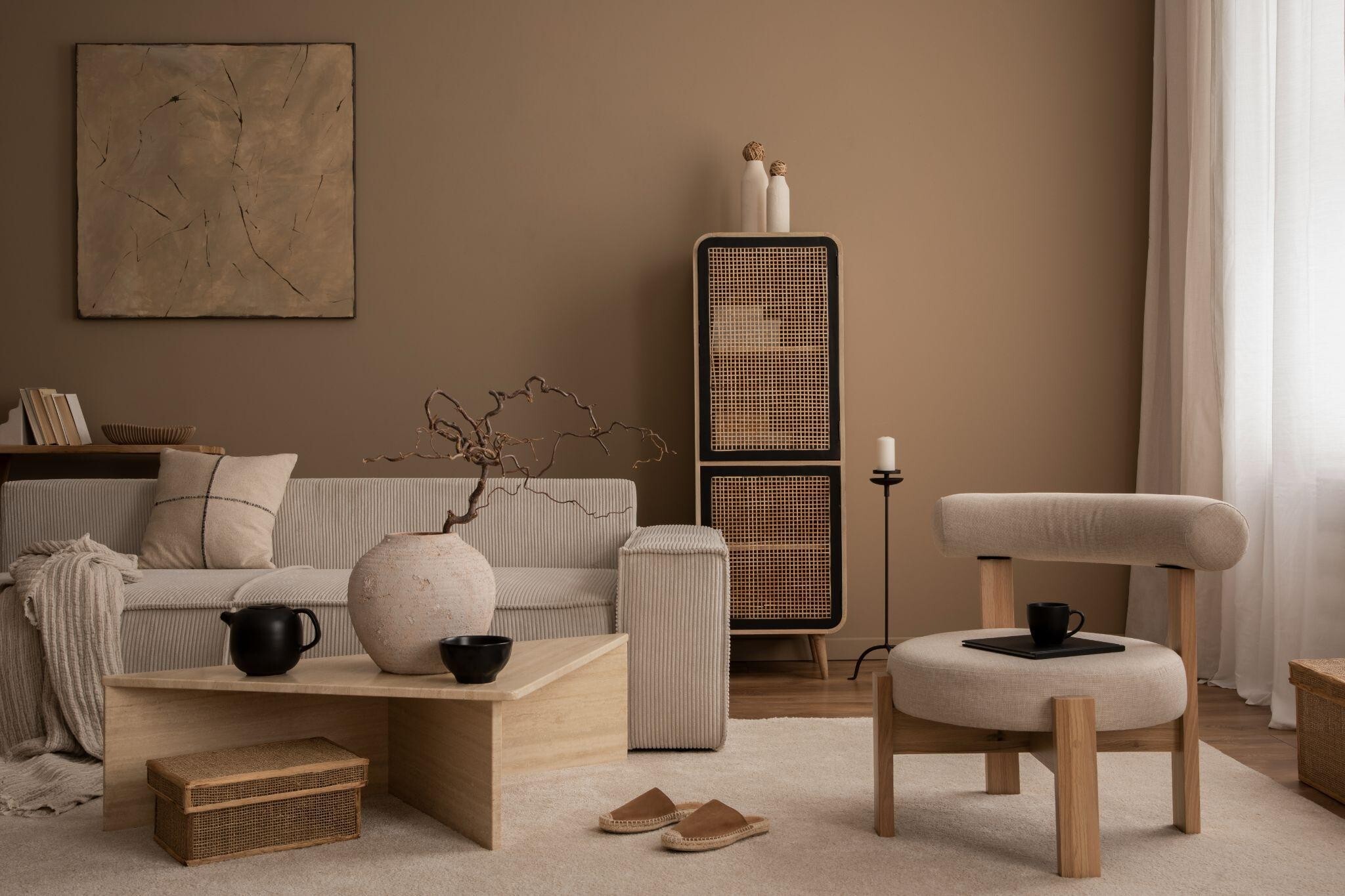
In 2022, furniture design trends were defined by a profound shift toward biophilic elements, curved silhouettes, and sustainable materials. Driven by a post-pandemic desire for comfort and a connection to nature, these trends replaced the sharp edges of previous minimalist eras with soft textures like bouclé and earthy, grounded color palettes that remain influential in 2026.
The year 2022 served as a pivotal turning point in the world of interior design. As the world emerged from a period of extended domestic confinement, the role of furniture transitioned from purely functional objects to essential components of mental well-being and environmental responsibility. Designers and manufacturers began to prioritize "human-centric" design, focusing on how a chair or table feels to the touch and how its production affects the planet.
The Rise of Biophilic Furniture Design
Biophilic design—the practice of connecting occupants to nature through the use of natural materials, light, and vegetation—became a dominant force in 2022. This wasn't merely about adding houseplants to a room; it was about integrating the "outdoors" into the very fabric of furniture.
Natural Materials and Raw Textures
In 2022, there was an explosion in the use of raw, unrefined materials. Furniture makers moved away from high-gloss finishes and synthetic laminates in favor of travertine, marble, terracotta, and light-toned woods like white oak and ash. The goal was to preserve the "imperfections" of the material. For instance, dining tables featured "live edges" where the natural curve of the tree trunk was left intact, and coffee tables were often carved from single blocks of stone, showcasing unique veining and porous textures.
The Integration of Greenery
Furniture began to incorporate literal space for nature. We saw the rise of "planter tables"—coffee or side tables with built-in recessed areas for succulents or ferns. This trend addressed the urban dweller's need for greenery in limited square footage. By 2026, many of these 2022-era pieces have become collector's items, representing the first major wave of "living furniture."
The Softening of Form: Curves and Arched Silhouettes
If the previous decade was defined by the sharp, clean lines of Mid-Century Modernism, 2022 was the year the "curve" returned. This "soft modernism" was a psychological response to the need for comfort and safety within the home.
The Return of the Kidney Sofa
The iconic kidney-shaped or "bean" sofa became the centerpiece of the 2022 living room. These pieces lacked sharp corners, encouraging a more fluid flow of movement through a room. Brands like Gubi and various high-end Italian design houses led the charge, reviving 1970s-inspired rounded forms. These curves weren't limited to seating; they extended to arched cabinets, circular mirrors, and pill-shaped dining tables.
Sensory Appeal through Bouclé and Velvet
To complement these rounded forms, texture became paramount. Bouclé fabric, characterized by its looped, curled yarns, was perhaps the most ubiquitous textile of 2022. Its nubby, sheep-like texture provided an immediate sense of warmth and tactile interest. Alongside bouclé, heavy velvets in "jewel tones" or "earthy ochres" were used to add depth and luxury to curved armchairs and headboards.
Color Palettes: From Gray to Earthy Warmth
The "Millennial Gray" era officially began to wane in 2022. Designers shifted toward a palette that felt grounded and organic.
- Very Peri (Pantone Color of the Year 2022): A vibrant periwinkle blue with violet-red undertones. While bold, it was often used in accent furniture, such as side chairs or poufs, to inject a sense of "carefree confidence" into a room.
- Terracotta and Sage Green: These two colors dominated the upholstery market. Sage green acted as a "new neutral," providing a calming, nature-inspired backdrop, while terracotta offered a sense of warmth and clay-like stability.
- Warm Browns and Chocolates: Deep, rich browns replaced stark blacks and cold grays. This move toward "chocolatey" tones was seen in both leather upholstery and wood stains, moving the aesthetic toward a "70s revival" vibe.
Multifunctional Furniture and the Hybrid Work Era
By 2022, the "work from home" movement had matured from a temporary necessity to a permanent lifestyle for millions. This led to the "Cloffice" (closet office) trend and a demand for furniture that could perform double duty without sacrificing aesthetics.
Discreet Home Office Solutions
Designers began creating desks that didn't look like desks. Secretary desks with fold-down fronts and "floating" wall-mounted consoles allowed residents to hide their workstations at the end of the day. This was a direct response to the "zoom-room" fatigue, where people wanted to reclaim their living spaces from professional clutter.
Modular Seating Systems
The 2022 furniture market saw a surge in modular sofas. Unlike traditional sectionals, these 2022 designs were "infinitely reconfigurable," allowing users to break them apart into individual lounge chairs or push them together to create a massive "pit" for family movie nights. This flexibility was essential for homes that were now serving as gyms, schools, and offices simultaneously.
Sustainability as a Core Design Requirement
In 2022, sustainability moved from a "nice-to-have" marketing buzzword to a technical requirement for many consumers. This gave rise to the "Slow Furniture" movement, mirroring the "Slow Fashion" industry.
Circular Economy and Recycled Materials
Furniture brands began utilizing recycled ocean plastics, reclaimed wood, and "mushroom leather" (mycelium). Companies sought certifications like the Forest Stewardship Council (FSC) to prove their timber was responsibly sourced. The focus was on "End-of-Life" design—ensuring that a chair could be easily disassembled and its components recycled or composted after decades of use.
The Vintage and Second-Hand Boom
Due to global supply chain disruptions in 2021 and 2022, lead times for new furniture often stretched to six or nine months. This logistical hurdle, combined with a desire for unique, eco-friendly pieces, led to a massive spike in the vintage furniture market. "Grandmillennial" style—mixing traditional, grandmother-style antiques with modern accents—became a defining aesthetic of the year.
Comparing 2021 vs. 2022 Design Philosophies
To understand the magnitude of the shift in 2022, it is helpful to compare it against the trends of the immediately preceding year.
| Feature | 2021 Trend (Minimalism/Industrial) | 2022 Trend (Organic/Sensory) |
|---|---|---|
| Primary Shape | Sharp angles, square edges, geometric | Curves, arches, asymmetrical "blob" shapes |
| Dominant Fabric | Smooth linen, faux leather, flat weaves | Bouclé, high-pile velvet, shearling |
| Color Palette | Cool grays, stark whites, matte black | Sage green, terracotta, warm oak, Very Peri |
| Sustainability | Emerging/Niche interest | Central to brand identity and material choice |
| Home Office | Temporary setups, ergonomic plastic chairs | Integrated "Cloffices," aesthetic wooden desks |
| Wood Tones | Dark walnut or very dark "espresso" stains | Light oak, ash, and natural "unfinished" looks |
Technical Depth: The Material Science of 2022
The "look" of 2022 was heavily supported by advancements in material science. For example, the popularity of marble and travertine coffee tables was supported by new nanotech sealants that made these porous stones more resistant to household stains than ever before.
Similarly, the rise of "performance fabrics" allowed for the use of light-colored bouclé and white linens in homes with children or pets. These fabrics were engineered at the fiber level to repel liquids and resist abrasion, mimicking the look of delicate natural fibers while offering industrial-grade durability. This intersection of "high-touch" aesthetics and "high-tech" performance is why many pieces purchased in 2022 still look pristine in 2026.
Frequently Asked Questions
What was the most popular furniture fabric in 2022?
Bouclé was the undisputed king of fabrics in 2022. It is a heavy textile made from looped yarn, typically wool or cotton, which creates a nubby, knotted surface. Its popularity stemmed from its ability to add instant texture and a sense of "cozy luxury" to the curved sofas and chairs that were trending at the time. While white and cream bouclé were the most common, by late 2022, we saw more experimentation with olive green and rust-colored versions.
Why did curved furniture become so popular in 2022?
The trend toward curves was largely a psychological response to the stress of the early 2020s. Interior designers and environmental psychologists noted that sharp angles can trigger a subconscious "alert" response, whereas rounded forms are perceived as safe and welcoming. As people spent more time at home, they sought environments that felt like a "hug," leading to the decline of rigid, angular furniture.
Is the "Biophilic" furniture trend still relevant today in 2026?
Yes, biophilic design has evolved from a trend into a standard practice. While the 2022 iteration focused heavily on raw wood and indoor plants, by 2026, it has expanded to include "smart" furniture with integrated grow lights and circadian rhythm lighting. The core principle—that humans are happier and more productive when connected to nature—remains a cornerstone of modern interior design.
What is "Grandmillennial" furniture style?
Grandmillennial style (also known as "Granny Chic") was a 2022 trend that involved young adults embracing traditional design elements that their grandparents might have owned. This included floral chintz upholstery, pleated lampshades, dark wood "brown furniture," and wicker or rattan pieces. It was a rebellion against the "soulless" look of all-white, minimalist modern interiors.
How did supply chain issues affect 2022 furniture design?
Supply chain disruptions led to two major shifts: a surge in the popularity of "Ready-to-Ship" vintage items and a move toward locally sourced materials. Designers began prioritizing materials they could find closer to home (like local hardwoods) rather than relying on exotic imports that were stuck in shipping containers. This inadvertently boosted the sustainability credentials of the 2022 design year.
Practical Recommendation for Modern Homeowners
If you are looking to integrate the best of 2022's legacy into your home in 2026, focus on longevity and tactile contrast. While you may not want an entire room of bouclé, adding a single curved "statement chair" in a textured fabric can break up the monotony of a modern room.
Prioritize pieces that utilize FSC-certified woods and natural stones like travertine, as these materials age gracefully and retain their value. When choosing a color palette, look to the "earthy neutrals" of 2022—sage, ochre, and warm clay—as these have proven to be more timeless than the "Very Peri" or "Millennial Gray" extremes. Finally, always check the "circularity" of a piece: can it be repaired, reupholstered, or recycled easily? Investing in high-quality "Slow Furniture" is not only an aesthetic choice but a financially and environmentally sound one.