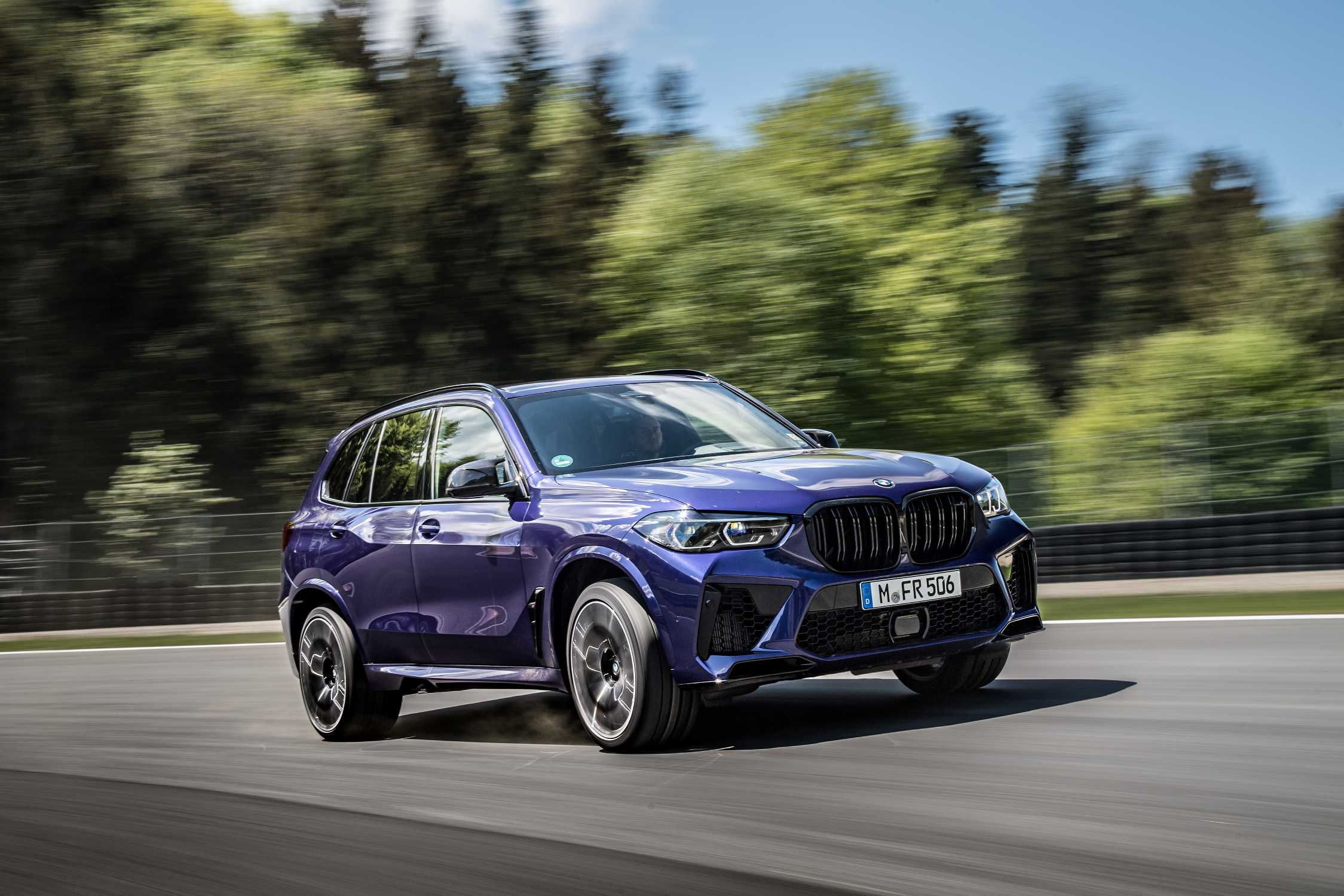
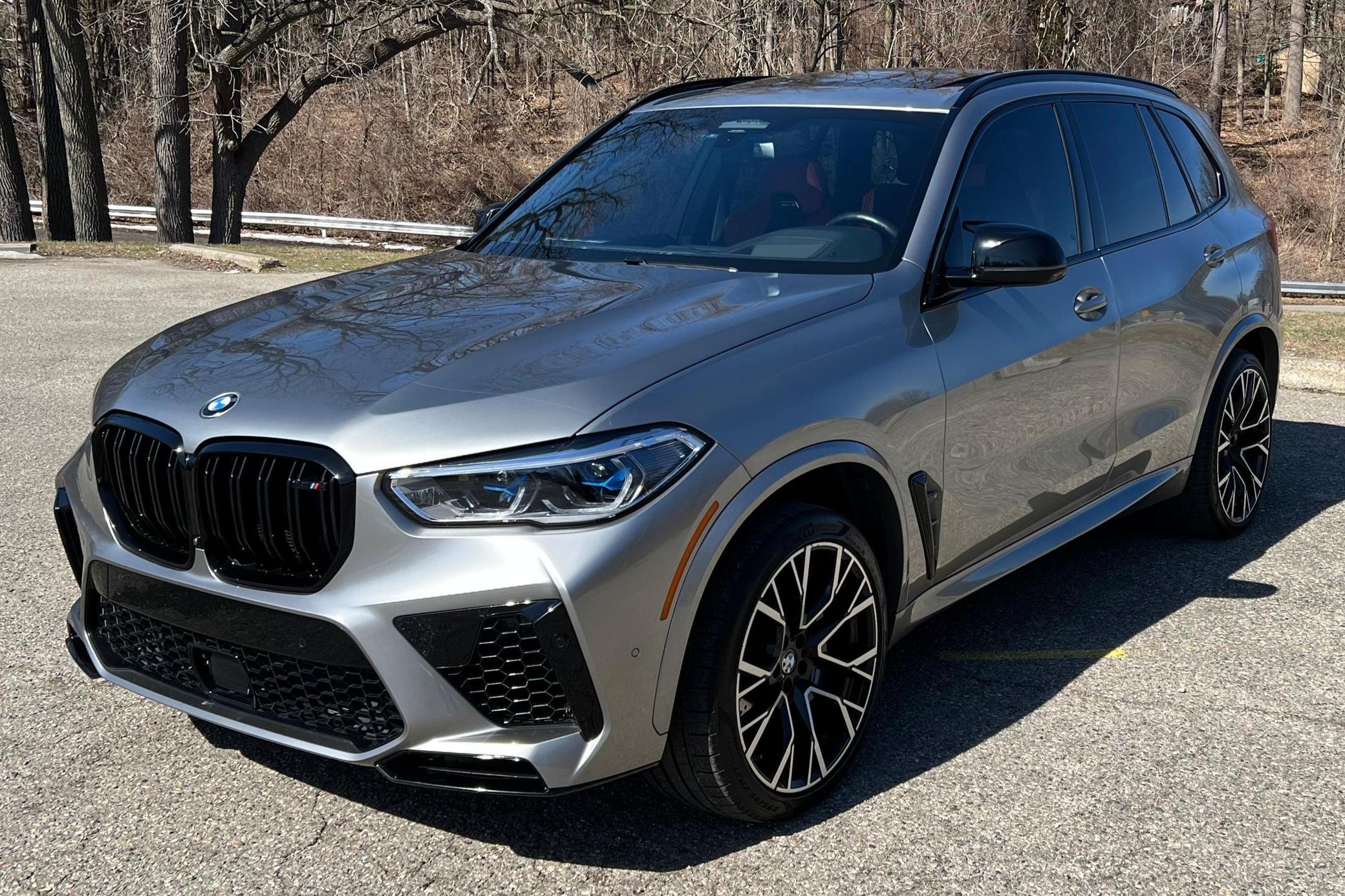
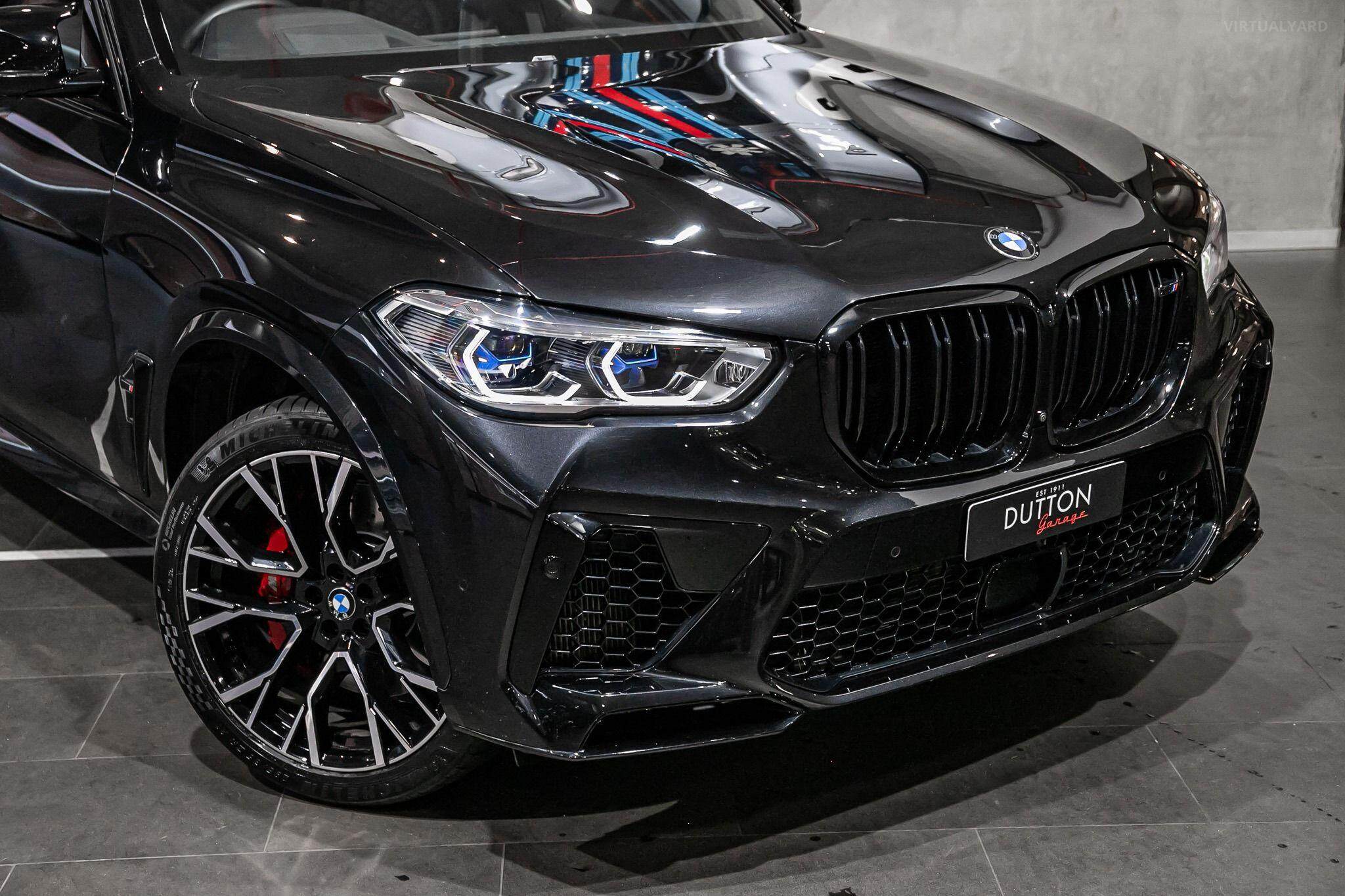
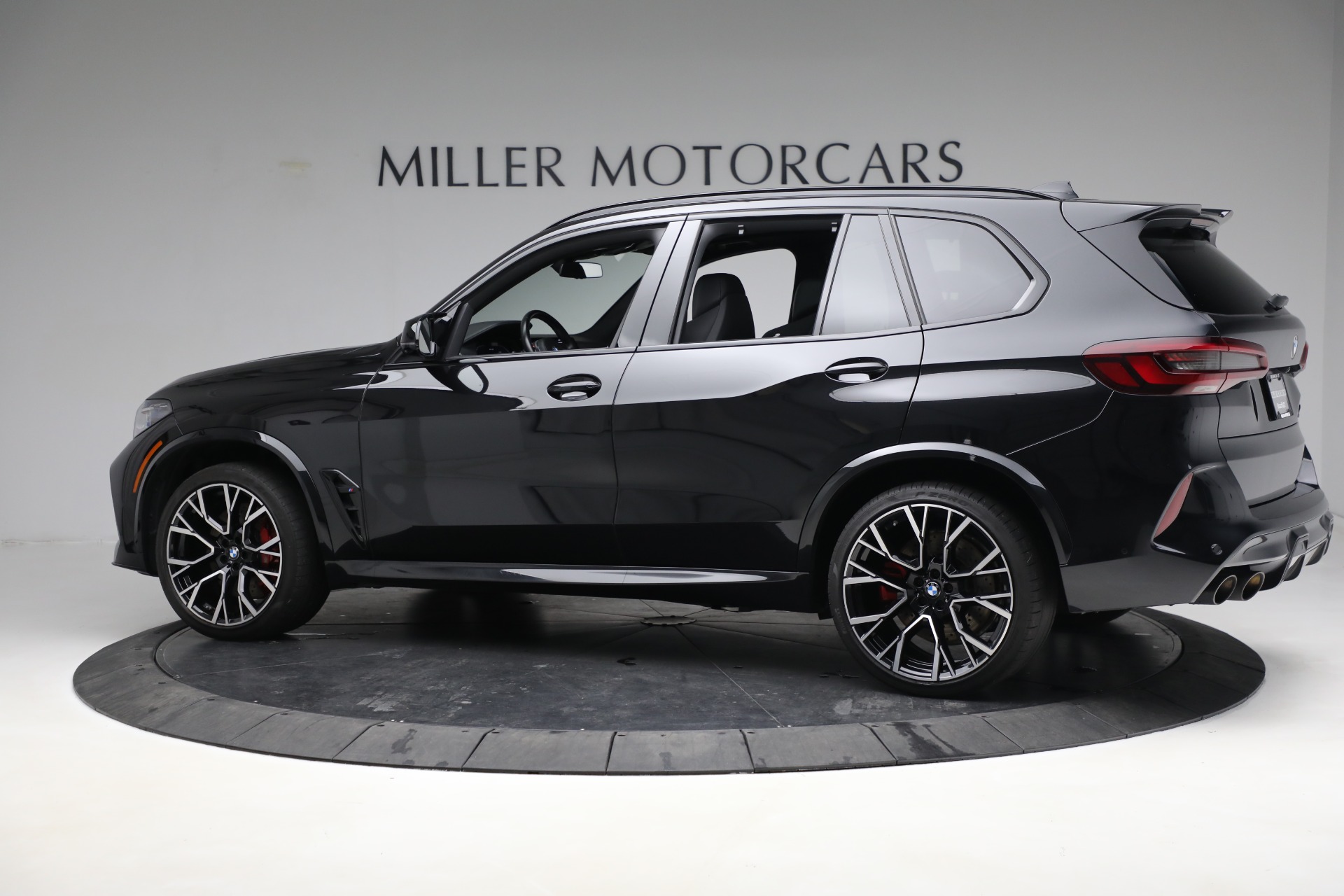
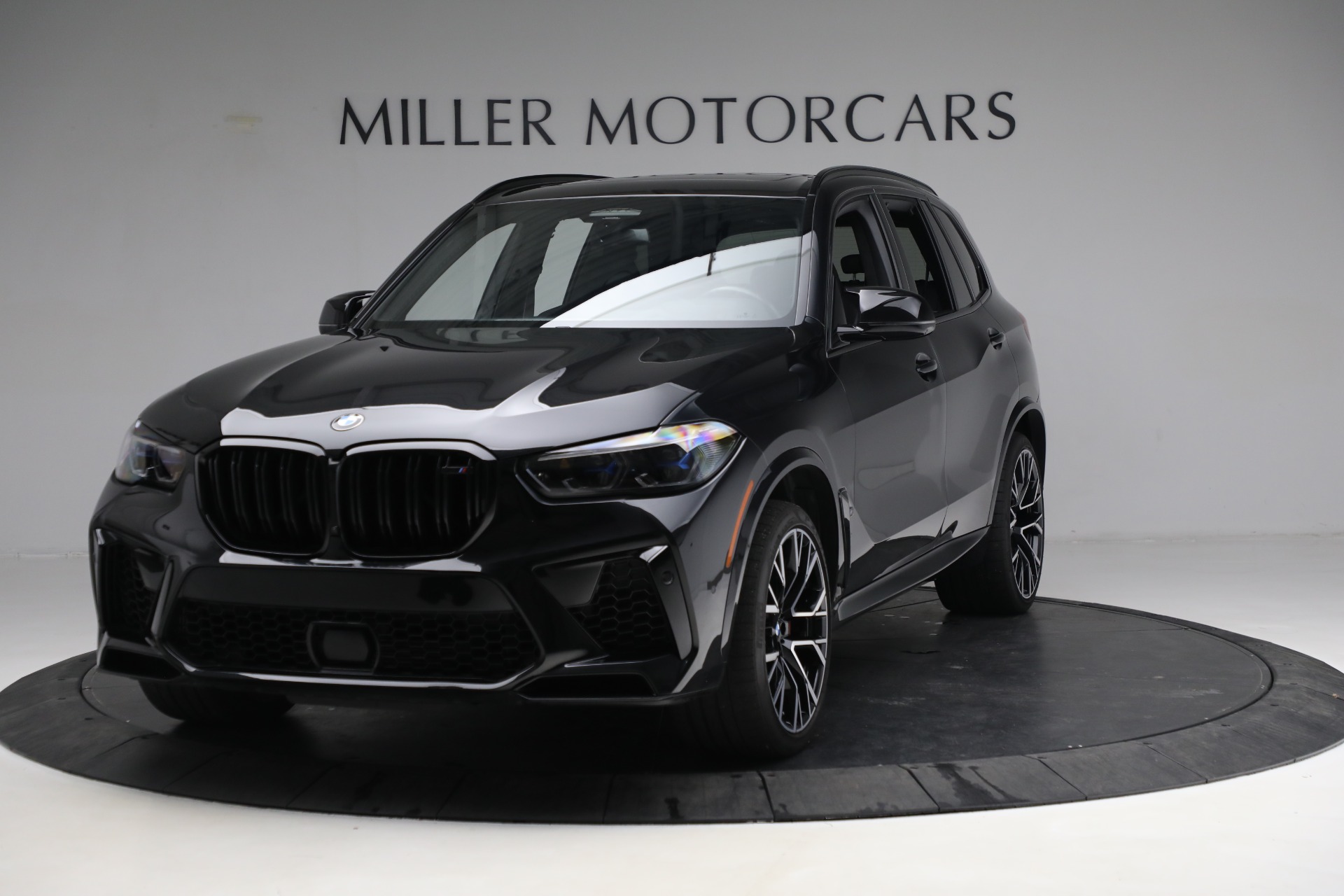
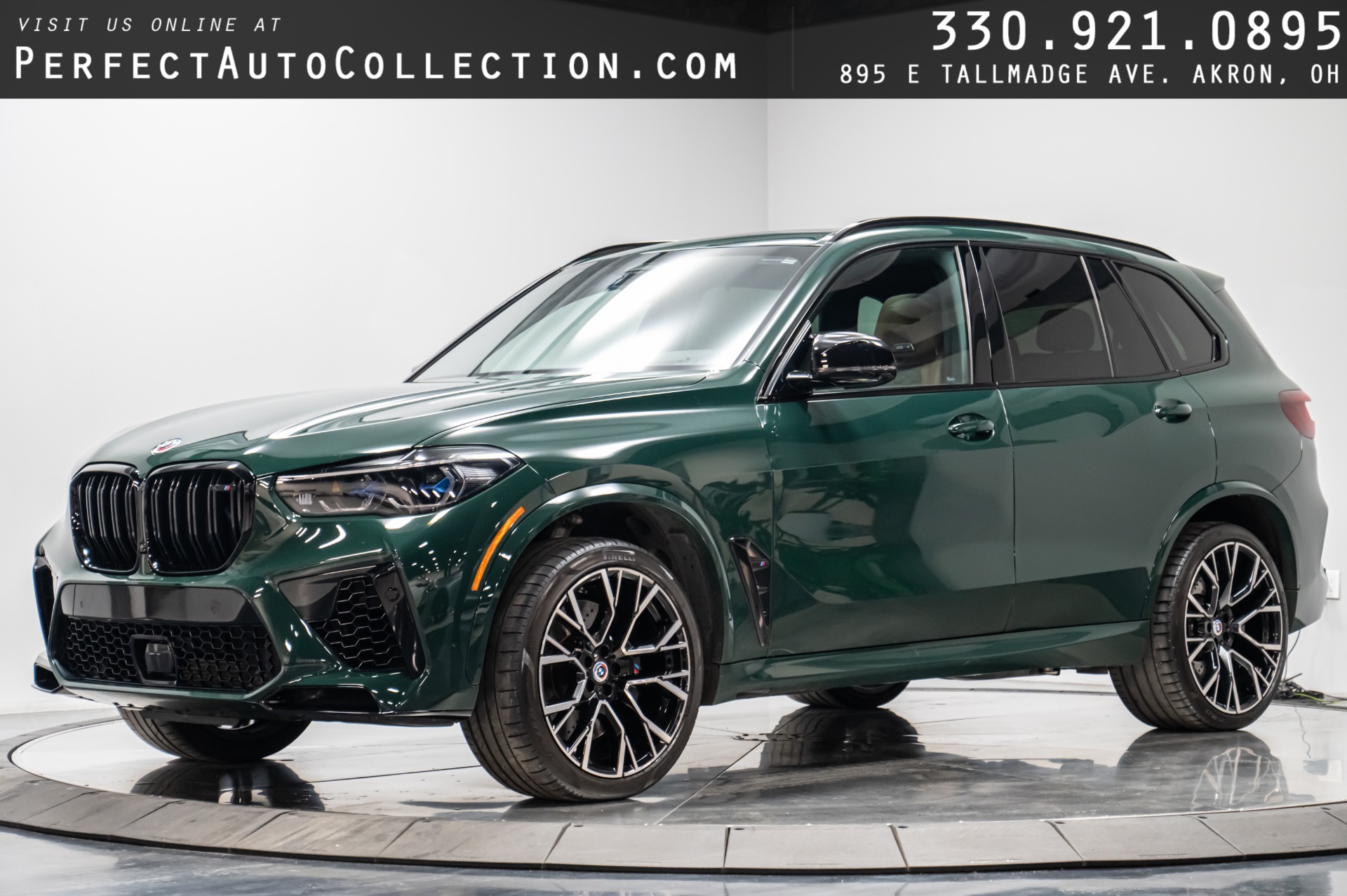
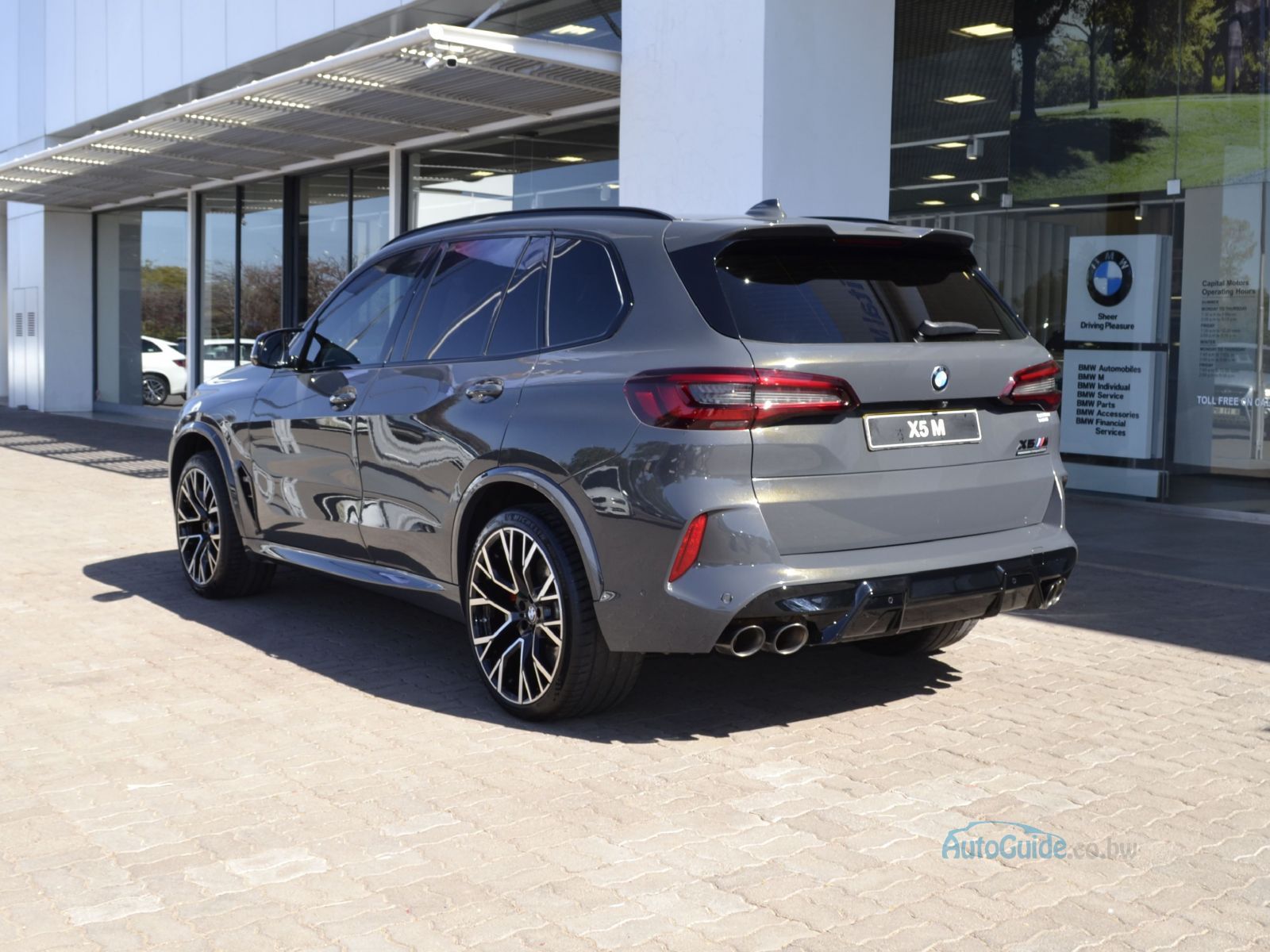
The 2022 BMW X5 M Competition is a high-performance luxury SUV that balances track-ready dynamics with everyday utility. Powered by a 4.4-liter BMW M TwinPower Turbo V8 engine delivering 617 horsepower, it accelerates from 0 to 60 mph in just 3.7 seconds. As a pinnacle of the F95 generation, it offers a specialized M xDrive system, aggressive styling, and a driver-centric interior, making it a premier choice for enthusiasts seeking a versatile "Sport Activity Vehicle."
The Engineering Heart: The S63 V8 Engine
At the core of the 2022 BMW X5 M Competition lies the S63 engine, specifically the S63B44T4 variant. This 4.4-liter V8 utilizes a "hot-V" configuration, where the two twin-scroll turbochargers are positioned within the V-angle of the cylinder banks. This design significantly shortens the path for exhaust gases to reach the turbines, resulting in near-instantaneous throttle response and a massive torque plateau.
For the 2022 model year, the Competition designation was standard in many markets, pushing the output to 617 horsepower at 6,000 rpm and 553 lb-ft of torque available between 1,800 and 5,860 rpm. This engine is not merely a tuned version of the standard X5's V8; it features a dedicated oil supply system capable of handling high lateral and longitudinal G-forces, upgraded cooling systems with three radiators, and a track-optimized water pump.
The 2022 model remains highly sought after in 2026 because it represents the final iteration of this drivetrain before the transition to the S68 mild-hybrid systems found in the later LCI (Life Cycle Impulse) versions. For purists, the 2022 model offers a more "analog" engine management feel, free from the added weight and complexity of 48V hybrid integration, while still delivering world-class performance.
M-Specific Drivetrain and xDrive Dynamics
Power is transmitted through an eight-speed M Steptronic transmission with Drivelogic. This gearbox is programmed specifically for the M Competition, offering three distinct shift modes ranging from smooth efficiency to lightning-fast, crisp shifts suitable for track use. The transmission also features a dedicated oil cooler to maintain performance during sustained high-speed driving.
The 2022 X5 M Competition utilizes a rear-biased M xDrive all-wheel-drive system. Unlike the standard xDrive found in a 40i or M50i, the M-tuned version only sends power to the front wheels when the rear tires reach their traction limit. This preserves the classic BMW rear-wheel-drive feel. The system works in tandem with the Active M Differential at the rear axle, which can vary the locking effect between 0% and 100% to optimize power delivery out of corners and stabilize the vehicle during rapid lane changes.
Drivers can toggle between "4WD" and "4WD Sport" modes. The latter provides an even more pronounced rear-bias, allowing for controlled drifts in a closed-circuit environment—a rare feat for a vehicle weighing over 5,400 pounds.
Chassis Engineering and Ride Quality
To manage the immense power and high center of gravity, BMW M engineers significantly reinforced the X5’s chassis. The 2022 X5 M Competition features a bespoke suspension setup with M-specific kinematics, increased front-wheel camber, and specialized bushings.
Adaptive M Suspension Professional
The standard Adaptive M Suspension Professional includes electronically controlled dampers and active roll stabilization (ARS). The ARS system uses electric swivel motors on the front and rear anti-roll bars to counteract body roll during cornering. In 2026, many owners still cite this system as the "magic" behind the vehicle's physics-defying handling. However, it is important to note that the ride is unapologetically firm. Even in "Comfort" mode, the X5 M Competition transmits more road texture into the cabin than its rivals, such as the Mercedes-AMG GLE 63 S or the Audi RS Q8.
Braking and Wheels
Stopping power is provided by the M Compound brake system, featuring six-piston fixed calipers at the front with 15.6-inch rotors and single-piston floating calipers at the rear with 15.0-inch rotors. The 2022 model features a staggered wheel setup (21 inches in the front, 22 inches in the rear), which provides a larger contact patch at the back for better traction while maintaining sharp turn-in response at the front.
Interior Luxury and Driver Interface
The cabin of the 2022 BMW X5 M Competition is a blend of high-end materials and functional performance tech. The "Competition" package includes M Sport seats with integrated headrests and an illuminated M logo, upholstered in premium Merino leather. Hexagon-patterned quilting and carbon fiber trim are standard, reinforcing the vehicle's racing pedigree.
iDrive 7.0 and Live Cockpit Professional
While newer BMW models have moved to the curved iDrive 8 display, the 2022 model utilizes the classic dual 12.3-inch screens running iDrive 7.0. In the current 2026 market, many enthusiasts prefer this setup for its tactile buttons and the physical "iDrive Controller," which is often easier to use while driving than touch-only interfaces.
The Live Cockpit Professional features an M-specific instrument cluster that changes appearance based on the driving mode (Road, Sport, or Track). In Track mode, the screen minimizes distractions, showing only essential data like RPM, gear selection, and shift lights, while also disabling driver assistance systems like lane-keep assist to prevent unwanted steering intervention during performance maneuvers.
2022 BMW X5 M Competition Specifications
| Feature | Specification |
|---|---|
| Engine | 4.4L V8 BMW M TwinPower Turbo (S63) |
| Horsepower | 617 hp @ 6,000 rpm |
| Torque | 553 lb-ft @ 1,800–5,860 rpm |
| 0–60 MPH | 3.7 Seconds |
| Top Speed | 155 mph (177 mph with M Driver's Package) |
| Transmission | 8-Speed M Steptronic |
| Curb Weight | 5,425 lbs |
| Fuel Economy | 13 City / 18 Highway / 15 Combined (EPA) |
| Cargo Space | 33.9 cu ft (72.3 cu ft with seats down) |
Maintenance and Reliability in 2026
As the 2022 BMW X5 M Competition enters its fourth or fifth year of service in 2026, potential buyers and current owners must be aware of its specialized maintenance requirements. This is not a standard SUV; its components are high-strung and require precision care.
- Brake Maintenance: The M Compound brakes offer incredible performance but are expensive to replace. A full set of rotors and pads can cost several thousand dollars. Owners in 2026 should inspect for "lip" formation on the rotors and listen for the characteristic (and often normal) squeal associated with high-performance pads.
- Tire Longevity: Due to the aggressive alignment settings and the weight of the vehicle, the 2022 X5 M Competition tends to go through tires every 10,000 to 15,000 miles. Replacing the staggered 21/22-inch Pilot Sport 4S or P-Zero tires is a significant recurring cost.
- Engine Care: The S63 engine requires high-quality synthetic oil changed at shorter intervals than the standard BMW recommendation for maximum longevity. In 2026, checking for coolant hose integrity and turbocharger oil line leaks is a standard part of the "high-mileage" (40,000+ miles) preventative maintenance routine.
- Spark Plugs: Unlike standard vehicles, BMW M engines typically require spark plug replacements every 30,000 miles to maintain optimal combustion under high boost.
Competitive Comparison
In the 2022 performance SUV landscape, the X5 M Competition faced stiff rivalry from Stuttgart and Affalterbach.
- Porsche Cayenne Turbo: The Cayenne is often cited as having slightly superior steering feel and a more compliant air suspension. However, the 2022 X5 M Competition typically offered more standard technology and a more aggressive "out-of-the-box" personality for a lower price point than a comparably equipped Porsche.
- Mercedes-AMG GLE 63 S: The AMG competitor offers a more luxurious, lounge-like interior and a thunderous exhaust note from its 4.0L Biturbo V8. While the GLE 63 S is roughly equal in straight-line speed, the BMW is generally considered the "sharper" tool for cornering and track-day capability.
- Audi RS Q8: The Audi shares its platform with the Lamborghini Urus. It offers a more understated "sleeper" aesthetic and a smoother ride due to its air suspension, but it lacks the raw, mechanical aggression of the X5 M's S63 engine and rigid chassis.
Practical Considerations for Owners
Despite its track credentials, the 2022 X5 M Competition remains an X5 at heart. This means it offers excellent visibility, a split-opening "clamshell" tailgate (perfect for tailgating or loading heavy items), and a spacious second row that can comfortably fit three adults.
One notable limitation is the absence of a third-row option. Because the M-specific rear suspension and differential take up additional space under the cargo floor, and because the M Competition is designed for balance rather than maximum passenger capacity, it is strictly a five-seater. If you require seven seats, you would need to look toward the BMW X7 M60i/M50i or an Alpina XB7.
Additionally, fuel economy is a factor. Owners should expect real-world figures in the low teens if they frequently utilize the engine's power. The 21.9-gallon fuel tank provides a decent cruising range on the highway but requires frequent stops during spirited driving or city commuting.
Frequently Asked Questions
Is the 2022 BMW X5 M Competition a good daily driver?
It is a highly capable daily driver if you prioritize performance over ultimate comfort. While it has all the modern amenities—such as heated/ventilated seats, a premium Harman Kardon or Bowers & Wilkins sound system, and ample cargo space—the suspension is notably firm. On poorly maintained city roads, the ride can be jarring compared to a standard X5.
What is the difference between the X5 M and the X5 M Competition?
For the 2022 model year in most regions, the "Competition" was the standard trim. Compared to a base X5 M (where available), the Competition adds 17 horsepower, the M Sport exhaust system, increased rear axle camber, more rigid engine mounts, and unique wheels and trim. It is essentially a track-focused evolution of the base M model.
How does the 2022 model differ from the newer 2024+ LCI models?
The primary difference is the powertrain and the interior interface. The 2024+ models use the S68 engine with a 48V mild-hybrid system and feature the BMW Curved Display with iDrive 8. The 2022 model is purely internal combustion and uses iDrive 7. Many drivers in 2026 prefer the 2022 model for its physical climate controls and lighter-weight feel without the hybrid battery.
Does it have a towing capacity?
While the standard X5 is a towing powerhouse, BMW does not officially recommend or provide a factory tow hitch for the X5 M Competition. The rear diffuser and M Sport exhaust system occupy the space where a hitch would normally reside. Adding an aftermarket hitch may interfere with the vehicle's aerodynamics and cooling requirements.
What are the most important options to look for in a used 2022 model?
The Bowers & Wilkins Diamond Surround Sound System is highly coveted for its audio quality and illuminated speakers. The Executive Package is another "must-have," as it adds features like soft-close doors, heated/cooled cupholders, front-seat massage, and ventilated seats. For those who want the highest top speed, the M Driver’s Package increases the limiter to 177 mph and includes a one-day track training session.
Final Recommendation for 2026 Buyers
The 2022 BMW X5 M Competition remains a benchmark for the high-performance SUV segment. In 2026, it represents an excellent value on the pre-owned market for those who want a "pure" V8 experience without the hybrid complexity of the newest models. If you can tolerate the firm ride and the high maintenance costs associated with M-car ownership, it provides a level of engagement and capability that few other SUVs can match. When purchasing, prioritize vehicles with a documented service history, as the S63 engine and M-specific drivetrain components rely heavily on meticulous upkeep.