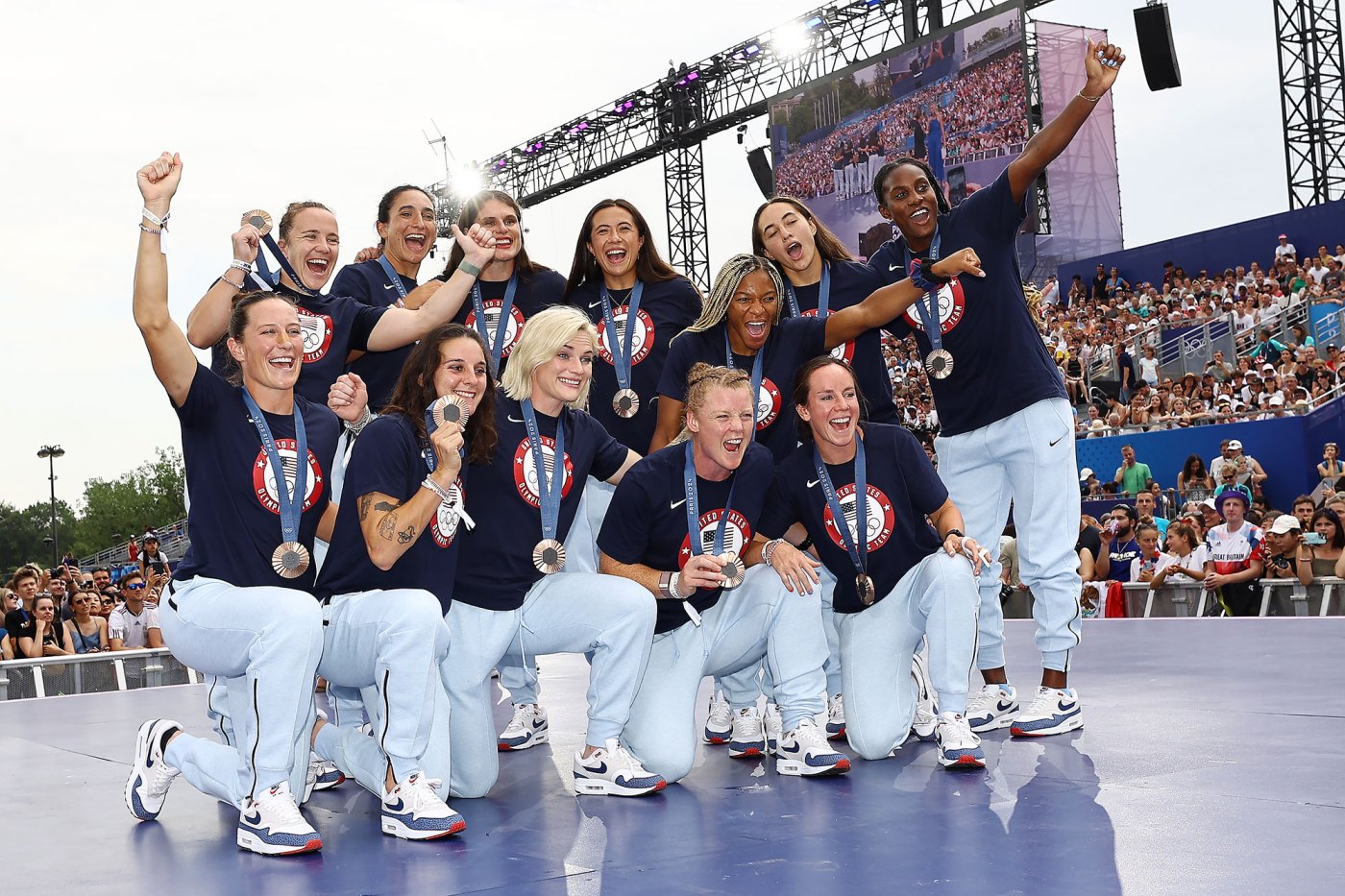
The United States concluded the 2018 Winter Olympic Games in PyeongChang, South Korea, with a total of 23 medals. This haul, consisting of 9 gold, 8 silver, and 6 bronze medals, placed the American delegation fourth in the overall medal table by total count and tied for fourth in the gold medal standings, reflecting a competitive performance across diverse winter disciplines.
Understanding the 2018 PyeongChang Winter Games
The 2018 Winter Olympics, officially known as the XXIII Olympic Winter Games, took place from February 9 to February 25, 2018. The event brought together thousands of athletes from 92 nations to compete in 102 events across 15 different sport disciplines. For the United States, the Games represented an opportunity to demonstrate dominance in traditional strongholds like alpine skiing, snowboarding, and figure skating, while also navigating the complexities of international competition on a global stage.
The "medal count" is a statistical benchmark used by the International Olympic Committee (IOC) and media organizations to assess the success of national Olympic committees. While the IOC does not officially rank countries by a unified table, the tradition of tracking medals by color—gold, silver, and bronze—serves as the primary metric for national pride and athletic assessment.
Breakdown of the 2018 USA Medal Tally
To understand how the United States secured its 23 medals, one must look at the distribution across sports. The performance was characterized by consistency in action sports and historic breakthroughs in team events.
Gold Medal Highlights
The 9 gold medals won by Team USA were pivotal in their fourth-place standing. Notable achievements included:
- Snowboarding: The U.S. maintained its status as a global powerhouse in snowboarding. Jamie Anderson won gold in Slopestyle, and Chloe Kim dominated the Halfpipe, cementing her place as a generational talent.
- Alpine Skiing: Mikaela Shiffrin continued her ascent, securing gold in the Giant Slalom, which solidified her status as one of the most versatile skiers in the world.
- Team Sports: One of the most significant moments of the 2018 Games was the men’s curling team, skipped by John Shuster, securing a dramatic gold medal, marking the first time the U.S. had ever won Olympic gold in the sport. Additionally, the U.S. women’s hockey team defeated Canada in a thrilling shootout to win their first gold medal since 1998.
Silver and Bronze Contributions
The 8 silver and 6 bronze medals were spread across a wide range of disciplines, highlighting the depth of the U.S. Olympic pipeline. Silver medals were earned in sports ranging from freestyle skiing to figure skating. The bronze medals were equally essential, often decided by razor-thin margins in events such as speed skating and short track, where the difference between the podium and fifth place is frequently measured in milliseconds.
Comparative Analysis: The Medal Table
The 2018 PyeongChang medal table was highly competitive, with Norway and Germany leading the pack. Understanding the U.S. standing requires viewing their 23-medal haul in the context of the total medal distribution among top-performing nations.
| Rank | Nation | Gold | Silver | Bronze | Total |
|---|---|---|---|---|---|
| 1 | Norway | 14 | 14 | 11 | 39 |
| 2 | Germany | 14 | 10 | 7 | 31 |
| 3 | Canada | 11 | 8 | 10 | 29 |
| 4 | USA | 9 | 8 | 6 | 23 |
| 5 | Netherlands | 8 | 6 | 6 | 20 |
As shown in the table, while the United States finished fourth in total medals, the gap between the U.S. and the top three nations—Norway, Germany, and Canada—demonstrates the specific regional strengths of those nations, particularly in endurance sports like cross-country skiing and biathlon.
Factors Influencing the Medal Count
The performance of an Olympic delegation is never the result of a single factor. Several variables influenced the 2018 results, ranging from technical advancements to athlete preparation cycles.
1. Investment in High-Performance Training
The United States Olympic & Paralympic Committee (USOPC) utilizes a sophisticated infrastructure to support athletes. This includes the Olympic Training Centers, which provide world-class medical, psychological, and physiological support. The 2018 success was a reflection of the "Project Gold" initiatives that targeted specific high-probability events for podium finishes.
2. Discipline-Specific Trends
The United States has consistently prioritized sports where high equipment technology—such as wind-tunnel-tested suits and high-performance snowboard bases—plays a role. This technical focus paid off in snowboarding, where U.S. athletes consistently outperformed international competitors in terms of amplitude and trick execution.
3. Depth and Participation
With 242 athletes, the U.S. sent one of the largest delegations to PyeongChang. Participation numbers are intrinsically linked to the medal count; the more events a nation is qualified for, the higher the mathematical probability of reaching the podium. The U.S. qualification in team sports like hockey and curling significantly bolstered the overall medal count compared to nations that focus solely on individual endurance sports.
Strategic Lessons from 2018
The 2018 PyeongChang experience offered several lessons for subsequent Olympic cycles. Primarily, the reliance on established stars vs. the development of new talent remains a perennial challenge. The 2018 Games showed that when established veterans combine with breakout performances by younger athletes—such as those seen in the women’s snowboarding halfpipe—the overall team performance stabilizes.
Furthermore, the team sports success provided a blueprint for future funding allocations. The high visibility and national pride associated with the women's hockey gold medal proved that team sports are essential to the public perception of a "successful" Olympic games for the United States.
Frequently Asked Questions
How did the 2018 USA medal count compare to 2014? In the 2014 Sochi Games, the United States won 28 medals, including 9 gold. The 2018 tally of 23 medals represented a slight decline in total volume, though the gold medal count remained consistent at 9, demonstrating a similar level of "top-tier" success despite a lower total volume of podium finishes.
Why does the medal count rank differently depending on the source? The IOC does not provide an official ranked list of countries. Media organizations often choose to rank either by the number of gold medals (prioritizing winners) or by the total number of medals (prioritizing overall depth). Both methods are valid but present different narratives of national performance.
What was the most surprising U.S. medal in 2018? The men’s curling gold is widely cited as the most surprising outcome of the 2018 Games. Entering the tournament, the U.S. team was not considered the favorite, but they put together a historic winning streak in the final stages of the round-robin and playoffs to defeat Sweden in the gold medal game.
How many athletes did the USA send to the 2018 Winter Games? The United States sent 242 athletes to the 2018 PyeongChang Winter Olympics, representing the largest delegation of any nation at the Games.
Did any U.S. athletes strip of medals from 2018? There were no significant disqualifications or stripping of medals for U.S. athletes during the 2018 PyeongChang Winter Games due to doping violations or other regulatory breaches.
What sport contributed the most medals for the U.S. in 2018? Snowboarding and freestyle skiing were the largest contributors to the U.S. medal tally. These "action sports" remain the strongest foundation for the American Olympic program, consistently yielding multiple medals across various events.
Conclusion and Ongoing Legacy
The 2018 USA medal count in PyeongChang serves as a historical marker of the state of American winter sports during that period. By securing 23 medals, the U.S. demonstrated both its continued dominance in newer, technical winter sports and its ability to capture gold in long-standing team competitions. The results from PyeongChang were instrumental in shaping the training and funding priorities that continued to evolve in the years leading up to the 2026 athletic cycles. For researchers and sports historians, the 2018 count remains a vital data point in the long-term study of Olympic performance and national athletic development.