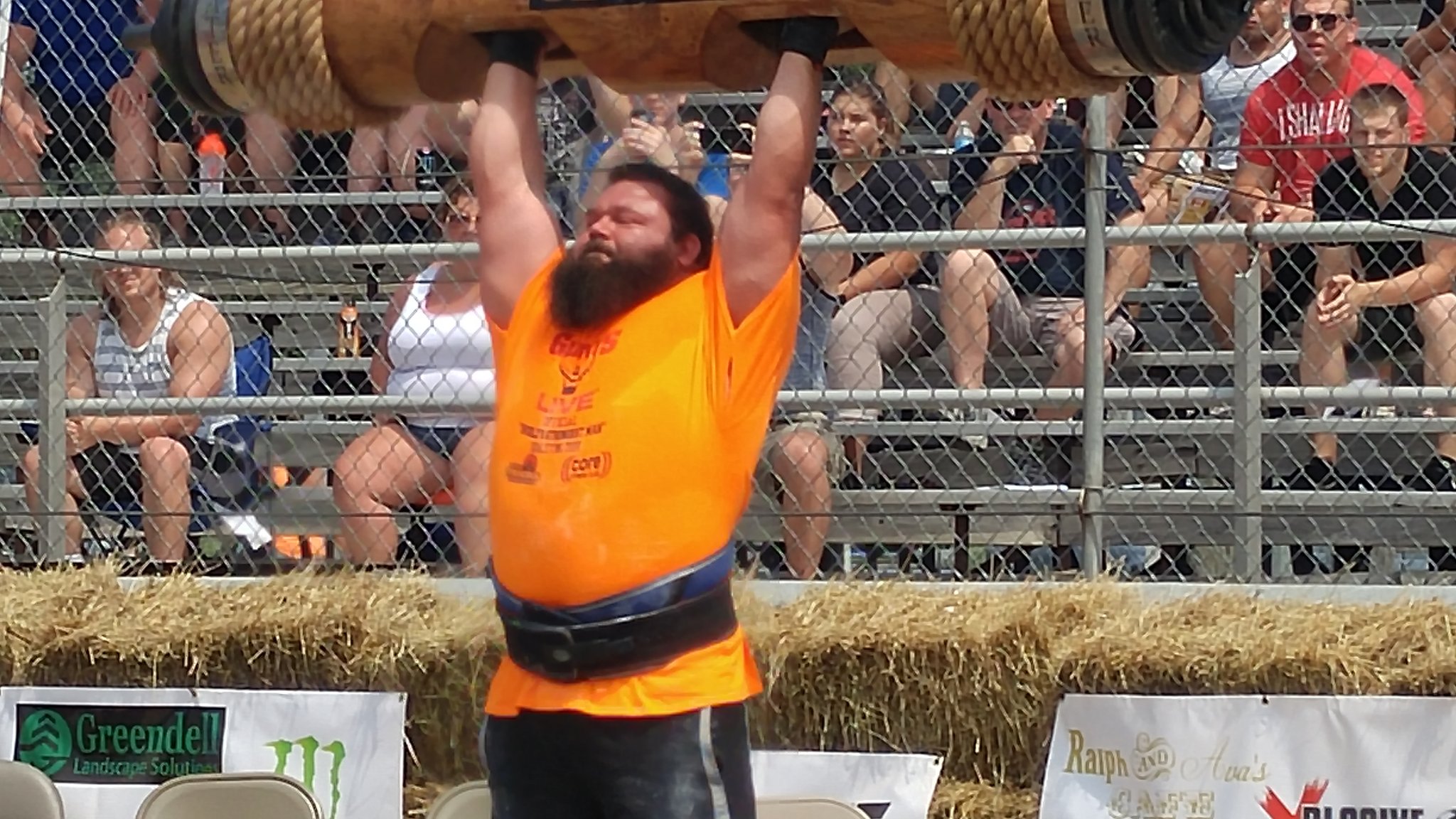
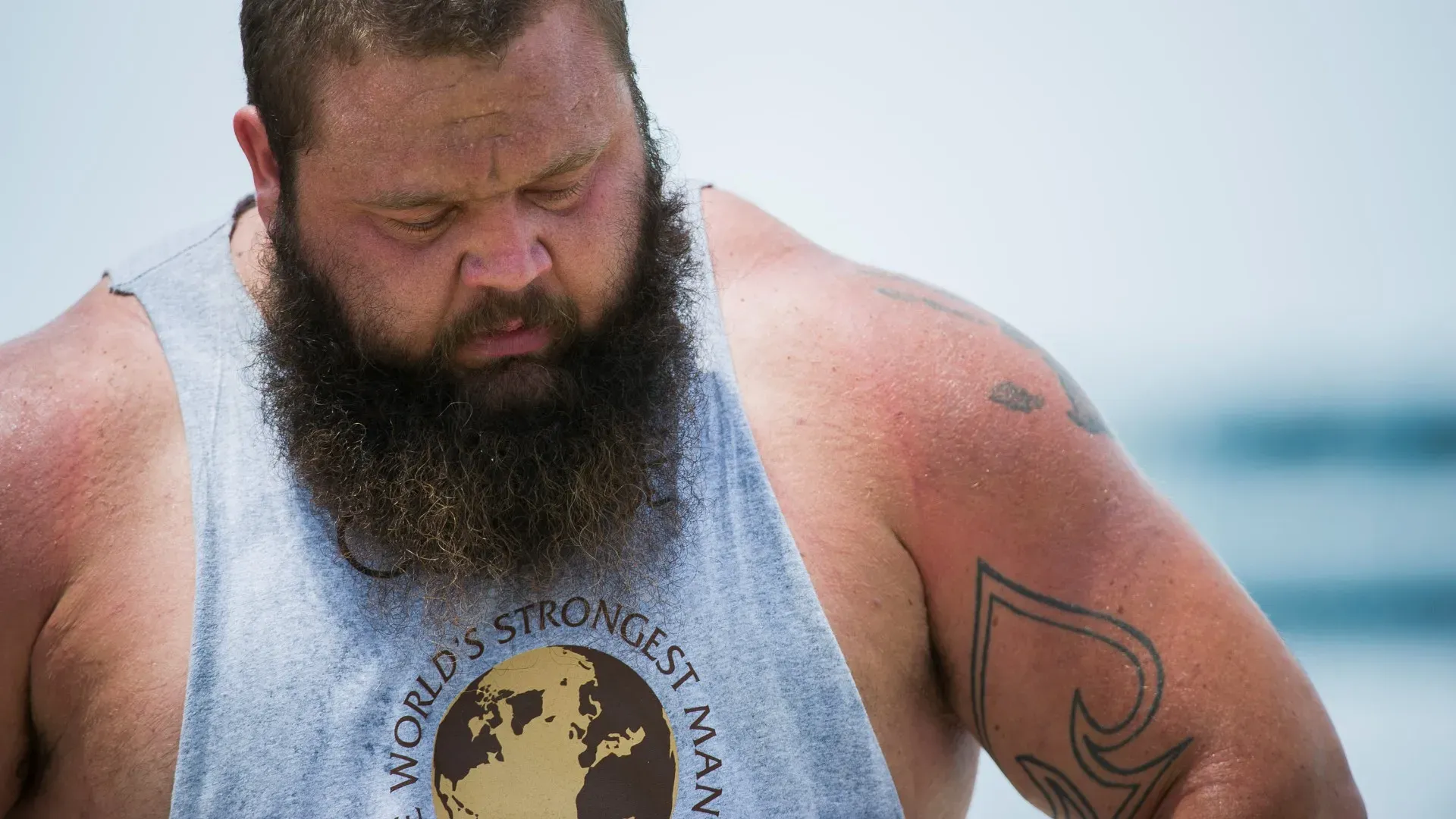
Robert Oberst, widely recognized in the strength sports community as a top-tier professional strongman, saw a significant escalation in his public profile and earning potential around 2018. During this period, his net worth—typically estimated to range between $1 million and $2 million based on public earnings reporting—was derived from a diverse combination of contest winnings, high-profile media appearances, sponsorships, and his growing digital presence.
The Professional Evolution of Robert Oberst
To understand the financial standing of a professional strongman, one must first recognize that the career path is distinct from traditional professional sports like football or basketball. In 2018, Robert Oberst was at a career high point, having established himself as one of the most recognizable faces in the World’s Strongest Man (WSM) circuit.
By 2018, Oberst had already transitioned from a successful collegiate football player at Western Oregon University to a full-time strength athlete. His massive physical frame—standing at 6’7” and weighing over 400 pounds—made him a marketing asset for supplement companies and fitness equipment brands. Unlike athletes who rely solely on team salaries, professional strongmen generally operate as independent contractors, making their net worth highly dependent on their ability to build a personal brand.
Revenue Streams in 2018
The financial makeup of a strongman’s net worth is rarely public, but for an athlete of Oberst's stature in 2018, the income originated from four primary pillars:
- Competition Prize Money: While the top tier of strongman competitions offers significant purses, the reality is that the margin between travel costs and winnings is often razor-thin for all but the top five athletes. Oberst’s consistent qualification for the WSM finals during this era provided both direct income and the credibility required for larger endorsement deals.
- Endorsement and Sponsorship Agreements: This was the primary driver of wealth for Oberst in 2018. Partnerships with major sports nutrition companies and specialized equipment manufacturers allowed him to leverage his social media following. In the fitness industry, an athlete’s value is tied to their "influencer" status, and Oberst’s ability to communicate with his audience made him highly desirable to brands.
- Digital Content and Media Appearances: 2018 was a year where the transition from traditional television to digital content hit its stride. Oberst leveraged YouTube and Instagram to monetize his training, lifestyle, and personality. His appearance on media platforms and collaborative videos with other strength icons expanded his reach, further increasing his commercial value.
- Public Appearances and Seminar Fees: High-level strength athletes often supplement their income by hosting workshops, seminars, and making appearances at fitness expos. These events are lucrative, providing a stable, non-competition-based income stream that is crucial for professional longevity.
Comparative Financial Context: The Strongman Industry
It is essential to contextualize Oberst’s financial status by looking at the broader economic reality of the sport of strongman during the late 2010s. Unlike the NFL or NBA, where league minimums and salary caps are clearly defined, strongman is an industry defined by decentralized earnings.
| Income Component | Potential Impact on Net Worth (Estimated) |
|---|---|
| Competition Winnings | Variable (Performance dependent; low base) |
| Long-term Sponsorships | High (Consistent, contract-based) |
| Content Creation | Moderate (Ad revenue and brand deals) |
| Seminars/Appearances | Moderate (Scalable based on demand) |
The volatility of competition-based income means that the most successful athletes are those who treat their athletic careers as small businesses. In 2018, Oberst was effectively a small business owner, managing his own brand identity, social media presence, and contract negotiations.
Managing Wealth and Personal Branding
The growth of an athlete’s net worth often coincides with a shift in their professional activities. By 2018, Oberst was not just an athlete; he was a personality. This shift is common in strength sports, as it creates a buffer against the physical toll of the sport. Professional strongman training is notoriously taxing, and the risk of injury is high. Athletes who pivot toward media-centric roles often secure their financial future more effectively than those who focus solely on physical output.
In 2018, the "Robert Oberst" brand was synonymous with raw power and a "no-nonsense" persona that resonated with a large segment of the fitness-conscious public. This brand equity allowed him to command higher fees for appearances and product endorsements, essentially separating his financial success from his competition results.
The Impact of Social Media and Digital Reach
Social media in 2018 was fundamentally changing how athletes were compensated. Prior to the rise of platforms like Instagram and YouTube, an athlete’s value was determined largely by judges and competition organizers. By 2018, an athlete’s value was determined by their followers.
Oberst utilized these platforms to show the "behind-the-scenes" of his training, which humanized a sport that many people found intimidating. By showing the dietary struggles, the logistical challenges of travel, and the recovery process, he built a loyal base that advertisers were eager to reach. This digital presence served as a persistent advertisement for his services, long after the competitions themselves concluded.
FAQ: Robert Oberst and Professional Strongman Finances
How is a strongman's net worth calculated? Net worth for professional athletes in niche sports is typically estimated by aggregating known sponsorship contracts, estimated competition earnings, and media-related income. It does not account for business expenses like travel, specialized nutrition, and medical care, which significantly reduce the "take-home" portion.
Did Robert Oberst's career in 2018 significantly change his financial standing? Yes. By 2018, Oberst was firmly established in the public eye, which transitioned him from an athlete who competes for prize money into a public figure who generates consistent revenue through brand partnerships and digital media.
Are professional strongman earnings stable? Generally, no. Competition earnings are intermittent and based on performance, which is subject to injury and health. The most stable financial path for a professional strongman is through long-term sponsorship contracts and personal branding.
What is the role of sponsors in the career of a strongman? Sponsors are the lifeblood of the professional strongman industry. Because the sport lacks a massive, standardized TV deal comparable to major league sports, athletes rely on private companies to subsidize the high costs of training and global travel.
Next Steps for Financial Research
For those interested in the financial side of strength sports, it is recommended to follow the official disclosures provided by event organizations such as the World’s Strongest Man or the Giants Live series. While individual contracts remain private, reviewing the growth of these platforms can provide insight into the industry’s overall economic health. Investors or fans looking to support the sport should focus on purchasing products from companies that openly sponsor these athletes, as this directly fuels the professional ecosystem that makes high-level strongman competition possible.