The transmission fluid change interval for a 2018 Honda CR-V typically falls between 30,000 and 60,000 miles, depending heavily on driving conditions, towing habits, and the vehicle's Maintenance Minder system alerts. While the 2018 Honda CR-V utilizes either a Continuously Variable Transmission (CVT) or a traditional automatic depending on the trim, maintaining fresh fluid is critical for preventing internal belt slip, clutch wear, and costly mechanical failure.
Understanding the 2018 Honda CR-V Transmission System
The 2018 model year represents a significant generation for the Honda CR-V, characterized by its widespread adoption of advanced powertrain technologies. To properly evaluate the transmission fluid change interval, drivers must first understand what type of transmission is installed in their specific vehicle trim, as fluid requirements and mechanical demands vary significantly.
CVT vs. Traditional Automatic Transmissions
Lower-level trims (LX) of the 2018 Honda CR-V are powered by a 2.4-liter naturally aspirated four-cylinder engine paired with a traditional, direct-stepping automatic transmission in some global markets, though North American LX, EX, EX-L, and Touring trims largely rely on a Continuously Variable Transmission (CVT) mated to a 1.5-liter turbocharged engine.
A CVT does not use fixed metal gears like a conventional automatic transmission. Instead, it utilizes a sophisticated system of variable-width pulleys connected by a high-strength steel push-belt. The transmission fluid in a CVT must perform a vastly different set of tasks compared to fluid in a traditional planetary-gear automatic:
- High-Pressure Friction Management: The fluid must provide both extreme-pressure lubrication for bearings and specific frictional characteristics to prevent the steel belt from slipping against the pulley faces under heavy load.
- Shear Stability: Because the belt and pulleys constantly shift ratios under high hydraulic pressure, the fluid is subjected to severe mechanical stress that can break down its viscosity over time.
- Thermal Management: Turbocharged engines generate substantial under-hood heat, and CVTs are particularly sensitive to high operating temperatures, making clean fluid essential for cooling internal components.
The Official Maintenance Schedule and Maintenance Minder
Honda does not publish a rigid, one-size-fits-all mileage schedule for transmission fluid changes in the owner's manual. Instead, the manufacturer relies on its onboard Maintenance Minder system, which continuously analyzes driving habits, engine temperatures, idling time, and speed to calculate fluid degradation.
Decoding Maintenance Code 3
When service is required, the 2018 Honda CR-V dashboard will display a main service code (A or B) along with sub-codes. Sub-code 3 specifically indicates that the transmission fluid needs to be replaced.
- Average Mileage Interval: For most drivers operating under normal conditions, code 3 typically triggers between 30,000 miles and 60,000 miles.
- First Service Milestones: Many technicians and experienced mechanics recommend performing the very first CVT fluid change closer to the 30,000-mile mark. This initial service flushes out any microscopic break-in metallic debris generated during the manufacturing and early wear-in phase of the new belt and pulleys.
- Subsequent changes can then safely follow the Maintenance Minder prompts or a strict 30,000-to-45,000-mile interval for vehicles exposed to heavy strain.
| Driving Environment | Recommended Transmission Fluid Interval | Primary Technical Reason |
|---|---|---|
| Normal Highway Driving | Every 45,000 to 60,000 miles | Low thermal load, consistent operating speeds, minimal pulley slip. |
| Severe Service (City/Hills/Towing) | Every 30,000 miles | Frequent ratio changes, high heat generation, accelerated fluid breakdown. |
| First Service (Break-in) | 30,000 miles | Removes microscopic metallic wear particles from initial belt-and-pulley seating. |
Severe Driving Conditions That Shorten the Interval
The factory manual outlines several operating conditions categorized as "severe." If a 2018 Honda CR-V regularly encounters these environments, the transmission fluid degrades at an accelerated rate, meaning waiting for standard mileage thresholds can lead to premature wear.
Stop-and-Go Commuting and Urban Driving
Drivers who spend hours daily in heavy bumper-to-bumper city traffic subject their transmission to constant shifting and high fluid temperatures. Unlike highway cruising where airflow cools the transmission housing and the fluid remains at a stable pressure, city driving creates continuous hydraulic friction and heat spikes.
Mountainous Terrain and Extreme Temperatures
Operating in steep, hilly areas forces the CVT to constantly alter its drive ratios to maintain momentum up and down inclines. This places extreme clamping pressure on the pulleys. Additionally, ambient temperatures exceeding 90°F (32°C) or freezing winter conditions require the fluid to work harder to maintain proper viscosity across wide temperature ranges.
Light Towing and Cargo Weight
While the 2018 Honda CR-V is not rated for heavy towing (maximum towing capacity is capped at 1,500 pounds when properly equipped), hauling frequent heavy cargo loads or roof carriers increases the gross vehicle weight rating strain. This added resistance forces the transmission to run hotter, breaking down the anti-wear additives in the fluid much faster.
Consequences of Neglecting Transmission Fluid Changes
Failing to change the transmission fluid in a 2018 Honda CR-V on time compromises the mechanical integrity of the entire powertrain. Transmission fluid contains detergents, anti-foaming agents, and friction modifiers that deplete over thousands of miles.
Valve Body Contamination and Solenoid Failure
As fluid breaks down, microscopic wear particles and sludge accumulate in the transmission. The valve body—which controls the hydraulic pressure routing through narrow channels and microscopic solenoids—is exceptionally sensitive to debris. Contaminated fluid can cause solenoids to stick, leading to sluggish acceleration, delayed engagement into Drive or Reverse, and erratic shifting behavior.
Belt Slip and Catastrophic CVT Failure
In extreme cases of neglected fluid, the friction characteristics degrade to the point where the steel belt can no longer maintain a secure grip on the pulley faces. Belt slip generates extreme localized heat, scoring the polished steel surfaces of the pulleys. Once the pulleys and belt are physically damaged, a simple fluid flush will not fix the issue, necessitating a complete transmission replacement costing thousands of dollars.
Genuine Honda Fluid Requirements
When servicing the transmission on a 2018 Honda CR-V, using the correct fluid formulation is non-negotiable. Universal or multi-vehicle transmission fluids often lack the precise frictional properties engineered specifically for Honda's proprietary transmission designs.
- For CVT Models: Always use Honda HCF-2 (Honda CVT Fluid Type 2). Pouring traditional automatic transmission fluid (ATF) or non-certified aftermarket CVT fluid into a Honda CVT can cause immediate belt slip, shuddering, and permanent internal damage.
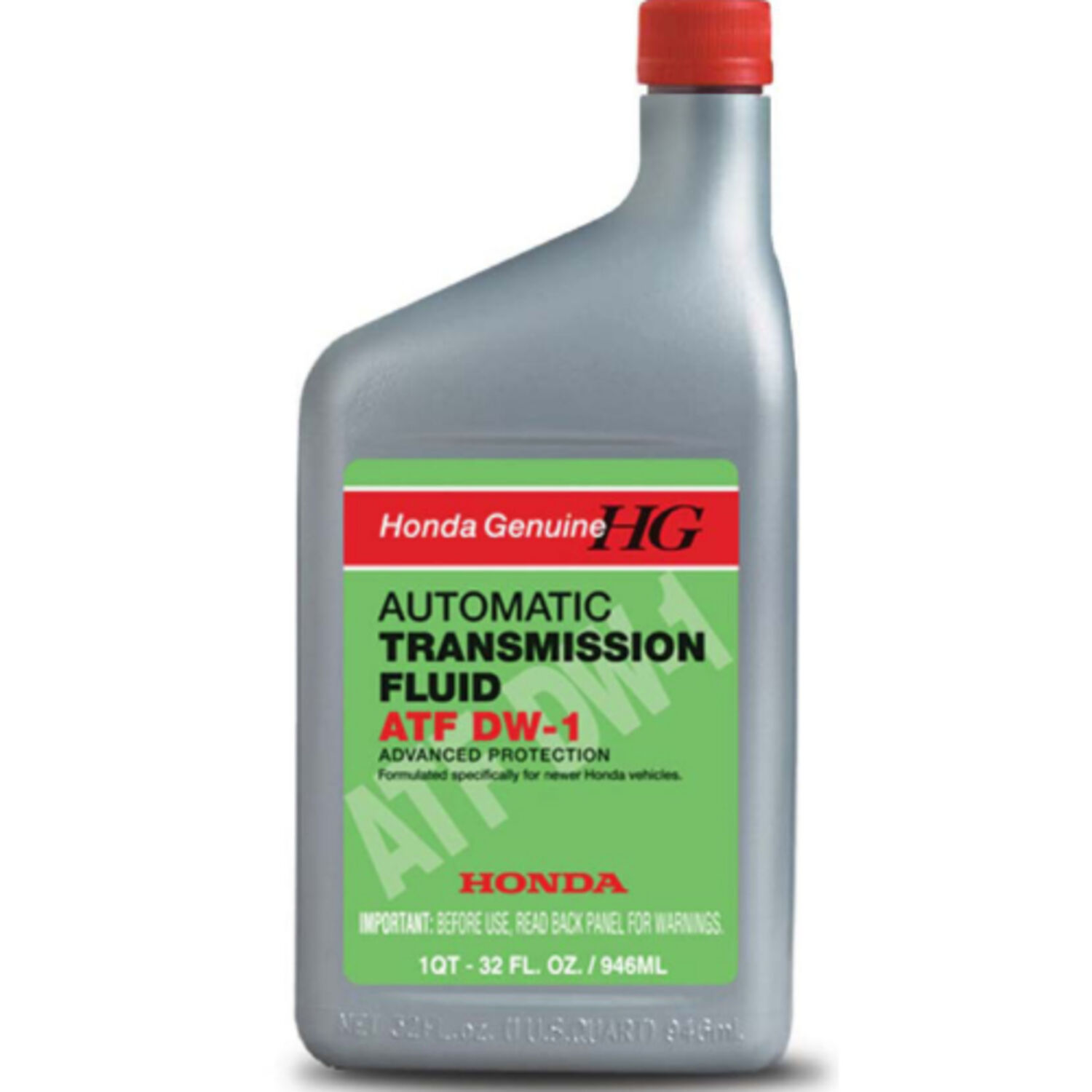
- For Traditional Automatic Models: If operating a non-CVT trim variant, use Honda ATF DW-1 (or the updated official equivalent specification).
Frequently Asked Questions
Can I use universal CVT fluid in my 2018 Honda CR-V?
No. Honda transmissions feature strict hydraulic and frictional specifications. Using generic or multi-vehicle CVT fluids can cause transmission shudder, delayed engagement, and premature internal wear. Always insist on genuine Honda HCF-2 fluid.
Does a transmission fluid change replace all the fluid in the system?
A standard drain-and-fill procedure on a 2018 Honda CR-V typically replaces only about 3 to 4 quarts of the total capacity (which is roughly 8 to 9 quarts total), as a significant amount remains trapped in the torque converter and valve body. To achieve a more thorough refresh, some technicians perform a double drain-and-fill procedure.
Is there a transmission filter that needs to be replaced?
The 2018 Honda CR-V features an internal filter and, in some configurations, an external inline cartridge filter. While the internal filter is generally serviced only during a major transmission overhaul, checking whether your specific trim requires an external filter replacement during fluid service is recommended.
What are the warning signs that my transmission fluid is overdue for a change?
Common indicators include delayed shifting, a distinct whining or buzzing noise from the transmission area during acceleration, surging engine RPMs without a corresponding increase in vehicle speed (slipping), or a burning smell coming from under the hood.
Does highway driving mean I can ignore the Maintenance Minder?
No. Even during steady highway driving, thermal breakdown and mechanical shear gradually deplete the fluid's additives over time. Always adhere to either the Maintenance Minder alert or a maximum mileage cap of 60,000 miles to ensure longevity.
Final Recommendation and Next Actions
To protect the long-term reliability of your 2018 Honda CR-V, monitor your dashboard Maintenance Minder for code 3, and plan for an initial transmission fluid drain-and-fill by 30,000 to 45,000 miles if you drive in severe conditions. Always purchase genuine Honda HCF-2 fluid and verify that the technician performing the service follows proper fluid temperature and leveling procedures.