For the 2016 Honda Fit, the manufacturer-recommended cold tire pressure is 33 PSI (pounds per square inch) for the front tires and 32 PSI for the rear tires. These specifications apply to all trim levels, including the LX, EX, and EX-L, regardless of whether the vehicle is equipped with 15-inch or 16-inch wheels.
Proper tire maintenance is a cornerstone of vehicle safety and efficiency, particularly for a subcompact car like the 2016 Honda Fit (the third-generation "GK" model). Maintaining the correct air pressure ensures that the vehicle handles as intended, maximizes fuel economy, and prevents premature wear on the tire treads. This guide provides a detailed breakdown of the specifications, the technical operation of the Tire Pressure Monitoring System (TPMS), and troubleshooting steps for common inflation issues.
Recommended PSI Levels for the 2016 Honda Fit
While many vehicles use a uniform pressure for all four tires, the 2016 Honda Fit utilizes a staggered pressure setup to optimize its front-wheel-drive dynamics. Because the engine and transmission are located over the front axle, the front tires carry more weight and require slightly higher pressure (33 PSI) to maintain an optimal contact patch with the road. The rear tires, which carry less weight under normal driving conditions, are set to 32 PSI to balance ride comfort and stability.
Tire Specifications by Trim Level
The 2016 Honda Fit was released with two primary wheel and tire configurations. Despite the difference in wheel diameter and sidewall height, the recommended internal air pressure remains consistent across the lineup.
| Trim Level | Tire Size | Recommended Front PSI | Recommended Rear PSI |
|---|---|---|---|
| LX | 185/60R15 84T | 33 PSI | 32 PSI |
| EX | 185/55R16 83H | 33 PSI | 32 PSI |
| EX-L | 185/55R16 83H | 33 PSI | 32 PSI |
| Spare (All) | T135/80D15 99M | 60 PSI | 60 PSI |
It is important to note that these values are for cold tires. A "cold" tire is one that has sat for at least three hours or has been driven less than one mile. If you check your tires immediately after a long highway drive, the friction and road heat will cause the air inside to expand, resulting in a reading that is 2 to 6 PSI higher than the actual cold baseline. Do not "bleed" air out of hot tires to reach the 33/32 levels, as this will result in under-inflation once the tires cool down.
The 2016 Honda Fit Indirect TPMS Explained
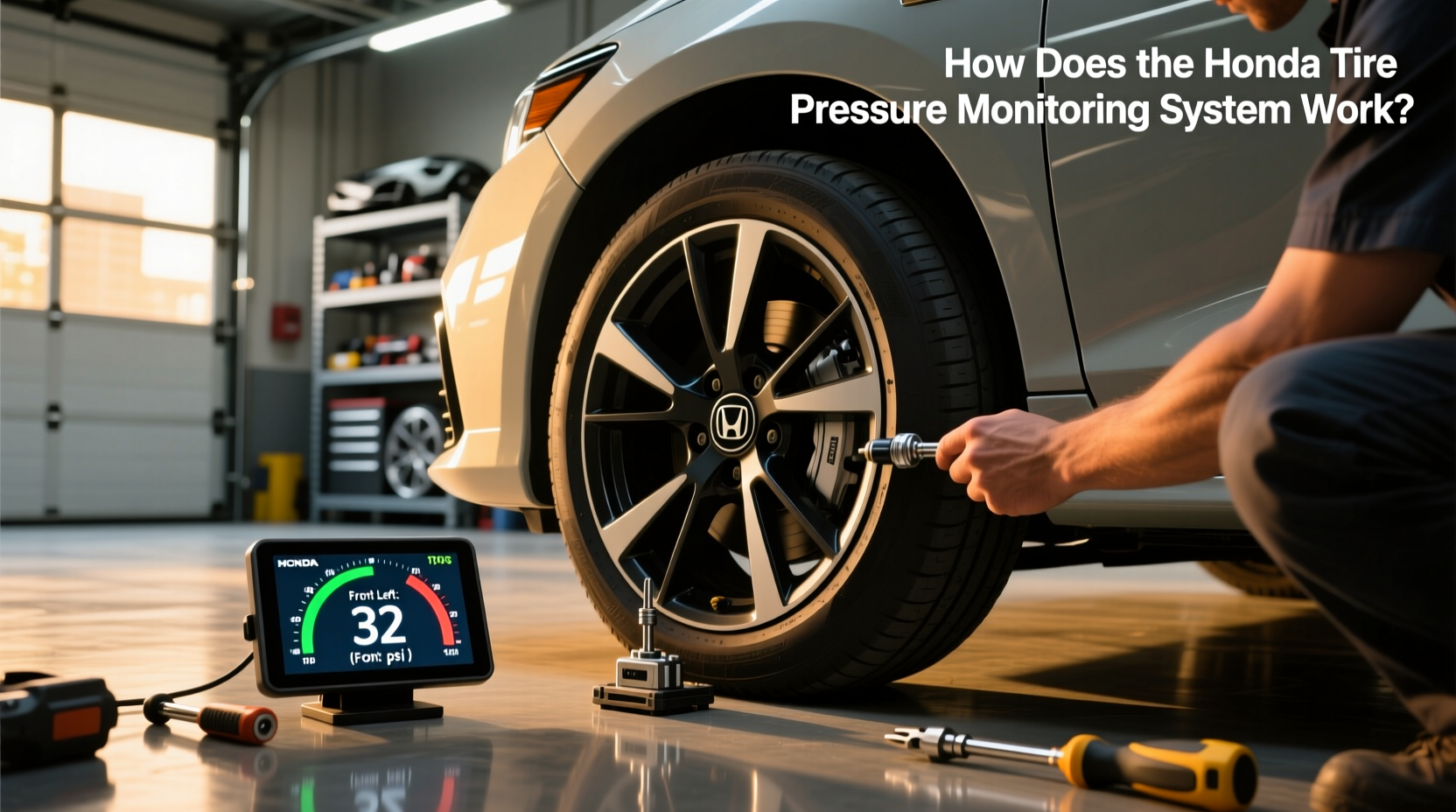
One of the most common points of confusion for 2016 Honda Fit owners is the Tire Pressure Monitoring System (TPMS). Unlike many other vehicles from this era that use battery-powered sensors mounted inside the tire (Direct TPMS), the 2016 Fit uses an Indirect TPMS.
How Indirect TPMS Works
Instead of measuring air pressure directly with a physical gauge inside the wheel, the Honda Fit uses the wheel speed sensors integrated into the Anti-lock Braking System (ABS) and Vehicle Stability Assist (VSA). When a tire loses air pressure, its diameter decreases slightly, causing it to spin at a different speed than the other tires to cover the same distance. The car’s onboard computer detects this discrepancy in rotational speed and triggers the low-pressure warning light on the dashboard.
Advantages and Limitations
The primary advantage of the indirect system is that there are no expensive sensors to replace when you get new tires or when a battery dies. However, the system is more sensitive to external factors. Factors such as uneven tire wear, driving on icy or sandy roads, or carrying an extremely heavy load can sometimes trigger a "false positive" warning light. Furthermore, the system must be manually re-calibrated every time you adjust the air pressure, rotate the tires, or replace them.
How to Reset and Calibrate the TPMS Light
If your TPMS light (the yellow icon resembling a horseshoe with an exclamation point) illuminates, your first step should always be to manually check the pressure in all four tires with a reliable gauge. Once you have confirmed that the tires are set to 33 PSI front and 32 PSI rear, you must initiate the calibration process.
Calibration for LX Trims (Button Method)
On the LX trim, which typically lacks the advanced touchscreen infotainment system, there is a physical button located on the lower left side of the dashboard, near the driver's knee.
- Ensure the vehicle is parked and the parking brake is set.
- Turn the ignition to the "ON" (II) position (do not start the engine, or keep it in park).
- Press and hold the TPMS button until the low tire pressure indicator blinks twice.
- The calibration process begins automatically and completes after approximately 20 minutes of cumulative driving between speeds of 30–65 mph.
Calibration for EX and EX-L Trims (Touchscreen Method)
For trims equipped with the 7-inch Display Audio touchscreen:
- Select the Home button on the screen.
- Go to Settings, then select Vehicle.
- Choose TPMS Calibration.
- Select Calibrate.
- The system will confirm that calibration has started. Similar to the button method, the car requires about 20 minutes of driving time to "learn" the new tire diameters.
Critical Note: If you do not drive the vehicle for the required amount of time after hitting "Calibrate," the system may not fully reset, and the light may reappear.
Factors Affecting Tire Pressure in 2026
As we move through 2026, many 2016 Honda Fit vehicles are reaching significant mileage milestones. Aging components can impact how well your tires hold pressure.
Temperature Fluctuations
Tire pressure is highly sensitive to ambient temperature. For every 10-degree Fahrenheit drop in outside temperature, a tire typically loses about 1 PSI. In many climates, the first cold snap of autumn often triggers the TPMS light. Conversely, as the weather warms up in the spring, your tires may become slightly over-inflated. Periodic checks at the start of each season are essential.
Valve Stem and Rim Integrity
In 2026, a 2016 model year vehicle is a decade old. Rubber valve stems can become brittle and develop micro-cracks over ten years, leading to slow leaks. Additionally, if you live in a region where road salt is used, the alloy wheels on EX and EX-L trims may develop corrosion around the "bead" (where the tire meets the metal rim). This corrosion can prevent a perfect seal, causing the tire to lose 1-2 PSI per week. If you find yourself refilling your tires frequently, have a technician inspect the rims and stems.
Impact of Cargo and Passengers
The Honda Fit is famous for its "Magic Seats" and surprising cargo capacity. However, the vehicle's Gross Vehicle Weight Rating (GVWR) is relatively low. If you are planning a long road trip with four adult passengers and a trunk full of luggage, your rear tires are under much more stress than during a solo commute. While Honda does not officially require increasing PSI for heavy loads, ensuring you are at the full 32 PSI in the rear (and not 28 or 29 PSI) is vital for maintaining tire structural integrity under load.
Consequences of Incorrect Tire Pressure
Ignoring the tire pressure requirements of your 2016 Honda Fit can lead to several negative outcomes, ranging from increased costs to safety hazards.
Under-Inflation Risks
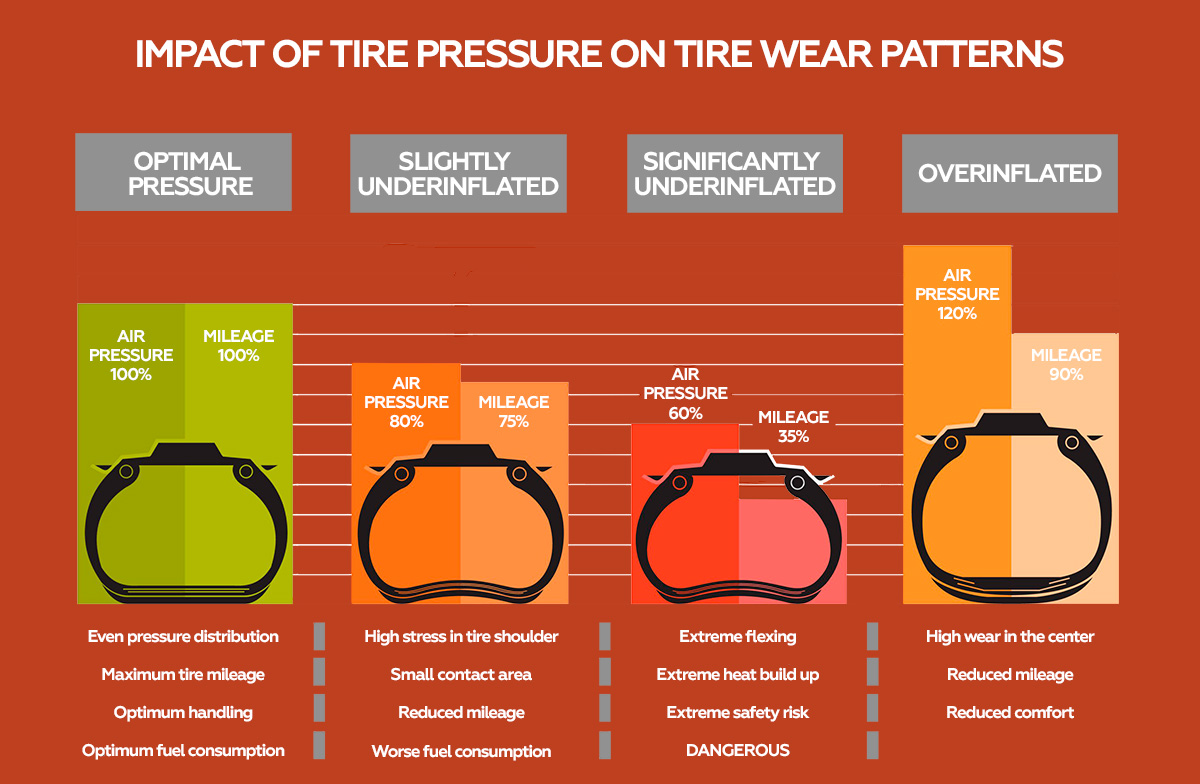
- Reduced Fuel Economy: Under-inflated tires have higher rolling resistance. The engine must work harder to move the car, which can decrease the Fit's impressive MPG ratings by 2% to 5%.
- Heat Buildup: Soft tires flex more, generating internal heat. This can lead to a "blowout," where the tire carcass fails structurally at highway speeds.
- Poor Steering Response: Low pressure in the front tires (below 33 PSI) can make the steering feel "heavy" or sluggish, especially during quick maneuvers.
Over-Inflation Risks
- Harsh Ride Quality: Because the Fit has a short wheelbase and a torsion beam rear suspension, over-inflated tires will transmit every bump and pothole directly into the cabin.
- Center Tread Wear: If tires are inflated significantly beyond 33/32 PSI, the center of the tread will bulge and wear out much faster than the shoulders, shortening the lifespan of the tire.
- Reduced Traction: An over-inflated tire has a smaller contact patch, which can increase braking distances on wet or slippery roads.
Selecting Replacement Tires for the Fit
As of 2026, there are numerous tire options available for the 2016 Honda Fit that can improve upon the original factory equipment. When selecting new tires, ensure they match the load index and speed rating of the original tires (84T for 15-inch or 83H for 16-inch).
- For Fuel Efficiency: Look for "Low Rolling Resistance" (LRR) tires. These are designed to complement the Fit's economy-focused engineering.
- For All-Weather Performance: If you live in an area with snow, consider "All-Weather" tires (which carry the Three-Peak Mountain Snowflake symbol) rather than standard All-Season tires. These provide better grip in cold temperatures without needing a dedicated winter set.
- For Noise Reduction: The 2016 Fit is known for having a somewhat noisy cabin at high speeds. Choosing a tire with a "QuietTrack" or "Silencing" tread pattern can significantly improve the driving experience.
Frequently Asked Questions
Why does my TPMS light stay on after I put air in the tires?
The 2016 Honda Fit uses an indirect system that does not reset itself automatically. You must manually initiate the calibration via the dashboard button or the infotainment screen and then drive the vehicle for approximately 20 minutes at consistent speeds. If the light stays on after two calibration attempts, there may be a fault in the ABS/VSA system or one tire may have a puncture that is causing it to lose air faster than the system can calibrate.
Can I use 35 PSI in all four tires to make things easier?
While 35 PSI is safe and won't cause an immediate failure, it is not recommended for daily use. Over-inflating the rear tires by 3 PSI will make the back of the car feel more "bouncy" over bumps. Sticking to the 33/32 split designed by Honda engineers ensures the best balance between comfort and handling.
Does the 2016 Honda Fit have a tire pressure display?
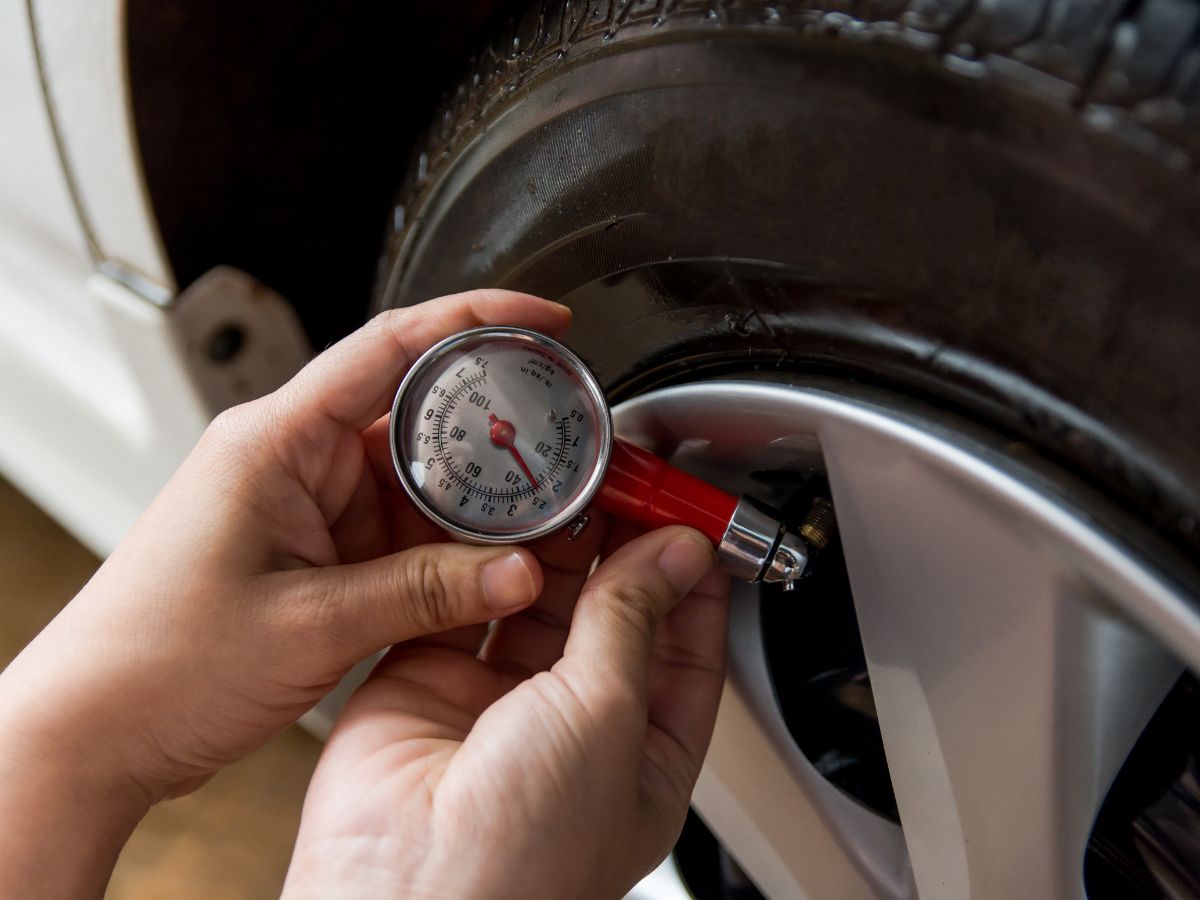
No. Because the 2016 Fit uses an indirect TPMS, it cannot display the specific numerical PSI for each tire on the dashboard. It can only alert you when it detects that one or more tires are significantly lower than the others based on rotational speed. You must use a handheld tire pressure gauge to find the specific readings.
What should I do if the TPMS light flashes?
If the TPMS indicator light flashes for about one minute and then stays illuminated, it indicates a malfunction in the monitoring system itself, rather than a low-pressure condition. This is often caused by using a spare tire, having significantly different tread depths on the same axle, or a fault in the ABS sensors.
How often should I check my Fit's tire pressure?
In 2026, with the vehicle being roughly ten years old, it is best practice to check tire pressure once a month and before any long road trip. Even a perfectly sealed tire naturally loses 1 to 2 PSI per month through the microscopic pores of the rubber.
Final Recommendation for Owners
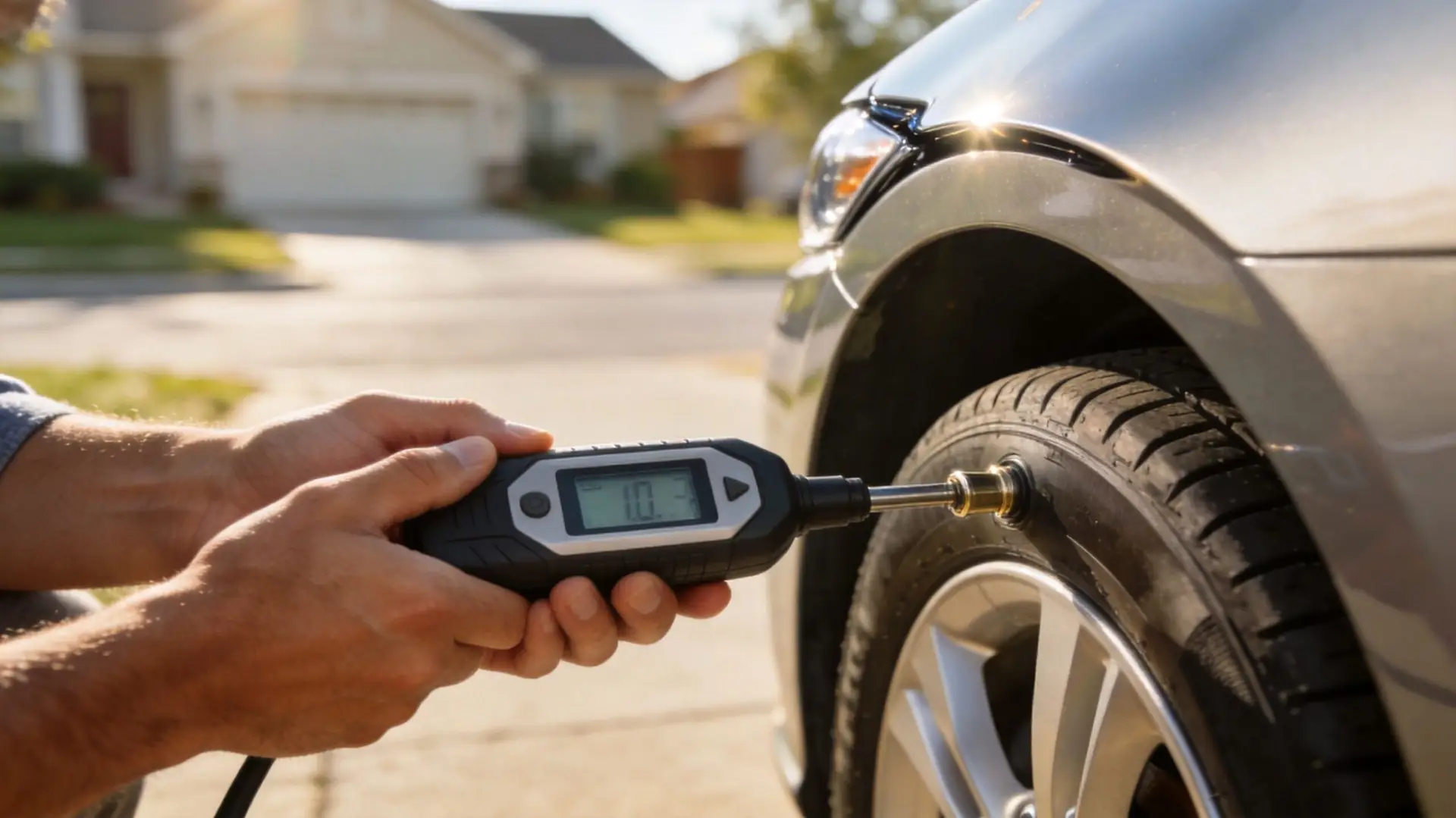
To ensure the longevity and safety of your 2016 Honda Fit, keep a high-quality digital tire pressure gauge in your glove box. Check your pressures on a cool morning before the sun has heated the tires. Always aim for the 33 PSI front / 32 PSI rear standard. If you frequently encounter "ghost" TPMS lights, ensure your tires are rotated every 5,000 to 7,500 miles, as uneven tread wear is the most common cause of indirect TPMS errors. Consistent maintenance not only keeps the warning lights off but also protects your investment in one of Honda's most versatile subcompact vehicles.