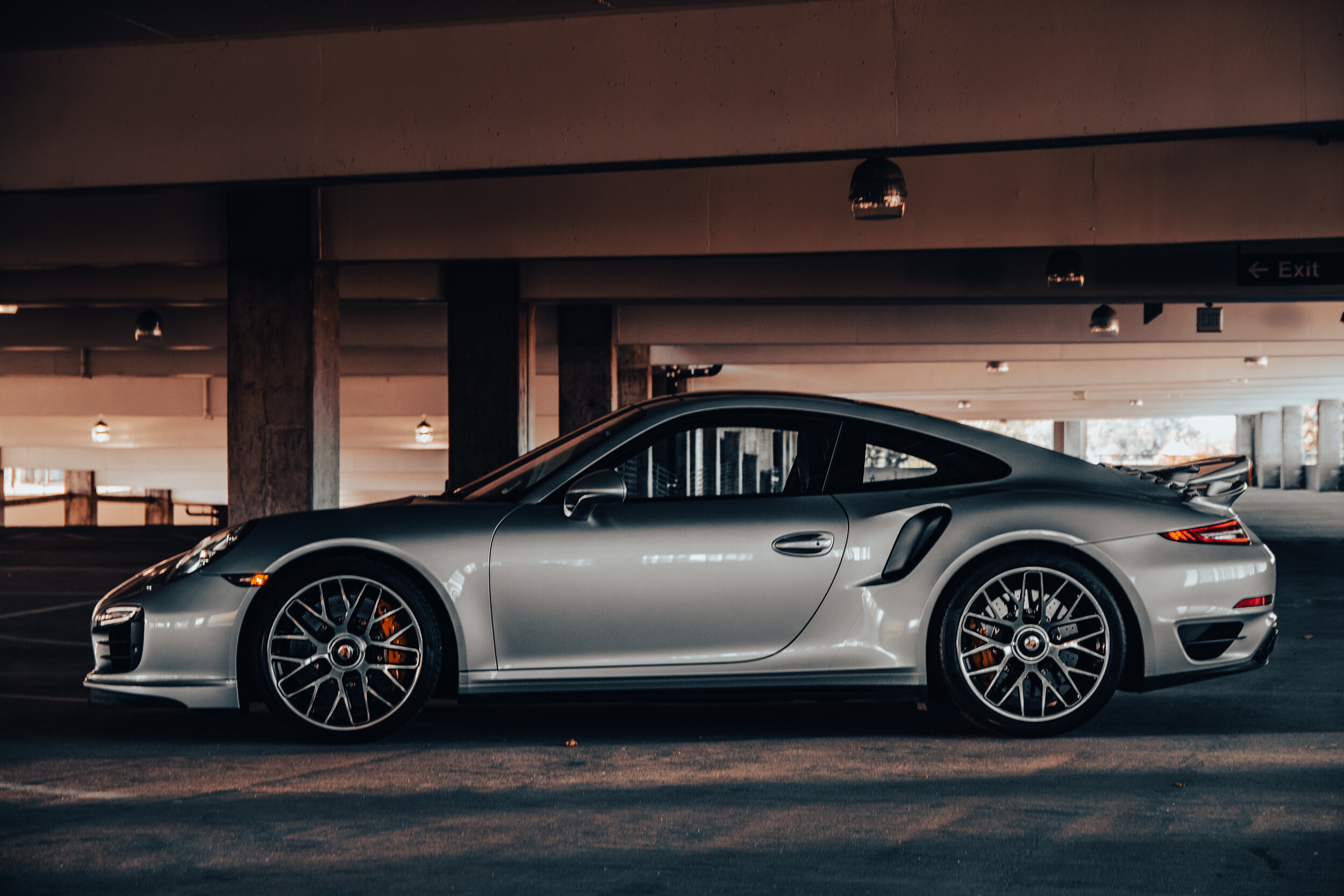
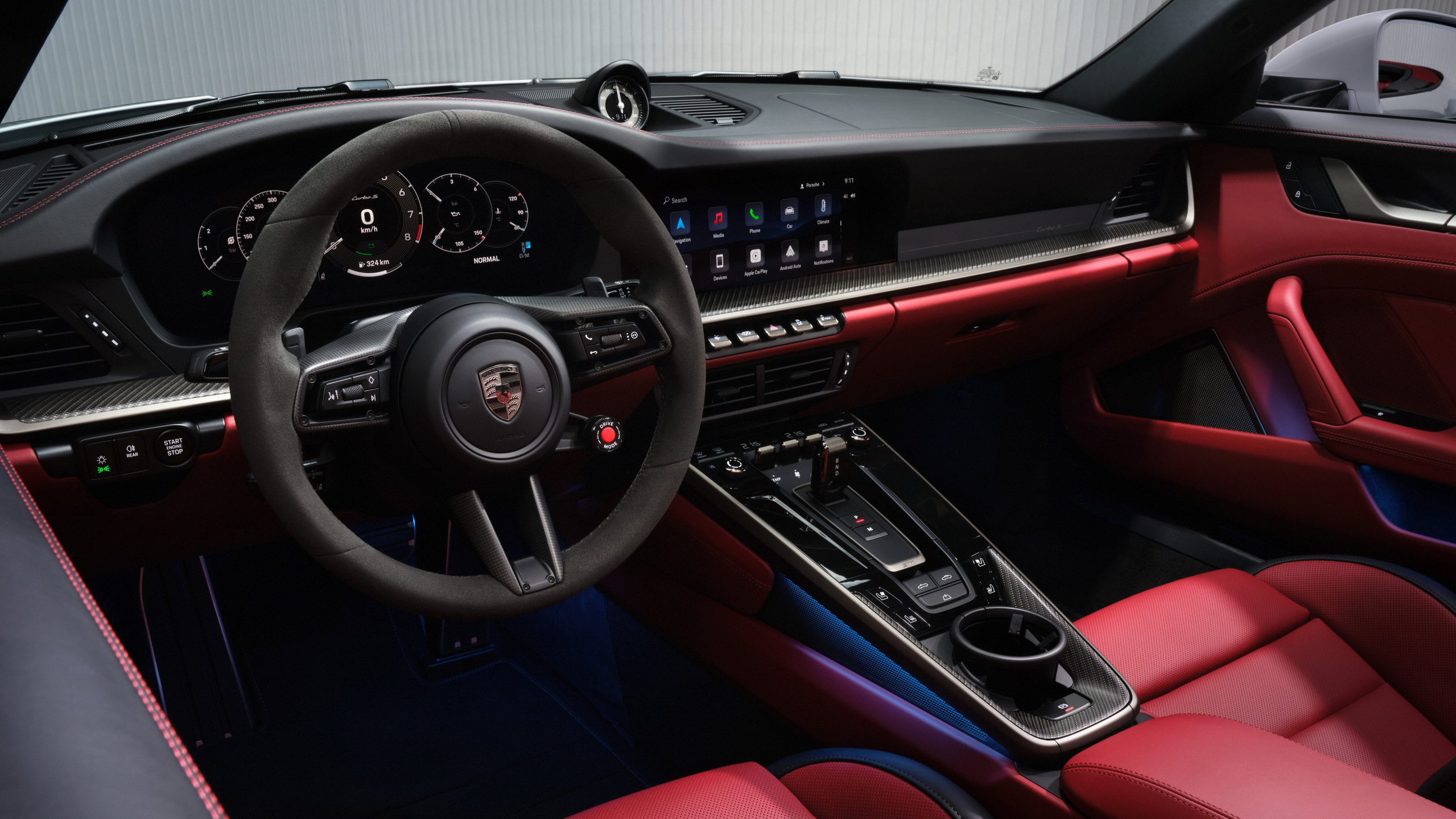
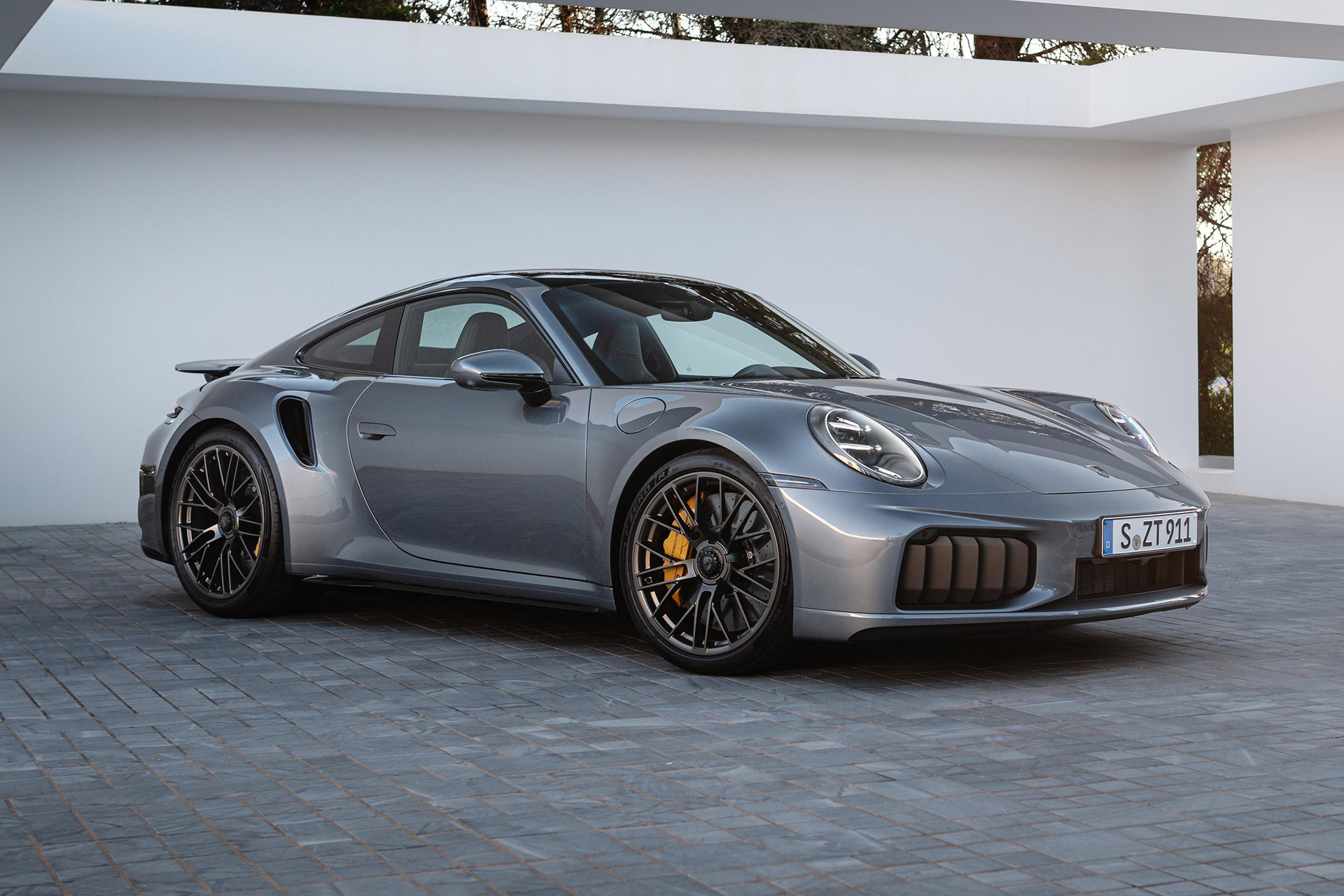
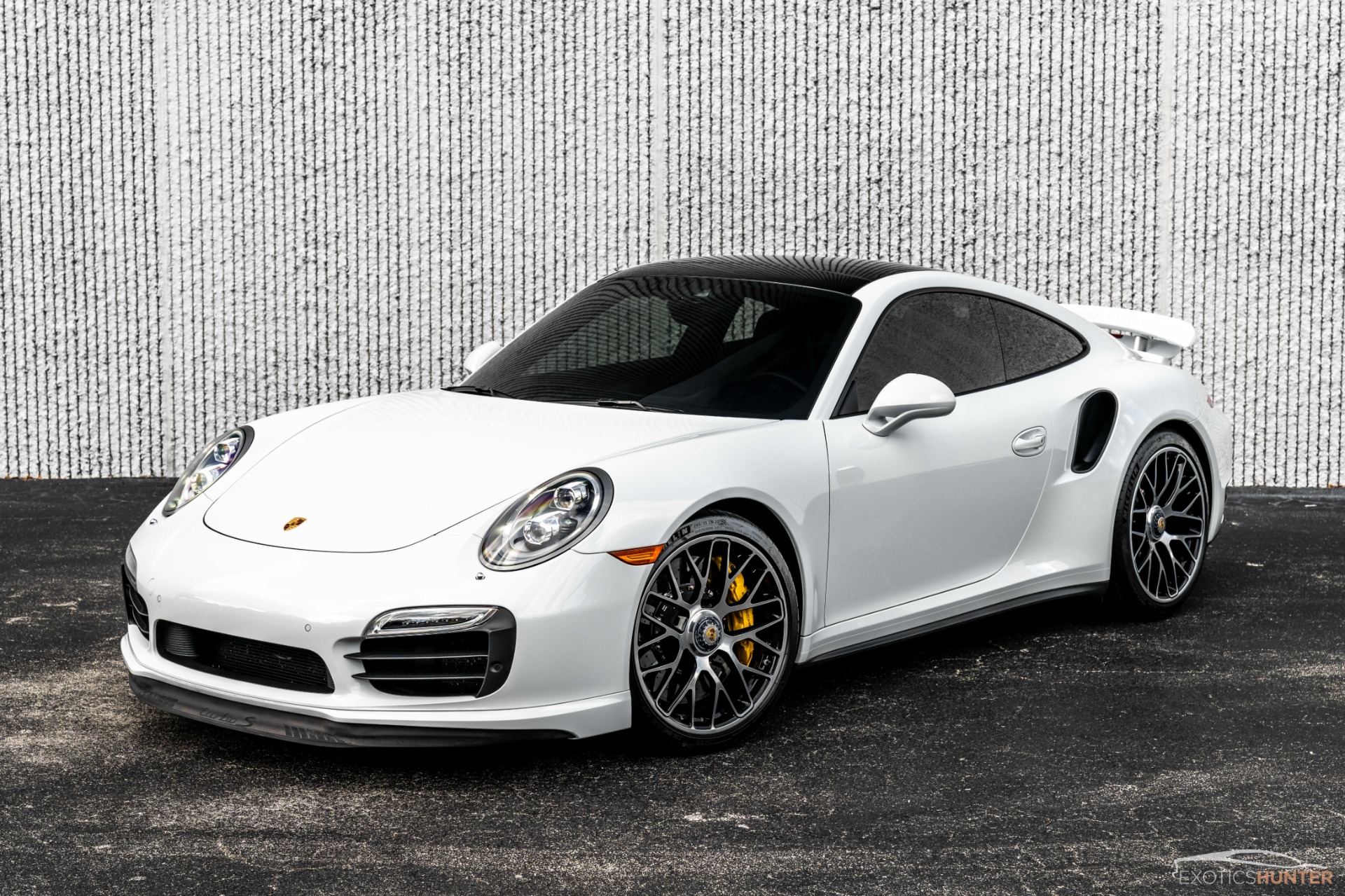
The 2015 Porsche 911 Turbo S is engineered to achieve a 0-60 mph sprint in approximately 2.9 to 3.1 seconds under optimal conditions. This performance is facilitated by its 3.8-liter twin-turbocharged flat-six engine, an advanced all-wheel-drive system, and the rapid-shifting seven-speed PDK dual-clutch transmission, cementing its status as one of the most capable production cars of its era.
The Engineering Behind the Acceleration
The 2015 Porsche 911 Turbo S (991.1 generation) represents a masterclass in forced-induction performance. At the heart of this vehicle is a 3.8-liter flat-six engine featuring two Variable Turbine Geometry (VTG) turbochargers. This technology allows the turbochargers to adjust the angle of their vanes, optimizing exhaust gas flow to minimize lag at low RPMs while providing massive boost at high engine speeds.
When a driver initiates a full-throttle launch, the engine management system works in tandem with the Porsche Doppelkupplungsgetriebe (PDK) transmission. The PDK, a seven-speed dual-clutch gearbox, is fundamental to the car's 0-60 mph performance. Unlike a manual transmission, which requires human intervention that inherently breaks torque delivery during shifts, the PDK pre-selects the next gear, allowing for near-instantaneous changes without interrupting the flow of power to the wheels.
Understanding Launch Control and Traction
Achieving the factory-stated 0-60 mph times requires the use of the vehicle's "Launch Control" feature. This system is part of the Sport Chrono Package, which was standard on the 2015 Turbo S. When engaged, the system optimizes the engine for maximum torque output at standstill and manages the traction control and all-wheel-drive systems to prevent wheel spin.
The all-wheel-drive system in the 991.1 Turbo S is electronically controlled and uses a multi-plate clutch to distribute power between the front and rear axles. By shifting power to the front wheels precisely when it detects rear-wheel slip, the system ensures that the 560 horsepower and 516 lb-ft of torque (which can briefly reach 553 lb-ft with overboost) are translated into forward motion rather than wasted energy in the form of tire spin.
Environmental and External Variables
While the 2015 Porsche 911 Turbo S is capable of sub-3-second sprints, real-world performance is rarely identical to controlled track data. Several variables influence whether a driver can replicate these figures on public roads or a drag strip:
- Tire Temperature and Compound: The Porsche-spec tires are engineered for specific grip characteristics. If the tires are cold, the coefficient of friction is significantly reduced, leading to traction loss at launch.
- Surface Quality: Drag strips utilize VHT (a traction compound) to ensure maximum grip. Public roads, even when dry, lack this surface preparation, often resulting in slightly slower acceleration times.
- Ambient Temperature and Altitude: Engines lose power at higher altitudes due to lower air density. Furthermore, extreme heat can trigger heat soak in the intercoolers, slightly reducing the engine's peak power output.
- Fuel Quality: Porsche calibrates the 911 Turbo S for high-octane fuel (typically 93 AKI in the United States). Using lower-octane fuel can lead the engine management system to pull timing, reducing power to protect the engine from detonation.
Technical Specifications for Performance
The 2015 model's performance metrics are a result of balancing raw power with sophisticated chassis electronics. The following table provides the key technical figures that define the Turbo S performance profile.
| Specification | Data Point |
|---|---|
| Engine Type | 3.8L Twin-Turbo Flat-Six |
| Horsepower | 560 hp @ 6,500–6,750 rpm |
| Torque | 516 lb-ft (553 lb-ft with Overboost) |
| Transmission | 7-Speed PDK |
| Drivetrain | All-Wheel Drive |
| Curb Weight | ~3,530 lbs |
| 0-60 mph Time | 2.9 – 3.1 Seconds |
| Top Speed | 197 mph |
Evolution of the 991 Series
It is important to contextualize the 2015 Turbo S within the broader 991 generation. The 991.1 introduced a longer wheelbase and a wider track compared to the preceding 997 generation, which significantly improved stability under hard acceleration. The 2015 model year benefited from the refined chassis geometry, which allowed the car to put power down with greater composure.
Unlike many competitors of the same era, the 2015 Turbo S was not designed as a track-day special but as an "everyday supercar." The ability to repeat a sub-3-second 0-60 launch back-to-back without the transmission overheating or needing a cooling-down period—a common issue with some high-performance vehicles of that decade—is a testament to the cooling efficiency of the Porsche engineering team.
Practical Tips for Optimal Performance
For owners or enthusiasts attempting to test the performance of a 2015 Porsche 911 Turbo S, safety and equipment health are paramount.
- Tire Pressure: Ensure tire pressures are set to the manufacturer's recommendations found on the driver-side door jamb. Incorrect pressures can disrupt the electronic stability systems.
- Maintenance: The PDK fluid and filter require periodic service. If the transmission fluid is aged, shift quality under extreme load may degrade, affecting the 0-60 time.
- Sport Plus Mode: Ensure the "Sport Plus" button is engaged. This mode changes the engine mapping, stiffens the Porsche Active Suspension Management (PASM), and alters the PDK shift strategy to hold gears until the redline.
- Clearance: Always perform high-speed acceleration tests in a controlled, legal environment. Public roads are not designed for the extreme forces generated by a vehicle of this caliber.
Comparison to Contemporary Supercars
When compared to its peers in 2015, the 911 Turbo S often outperformed cars with significantly higher price tags. The combination of the rear-engine weight bias—which puts more weight over the drive wheels for traction—and the sophisticated all-wheel-drive system gave it a distinct advantage off the line. While other manufacturers struggled with "launch jitter" or aggressive electronics that cut power too abruptly, the 911 Turbo S maintained a linear, relentless surge of acceleration that became a benchmark for the automotive industry.
Frequently Asked Questions
Does the 2015 Porsche 911 Turbo S require special tires to achieve a 0-60 time of under 3 seconds? Yes, the factory-recommended performance tires are essential. Using all-season or worn-out tires will result in excessive wheel slip and prevent the car from achieving its theoretical performance maximum.
Is it safe to use Launch Control frequently on the 911 Turbo S? Porsche designed the PDK and the drivetrain to handle repeated launches. However, like any mechanical component, frequent use of high-stress functions will increase wear on the clutch packs and drivetrain components over time.
How does the weight of the 2015 model affect its acceleration? The curb weight of approximately 3,530 lbs is relatively low for an all-wheel-drive supercar of this power level. This favorable power-to-weight ratio is the primary reason it can out-accelerate lighter, rear-wheel-drive vehicles that struggle with traction limitations.
What is the role of the Sport Chrono Package in performance? The Sport Chrono Package provides the necessary software to activate Launch Control and performance-oriented shift mapping. Without this package, the vehicle cannot execute the specialized "pre-launch" sequence required for the fastest possible acceleration.
Why does the engine power increase with "Overboost"? Overboost is a temporary function in the engine management software that allows for higher turbocharger boost pressures for a short duration (usually 10 to 20 seconds). It provides a temporary torque spike that aids in mid-range acceleration and launch performance.
Recommendation for Owners
To maintain the performance standards of your 2015 Porsche 911 Turbo S, prioritize a rigorous maintenance schedule. Specifically, ensure that the PDK transmission fluid is changed at the intervals specified by Porsche, as the transmission is the single most critical component in achieving repeatable high-performance launches. For those interested in verifying performance, utilize a GPS-based performance box (such as a VBOX) on a sanctioned drag strip to capture data accurately without the variance introduced by public road surfaces.