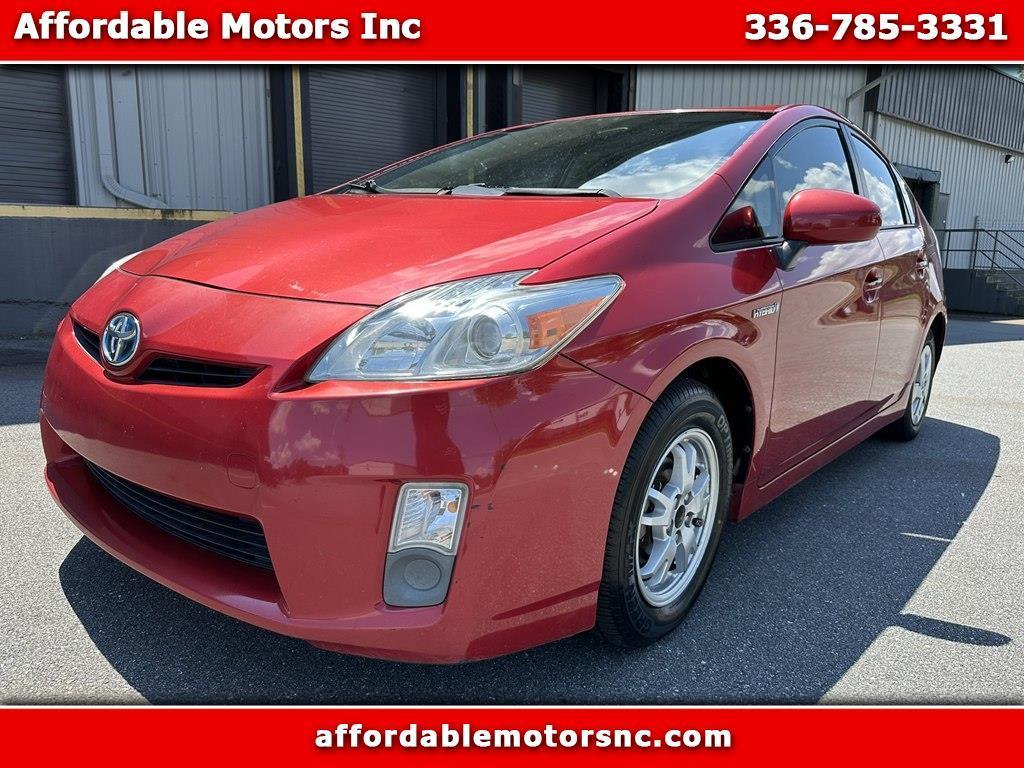
The 2010 Toyota Prius, representing the first model year of the third generation (XW30), currently holds a market valuation typically ranging from $4,000 to $8,500. This pricing fluctuates based on vehicle mileage, trim level (II, III, IV, or V), battery health, and regional demand for fuel-efficient hybrid transportation as of 2026.
The Evolution of the 2010 Toyota Prius
The 2010 model year was a watershed moment for Toyota. It introduced the third generation of the Prius, which moved to a larger 1.8-liter four-cylinder engine and an improved Hybrid Synergy Drive system. By 2026, these vehicles are considered "legacy hybrids." Their value is no longer tied to modern luxury features or high-end infotainment—which they lack—but rather to their established reputation for mechanical longevity and extreme fuel efficiency.
When assessing the value of a 2010 Prius, buyers and sellers must distinguish between the "base" model and the higher-tier trims. The trim hierarchy significantly impacts the resale price, as features like integrated navigation, leather seating, the Advanced Technology Package (which included adaptive cruise control and pre-collision systems), and LED headlamps can add thousands of dollars to the perceived market value.
Key Factors Influencing Market Valuation
The used car market does not treat all 2010 Toyota Prius units equally. Several non-negotiable variables dictate the final transaction price.
1. Hybrid Battery Status The Nickel-Metal Hydride (NiMH) battery is the most critical component in any 2010 Prius. By 2026, many original batteries have either been replaced or are nearing the end of their design life. A vehicle with a documented history of battery replacement by a Toyota dealer or a reputable independent hybrid specialist commands a significantly higher price—often justifying a $1,500 to $2,000 premium over a vehicle with the original, aging battery.
2. Mileage and Wear While these engines are capable of reaching 300,000 miles or more, the "sweet spot" for buyers in 2026 is between 120,000 and 160,000 miles. Vehicles with under 100,000 miles are becoming increasingly rare and are often listed at the top of the price range. Conversely, vehicles exceeding 200,000 miles require a deeper inspection of the suspension, wheel bearings, and electric water pump, which often serves as a downward pressure on the asking price.
3. Cosmetic Condition and Maintenance Records The XW30 generation is known for durable interiors, but the exterior paint and clear coat are prone to fading in high-sun regions. A complete folder of service records—specifically those indicating regular synthetic oil changes—is a major value multiplier. Lack of maintenance documentation often leads buyers to assume the worst, resulting in lower offers.
Current Market Comparison Table
The following table provides a general estimate for the 2010 Toyota Prius in fair-to-good condition as of early 2026.
| Condition | Mileage Range | Estimated Value Range |
|---|---|---|
| Excellent / Dealer-Serviced | 80k - 120k | $7,500 - $9,500 |
| Good / Well Maintained | 120k - 170k | $5,500 - $7,500 |
| Fair / High Mileage | 170k - 220k | $3,500 - $5,500 |
| Project / Battery Issues | 200k+ | $1,500 - $3,000 |
Note: These estimates are based on national market trends and do not account for local tax, registration, or dealer documentation fees.
Technical Considerations for Buyers
When shopping for a 2010 Prius today, you are essentially evaluating a vehicle that is over 15 years old. The following systems require specific verification beyond the standard pre-purchase inspection:
- EGR System Performance: The Exhaust Gas Recirculation (EGR) valve and cooler on the 2010 Prius are prone to carbon buildup. If this system is clogged, it can lead to engine misfires and eventual head gasket failure. Check if the seller has ever cleaned the EGR system; if not, you should factor the cost of this preventative maintenance into your offer.
- Oil Consumption: Some early 2010 models experienced higher-than-average oil consumption. Always ask the seller if the vehicle burns oil between changes.
- Water Pump: The electric water pump is a known failure point. If the vehicle has never had this component replaced, it is a prudent repair to budget for immediately after purchase to avoid engine overheating.
The Impact of Regional Demand
In 2026, the value of a 2010 Prius is highly sensitive to the local geography. In urban centers with high gas prices and strict emissions testing, these vehicles maintain a higher floor price. In regions where fuel costs are lower or where hybrid infrastructure is less robust, the prices tend to be more competitive. Before setting a price, check local online marketplaces to see the "days on market" for similar listings; a car that has been listed for more than 30 days is typically priced above the current local market equilibrium.
Common Mistakes When Valuing the 2010 Prius
The most common error is equating the price of a 2010 Prius with that of a more modern compact sedan. A 2010 Prius is not a luxury vehicle; it is a utilitarian transport tool. Overvaluing the car because it has "low miles" while ignoring that the hybrid battery is 16 years old is a common pitfall. Buyers should always check if the battery has been replaced, not just if the car has low mileage.
Another mistake is ignoring the trim level. A "Prius II" is significantly less valuable than a "Prius V" (the premium trim, not to be confused with the Prius V wagon model). Always verify the VIN (Vehicle Identification Number) to confirm the exact trim level before finalizing a price negotiation.
Frequently Asked Questions
Is a 2010 Toyota Prius still a reliable vehicle in 2026? Yes, the 2010 Prius remains remarkably reliable, provided it has been maintained. The Hybrid Synergy Drive is robust, but owners must be prepared to replace the auxiliary 12V battery and potentially the main hybrid battery pack, as these components have a finite lifespan.
How much does it cost to replace the hybrid battery? As of 2026, replacing a hybrid battery can range from $1,200 for a refurbished unit to $3,000 for a brand-new OEM Toyota battery installed at a dealership. When evaluating a used 2010 Prius, always ask if the battery is original; if it is, consider the cost of an imminent replacement when negotiating your purchase price.
Does the 2010 Prius have major known mechanical issues? The primary concerns are the EGR valve clogging and potential head gasket failure if the EGR system is not serviced. Some owners also report moderate oil consumption as the engine reaches higher mileage. Regular oil changes and cooling system maintenance are the best defenses against these issues.
Is the "Prius V" different from the standard 2010 Prius? Yes. In 2010, the "V" was a trim level of the standard liftback, representing the top-tier version with premium features like the Advanced Technology Package. This should not be confused with the later, standalone "Prius v" (lowercase 'v') wagon model, which was a different vehicle entirely.
Should I buy a 2010 Prius from a private seller or a dealer? Private sellers typically offer lower prices, but dealers may offer basic warranties or at least a cleaner title process. Given the age of the 2010 model, a private seller who has kept meticulous service records is often a better source than a dealership, which may have purchased the vehicle at an auction with unknown maintenance history.
Final Recommendation
If you are considering purchasing a 2010 Toyota Prius, your best next action is to request a dedicated hybrid health check from a mechanic specializing in Toyota systems. This report, which costs significantly less than a new battery, will provide the true state of the hybrid cells and the EGR system. If the seller refuses this, treat it as a red flag. Aim to purchase a vehicle that has documented evidence of a hybrid battery replacement within the last 5 to 7 years to ensure the best long-term value for your investment.