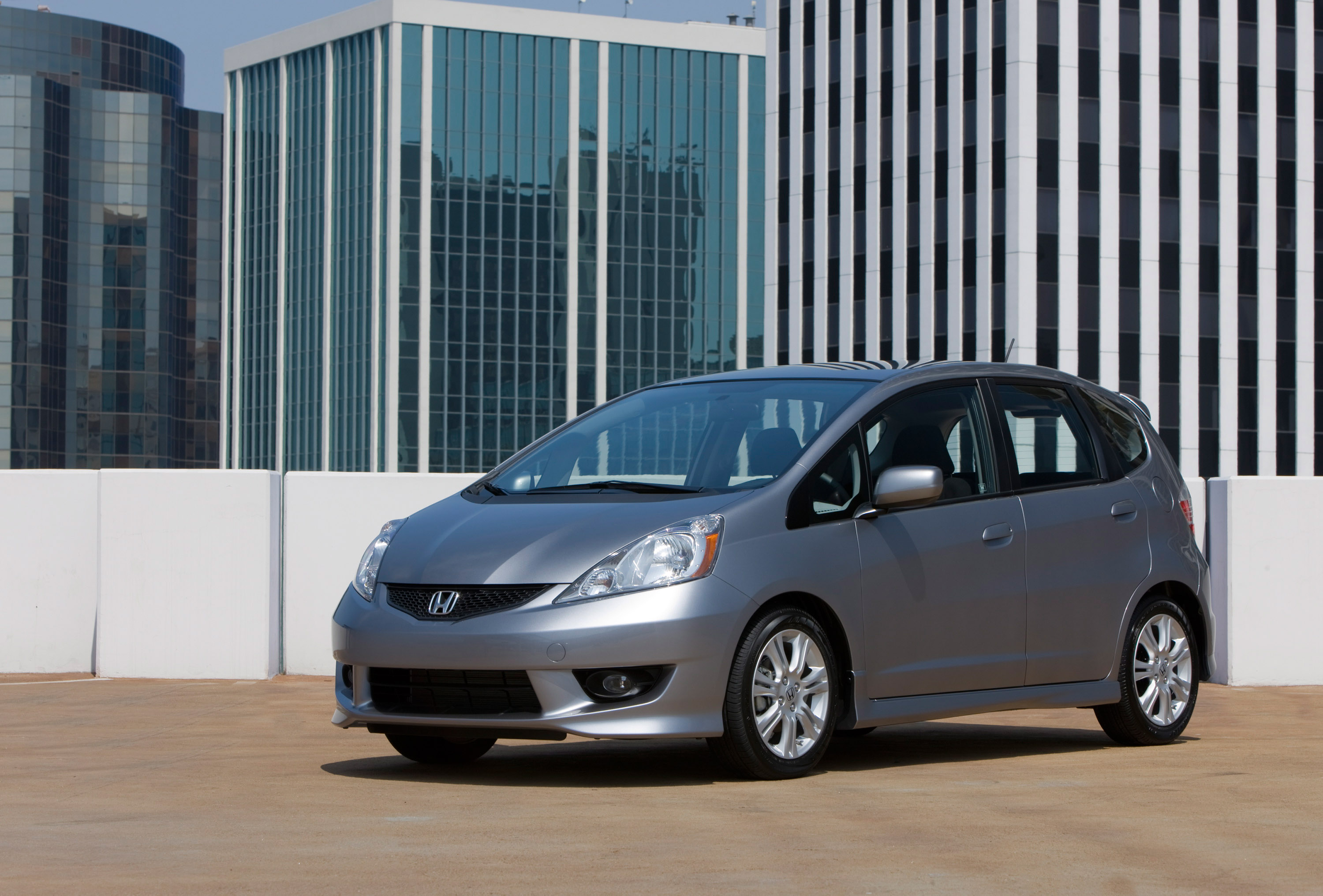
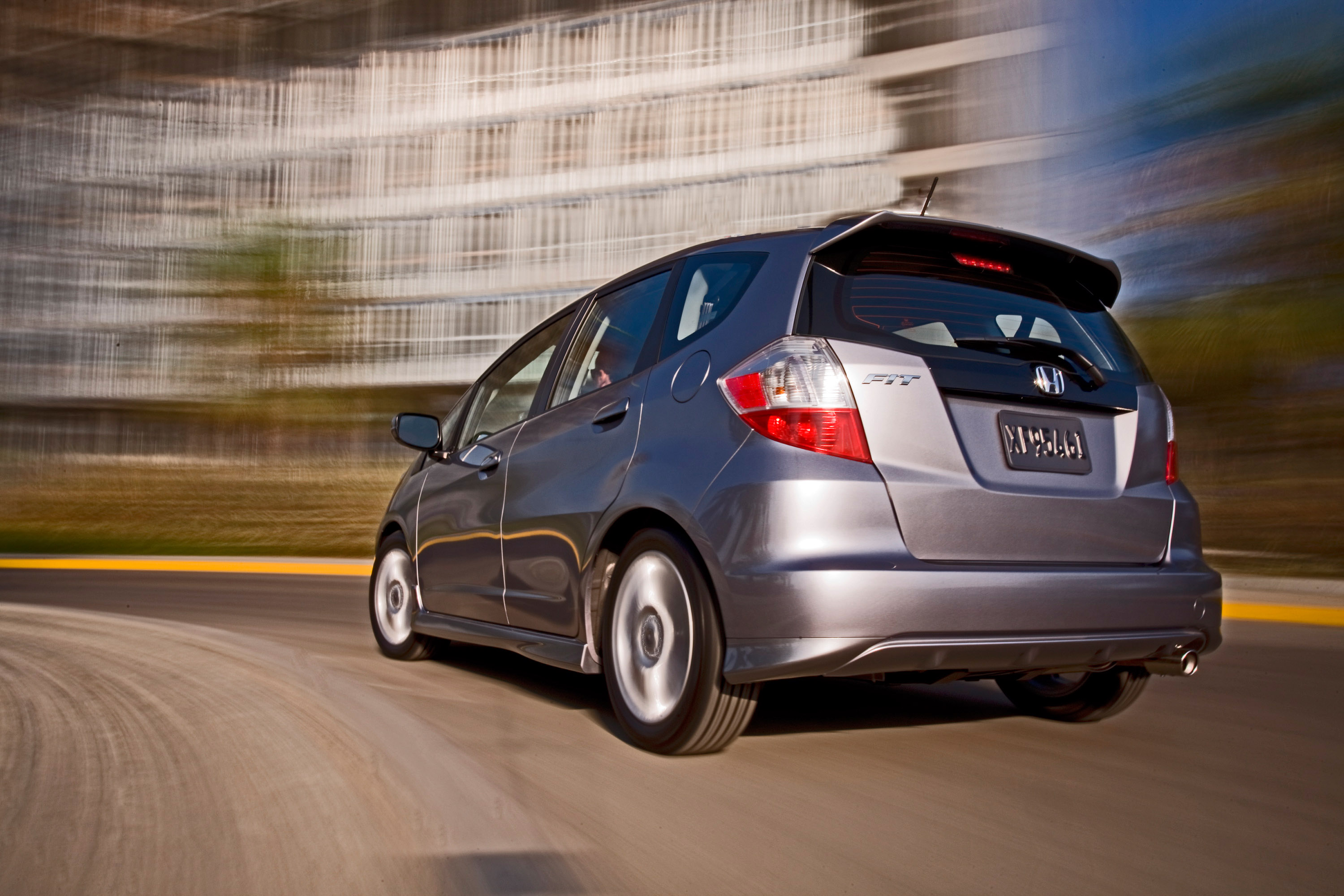
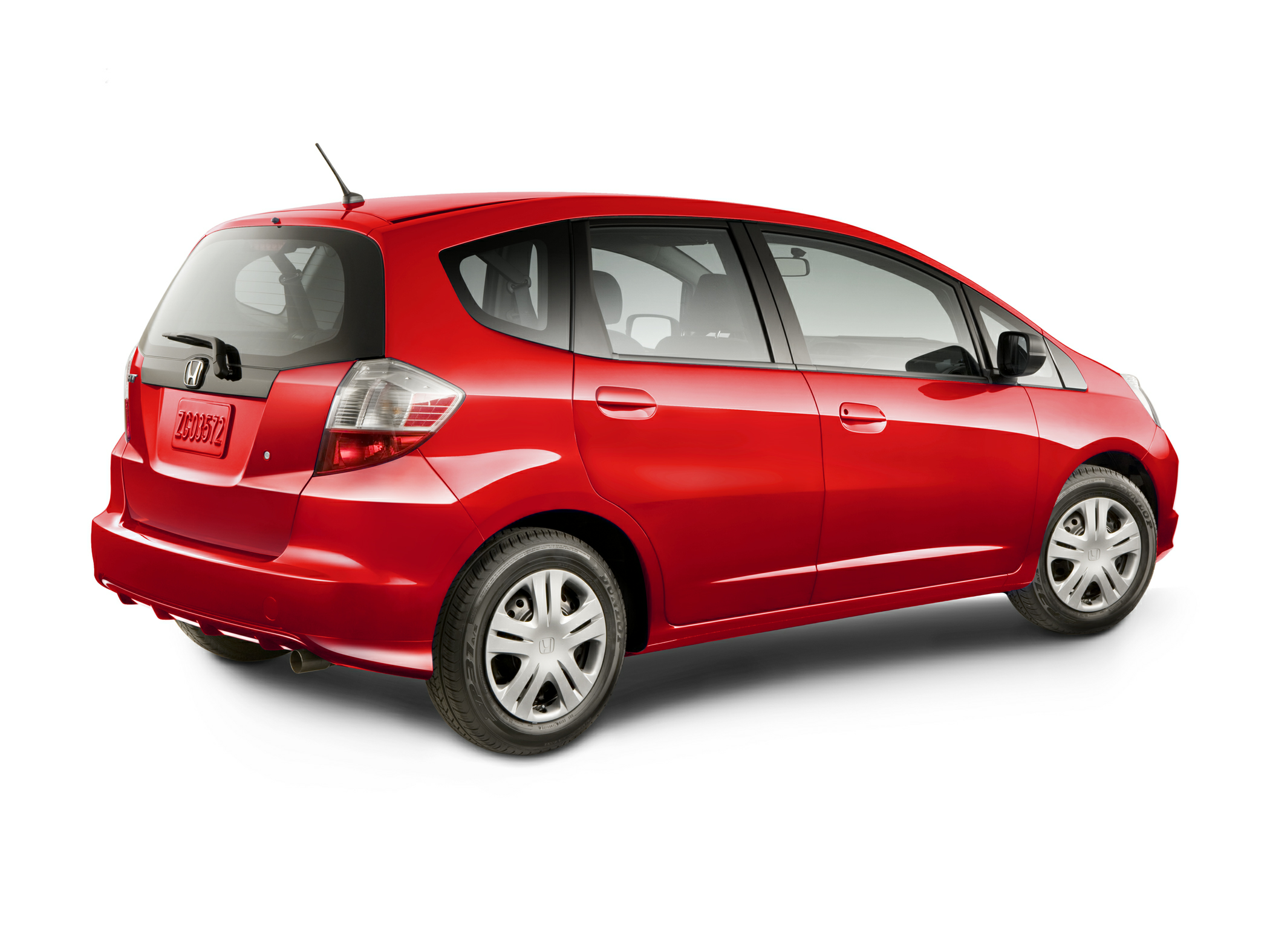
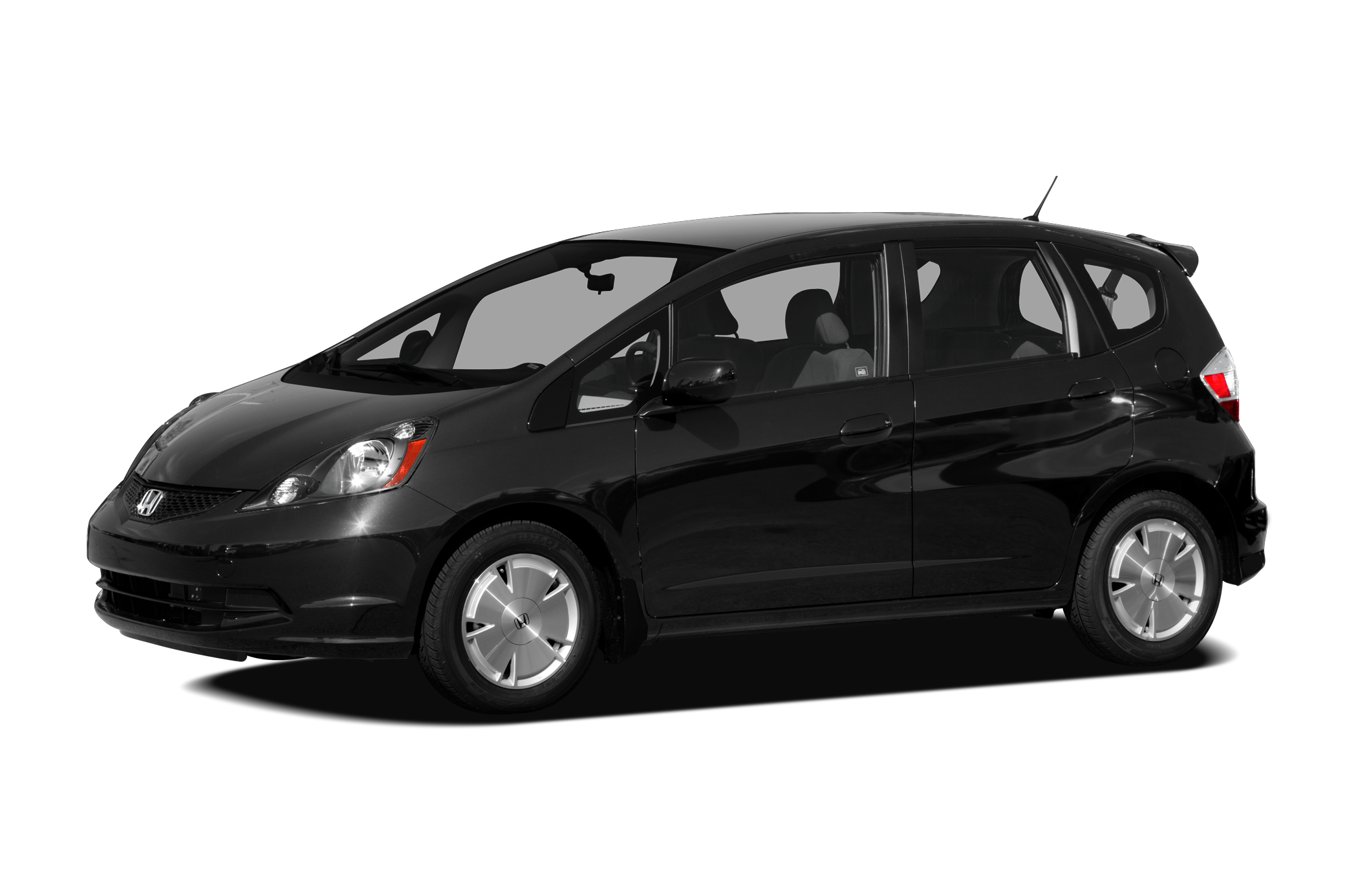
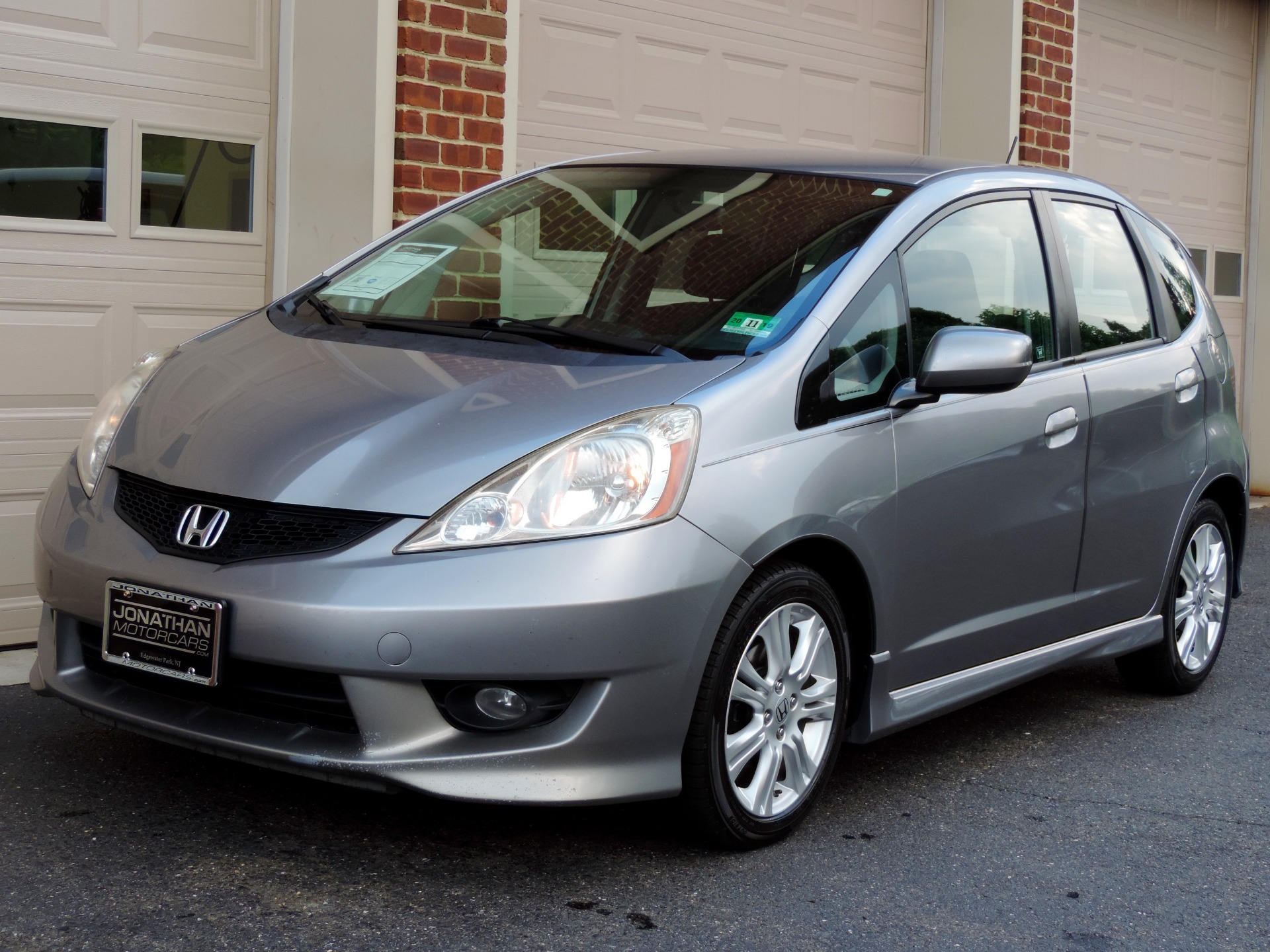
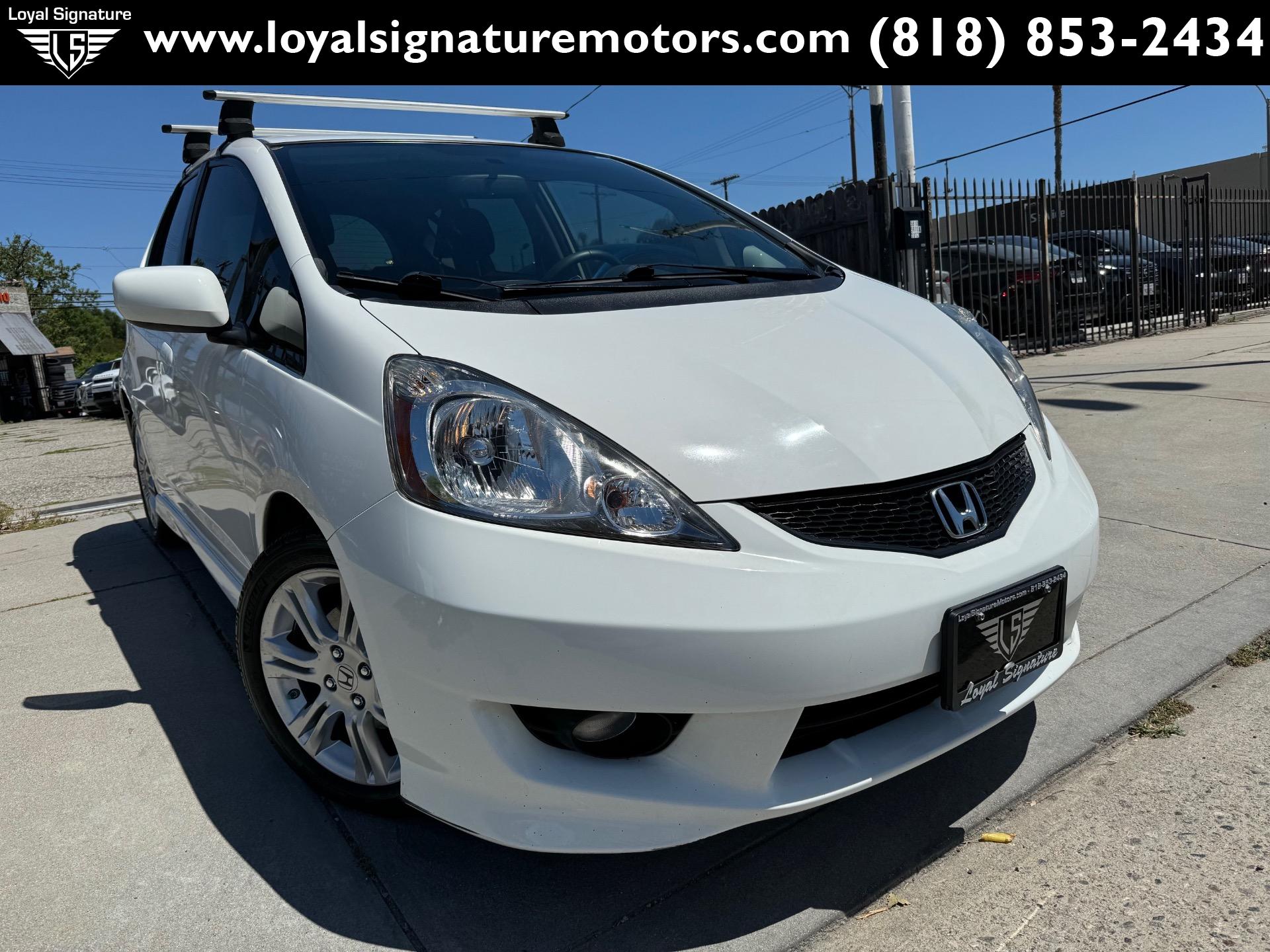
The 2010 Honda Fit Sport features a 1.5-liter i-VTEC 4-cylinder engine producing 117 horsepower, a nimble 101.4-inch wheelbase, and Honda’s versatile Magic Seat system. It achieves an EPA-estimated fuel economy of up to 28 mpg city and 35 mpg highway when paired with the 5-speed automatic transmission, offering an exceptional blend of subcompact efficiency and cargo utility.
Evaluating a used subcompact car requires looking past generic marketing highlights and examining factory specifications, powertrain capabilities, interior dimensions, and trim-specific features. The second-generation (GE8) Honda Fit, introduced for the 2009 model year and continuing strong through 2010, cemented its reputation as a benchmark for interior packaging and driving dynamics. Choosing the Sport trim adds distinct styling enhancements, upgraded interior amenities, and handling-focused hardware that elevate it above the base model.
Understanding the precise technical parameters of the 2010 Honda Fit Sport helps prospective buyers, automotive enthusiasts, and DIY mechanics assess its mechanical health, everyday usability, and long-term viability. This comprehensive breakdown covers everything from engine engineering and transmission gear ratios to exterior footprints, cargo capacities, safety equipment, and routine ownership considerations.
Powertrain and Engine Specifications
At the heart of the 2010 Honda Fit Sport is a naturally aspirated 1.5-liter, inline 4-cylinder engine featuring Honda’s Intelligent Variable Valve Timing and Lift Electronic Control (i-VTEC) system. This engine is designed to balance low-end responsiveness with high-RPM efficiency.
Engine Type: 1.5L Inline 4-Cylinder, Aluminum-Alloy Block and Head Valvetrain: SOHC, 4 valves per cylinder with i-VTEC Displacement: 1,497 cc (91.4 cu in) Bore x Stroke: 73.0 mm x 89.4 mm Compression Ratio: 10.4:1 Fuel Induction: Multi-Point Programmed Fuel Injection (PGM-FI)
The engine delivers 117 horsepower at 6,600 rpm and 106 lb-ft of torque at 4,800 rpm. While these figures are modest, the Fit Sport’s low curb weight allows it to make effective use of the powerband. The i-VTEC system optimizes valve timing dynamically, shifting between fuel-saving operation at cruising speeds and higher-lift performance profiles when demand increases.
Transmission Options and Drivetrain
Power is sent exclusively to the front wheels (FWD) through one of two transmission choices available during the 2010 model year:
- 5-Speed Manual Transmission: Features short, precise throws and closely spaced gear ratios designed to keep the engine in its optimal power band. It includes a hydraulic clutch and a pedal box optimized for heel-toe downshifting.
- 5-Speed Automatic Transmission: Features Grade Logic Control, which prevents unnecessary gear hunting when driving up or down steep inclines. The Sport trim uniquely adds steering-wheel-mounted paddle shifters, allowing the driver to manually select gears sequentially.
Exterior Dimensions and Aerodynamics
The 2010 Honda Fit Sport maintains a classic subcompact two-box hatchback profile, engineered to maximize interior volume within a minimal exterior footprint. The Sport trim incorporates unique aerodynamic body elements that differentiate it from the base model, including a front underbody spoiler, side sill garnishes, a rear roofline spoiler, and a chrome exhaust finisher.
Overall Length: 161.6 inches (4,105 mm) Overall Width: 66.7 inches (1,694 mm) Overall Height: 152.5 inches (3,874 mm) Wheelbase: 101.4 inches (2,576 mm) Track (Front): 58.1 inches (1,476 mm) Track (Rear): 57.4 inches (1,458 mm) Ground Clearance: 5.9 inches (150 mm) Curb Weight: 2,482 lbs (Manual) / 2,531 lbs (Automatic)
The short overhangs and cab-forward design improve forward visibility while creating a tight turning diameter of just 34.4 curb-to-curb. This makes urban maneuvering and tight parallel parking exceptionally straightforward.
Interior Packaging and Cargo Capacity
The defining characteristic of the second-generation Honda Fit is its interior packaging layout. By relocating the fuel tank from beneath the rear seats to underneath the front seats—a layout innovation enabled by the center-fuel-tank platform—Honda engineers created a flat, open floor pan in the rear.
Seating Capacity: 5 passengers Passenger Volume: 90.8 cubic feet Cargo Volume (Rear Seats Up): 20.6 cubic feet Cargo Volume (Rear Seats Down): 57.3 cubic feet Headroom (Front/Rear): 40.4 in / 39.0 in Legroom (Front/Rear): 41.3 in / 34.5 in Shoulder Room (Front/Rear): 52.7 in / 50.6 in Hip Room (Front/Rear): 51.5 in / 49.1 in
The Magic Seat System
The rear seating configuration utilizes the proprietary 60/40 split "Magic Seat." This system allows the rear seats to fold completely flat into the floor in a single, fluid motion without requiring the removal of headrests. Alternatively, the seat cushions can flip straight up vertically against the front seatbacks, creating a tall vertical loading zone capable of accommodating oversized items, such as bicycles or large house plants, that would normally require a much larger vehicle.
Chassis, Suspension, and Braking Specifications
To handle twisty back roads and highway commuting with confidence, the 2010 Honda Fit Sport utilizes a rigid body structure reinforced with high-tensile steel in critical load-bearing areas.
- Front Suspension: MacPherson strut setup with a stabilizer bar, designed to provide predictable turn-in response and compliance over rough urban pavement.
- Rear Suspension: H-shape torsion beam axle with coil springs and an integrated stabilizer bar. This compact design preserves maximum cargo space between the rear wheel wells.
- Steering System: Electric Power-Assisted Rack-and-Pinion Steering (EPS). It provides lighter effort at low speeds for parking and tightens up at highway velocities to maintain center stability.
- Braking System: Power-assisted ventilated front disc brakes (10.3 inches) and rear drum brakes (7.9 inches), managed by an Anti-lock Braking System (ABS) with Electronic Brake-distribution (EBD) and Brake Assist.
- Wheels and Tires: The Sport trim upgrades to 16-inch alloy wheels wrapped in 185/55R16 83H all-season tires, providing a wider contact patch and sharper steering response compared to the base model's 15-inch steel wheels.
Fuel Economy and Environmental Ratings
The 2010 Honda Fit Sport balances engaging driving dynamics with exceptional fuel efficiency. The powertrain utilizes a high compression ratio and efficient fuel atomization to minimize fossil fuel consumption.
| Transmission Type | City EPA (mpg) | Highway EPA (mpg) | Combined EPA (mpg) | Fuel Tank Capacity |
|---|---|---|---|---|
| 5-Speed Manual | 27 | 33 | 29 | 10.6 US Gallons |
| 5-Speed Automatic | 28 | 35 | 31 | 10.6 US Gallons |
Note: Fuel economy figures reflect EPA testing methods established for the 2010 model year. Real-world fuel economy may vary based on driving habits, vehicle maintenance, tire pressure, and environmental conditions.
Safety Equipment and Crash Test Ratings
Safety features on the 2010 Honda Fit Sport come standard with comprehensive passive and active protective systems. The body is built on Honda’s Advanced Compatibility Engineering (ACE) body structure, which disperses frontal crash energy more evenly throughout the cabin.
Standard Safety Features
- Dual-stage, multiple-threshold front airbags (SRS)
- Front-seat side airbags with Passenger-Side Position Sensor
- Side curtain airbags covering front and rear outboard seating positions
- Front seats with active head restraints designed to mitigate whiplash injuries
- 3-point seat belts for all five seating positions with front automatic tensioners
- Lower Anchors and Tethers for CHildren (LATCH) system in rear outboard positions
- Vehicle Stability Assist (VSA) with Traction Control
Regulatory Crash Testing
During period testing by the National Highway Traffic Safety Administration (NHTSA) and the Insurance Institute for Highway Safety (IIHS), the Fit performed well for its size class. The IIHS awarded the vehicle its "Top Safety Pick" designation for the 2010 model year, noting good ratings in frontal-offset and side-impact crash evaluations.
Sport Trim-Specific Features and Amenities
While the base Fit offers a spartan, budget-oriented experience, the Sport trim level introduces several exterior, interior, and functional upgrades designed for comfort and aesthetic appeal:
- Exterior Styling: Body-colored side sill garnishes, front and rear underbody spoilers, a rear roofline spoiler, smoke-trimmed multi-reflector halogen headlights, and fog lights integrated into the front fascia.
- Interior Comfort: Premium cloth seat fabric with contrast stitching, a leather-wrapped steering wheel, cruise control, map lights, and a security system with remote entry.
- Audio and Technology: A 160-watt AM/FM/CD audio system with 4 speakers, MP3/WMA playback capability, an auxiliary input jack for portable media devices, and a USB audio interface that allows integration for flash drives and digital music players.
- Convenience: Steering wheel-mounted audio controls and paddle shifters (on automatic transmission models).
Frequently Asked Questions
What is the difference between the 2010 Honda Fit base model and the Sport model?
The Sport model adds aesthetic and functional enhancements over the base trim. These include 16-inch alloy wheels, an aerodynamic body kit with a rear spoiler and fog lights, a leather-wrapped steering wheel with cruise control, steering wheel audio controls, an upgraded 160-watt audio system with a USB port, and paddle shifters on automatic models.
Does the 2010 Honda Fit Sport have timing belts or timing chains?
The 1.5-liter i-VTEC engine in the 2010 Honda Fit utilizes a maintenance-free timing chain rather than a rubber timing belt. Under normal operating conditions and with regular oil change intervals, this chain is designed to last the lifetime of the engine.
What kind of fuel does the 2010 Honda Fit Sport require?
The 2010 Honda Fit Sport is engineered to run efficiently on standard regular unleaded gasoline with an octane rating of 87 or higher. Using premium fuel provides no performance or fuel economy benefits for this engine architecture.
How much cargo space is available with the rear seats folded down?
With the 60/40 split-folding rear seats lowered completely flat, the 2010 Honda Fit Sport provides 57.3 cubic feet of cargo volume. This configuration creates a box-like loading space capable of carrying large furniture, luggage, or equipment.
Does the automatic transmission version have manual shifting capabilities?
Yes. The 5-speed automatic transmission on the Sport trim includes steering wheel-mounted paddle shifters. Drivers can manually select gear ratios sequentially, offering greater control over engine braking and acceleration during spirited driving or mountain descents.
Practical Ownership Considerations and Conclusion
The 2010 Honda Fit Sport occupies a unique space in automotive history, bridging the gap between frugal subcompact economy and practical utility. When evaluating a pre-owned model, prospective owners should verify routine maintenance records—specifically regarding oil change intervals, valve clearance adjustments (recommended around 100,000 miles), and the condition of suspension bushings and engine mounts.
For urban commuters, students, and drivers seeking a reliable hatchback with exceptional space utilization, the 2010 Honda Fit Sport remains a benchmark of subcompact engineering. Its combination of clever interior packaging, a lively high-revving i-VTEC engine, and durable mechanical systems ensures its continued relevance on the road.