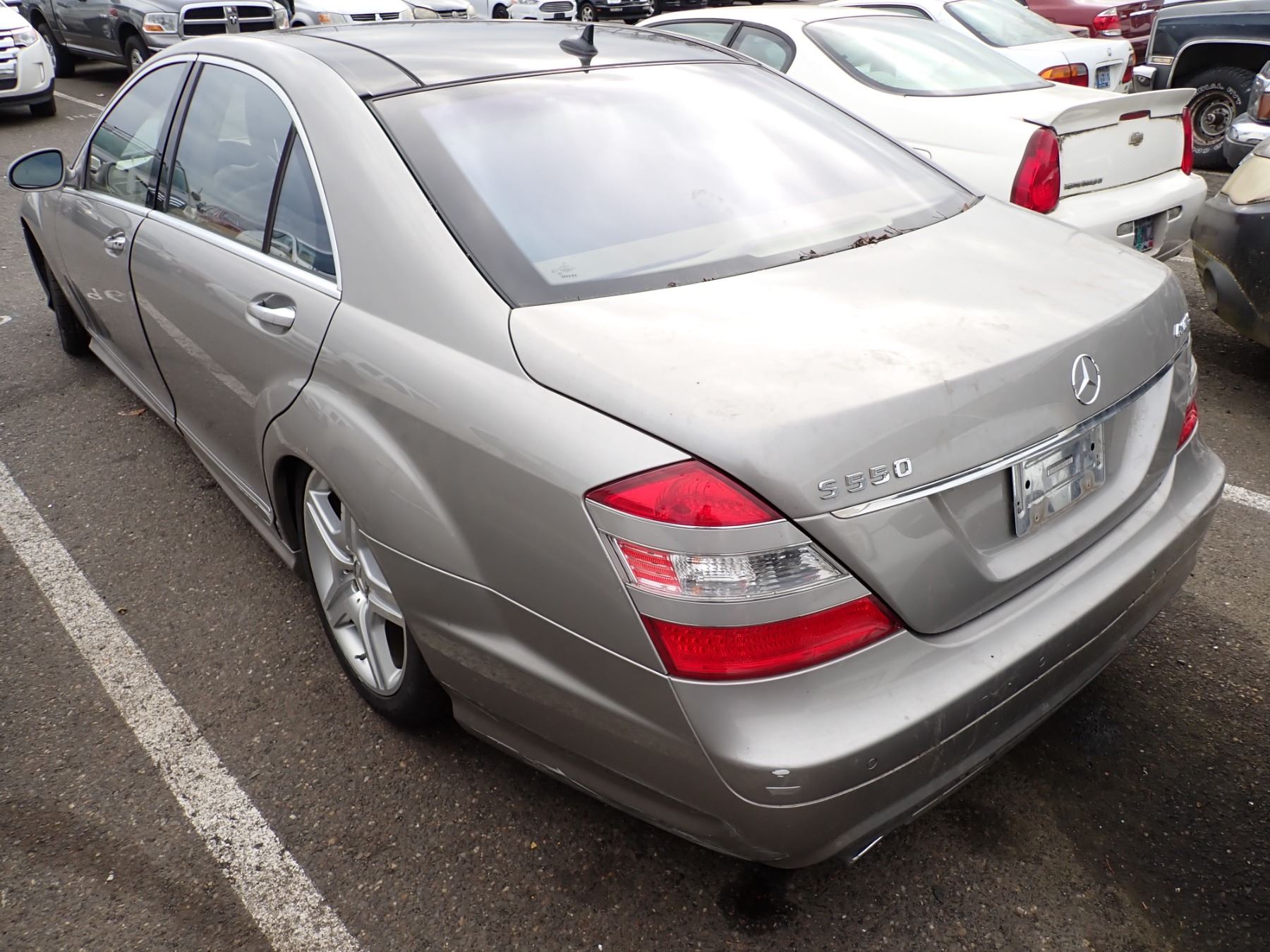
The 2008 Mercedes-Benz S550 is a masterclass in automotive engineering, offering luxurious comfort, advanced technology, and effortless V8 power, but it is also known for expensive technical hurdles, including pneumatic suspension failures, timing chain wear, and complex electrical glitches that require diligent maintenance.
As a flagship luxury sedan of its era, the W221-generation 2008 Mercedes-Benz S550 represented the pinnacle of German automotive prestige. When brand new, it cost well over $90,000, attracting buyers with its stately exterior, vault-like cabin quietness, and formidable 5.5-liter V8 engine. However, as these vehicles transition through multiple ownership cycles, keeping one on the road requires an understanding of its mechanical vulnerabilities. While modern cars depreciate rapidly, luxury cars depreciate in purchase price while their maintenance costs remain tied to their original MSRP. Knowing the common failure points of a 2008 S550 helps prospective buyers make informed decisions and assists current owners in preemptively addressing issues before they cascade into catastrophic mechanical failures.
The Powertrain: 5.5L V8 M273 Engine and Transmission Overview
At the heart of the 2008 Mercedes S550 is the M273 5.5-liter naturally aspirated V8 engine, paired with the 7G-Tronic 7-speed automatic transmission. Generally speaking, this powertrain is robust and capable of surpassing 200,000 miles if properly serviced. However, it features specific design weaknesses that owners must monitor.
The M273 Timing Chain Idler Gear Issue
One of the most infamous mechanical concerns associated with the M273 engine (and its predecessor, the M272 V6) involves the balance shaft and timing chain idler gear. While the early M272 engines suffered high rates of premature wear on the sprocket teeth due to a metallurgical defect during manufacturing, the M273 V8 is largely exempt from the balance shaft gear failure because V8 engines do not use a balance shaft in the same manner.
However, early iterations of the M273 engine can still experience timing chain stretch and guide rail wear. The plastic guide rails inside the engine timing cover become brittle over time due to heat cycles and oil exposure. When these guides crack or break, the timing chain can skip a tooth, leading to catastrophic piston-to-valve contact. Owners should listen for a metallic rattling noise upon cold startup, which often indicates worn chain guides or a loose chain tensioner.
Intake Manifold Air Flap Linkages
Another frequent issue with the M273 engine is the failure of the intake manifold variable runner control arms. The intake manifold features internal plastic flaps that alter air runners to optimize torque across the RPM range. The factory lever arms that actuate these internal flaps are made of plastic. Over time, heat cycles cause this plastic to become brittle, snap, and detach.
When these linkages break, the engine will typically throw a Check Engine Light with diagnostic trouble codes (DTCs) related to intake manifold runner control (such as P2004 or P2006). While the engine will still run, it may experience a loss of low-end torque or rough idling. Replacing the entire intake manifold is costly, but aftermarket metal upgrade kits allow mechanics to replace just the broken linkage arms for a fraction of the cost.
7G-Tronic (722.9) Transmission Valve Body and Conductor Plate
The 7-speed 722.9 automatic transmission is smooth and efficient, but its electronic brain—known as the conductor plate—is prone to failure. The conductor plate houses speed sensors and electronic solenoids directly inside the transmission fluid pan. When these internal sensors fail, the transmission typically goes into "limp mode," locking the car into a single gear (usually second or reverse) to protect itself from further damage.
Symptoms include harsh shifting, delayed engagement when shifting from Park to Drive or Reverse, and illumination of the check engine light alongside transmission error codes. Fixing this issue requires removing the transmission pan, replacing or repairing the conductor plate, and reprogramming the unit using Mercedes-Benz Star Diagnosis (Xentry) software.
Suspension and Drivetrain: The Airmatic System and ABC
Ride quality is one of the defining characteristics of the S-Class, largely achieved through complex suspension systems. The 2008 S550 was typically equipped with the Airmatic semi-active air suspension system, while some models featured the more complex Active Body Control (ABC) hydraulic suspension. Both systems are renowned for their comfort, but notorious for expensive repairs as the vehicles age.
Airmatic Air Suspension Failures
The Airmatic system uses compressed air instead of traditional steel coil springs, adjusting firmness and ride height automatically. Over time, several components can fail:
- Air Struts (Bellows): The rubber bladders on the air struts develop microscopic cracks as they age, causing air to leak. If you park the car overnight and notice the front or rear end sagging or resting completely on the ground, you likely have a leaking air strut.
- Airmatic Compressor: When air struts leak, the air compressor must work overtime to maintain ride height. This constant overworking causes the compressor pump motor to burn out or seize.
- Valve Block: The valve block directs air to each individual strut. Internal O-rings can degrade, causing pressure to bleed off unevenly.
Driving with a failed Airmatic system not only ruins the ride quality but can permanently damage the compressor and cause the vehicle to scrape against its wheel liners or fenders.
Active Body Control (ABC) Vulnerabilities
If your 2008 S550 is equipped with the optional Active Body Control system, you possess an ultra-sophisticated hydraulic suspension that virtually eliminates body roll in corners. However, ABC is significantly more expensive to maintain than Airmatic.
The system relies on high-pressure hydraulic fluid (Pentosin CHF 11S), a specialized tandem pump mounted to the engine, valve blocks, accumulators (often called "spheres"), and high-pressure lines. Common failure points include leaking hydraulic hoses, failing pump seals, and worn accumulator spheres that result in a harsh, jarring ride. Routine fluid and filter changes are mandatory every 30,000 to 40,000 miles to prevent debris from destroying the delicate hydraulic valves.
| Suspension Type | Primary Components | Common Failure Symptoms | Estimated Repair Complexity & Cost |
|---|---|---|---|
| Airmatic | Air struts, compressor, valve block, relay | Sagging overnight, "Airmatic Visit Workshop" warning, compressor burnout | Moderate to High; Struts range from $400–$1,000+ each plus labor. |
| Active Body Control (ABC) | Hydraulic pump, valve blocks, accumulators, high-pressure lines | Low fluid warnings, sagging, stiff ride, fluid leaks underneath | Very High; Pump and hose replacements can easily exceed $3,000–$5,000. |
Electrical Systems and Interior Electronics
Modern flagship luxury sedans are rolling computers packed with dozens of control modules, miles of wiring harnesses, and advanced comfort features. The 2008 S550 is no exception, and electrical gremlins are among the most frustrating issues owners face.
Battery Drain and the SAM Modules
The W221 chassis relies heavily on Signal Acquisition and Actuation Modules (SAMs)—front and rear computers that manage almost every electrical accessory in the vehicle, from exterior lighting to power windows and seat adjustments.
A common issue on older S550 models is a parasitic electrical draw where a module fails to "go to sleep" when the ignition is turned off and the keys are removed. Modules such as the seat control units, the COMAND infotainment system, or a malfunctioning door handle sensor (Keyless-Go) can drain a brand-new battery completely flat over a weekend. Diagnosing a parasitic draw requires a multimeter and methodical fuse-pulling to isolate the rogue circuit.
COMAND Infotainment and Sound System Failures
The dashboard features the COMAND screen, which controls navigation, radio, Bluetooth connectivity, and vehicle settings. Owners frequently report issues with the screen freezing, rebooting randomly, or failing to turn on altogether.
Furthermore, models equipped with the premium Harman Kardon Logic 7 sound system are susceptible to amplifier failure due to water ingress. If moisture enters the trunk (often via a leaking rear tail light seal or trunk gasket), it can pool directly where the audio gateway and amplifier are mounted, instantly frying the expensive sound system module.
Common Mechanical and Engine Maintenance Issues
Beyond the major systems, several peripheral components on the 2008 S550 require routine inspection and occasional replacement as mileage climbs past the 100,000-mile mark.
- Oil Cooler Seals: Like many modern Mercedes engines, the M273 utilizes rubber seals underneath the oil filter housing and oil cooler. Over time, engine heat bakes these seals, causing them to shrink and leak engine oil directly into the V of the engine block. This oil pools and eventually drips down the back of the engine, often mistaken for a rear main seal leak.
- Engine and Transmission Mounts: Hydraulic engine and transmission mounts flatten out and leak fluid over time. When these mounts fail, excess vibration is transferred directly into the cabin, resulting in a noticeable buzz or vibration in the steering wheel and floorboards while idling in gear.
- Thermostat and Cooling System: The thermostat housing on the M273 is prone to internal mechanical failure, often triggering a Check Engine Light for codes related to the engine running too cool or failing to reach operating temperature in a timely manner. Replacing the thermostat assembly along with a coolant flush resolves this issue.
Comparison of Common 2008 S550 Problem Areas
To help prioritize maintenance and understand potential risk factors, the following breakdown contrasts the primary trouble areas by severity, frequency, and financial impact.
| Issue Category | Specific Component | Severity Level | Typical Warning Signs | Prevention / Maintenance Strategy |
|---|---|---|---|---|
| Engine | Intake Manifold Linkages | Low-Moderate | Check Engine Light (P2004/P2006), sluggish low-end response | Inspect plastic linkage arms; replace with aftermarket metal kits. |
| Transmission | Conductor Plate / Valve Body | High | Transmission stuck in limp mode, harsh shifting, DTCs | Change transmission fluid and filter every 40,000 miles. |
| Suspension | Airmatic Air Struts | High | Vehicle sagging overnight, rough ride, compressor noise | Replace worn struts in pairs; avoid ignoring minor air leaks. |
| Electrical | Parasitic Battery Drain | Moderate | Dead battery after sitting overnight, malfunctioning accessories | Test battery health and isolate failing control modules (SAMs). |
| Cooling | Oil Cooler & Filter Housing Seals | Moderate | Burning oil smell, oil pooling in the engine V | Replace rubber gasket seals during routine service intervals. |
Frequently Asked Questions About the 2008 Mercedes S550
Is the 2008 Mercedes S550 a reliable car?
The 2008 S550 is mechanically durable regarding its core engine block and transmission, but it is not a low-maintenance vehicle. Reliability depends heavily on the previous owner's maintenance history. Deferred maintenance results in compounding failures that can quickly exceed the market value of the car.
What is the most expensive common problem on a 2008 S550?
The most expensive repairs typically involve the suspension systems. Replacing a full set of Airmatic air struts and the compressor can cost several thousand dollars, while a complete failure of the Active Body Control (ABC) hydraulic system can easily surpass the car's resale value if taken to a dealership.
How often should the transmission fluid be changed?
Mercedes-Benz historically marketed the 7G-Tronic transmission as having a "lifetime" fluid fill, but modern consensus among master technicians dictates that fluid and filter changes should be performed every 40,000 miles to protect the sensitive conductor plate and valve body.
Can the Airmatic suspension be converted to regular coil springs?
Yes. Many budget-conscious owners choose to install aftermarket steel spring conversion kits (such as those made by Arnott) when the original Airmatic system fails. While this eliminates future air suspension failures, it alters the ride quality and removes the adjustable ride-height functionality engineered into the S-Class.
What should I look for when buying a used 2008 Mercedes S550?
Always demand a comprehensive service history record. Check for cold-start engine rattles, inspect the suspension for sagging or fluid leaks, verify that all interior electronics and buttons function correctly, and arrange for a Pre-Purchase Inspection (PPI) by an independent mechanic who specializes in Mercedes-Benz vehicles.
Practical Recommendations and Next Actions
If you already own a 2008 Mercedes-Benz S550 or are seriously considering purchasing one, proactive care is your best defense against catastrophic repair bills. Establish a relationship with a reputable independent European auto repair shop rather than relying exclusively on dealership service departments, which typically charge much higher labor rates.
Prioritize preventative maintenance: change your engine oil every 5,000 to 7,500 miles, service the transmission fluid on schedule, and address minor oil leaks or suspension sags immediately before they overwork expensive auxiliary components. By maintaining a dedicated repair fund and catching issues early, you can safely enjoy the luxury, performance, and road presence that makes the W221 S-Class an enduring automotive icon.