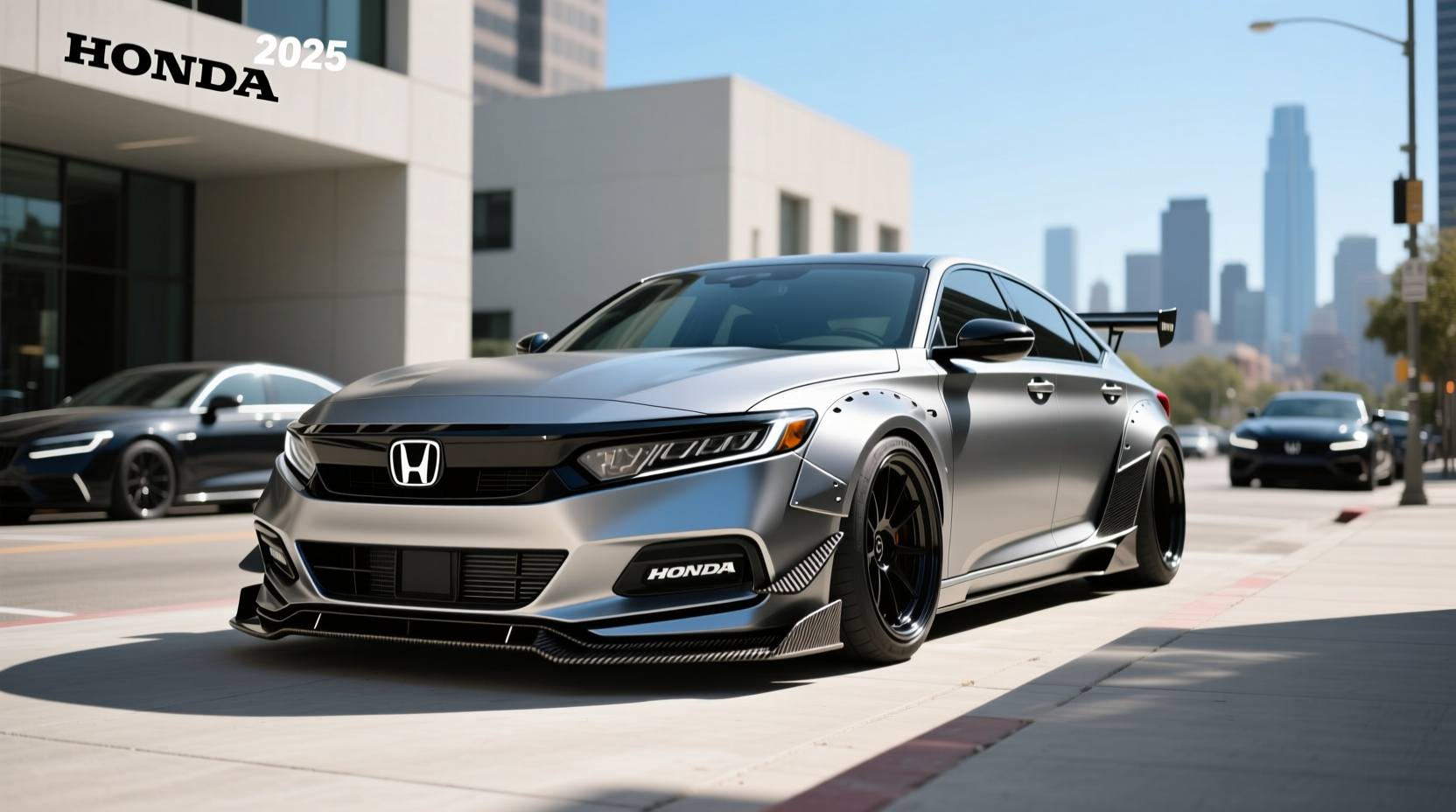
The 2008 Honda Accord Coupe represents a distinct transition point in mid-size performance styling, where the shift from the conservative aesthetic of the seventh generation to the bolder, more aggressive lines of the eighth generation invited an explosion in aftermarket body kit development. Enhancing this vehicle involves navigating a market defined by material science advancements, aerodynamic considerations, and the specific structural integration required for a chassis that balances executive comfort with sport-oriented aesthetics.
The 2008 Honda Accord Coupe marked the debut of the eighth generation, featuring a longer, wider, and more muscular stance compared to its predecessor. This design language, characterized by sharper character lines and a pronounced "coke-bottle" silhouette, provided a robust canvas for aftermarket manufacturers. Unlike the sedan variant, the coupe’s unique door architecture, roofline, and rear quarter panels necessitated dedicated molds, preventing universal parts from being compatible.
For owners and enthusiasts, the evolution of body kits for this platform moved through three distinct phases: the early era of polyurethane dominance, the mid-cycle focus on HFP (Honda Factory Performance) aesthetic integration, and the contemporary era emphasizing lightweight, modular components that focus on functional aerodynamics rather than purely aggressive styling. Understanding this evolution is essential for anyone looking to source parts that fit accurately, maintain the structural integrity of the chassis, and adhere to local safety regulations regarding vehicle width and protrusion.
Material Science and Structural Integrity
The primary challenge in modifying a 2008 Accord Coupe is the selection of material composition. The evolution of the aftermarket has largely moved away from heavy, brittle fiberglass toward more resilient, flexible alternatives.
Polyurethane (PU)
Polyurethane remains the gold standard for street-driven Accord Coupes. Its primary advantage is impact resistance; it can absorb minor collisions or curb scrapes without shattering. In the context of the 2008 Accord, which sits relatively low, the front bumper lip is highly susceptible to road debris and driveway slopes. A high-quality PU lip will flex and return to shape, whereas cheaper alternatives or rigid fiberglass will crack, leading to recurring repair costs.
Carbon Fiber and Reinforced Plastics
Carbon fiber became increasingly popular mid-lifecycle for the 2008-2012 Accord Coupe platform, primarily for weight reduction and high-end aesthetic appeal. However, the impact of carbon fiber on a street car is often overstated. Its primary benefit in this context is rigidity. When properly mounted, carbon fiber splitters provide more downforce than their plastic counterparts because they do not deform under high-speed airflow. The downside remains brittleness; a single encounter with a parking stop can destroy a premium carbon component.
ABS Plastic
ABS (Acrylonitrile Butadiene Styrene) has emerged as the preferred material for many current aftermarket manufacturers. It strikes a balance between the durability of polyurethane and the finish quality of fiberglass. It is injection-molded, which typically results in superior fitment precision compared to hand-laid fiberglass, reducing the amount of bodywork required during the installation process.
The Influence of HFP and OEM Integration
The most significant impact on the 2008 Accord Coupe’s aesthetic trajectory was the Honda Factory Performance (HFP) kit. Because this was a dealer-installed option, it set the "standard" for what a modified Accord should look like. The HFP package included a front underbody spoiler, side underbody spoilers, and a rear underbody spoiler.
The impact of this kit was two-fold:
- Design Benchmark: It defined the aggressive-yet-refined look that most aftermarket companies sought to emulate or amplify.
- Installation Standards: By using factory mounting points, the HFP kit established a baseline for "proper" installation. Aftermarket kits that failed to utilize these existing fender-liner and underbody clips were often rejected by the community for requiring permanent modification (drilling) of the vehicle’s body panels.
Comparison of Modification Approaches
When selecting a body kit, owners must decide between a full bumper replacement or a lip-style "add-on" kit. The following table details the primary considerations for both paths.
| Feature | Lip/Splitter Add-On | Full Bumper Replacement |
|---|---|---|
| Cost | Low ($150 - $400) | High ($600 - $1,500+) |
| Fitment Difficulty | Moderate (Requires precision) | High (Requires professional paint) |
| Durability | High (Less prone to impact damage) | Moderate (Easily cracked in low areas) |
| Aesthetic Impact | Subtle, factory-plus look | Radical, full transformation |
| Installation | DIY-friendly (clips/tape) | Requires removal of crash structure |
Practical Considerations and Installation Pitfalls
Modifying a vehicle from 2008 in the year 2026 presents specific challenges, particularly regarding the availability of original parts and the condition of mounting points.
The Problem of Mounting Degradation
The 2008 Accord Coupe uses a series of plastic clips and screws to secure the bumpers and side skirts to the chassis. After nearly two decades of environmental exposure, these plastic clips are often brittle. Before installing any new body component, it is standard practice to replace the entire hardware set. Reusing old, weakened fasteners is the leading cause of "sagging" bumpers and skirts, which gives the car a neglected appearance.
Paint Matching and UV Degradation
Because the paint on a 2008 model has likely aged and been exposed to varying levels of UV radiation, a new body kit cannot simply be color-matched to the factory paint code. A professional body shop must perform a "blending" process. Failing to do so will result in a noticeable shade difference between the new kit and the aging sheet metal. When budgeting for an aftermarket kit, remember that the cost of paint and professional labor often exceeds the cost of the hardware itself.
Aerodynamics and Cooling
Many aggressive front bumpers designed for the 2008-2012 Accord Coupe feature enlarged intakes. While this looks imposing, it can inadvertently disrupt the airflow meant for the radiator and air conditioning condenser. Ensure that any replacement bumper maintains the same functional ducting as the OEM unit, or install proper shrouding to prevent engine overheating during high-ambient-temperature driving.
Frequently Asked Questions
1. Does adding a body kit decrease the resale value of my 2008 Honda Accord Coupe? Generally, yes, unless the kit is an original OEM HFP package installed with proper documentation. Most modifications are considered personal preferences that potential buyers may view as signs of "hard driving" or poor maintenance. To preserve value, keep all original body panels so the car can be returned to stock condition if necessary.
2. Is fiberglass a viable material for a daily driver? Fiberglass is generally discouraged for daily-driven 2008 Accord Coupes. Because the vehicle has a relatively long front overhang, it is prone to scraping on inclined driveways. Fiberglass lacks the flexibility to handle these impacts and will spider-web or crack, leading to expensive bodywork. Stick to polyurethane or ABS plastic for better longevity.
3. What is the difference between "widebody" kits and standard lip kits? Widebody kits involve cutting the original metal fenders to accommodate wider wheels and tires. This is a permanent, non-reversible modification. Lip kits, by contrast, are superficial add-ons that attach to the existing body panels. Unless the vehicle is intended for specialized track use, a lip kit is the safer and more cost-effective choice.
4. How do I fix a sagging front bumper on my 2008 Accord? Sagging is usually caused by broken bumper brackets or missing hardware. Replace the side bumper retainers (the plastic sliders where the bumper meets the fender) with OEM parts. This often resolves 90% of sagging issues. If the tab on the bumper itself is torn, you may need a plastic welding service or a new bumper cover.
5. Are aftermarket kits street-legal? In most jurisdictions, yes, provided they do not feature sharp, protruding edges that could cause pedestrian injury and do not block required lighting (turn signals, reflectors). Always ensure your kit includes mounts for the factory side-marker lights to maintain legal compliance.
Next Steps for Enthusiasts
If you are currently evaluating a body kit for your 2008 Honda Accord Coupe, your first step should be an assessment of the current mounting surfaces. Check the condition of your existing fender liners and the clips securing the bottom of the front bumper. If these are in poor condition, order a hardware refresh kit from a Honda parts supplier before purchasing any aftermarket aesthetic components.
Focus your investment on high-quality, flexible materials like polyurethane or high-grade ABS, and prioritize kits that utilize factory mounting locations to avoid drilling holes in your chassis. By treating the body kit as a functional component that complements the car’s original design rather than a way to mask poor condition, you ensure that your modifications remain a source of pride rather than a maintenance burden.