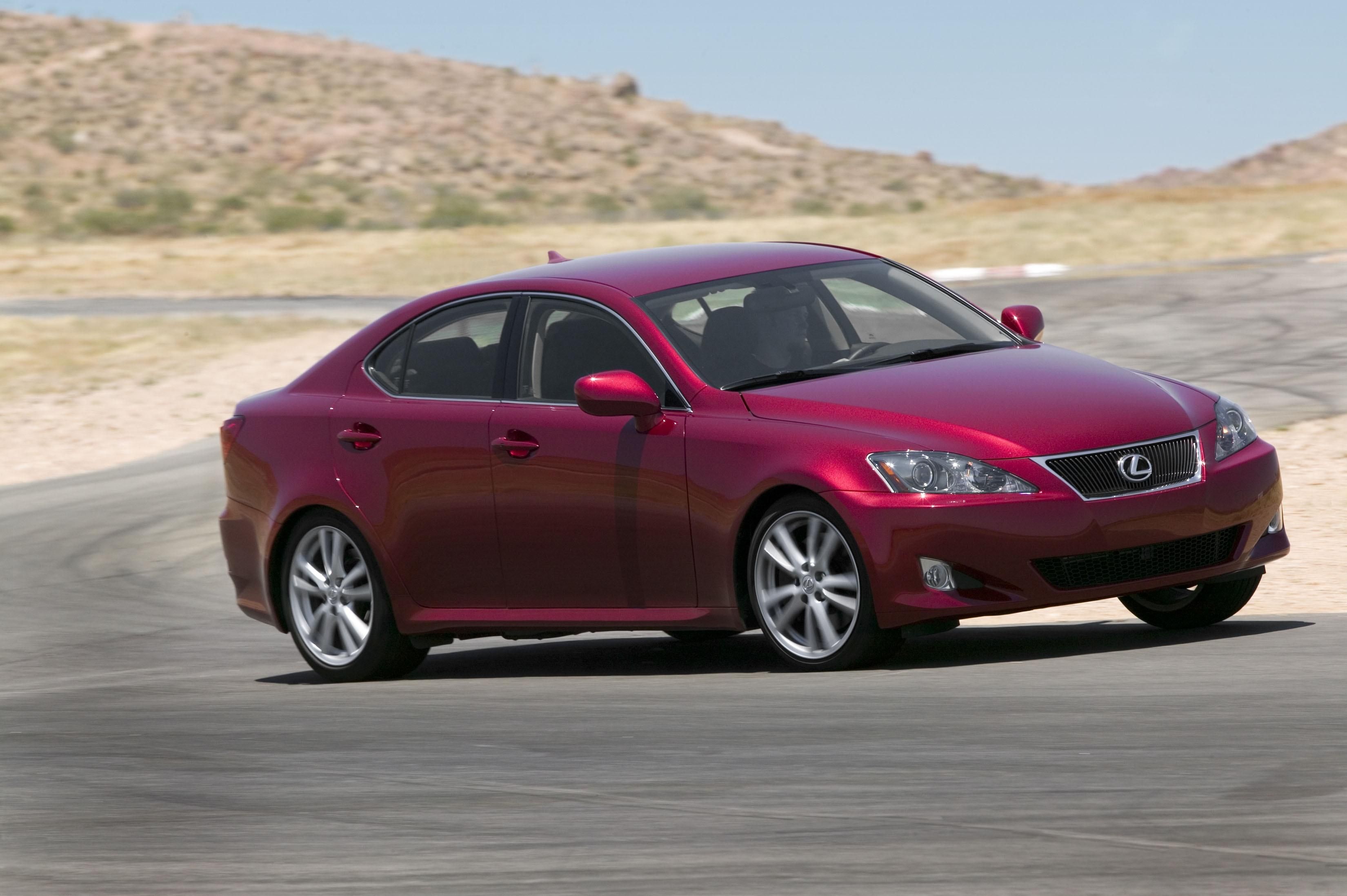
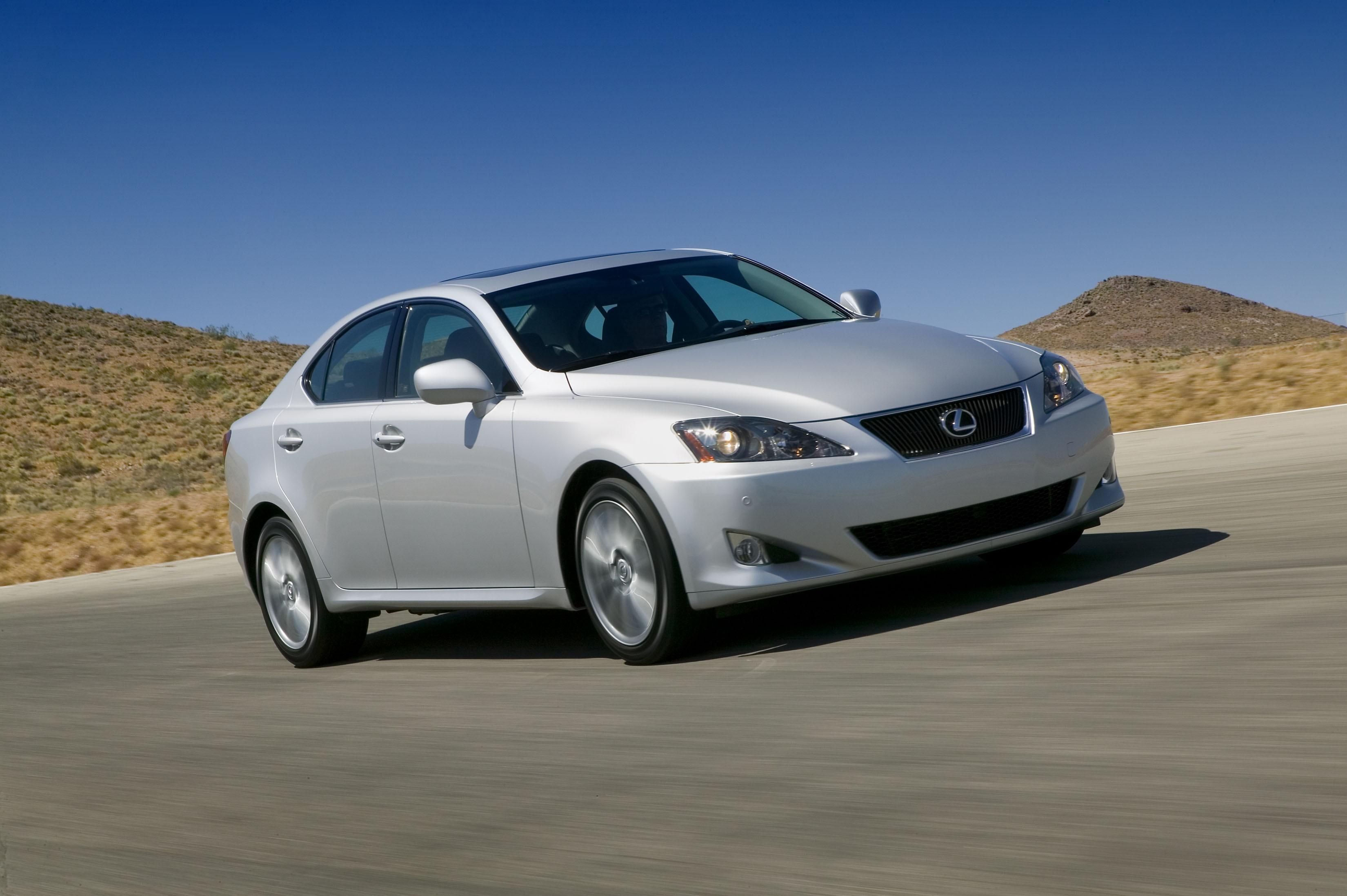
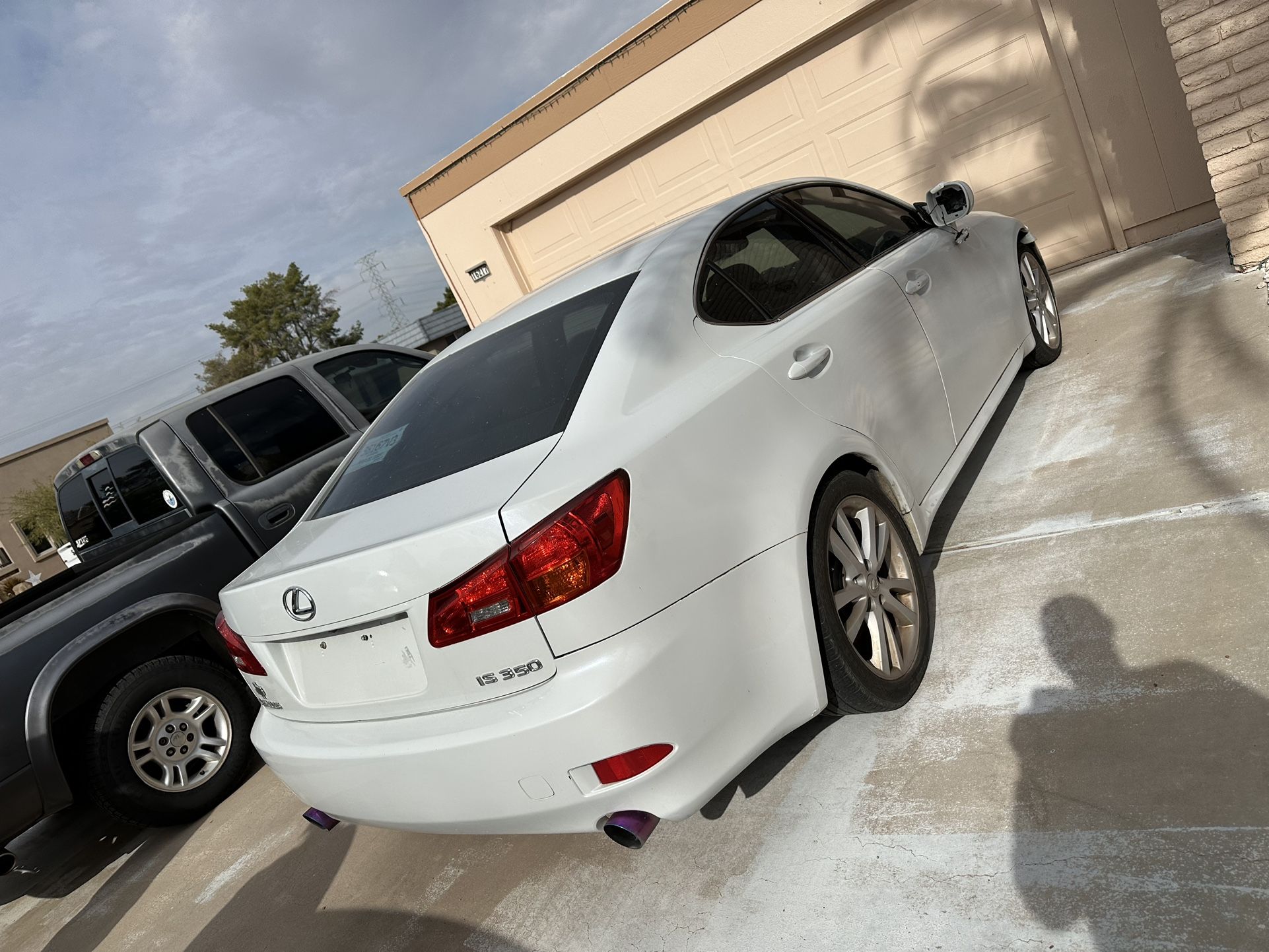
The 2007 Lexus IS350 produces 306 horsepower (SAE net) at 6,400 rpm and 277 lb-ft of torque at 4,800 rpm. This power is generated by the 3.5-liter 2GR-FSE V6 engine, a high-compression powertrain that utilizes the D-4S direct injection system to achieve a balance of refined cruising performance and aggressive acceleration.
Understanding the 2GR-FSE Powertrain
The heart of the 2007 Lexus IS350 is the 3.5-liter 2GR-FSE engine. Introduced as part of Toyota’s GR engine family, this V6 was a significant technological leap for Lexus at the time of its release. The "FSE" designation specifically refers to the D-4S (Direct Injection 4-Stroke) system, which was one of the most advanced fuel delivery systems available in a passenger vehicle during the mid-2000s.
The D-4S system is unique because it employs two fuel injectors per cylinder: one direct injector located inside the combustion chamber and one port injector located in the intake manifold. Under low-to-medium load, the system uses port injection to promote better fuel-air mixing and cleaner emissions. Under high-load scenarios—such as hard acceleration or high-speed cruising—the system switches to both direct and port injection or solely direct injection, depending on the engine's requirements. This allows the 2GR-FSE to maintain a high compression ratio of 11.8:1 without the persistent engine knock typically associated with such performance parameters.
Performance and Transmission Dynamics
While the 306-horsepower figure is the headline specification, the actual driving experience of the 2007 Lexus IS350 is heavily dependent on its transmission and power delivery curve. The IS350 was offered exclusively with a six-speed "A760E" automatic transmission featuring paddle shifters mounted on the steering column.
This electronically controlled transmission (ECT-i) was engineered to complement the engine’s wide torque band. Because the engine reaches its peak torque of 277 lb-ft at 4,800 rpm, the transmission mapping is designed to keep the engine in this "sweet spot" during spirited driving. For drivers seeking a more engaging experience, the shift response is optimized for rapid gear changes, allowing the vehicle to sprint from 0 to 60 mph in approximately 5.6 seconds.
Technical Specifications Overview
To understand where the 2007 Lexus IS350 sits within the automotive landscape of its era, it is helpful to look at the foundational technical specifications that define its performance.
| Specification | Detail |
|---|---|
| Engine Type | 3.5L V6 (2GR-FSE) |
| Horsepower | 306 hp @ 6,400 rpm |
| Torque | 277 lb-ft @ 4,800 rpm |
| Valvetrain | 24-valve DOHC with Dual VVT-i |
| Compression Ratio | 11.8:1 |
| Transmission | 6-speed Automatic (Paddle Shifters) |
| Drivetrain | Rear-Wheel Drive (RWD) |
| Fuel Requirement | Premium Unleaded (91 Octane Recommended) |
Dual VVT-i: The Role of Variable Valve Timing
The 2GR-FSE engine utilizes Dual VVT-i (Variable Valve Timing with intelligence). This technology allows the engine control unit (ECU) to adjust the timing of the intake and exhaust valves independently. By continuously modulating the valve overlap, the engine can achieve two distinct goals simultaneously: it maximizes power at high revolutions per minute (RPM) and improves combustion efficiency during low-RPM operation.
This is a critical factor in the 306-horsepower output. Without the ability to precisely control the "breathing" of the engine, the IS350 would likely have suffered from lower mid-range power or diminished fuel economy. The Dual VVT-i system ensures that the 306 horsepower is not merely a peak figure achieved at the redline but a usable plateau of power that makes the vehicle responsive in everyday traffic.
Maintenance Considerations for High-Output V6 Engines
Maintaining the integrity of the 2GR-FSE requires adherence to specific service intervals. Given the sophisticated fuel injection system, high-quality fuel is a prerequisite. Using lower-octane fuel can lead to timing retardation by the ECU, which effectively lowers the vehicle's horsepower as the system attempts to prevent engine knock (detonation).
Owners should prioritize the following to ensure the vehicle continues to meet its performance potential:
- Air Filter Integrity: Since the 2GR-FSE relies on precise air-to-fuel ratios, a clogged engine air filter will restrict airflow and prevent the engine from reaching its target horsepower.
- Fuel Injector Health: With two sets of injectors, the D-4S system can be sensitive to carbon buildup. Using high-detergent top-tier gasoline is the primary method for maintaining injector efficiency.
- Transmission Fluid: The A760E transmission is sealed for "lifetime" use in some contexts, but performance-oriented driving suggests that fluid changes every 60,000 to 100,000 miles can prevent solenoid degradation, ensuring that power transfer remains smooth and efficient.
Real-World Performance vs. Dyno Testing
When enthusiasts take a 2007 Lexus IS350 to a chassis dynamometer, they often see a "wheel horsepower" (WHP) figure lower than the manufacturer's 306 horsepower. This is not because the engine is underperforming; rather, it is due to drivetrain loss. Power must pass through the transmission, driveshaft, and differential, all of which consume energy. Typically, the IS350 loses approximately 15% to 18% of its crankshaft horsepower through the RWD drivetrain. Seeing roughly 250–260 WHP on a dyno is a strong indicator that the engine is producing the rated 306 horsepower at the crank.
Common Misconceptions
A common query regarding the IS350 involves comparing it to the IS250, which shares a similar chassis. It is vital to note that the IS250 uses a significantly different engine (the 2.5L 4GR-FSE) and does not share the same power capabilities. The 306-horsepower output is specific to the 3.5-liter model. Attempting to achieve IS350-level performance through modifications to an IS250 is generally not cost-effective, as the internal components and ECU programming differ fundamentally.
Frequently Asked Questions
Does the 2007 Lexus IS350 require premium fuel to reach its rated horsepower? Yes. Lexus specifies 91 octane or higher. The engine's high compression ratio and ignition timing maps are calibrated for premium fuel. Using lower octane causes the ECU to retard timing, which lowers both horsepower and fuel efficiency.
Is there a difference in horsepower between the 2007 model and later years of the IS350? The 2GR-FSE engine in the 2007 IS350 remains largely identical in output to models produced through the end of the second generation. While minor ECU tuning adjustments were made throughout the lifecycle, the 306 horsepower rating remained the industry-standard benchmark for this powertrain.
Does the IS350 have a speed limiter? Yes, the 2007 Lexus IS350 is electronically limited to a top speed of approximately 143 mph. This limit is governed by the ECU and is standard for the North American market version of the vehicle.
Can simple bolt-on modifications significantly increase the 306 horsepower output? The 2GR-FSE is a highly optimized engine from the factory. While aftermarket intake and exhaust systems may provide a marginal increase in airflow or sound, they rarely result in significant, measurable gains in peak horsepower without custom ECU re-tuning. The factory intake and exhaust are already designed to flow efficiently for the 306-hp target.
Is the 306 horsepower rating measured at the wheels or the crankshaft? The 306-hp figure provided by Lexus is measured at the crankshaft (SAE net). It does not account for the power lost through the transmission and tires before it reaches the road.
Final Recommendation for Owners
To verify that your 2007 Lexus IS350 is producing its intended power, focus on the health of the intake and ignition systems. If you notice a loss in responsiveness, start by inspecting the Mass Air Flow (MAF) sensor and replacing the spark plugs if they have exceeded their 100,000-mile service interval. Using factory-spec Denso Iridium plugs is essential to maintaining the timing precision required for the 2GR-FSE to output its full 306 horsepower. If the vehicle is running well, avoid "performance" modifications that claim massive horsepower gains; the factory engineering of this vehicle is remarkably balanced and is best preserved through meticulous, OEM-standard maintenance.