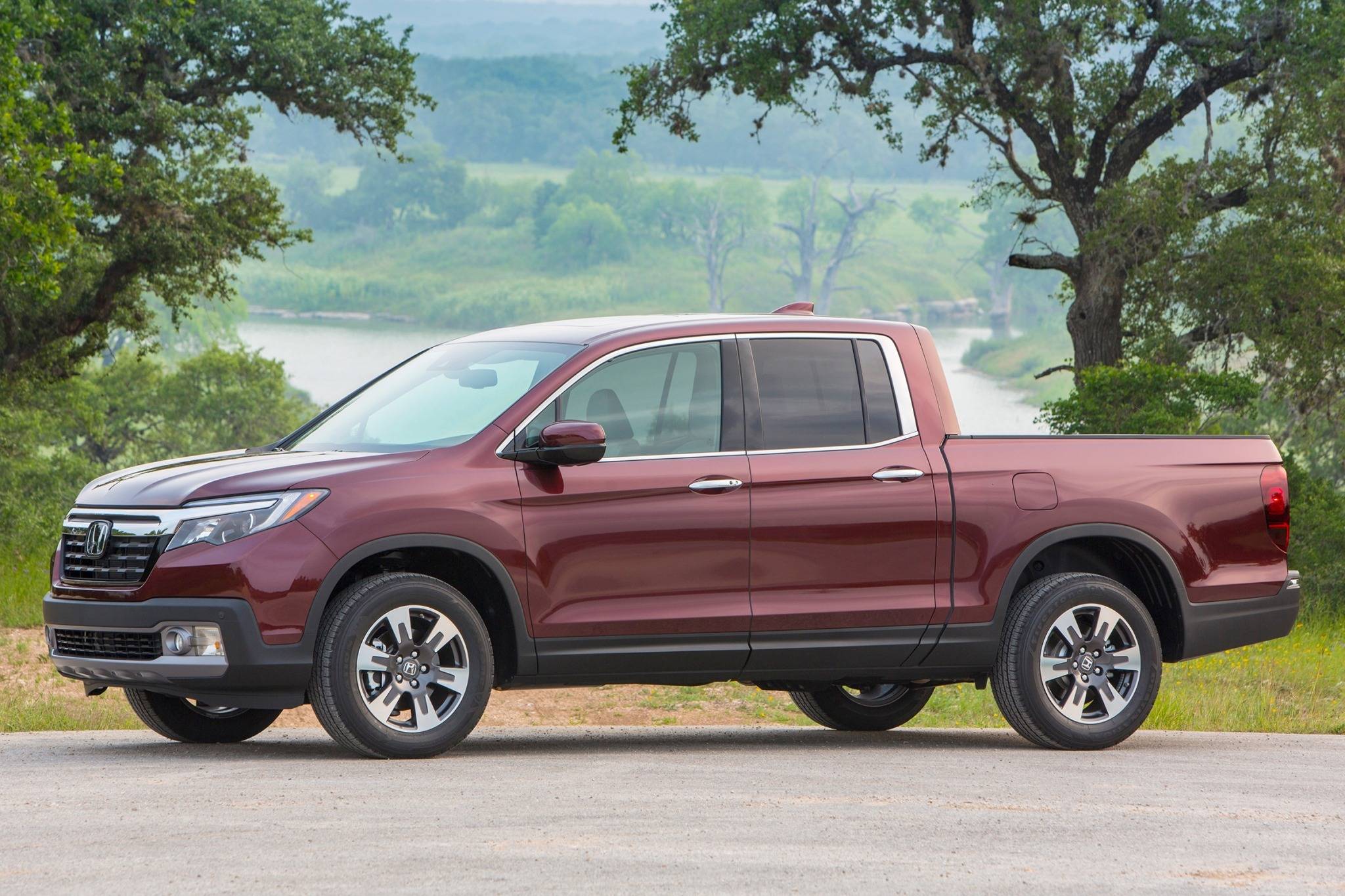
The 2017 Honda Ridgeline has an overall exterior length of approximately 210 inches (or roughly 17.5 feet) depending on the trim package, meaning a specific length of 190 inches is significantly shorter than the actual vehicle. Understanding the true dimensions of this midsize unibody truck is vital for garage storage, parking clearance, accessory selection, and overall spatial planning.
Unpacking the Dimensional Reality of the 2017 Honda Ridgeline
When analyzing vehicle specifications, accuracy is critical for avoiding costly mistakes regarding garage fits, parking permits, and towing equipment compatibility. The phrase "190 inch 2017 honda ridgeline length explained" often stems from confusion regarding automotive dimensions, wheelbase measurements, or comparisons with competing midsize trucks.
To clear up this confusion immediately, the actual overall length of the second-generation 2017 Honda Ridgeline is 210.0 inches (5,334 mm). A length of 190 inches does not correspond to the bumper-to-bumper exterior length of any standard configuration of the 2017 Ridgeline. Instead, a figure around 190 inches is closer to the vehicle's wheelbase, total interior cabin length, or the length of alternative compact vehicles.
Recognizing these distinctions ensures that owners, prospective buyers, and mechanics make informed decisions based on verified manufacturer data rather than approximate estimates or numerical mix-ups.
Official Factory Dimensions: What the Numbers Actually Reveal
The second-generation Honda Ridgeline debuted for the 2017 model year, moving away from the more polarizing styling of its predecessor toward a smoother, more traditional profile. Built on a unibody platform shared closely with the Honda Pilot crossover, its dimensional layout differs structurally from traditional body-on-frame midsize trucks like the Toyota Tacoma or Chevrolet Colorado.
Reviewing the official Honda specifications provides a clear baseline for what to expect when measuring this truck for daily use:
- Overall Length: 210.0 inches (5,334 mm)
- Wheelbase: 125.2 inches (3,180 mm)
- Overall Width: 78.6 inches (1,996 mm) without mirrors; 81.9 inches with mirrors
- Overall Height: 70.2 to 70.8 inches (1,783 to 1,798 mm) depending on front-wheel drive or all-wheel drive configurations
- Bed Length: 64.0 inches (5.3 feet) with the tailgate closed, extending significantly with the tailgate dropped
Comparing the 125.2-inch wheelbase to a hypothetical 190-inch figure highlights why the confusion occurs. The wheelbase measures the distance between the centers of the front and rear wheels, whereas the total length accounts for the front and rear overhangs, bumper geometry, and cargo bed length.
Dimension Comparison of Midsize Trucks (2017 Model Year)
To put the 210-inch length of the 2017 Honda Ridgeline into perspective, it helps to compare it against other popular midsize trucks from the same production era. Because unibody construction dictates a different cab-to-bed integration than body-on-frame alternatives, overall footprints vary noticeably.
| Vehicle Model | Overall Length (Inches) | Wheelbase (Inches) | Overall Width (Inches) | Cab-to-Bed Style |
|---|---|---|---|---|
| 2017 Honda Ridgeline | 210.0 | 125.2 | 78.6 | Unibody Crew Cab |
| 2017 Toyota Tacoma (Double Cab) | 212.3 | 127.4 | 75.2 | Body-on-Frame Crew Cab |
| 2017 Chevrolet Colorado (Crew Cab, Short Box) | 212.4 | 128.3 | 18.8 | Body-on-Frame Crew Cab |
| 2017 Nissan Frontier (Crew Cab, Long Bed) | 205.5 | 125.9 | 72.8 | Body-on-Frame Crew Cab |
As shown in the comparison table, the Ridgeline is remarkably close in length to its traditional body-on-frame competitors, trailing them by just over two inches. This proves that despite its crossover-derived roots, the 2017 Ridgeline commands a substantial parking footprint.
Why 190 Inches Might Appear in Ridgeline Discussions
If the truck is actually 210 inches long, where does the 190-inch figure originate? Several automotive measurement points and alternative metrics can lead to this specific number or similar approximations:
1. Wheelbase and Frame Confusion
Some casual observers or shorthand data aggregators conflate wheelbase measurements with overall vehicle length. While 190 inches is too long for a standard wheelbase (which sits at 125.2 inches), individuals sometimes mix up frame structural lengths or total enclosed cabin dimensions.
2. Aftermarket Accessory and Tonneau Cover Lengths
When searching for bed covers, tonneau accessories, or bed extenders, specific internal bed dimensions or accessory rail lengths may measure in the range of smaller increments, though the bed floor itself is 64 inches long. Furthermore, total shipping dimensions for boxed accessories or replacement body panels can create confusion in catalog searches.
3. Comparison with Compact Crossovers
People transitioning from a midsize or compact SUV (such as a Honda CR-V or Toyota RAV4, which often measure between 175 and 185 inches) may mentally group the Ridgeline into a smaller dimensional bracket until they physically park it in a standard garage. At 210 inches, the Ridgeline requires significantly more clearance than a standard compact crossover.
Practical Implications of a 210-Inch Footprint
Owning a vehicle that measures 17.5 feet from bumper to bumper introduces distinct operational considerations, particularly for urban driving, tight residential garages, and parking structures.
Garage Fitment Requirements
Standard American residential garages are typically designed around 20 feet (240 inches) in depth. While a 210-inch truck technically fits inside a 240-inch garage, leaving only 30 inches of total clearance split between the front and rear bumpers means that workbenches, storage cabinets, and protruding garage doors can create severe clearance hurdles. Owners must measure their specific garage depth carefully to ensure the garage door can close fully without resting against the rear bumper or front license plate mount.
Maneuverability and Parking
The Ridgeline’s unibody architecture provides car-like handling, independent rear suspension, and a relatively tight turning radius compared to traditional body-on-frame trucks. However, its 78.6-inch width and 210-inch length mean drivers must remain vigilant in tight parking garages and narrow driveways. Utilizing the multi-angle rearview camera standard on the 2017 model is essential for avoiding accidental contact with low-speed obstacles.
Frequently Asked Questions
Does the 2017 Honda Ridgeline fit in a standard garage?
Yes, in most cases, but it requires precise positioning. At 210 inches long, it fits into standard 20-foot (240-inch) garages with roughly 30 inches of combined wiggle room. Homeowners with built-in shelving, workbenches, or tool chests at the front of their garage should measure the exact wall-to-door clearance before purchasing.
How does the 2017 Ridgeline bed length compare to traditional trucks?
The 2017 Ridgeline features a composite bed that measures 64 inches (5.3 feet) long with the tailgate up. Unlike many traditional midsize trucks that offer optional long-bed configurations exceeding 70 inches, the Ridgeline is offered exclusively with this single bed length, though it uniquely features a lockable In-Bed Trunk beneath the floor.
Is the 2017 Honda Ridgeline built on a truck frame or car frame?
The 2017 Ridgeline utilizes a unibody construction structure reinforced with a rigid ladder-frame assembly integrated directly into the body. This structural design shares engineering principles with modern crossover SUVs rather than traditional body-on-frame truck platforms, giving it distinct ride quality and handling characteristics.
Can a bed extender change the overall length of the vehicle?
Yes. Installing a certified Honda accessory bed extender or third-party cargo extension cage alters the functional footprint of the vehicle when the tailgate is open. While it does not change the static 210-inch bumper-to-bumper length in standard driving configuration, it increases the total space utilized when loading long items like lumber, kayaks, or motorcycles.
Final Recommendations for Buyers and Owners
Anyone evaluating a 2017 Honda Ridgeline should discard any assumptions that the vehicle measures 190 inches in length. Verify physical space constraints using the true 210-inch overall length and 78.6-inch width specifications. Before finalizing a purchase or planning a garage storage layout, take a physical tape measure to your parking space, account for clearance around opening garage doors, and test-drive the vehicle in tight urban environments to ensure the 17.5-foot footprint suits your daily driving routine.