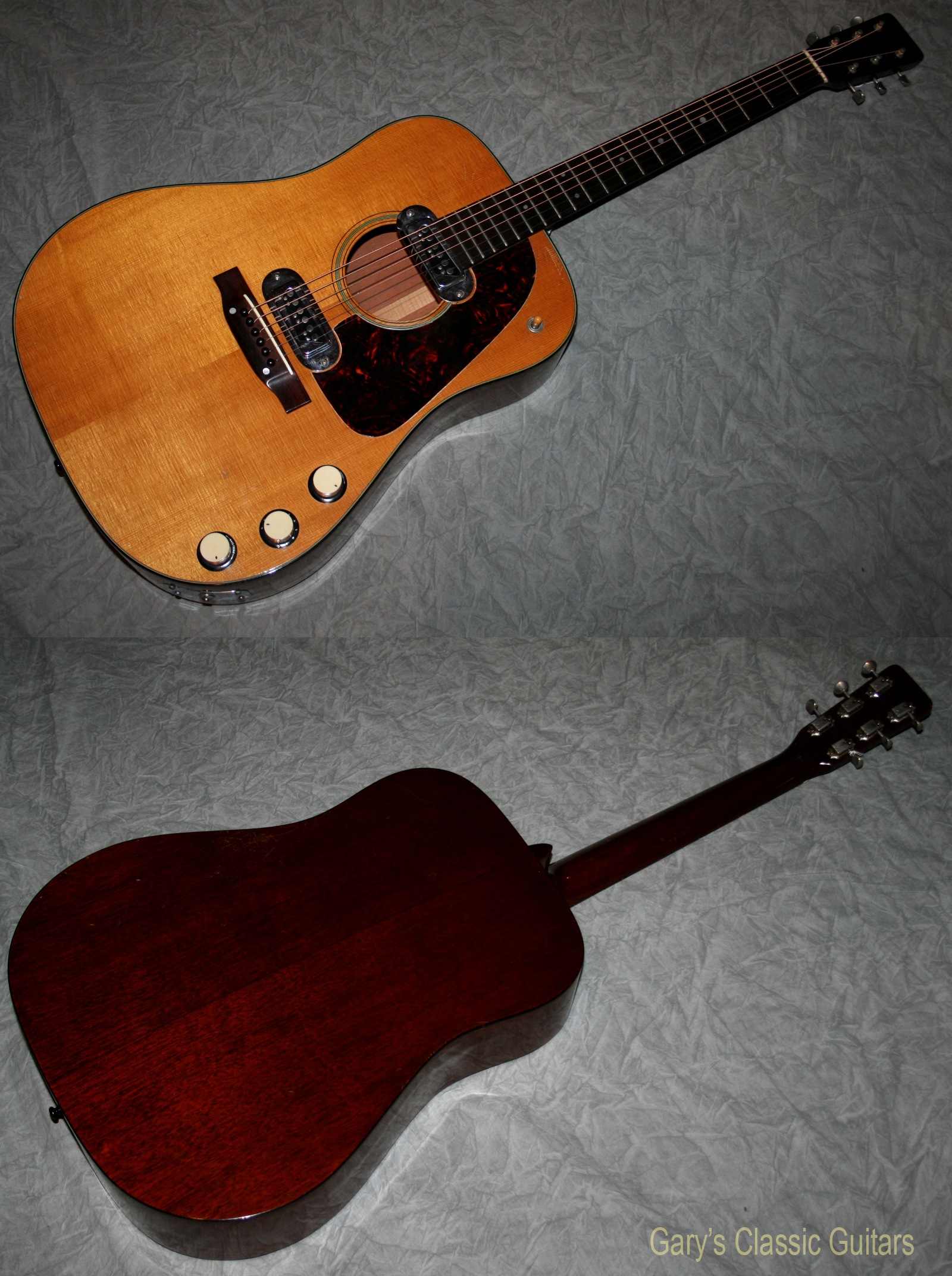
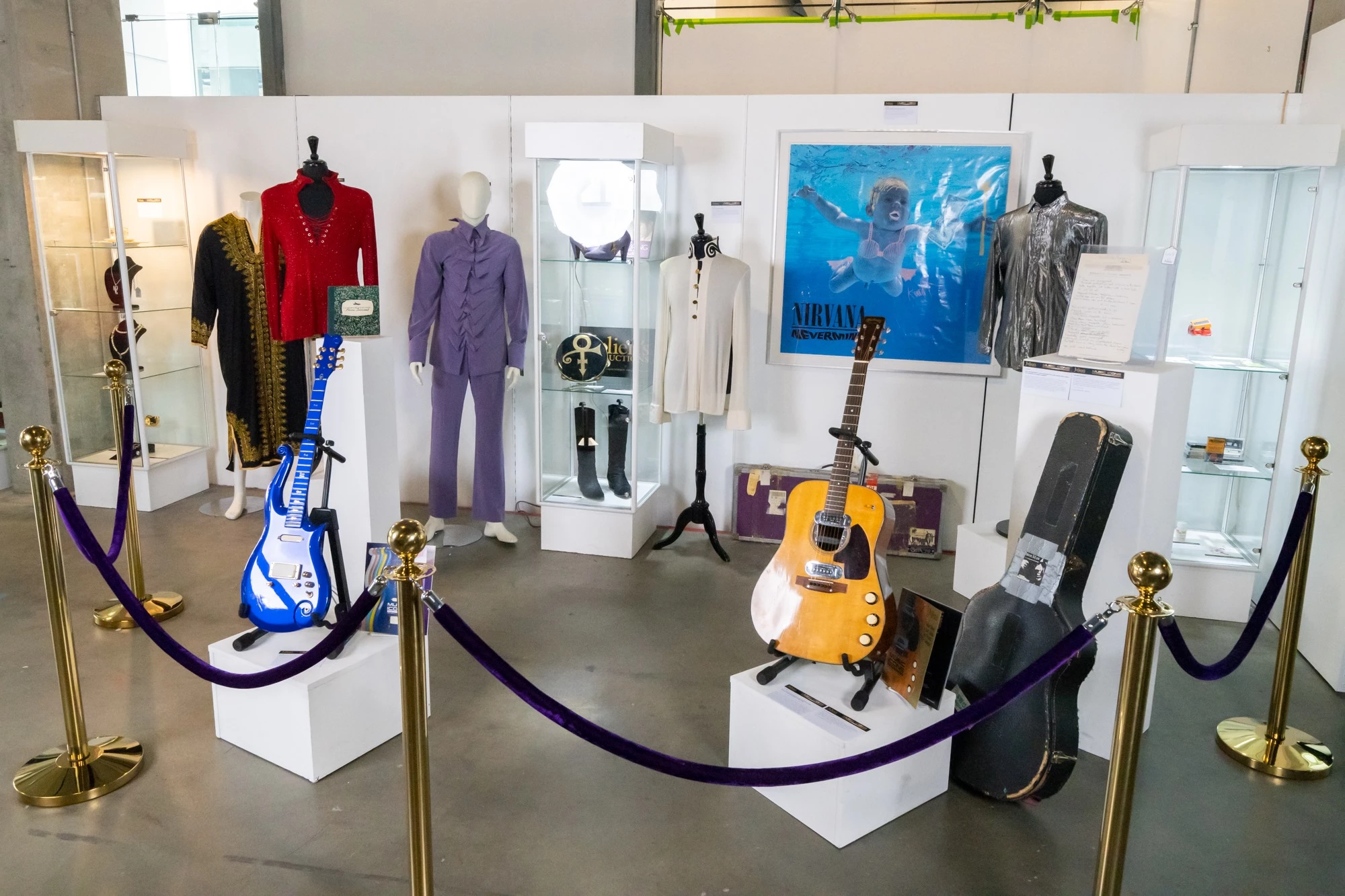
The 1959 Martin D-18E acoustic-electric guitar achieved legendary status when Kurt Cobain played it during Nirvana's iconic 1993 MTV Unplugged in New York performance. This rare instrument—one of only 302 ever built by C.F. Martin & Co.—combined vintage acoustic craftsmanship with primitive 1950s DeArmond magnetic pickups, bridging two entirely different eras of guitar history and later commanding a record-breaking $6.01 million at auction in 2020.
Introduction: The Intersection of Rare Luthier Work and Grunge Royalty
When examining the intersection of rare vintage guitars and rock-and-roll history, few instruments evoke as much fascination, mystery, and financial gravity as the 1959 Martin D-18E wielded by Kurt Cobain. Recorded on November 18, 1993, in front of a small studio audience in New York City, Nirvana’s MTV Unplugged session offered a stark departure from the band’s high-energy electric fuzz. Stripped of distortion pedals and massive stack amplifiers, Cobain relied on an eccentric, factory-installed pickup-equipped acoustic guitar that was, ironically, largely considered a historical footnote by purists until that very evening.
To understand the connection between the 18 Martin D-18E and Kurt Cobain, one must look beyond the tabloid headlines of its multi-million dollar auction sales. This article explores the manufacturing history of the D-18E, the technical specifications that made it unique, the context of its use on MTV Unplugged, and the subsequent legal and cultural debates that surround the instrument today. By tracing the lineage of serial number 349139, guitar historians and music fans alike can appreciate how an overlooked commercial failure became one of the most sacred artifacts in modern music history.
The Origins of the Martin D-18E
C.F. Martin & Company, established in 1833, built its reputation on producing some of the finest traditional acoustic steel-string guitars in the world. Models like the standard D-18—featuring a mahogany back and sides paired with a Sitka spruce top—became industry standards for bluegrass, folk, and country musicians. However, by the late 1950s, the rise of rock and roll and the burgeoning popularity of electric guitars forced traditional acoustic manufacturers to experiment with built-in amplification.
In 1958, Martin introduced the "E-series," which included electrified versions of the 00-18E, 000-18E, and the dreadnought-sized D-18E. These instruments were designed to compete with early Gibson and Epiphone electric-acoustics.
Key Design and Construction Characteristics
- Top Wood: Solid Sitka spruce, featuring standard X-bracing adapted to accommodate internal electronics.
- Back and Sides: Genuine Honduran mahogany, delivering a dry, woody, and focused midrange response.
- Neck: Mahogany with a traditional vintage profile, topped with a Brazilian rosewood fingerboard.
- Electronics: Two adjustable DeArmond magnetic single-coil pickups mounted directly into the soundboard, wired to two rotary control knobs and a standard quarter-inch output jack mounted on the lower treble-side rim.
Despite Martin's historic prestige, the D-18E was a commercial failure. Production numbers reflect this lack of market acceptance: Martin manufactured only 126 units in 1958, 169 units in 1959, and a mere 7 units in 1960, bringing the total production run to just 302 instruments.
Musicians and critics at the time found the guitar problematic. The DeArmond magnetic pickups sat flat against the top, requiring heavy bronze-wound strings to interact properly with the magnets, which altered the natural acoustic resonance of the instrument. When plugged into an amplifier, the guitar was notoriously prone to feedback—a characteristic that plagued early acoustic-electric experiments. Consequently, most D-18Es languished in closets or music store backrooms, heavily modified by owners who removed the pickups entirely to convert them into standard acoustic guitars.
Kurt Cobain, Nirvana, and MTV Unplugged in New York
By late 1993, Nirvana was at the peak of its cultural influence, yet Kurt Cobain was physically and emotionally exhausted. Seeking a more intimate medium for their television special, the band opted for an acoustic set. While rhythm guitarist Pat Smear played a standard acoustic, and guest cellist Lori Goldston provided orchestral depth, Cobain selected the 1959 Martin D-18E.
According to various accounts from guitar technicians and band associates, Cobain acquired the D-18E from a local Los Angeles music shop shortly before the performance. Because the guitar featured magnetic pickups, Cobain could plug it directly into a Fender Bassman amplifier and process his tone through a Boss DS-1 distortion pedal and a small chorus unit during numbers like "The Man Who Sold the World" and "Jesus Doesn't Want Me for a Sunbeam."
This setup created the distinctive sonic paradox of the performance: an acoustic guitar body driven by electric amplification, delivering a warm, woody growl that cut through the mix without standard acoustic feedback issues.
| Feature | Standard 1959 Martin D-18 | 1959 Martin D-18E (Cobain Spec) |
|---|---|---|
| Top Wood | Sitka Spruce | Sitka Spruce |
| Back/Sides | Honduran Mahogany | Honduran Mahogany |
| Electronics | None (Pure Acoustic) | Dual DeArmond Pickups, Volume/Tone Knobs |
| Output Jack | None (Endpin) | Rim-Mounted 1/4-inch Jack |
| Total Production | Thousands (Standard D-18 line) | 302 Total Units (1958–1960) |
| Cultural Significance | Bluegrass and folk staple | MTV Unplugged performance artifact |
The Aftermath: Auctions, Legal Battles, and Ownership History
Following Cobain’s tragic death in April 1994, his personal effects, including his collection of left-handed and modified right-handed guitars, became subjects of intense public fascination and legal scrutiny. The 1959 Martin D-18E remained within the Cobain family estate for years before entering the public collector market.
In June 2020, Julien's Auctions hosted a high-profile entertainment memorabilia sale in Beverly Hills, California, where the D-18E was put up for auction. Bidding escalated rapidly, culminating in a winning bid of $6.01 million placed by Peter Freedman, the founder of Røde Microphones. This sale set a world record for the most expensive guitar ever sold at auction, surpassing records previously held by David Gilmour’s "Black Strat" and other historic rock instruments.
Subsequent Controversies
The high-stakes sale of Cobain’s instruments has not been without friction. The guitar became the center of a high-profile family legal dispute involving Frances Bean Cobain's former husband, Isaiah Silva, who claimed Kurt's daughter had gifted him the guitar as a wedding present—a claim the family and estate disputed. While Silva ultimately retained ownership of a different instrument in a settlement, the Martin D-18E itself was safely secured by Freedman, who has utilized it to raise awareness for mental health charities and support struggling musicians through global exhibition tours.
Practical Realities of Owning a Vintage D-18E Today
For modern guitar collectors and players, the mystique surrounding the D-18E often overshadows its actual utility as an instrument. Owning a surviving example from the 302-unit production run requires navigating several significant challenges:
- Structural Aging: Guitars from 1959 are approaching 70 years of age. Issues such as neck reset requirements, dry mahogany cracking, and loose internal bracing are common and require expert luthier intervention.
- Electronics Degradation: The original DeArmond pickups and wiring harnesses are susceptible to magnetic degradation, microphonic feedback, and wiring corrosion. Restoring or shielding these electronics without compromising vintage integrity is exceptionally difficult.
- Market Valuation: Because of the "Cobain effect," even standard, non-celebrity-owned D-18Es command significant premiums in the vintage market, often priced well above standard 1959 D-18 models despite the D-18E's historically inferior unplugged acoustic projection.
Frequently Asked Questions
Did Kurt Cobain play the Martin D-18E left-handed?
Yes. Like most of his guitars, Cobain was a left-handed player. Because the D-18E was built as a right-handed instrument with factory-installed controls and a pickguard on the standard side, Cobain simply strung it upside down for left-handed play, leaving the volume and tone knobs positioned on the top edge of the guitar during performance.
How many 1959 Martin D-18E guitars were actually made?
Martin produced a total of 302 D-18E guitars across three calendar years: 126 in 1958, 169 in 1959, and 7 in 1960. Surviving all-original examples are exceptionally rare, as many owners removed the cumbersome DeArmond pickups over the decades.
Why did Kurt Cobain use an acoustic guitar with an amplifier on MTV Unplugged?
Cobain wanted the organic resonance of an acoustic body, but he also relied on his familiar electric pedalboard chain—including distortion and chorus pedals—to achieve his signature tone. The D-18E's magnetic pickups allowed him to run a hybrid setup that bridged acoustic warmth with electric signal processing.
Who currently owns the 1959 Martin D-18E used by Kurt Cobain?
Australian businessman and audio equipment manufacturer Peter Freedman purchased the guitar at a Julien's Auctions event in June 2020 for $6.01 million. Freedman has since displayed the instrument in various international museums and charity exhibitions.
Are standard 1959 Martin D-18 guitars as expensive as the D-18E?
While standard 1959 D-18s (non-electric models) are highly prized by vintage collectors and command tens of thousands of dollars due to their superior acoustic tone, they do not reach the multimillion-dollar valuations of Kurt Cobain's specific electrified variant, which benefits from intense pop-culture provenance.
Conclusion and Recommendations
The pairing of the 18 Martin D-18E and Kurt Cobain represents one of those rare historical convergences where a flawed, commercially unsuccessful product found its ultimate purpose through the hands of a generational artist. For collectors, understanding this instrument requires separating the mythos of MTV Unplugged from the quirky engineering realities of 1950s acoustic-electric innovation. If you are examining vintage Martin instruments or evaluating historical rock memorabilia, always verify serial numbers, check for original component modifications, and consult certified vintage guitar authentication experts before making acquisitions or financial investments.