The 2020s have redefined television through massive streaming blockbusters, global cultural moments, and high-budget event series that dominated critical discourse and audience metrics. Defined by the maturation of on-demand streaming platforms, this decade's biggest hits combined cinematic production values with serialized storytelling, capturing worldwide attention amidst shifting media consumption habits.
Television in the 2020s underwent a profound structural evolution. Driven by the rapid expansion of subscription streaming services—such as Netflix, HBO Max (subsequently rebranded as Max), Disney+, and Prime Video—the traditional television landscape decentralized entirely. Viewers moved away from traditional weekly broadcast schedules toward synchronized global binge releases and hybrid drop models. This decade also solidified the era of peak franchise television, where intellectual properties from comic books, video games, and fantasy literature commanded unprecedented production budgets, often rivaling Hollywood blockbusters.
Evaluating the popularity of television shows in the modern era requires a multifaceted approach. Traditional Nielsen ratings no longer capture the complete picture, as streaming services rely on proprietary metrics, total hours viewed, completion rates, and global social media penetration. Cultural impact, meme saturation, soundtrack revivals, and merchandise sales also serve as vital indicators of a series' reach. Below is a comprehensive breakdown of the ten most popular television shows that defined the 2020s, examining their cultural footprints, production scales, and enduring legacies.
1. Squid Game (Netflix)
Premiering in September 2018—oh, correction, September 2021—Squid Game became an overnight global phenomenon, quickly establishing itself as Netflix's most-watched series of all time. Created by Hwang Dong-hyuk, the South Korean dystopian thriller follows a group of financially desperate individuals who risk their lives playing deadly children's games for a massive cash prize.
The series resonated deeply with global audiences due to its biting social commentary on capitalism, income inequality, and human desperation. Its striking visual design—characterized by green tracksuits, pink guard jumpsuits, and surreal, giant playground sets—spawned a massive wave of Halloween costumes, video game adaptations, and real-world reality competition spin-offs. Squid Game broke language barriers, proving that subtitled international content could achieve unprecedented mainstream dominance in Western markets.
2. Stranger Things (Netflix)
While Stranger Things debuted in the late 2010s, its sprawling fourth season in 2022 and subsequent cultural milestones firmly cemented its status as a defining pillar of 2020s pop culture. Created by the Duffer brothers, the sci-fi horror series expertly leveraged 1980s nostalgia while scaling its production values to cinematic heights.
The 2020s era of Stranger Things is best remembered for its record-breaking viewership numbers, particularly during Season 4, which crashed Netflix servers upon release due to unprecedented demand. The show single-handedly propelled Kate Bush’s 1985 single "Running Up That Hill" back to the top of global music charts decades after its release, showcasing the extraordinary cross-media influence of 2020s streaming hits.
3. Succession (HBO)
As a masterclass in modern prestige television, HBO’s Succession dominated critical acclaim and watercooler conversations throughout the first half of the decade. Created by Jesse Armstrong, the satirical comedy-drama chronicles the dysfunctional Roy family, owners of a global media and entertainment conglomerate, as they fight for control of the company amid aging patriarch Logan Roy's declining health.
Succession captured the zeitgeist of the 2020s through its razor-sharp writing, exceptional ensemble performances, and uncomfortable realism regarding corporate greed, media influence, and generational trauma. The show's dialogue became a permanent fixture of internet lexicon, and its final season in 2023 delivered a masterclass in serialized drama pacing, cementing its status as one of the definitive artistic achievements of the decade.
4. Wednesday (Netflix)
Directed in part by Tim Burton, Wednesday debuted in late 2022 and instantly shattered streaming records for an English-language series on Netflix. Focusing on Wednesday Addams as a student at Nevermore Academy, the supernatural mystery series blended dark comedy, teen drama, and gothic aesthetics.
The show's massive popularity was amplified by viral social media moments, most notably the titular character's idiosyncratic dance choreography in Episode 4, which inspired millions of user-generated recreation videos across TikTok and Instagram. By successfully modernizing a classic IP for a new generation of digital-first viewers, Wednesday established itself as a premier example of 2020s platform-driven event television.
5. The Last of Us (HBO)
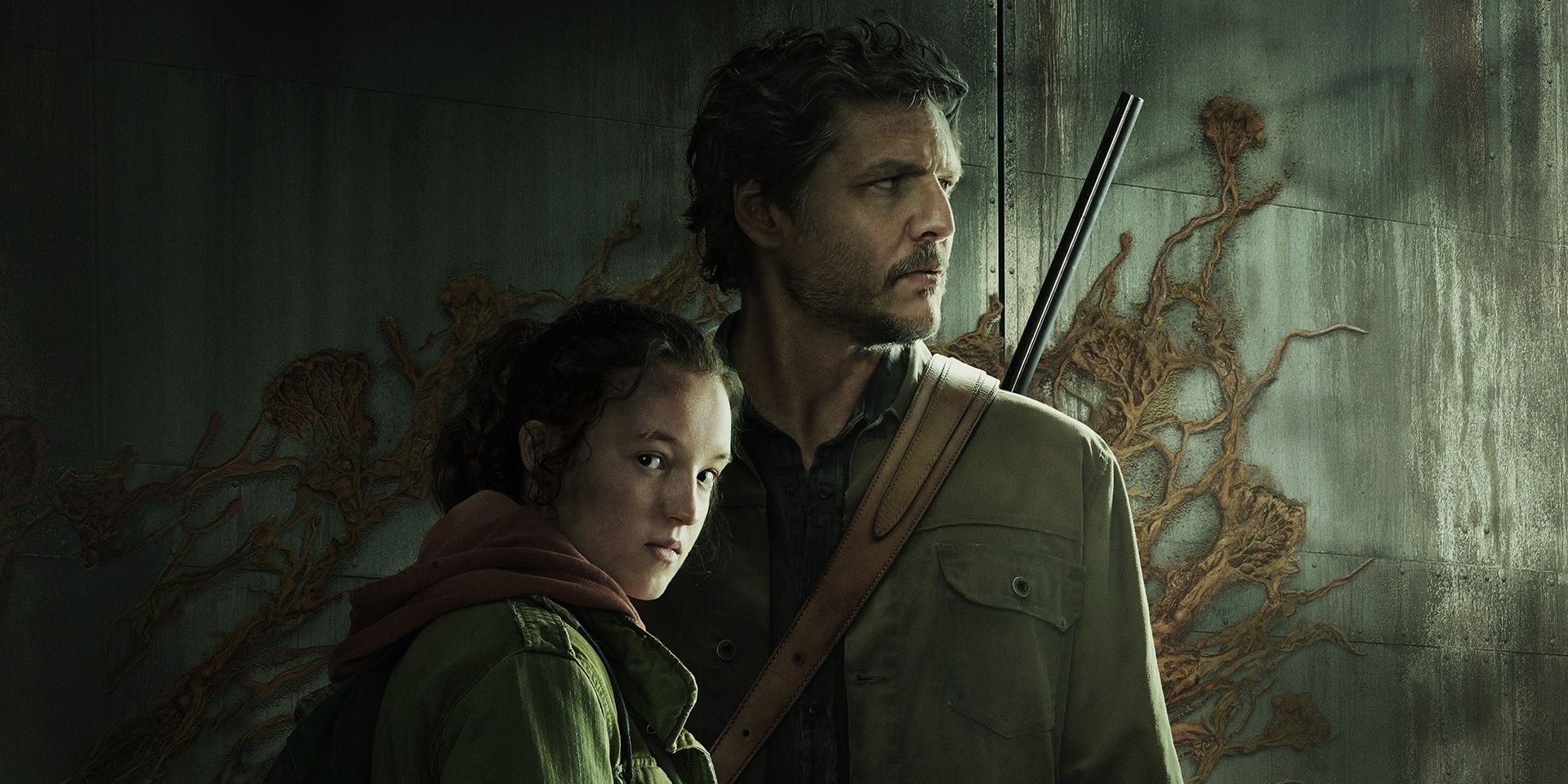
Adapting a critically acclaimed video game for television historically carried a heavy curse of failure, but HBO’s The Last of Us shattered that precedent in early 2023. Developed by Craig Mazin and Neil Druckmann, the post-apocalyptic drama follows hardened smuggler Joel as he escorts teenager Ellie across a collapsed United States ravaged by a fungal infection.
The series earned widespread acclaim for its emotional depth, faithful yet expansive world-building, and standout performances by Pedro Pascal and Bella Ramsey. It proved that video game adaptations could achieve the highest levels of prestige television, drawing massive live-plus-same-day viewership numbers that rivaled traditional network giants and expanding the cultural footprint of its source material to entirely new demographics.
6. Ted Lasso (Apple TV+)
Amidst the anxiety and uncertainty of the early 2020s, Apple TV+'s Ted Lasso emerged as a global comfort-watch phenomenon. Starring Jason Sudeikis as an optimistic American college football coach hired to manage a struggling British association football team, the comedy series championed themes of empathy, mental health, and community.
Ted Lasso became Apple TV+'s breakout hit, turning the nascent streaming service into a serious contender in the streaming wars. Its wholesome message struck a chord with global audiences navigating a turbulent decade, earning numerous Emmy Awards and transforming its fictional AFC Richmond kit into a globally recognized symbol of positivity and sportsmanship.
7. Euphoria (HBO)
HBO’s Euphoria, created by Sam Levinson, defined the aesthetic and emotional landscape of youth culture in the early 2020s. Following a group of high school students navigating love, identity, trauma, drugs, and social media, the teen drama became a massive cultural talking point.
Renowned for its daring cinematography, atmospheric score by Labrinth, and bold makeup trends that dominated real-world beauty standards, Euphoria turned its young cast—led by Zendaya—into global superstars. While the series sparked frequent critical debates regarding its explicit content, its undeniable cultural footprint made it one of the most heavily discussed and analyzed television properties of the decade.
8. The Mandalorian (Disney+)
As the flagship launch title for Disney+ in late 2019, The Mandalorian carried the Star Wars franchise through the early 2020s. Created by Jon Favreau, the space western series follows a lone bounty hunter as he protects a force-sensitive infant colloquially dubbed "Baby Yoda" (Grogu).
The Mandalorian revitalized public enthusiasm for the Star Wars universe after a series of polarizing theatrical releases. Furthermore, the show served as a major technological milestone for the industry, pioneering the use of StageCraft—an immersive LED video wall virtual production environment—which fundamentally changed how high-budget television and film projects are shot globally.
9. The White Lotus (HBO)
Mike White’s satirical anthology series The White Lotus became an unexpected cultural juggernaut for HBO upon its 2021 debut, successfully capturing the zeitgeist of modern wealth, privilege, and interpersonal awkwardness. Each season follows the eccentric guests and beleaguered staff at fictional upscale resort locations over the course of a week.
Driven by an ensemble cast, sharp social commentary, and Cristobal Tapia de Veer's infectious, tribal-infused theme music that became a viral internet sensation, the show turned appointment viewing into a social media sport. Speculation over who would die in each season's opening flash-forward galvanized online fan communities, making it one of the decade's premier watercooler hits.
10. The Crown (Netflix)
Netflix’s historical drama chronicling the reign of Queen Elizabeth II maintained a towering presence throughout the 2020s, bridging the gap between traditional prestige costume dramas and modern streaming consumption. Spanning multiple generational casting iterations, the series offered a dramatized look at the political rivalries, romance, and global events that shaped the second half of the twentieth century.
The show gained intense, unprecedented real-world relevance in September 2022 following the passing of Queen Elizabeth II, which caused viewership figures to surge worldwide as audiences sought historical context and emotional resonance. Its meticulous production design, sweeping orchestral scores, and high-stakes royal drama cemented its legacy as a foundational pillar of 2020s television history.
Comparative Overview of 2020s Hit Series
To understand how these cultural powerhouses operated across different platforms and models, the following table compares key production and distribution attributes:
| Show Title | Primary Platform | Genre | Defining Trait / Cultural Impact |
|---|---|---|---|
| Squid Game | Netflix | Dystopian Thriller | Highest-watched global non-English linguistic crossover hit. |
| Stranger Things | Netflix | Sci-Fi / Horror | Record-breaking binge drops and 1980s music revivals. |
| Succession | HBO / Max | Satirical Drama | Ultimate prestige corporate satire and internet lexicon generator. |
| Wednesday | Netflix | Supernatural Mystery | Viral TikTok choreography and gothic teen demographic dominance. |
| The Last of Us | HBO / Max | Post-Apocalyptic Drama | Broke the video game adaptation curse with cinematic storytelling. |
| Ted Lasso | Apple TV+ | Comedy | Global comfort watch championing empathy and mental health. |
| Euphoria | HBO / Max | Teen Drama | Defined modern youth culture aesthetics, fashion, and makeup trends. |
| The Mandalorian | Disney+ | Space Western | Pioneered StageCraft virtual production technology for Star Wars. |
| The White Lotus | HBO / Max | Satirical Anthology | Viral theme music and social media murder-mystery speculation. |
| The Crown | Netflix | Historical Drama | Prestige historical epic with surging real-world cultural relevance. |
Frequently Asked Questions
How are TV show popularity and viewership measured in the 2020s?
Unlike the traditional Nielsen ratings system used for legacy broadcast television, streaming platforms in the 2020s rely on proprietary internal metrics, total hours streamed, and completion rates. Independent third-party analytics firms like Nielsen Streaming Top 10, Samba TV, and Parrot Analytics also estimate popularity using panel data, smart TV viewing recognition software, and social media engagement metrics to cross-reference cultural reach.
What caused the shift toward prestige limited series and anthologies in this decade?
Audiences and creators in the 2020s increasingly favored serialized, self-contained narratives over traditional open-ended network formulas spanning 22 episodes a year. Limited series and anthologies like The White Lotus allow high-profile film actors and directors to commit to television projects without multi-year contractual obligations, resulting in tighter pacing, higher production values, and cinematic artistic execution.
How did the COVID-19 pandemic impact television production in the 2020s?
The pandemic caused unprecedented production shutdowns, supply chain delays, and soaring safety compliance costs across the industry between 2020 and 2022. This resulted in extended gaps between seasons for major shows, accelerated the adoption of virtual production technologies like LED volume stages to reduce location shooting, and temporarily surged global streaming subscription numbers as home-bound audiences drove demand to historic highs.
Why did non-English language shows like Squid Game achieve mainstream global success?
Widespread adoption of high-speed broadband, sophisticated subtitling technology, and algorithmic recommendation models on global streaming platforms lowered traditional barriers to international content. When combined with universal thematic elements—such as economic disparity in Squid Game—global audiences proved increasingly willing to embrace subtitles and dubbed foreign-language productions, permanently expanding the horizon of mainstream entertainment.
Next Steps for Media Enthusiasts
For viewers looking to explore the defining television landscape of the 2020s, the most effective approach is to sample across competing streaming ecosystems rather than remaining anchored to a single platform. Because licensing windows shift rapidly, utilizing aggregator services or official platform watchlists can help track availability. Reviewing critical retrospectives and industry analysis publications will also provide deeper context into how these milestone productions continue to shape the future of global entertainment.