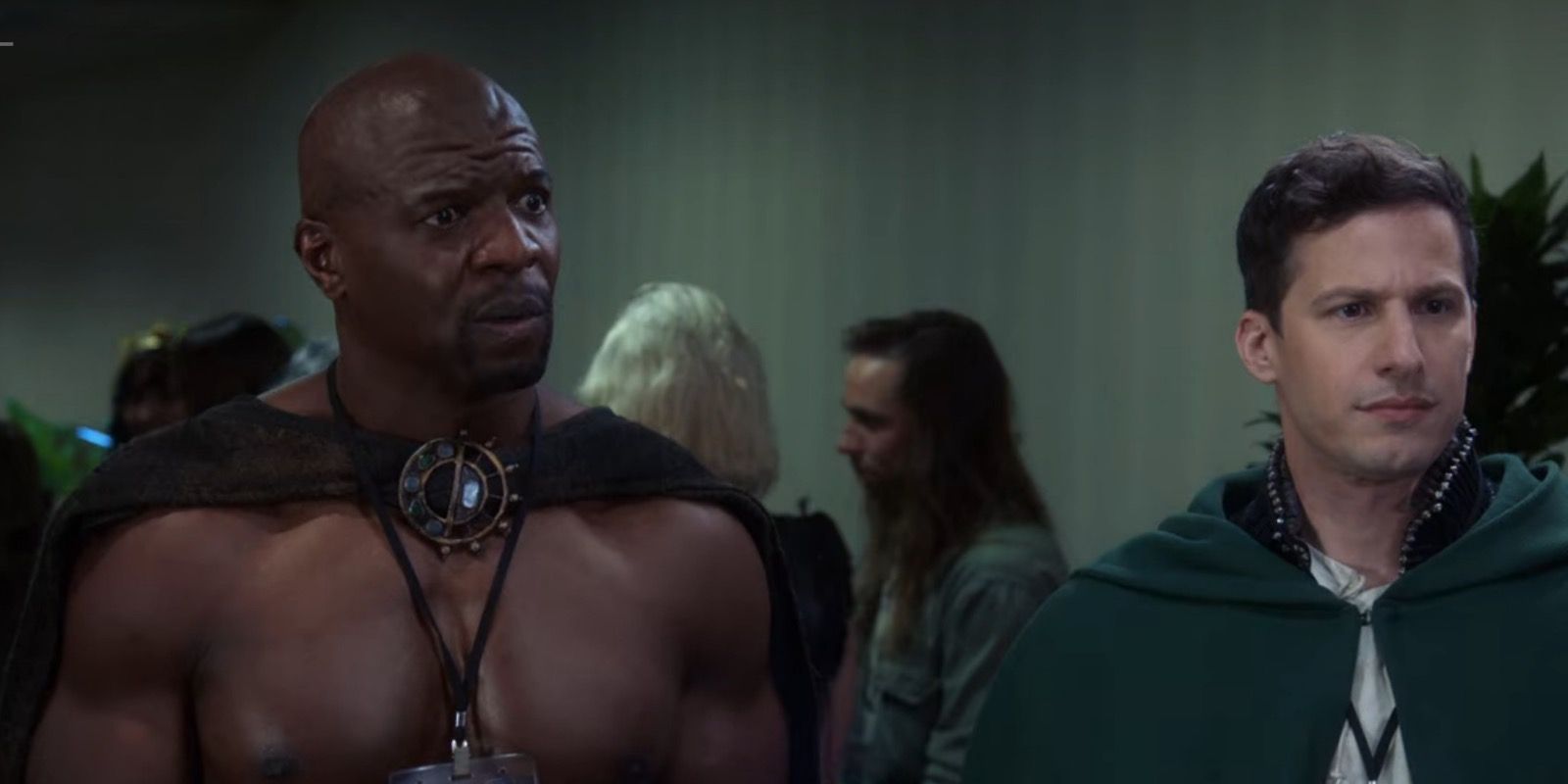
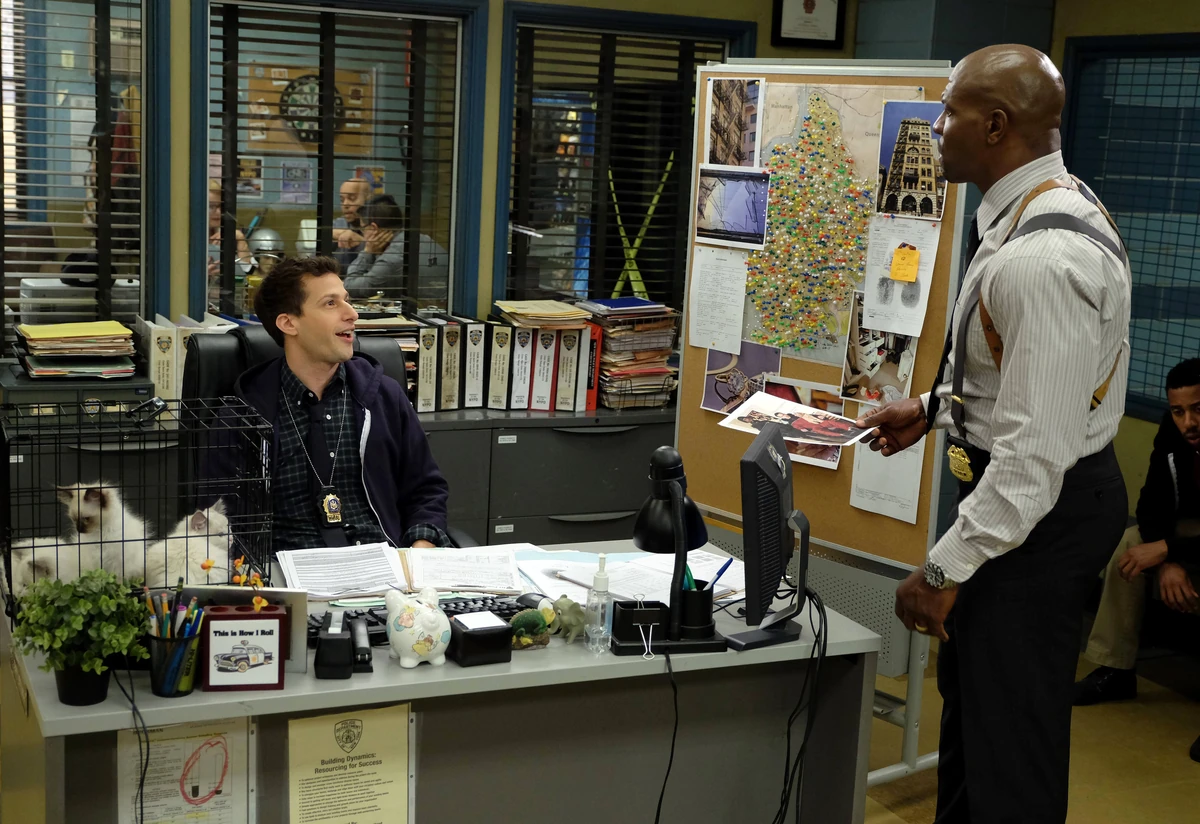
Terry Jeffords, portrayed by actor Terry Crews in the critically acclaimed police procedural sitcom Brooklyn Nine-Nine, stands as one of modern television's most beloved and subverted sitcom archetypes. When examining television characters, the search string "1 terry brooklyn 99" frequently surfaces among fans, trivia enthusiasts, and analysts attempting to pinpoint his definitive character arcs, iconic introductory episodes, or his foundational positioning within the Nine-Nine precinct. As the towering, yogurt-loving, and fiercely protective sergeant who eventually ascends to captain, Terry Jeffords anchors the emotional and comedic core of the show.
This comprehensive analysis explores the character’s origins, his evolution across the series' eight seasons, the unique thematic elements of his persona, and his lasting cultural impact on contemporary comedy television.
The Foundations of Terry Jeffords: Character Identity and Introduction
To understand Terry Jeffords, one must examine how the character was established in the very first episode of Brooklyn Nine-Nine. Introduced as a lieutenant—though quickly referred to and functioning as the precinct sergeant—Terry is initially presented to the audience through a lens of hyper-masculinity and intimidation. Standing at an imposing physical stature with a muscular build, he is immediately contrasted with the eccentricities of his colleagues, particularly Detective Jake Peralta.
However, the series subverts expectations immediately. Rather than playing the traditional "muscle-bound tough guy" trope straight, the writers introduce Terry's internal psychological conflict: a crippling fear of returning to active field duty. Following the birth of his twin daughters, Cagney and Lacey, Terry suffered a near-death experience in the line of duty. This trauma convinced him that he must remain behind a desk to ensure he survives to watch his daughters grow up.
This vulnerability immediately humanizes the character. It establishes Terry not merely as a comedic foil, but as a deeply relatable family man struggling to balance his professional duty with his personal responsibilities. His famous third-person self-referential speech ("Terry loves yogurt," "Terry is going to miss his daughters") becomes an instant trademark, cementing his place as a multi-dimensional sitcom character from his very first appearance.
Evolution Across Eight Seasons: From Desk Duty to Precinct Leadership
Terry’s character arc over the course of Brooklyn Nine-Nine’s 153 episodes is one of the most cohesive and satisfying developments in the series. His journey can be broken down into distinct developmental phases that mirror the broader evolution of the 99th precinct.
Overcoming Trauma and Returning to the Field
In the early seasons, Terry's primary internal conflict revolves around his desk job versus his desire to prove he is still an elite tactical officer. With the encouragement of Captain Ray Holt and his fellow detectives, Terry slowly confronts his anxieties. Episodes highlighting his return to active operations demonstrate that physical strength is secondary to his strategic mind and emotional intelligence.
The Path to Lieutenant and Captain
As the series progresses, Terry’s administrative competence becomes his defining professional trait. He manages the chaotic personalities of the precinct with the patience of a kindergarten teacher dealing with unruly toddlers. His promotion back to Lieutenant and, ultimately, his temporary and eventual permanent leadership roles underscore his growth. Terry proves that effective leadership does not require the draconian stiffness of an institutional martinet, but rather genuine empathy, active listening, and a willingness to protect one's subordinates.
Representation and Social Commentary
Terry Jeffords also serves as a vehicle for important social commentary. As an African American police sergeant in a modern American metropolis, Terry frequently navigates issues related to racial profiling, institutional bias, and police-community relations. Episodes such as "Moo Moo" (Season 4, Episode 16) tackle racial profiling directly when Terry is stopped by a white police officer while searching for his daughters' missing blanket in his own affluent neighborhood. The series handles these heavy themes with nuance, utilizing Terry’s perspective to explore the complexities of wearing a badge while being a Black man in America.
Character Traits, Quirks, and Fan Culture
Much of Terry Jeffords’ enduring popularity stems from his distinct personality traits and running gags. These elements transform him from a standard sitcom authority figure into an unforgettable comedic icon.
- The Yogurt Obsession: Terry's deep appreciation for artisanal and high-fat yogurt is a recurring motif. It highlights his meticulous approach to nutrition balanced with moments of pure culinary hedonism.
- Physicality and Exercise: Terry Crews’ real-life athletic background informs the character's rigorous workout regimen, leading to hilarious scenarios where physical exertion is treated as a spiritual or emotional release.
- The Protective Father: His fierce, often comical devotion to his daughters—Cagney, Lacey, and later Ava—drives many of his funniest panic-induced storylines.
- Nervous Breakdown Manifestations: When under extreme workplace stress, Terry’s composure occasionally shatters into high-pitched vocalizations and existential dread, providing brilliant comedic contrast to his usual stoicism.
Comparative Analysis of Terry Jeffords Across Eras
To fully appreciate the character's trajectory, the following table outlines his status, primary motivations, and narrative focus across different phases of the series.
| Series Phase | Professional Rank | Primary Motivation | Core Narrative Focus |
|---|---|---|---|
| Early Seasons (1–2) | Sergeant / Acting Lieutenant | Survival for his family; avoiding active field work | Overcoming PTSD, establishing precinct dynamics, desk-bound comedy |
| Middle Seasons (3–5) | Sergeant | Career advancement; supporting Captain Holt | Stepping back into the field, handling complex squad investigations |
| Later Seasons (6–8) | Lieutenant / Captain | Systemic reform; protecting the precinct's legacy | Navigating institutional politics, social issues, fatherhood maturity |
Frequently Asked Questions
Why is Terry Jeffords so central to the Brooklyn Nine-Nine dynamic?
Terry acts as the emotional anchor and stabilizing force of the 99th precinct. While Jake Peralta brings chaos and Captain Holt brings rigid formality, Terry bridges the gap between them, ensuring the team remains functional, unified, and emotionally supported through crises.
What are some of Terry Jeffords' most iconic episodes?
Key episodes featuring Terry include "Moo Moo" (focusing on racial profiling), "The Terry Jeffords Tour" (highlighting his physical routines and personal anxieties), and various Halloween Heist episodes where his competitive nature and strategic mind are put to the test.
How does Terry Crews' real-life personality influence the character?
Terry Crews injected much of his own life experiences, physical fitness background, artistic talents (as Terry is also an artist in the show), and positive, energetic outlook into Terry Jeffords, making the character feel authentic and deeply endearing.
Does Terry Jeffords become the captain of the 99th precinct?
Yes. In the series finale, following Captain Holt’s promotion to Deputy Commissioner, Terry is named the new Captain of the 99th precinct, representing the ultimate culmination of his professional growth and dedication to the squad.
Practical Next Actions for Fans and Analysts
For viewers looking to dive deeper into the character of Terry Jeffords or analyze Brooklyn Nine-Nine from a critical perspective, consider the following approaches:
- Revisit Thematic Episodes: Watch episodes like "Moo Moo" and "The Apartment" to examine how the show balances heavy social commentary with character-driven comedy.
- Explore Behind-the-Scenes Material: Look up Terry Crews' interviews regarding his casting and character development to understand how much of his personal philosophy shaped the role.
- Analyze Ensemble Dynamics: Observe how Terry interacts with different characters—acting as a surrogate father to Jake, a trusted confidant to Holt, and a supportive mentor to Rosa and Amy—to appreciate his multifaceted utility in the ensemble cast.