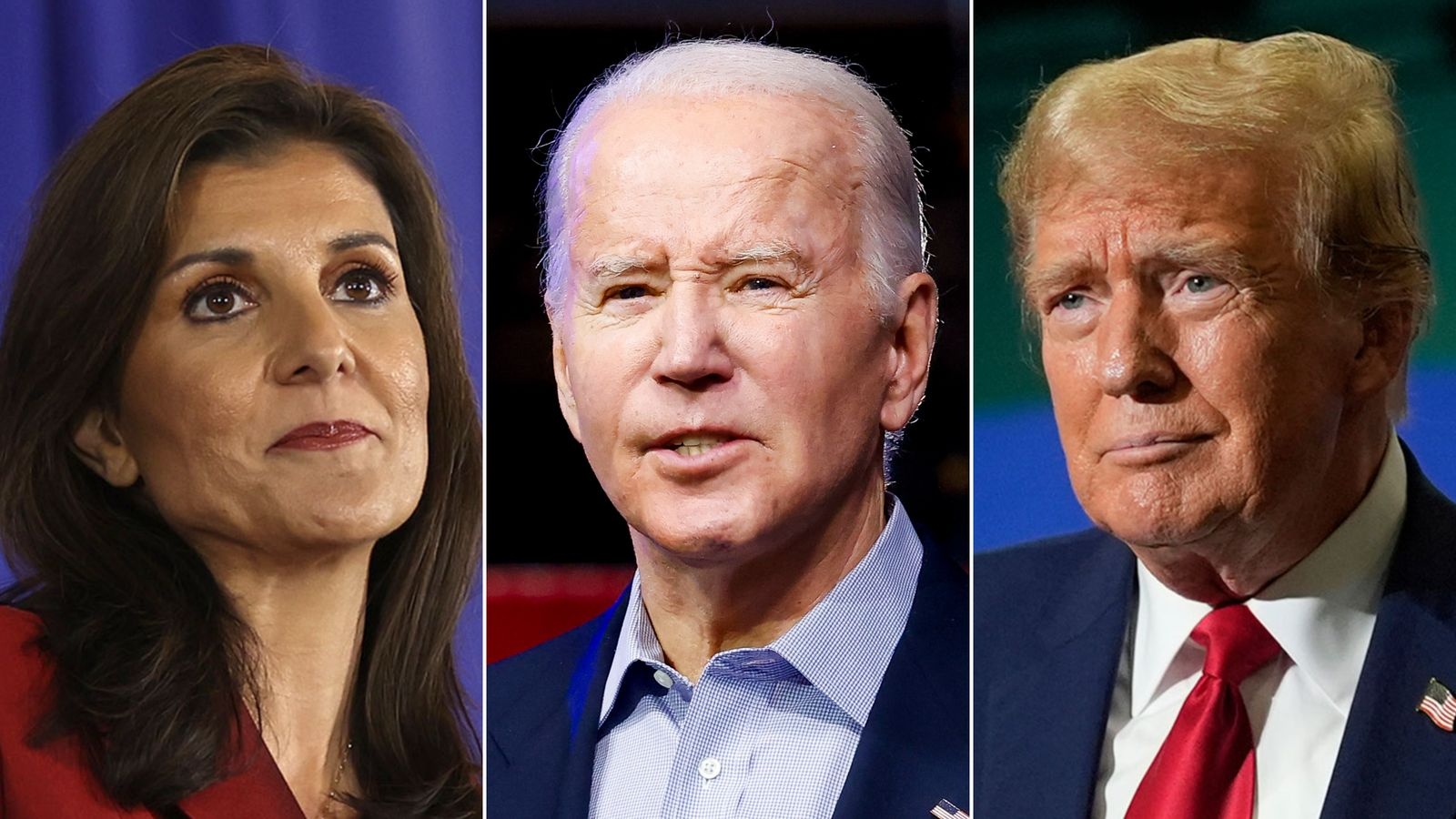
Super Tuesday for the 2028 United States presidential election is forecast to take place on Tuesday, March 7, 2028. This projection is based on historical scheduling patterns established by both the Democratic National Committee and the Republican National Committee, which traditionally place the multi-state primary contest on the first or second Tuesday of March during a presidential election year.
Understanding the Mechanics of the Presidential Primary Calendar
The United States presidential primary calendar is not a monolithic structure governed by a single federal mandate. Instead, it is a complex, decentralized mosaic of state laws, party rules, and national committee bylaws. To understand why the 2028 Super Tuesday date is projected for early March, one must examine how the primary schedule has evolved over recent decades and the specific rules that shape it.
The Role of National Party Committees
Both the Democratic National Committee (DNC) and the Republican National Committee (RNC) establish rules regarding the timing of delegate-selection contests. For decades, both parties have sought to prevent a chaotic "front-loading" stampede where states move their primaries earlier and earlier into January or February.
To enforce order, the parties establish "carve-out" states that are permitted to hold their contests before the traditional multi-state cluster. Historically, these have included Iowa and New Hampshire, though the DNC notably restructured its calendar for the 2024 cycle to place South Carolina first. As planning shifts toward 2028, both parties will re-evaluate these windows. However, the core principle remains: early-window states vote in February, clearing the path for a massive cluster of states to vote on a single Tuesday in March.
State Legislation and Regional Clustering
Individual state legislatures ultimately decide when their primaries or caucuses occur, subject to state party approval. To maximize their political influence, states frequently band together to form regional blocks on Super Tuesday.
- Media and Campaign Efficiency: A concentrated primary day forces candidates to deploy finite financial and organizational resources across multiple media markets simultaneously.
- Voter Attention: A single, high-profile voting day captures national media coverage, driving higher turnout than isolated local contests.
- Delegates at Stake: Super Tuesday typically awards a massive share of the total delegates required to secure the presidential nomination, making it a pivotal threshold for campaign survival.
Projecting the 2028 Super Tuesday Date
Calendar mathematics dictate the range of possible dates for Super Tuesday in any given presidential election year. Because Super Tuesday traditionally falls on the first or second Tuesday in March, examining the calendar for March 2028 reveals precise parameters.
March 2028 Calendar Analysis
Looking forward to March 2028, the month begins on a Wednesday:
- March 1, 2028: Wednesday
- March 2, 2028: Thursday
- March 3, 2028: Friday
- March 4, 2028: Saturday
- March 5, 2028: Sunday
- March 6, 2028: Monday
- March 7, 2028: Tuesday (First Tuesday of the month)
- March 14, 2028: Tuesday (Second Tuesday of the month)
Based on historical precedent, the first Tuesday of March—March 7, 2028—is the overwhelming statistical and structural favorite for the 2028 Super Tuesday contest.
Historical Precedent for Early-to-Mid March Scheduling
Comparing the projected 2028 date with recent election cycles demonstrates strong consistency in party scheduling philosophy:
| Election Cycle | Super Tuesday Date | Days into March | Notes |
|---|---|---|---|
| 2028 (Forecast) | March 7, 2028 | 7 days | First Tuesday; standard alignment. |
| 2024 | March 5, 2024 | 5 days | First Tuesday; featured over 15 concurrent state contests. |
| 2020 | March 3, 2020 | 3 days | First Tuesday; crucial turning point in the Democratic primary. |
| 2016 | March 1, 2016 | 1 day | Earliest possible Tuesday; heavy front-loading. |
| 2008 | February 5, 2008 | N/A (Feb) | Exceptionally early cycle featuring over 20 states. |
As illustrated above, modern primary scheduling strongly favors the earliest possible Tuesday in March to maintain spacing between the initial February contests and the late-spring primary wrap-up.
Key Factors That Could Alter the 2028 Forecast
While March 7, 2028, is the most reliable forecast, several variables can influence or disrupt primary scheduling up until state legislatures officially lock in their dates.
National Committee Rule Changes
Both the DNC and RNC regularly review and revise their delegate-selection rules during the inter-election years (2025–2027). If either party alters the permissible window for non-carve-out states, large blocs of states might be forced to shift their primary dates. For instance, penalties such as the forfeiture of national convention delegates are routinely threatened against states that jump the gun and schedule contests too early.
State-Level Legislative Inertia and Bidding Wars
State lawmakers frequently introduce bills to move their primaries earlier to maximize their state's clout. A "calendar war" can occur if neighboring states attempt to out-maneuver one another. However, the immense financial cost of running a state-funded primary—combined with the desire of state parties to avoid national party sanctions—usually keeps most states aligned with the consensus Super Tuesday window.
Unforeseen Political and Economic Shifts
External events, ranging from legislative deadlocks over election administration funding to changes in state voting laws (such as mail-in voting mandates or shifts from caucuses to primary elections), can alter operational timelines. Nevertheless, these administrative hurdles rarely change the calendar date of Super Tuesday itself, as state election boards plan years in advance.
Preparing for the 2028 Primary Cycle: What Voters and Campaigns Need to Know
For political campaigns, donors, journalists, and voters, anticipating the Super Tuesday schedule requires long-term strategic planning. Because a significant portion of national delegates are allocated on this single day, campaigns cannot treat it as an afterthought.
Strategic Implications for Candidates
Candidates must build national fundraising operations and multi-state ground games years in advance. A poor showing across the diverse demographics of Super Tuesday states typically signals the end of a campaign, making cash reserves heading into early March critical for survival.
Voter Registration and Eligibility Requirements
Voter preparation must begin months before March 2028. Depending on the state, voters must pay close attention to:
- Voter Registration Deadlines: Many states close registration 30 days prior to the primary.
- Party Affiliation Rules: Closed primaries require voters to be registered with a specific party to participate, whereas open primaries offer more flexibility.
- Absentee and Early Voting Windows: Most Super Tuesday states offer extended early in-person voting or no-excuse mail-in voting, effectively turning Super Tuesday into a multi-week voting window rather than a single-day event.
Frequently Asked Questions About Super Tuesday 2028
When is Super Tuesday in 2028?
Super Tuesday in 2028 is forecast to take place on Tuesday, March 7, 2028. This aligns with the traditional scheduling rule of placing the multi-state primary contest on the first Tuesday of March.
Which states typically vote on Super Tuesday?
While exact participation varies by cycle, Super Tuesday historically features a diverse mix of more than a dozen states across the South, West, Midwest, and Northeast. Key participants in recent cycles have included California, Texas, North Carolina, Virginia, and Massachusetts, representing a broad cross-section of the American electorate.
How are delegates allocated on Super Tuesday?
Delegate allocation rules vary by state and by political party. Republicans often use winner-take-all or hybrid systems, while Democrats strictly mandate proportional allocation based on vote percentages, usually requiring candidates to cross a 15% threshold statewide or within congressional districts to win delegates.
Can the Super Tuesday date still change?
Yes. While March 7, 2028, is the projected date based on current party bylaws and calendar math, individual state legislatures retain the legal authority to change their primary dates until election administration deadlines pass in late 2027 or early 2028.
Why is Super Tuesday so important in a presidential election?
Super Tuesday represents the single largest collection of delegates awarded on one day during the primary season. A candidate who builds an insurmountable delegate lead or demonstrates broad national appeal on this day often secures an unassailable path to their party's presidential nomination.
Next Actions for Observers and Participants
To stay informed as the 2028 election cycle approaches, monitor official updates from the Federal Election Commission (FEC), the Democratic National Committee, and the Republican National Committee. State election offices typically publish finalized primary calendars approximately 12 to 18 months prior to the election, confirming exact filing deadlines, voter registration rules, and polling locations.