A ten-year-old cannot legally operate a road-going Lamborghini on public streets, nor can they pilot full-scale, high-performance supercars on professional tracks due to safety and licensing regulations. However, children in this age group can experience the thrill of the brand through specialized junior driving academies, high-end electric ride-on vehicles, and professional simulator experiences designed specifically for their age and skill level.
Understanding the Legal and Physical Constraints
It is a fundamental requirement of automotive law in almost every global jurisdiction that a driver must hold a valid learner's permit or full driver’s license to operate a motor vehicle on public roads. Lamborghini vehicles, known for their high horsepower and sensitive handling, are classified as high-performance sports cars that require advanced motor skills, situational awareness, and physical reach for the pedals—all of which are developmentally beyond the average ten-year-old.
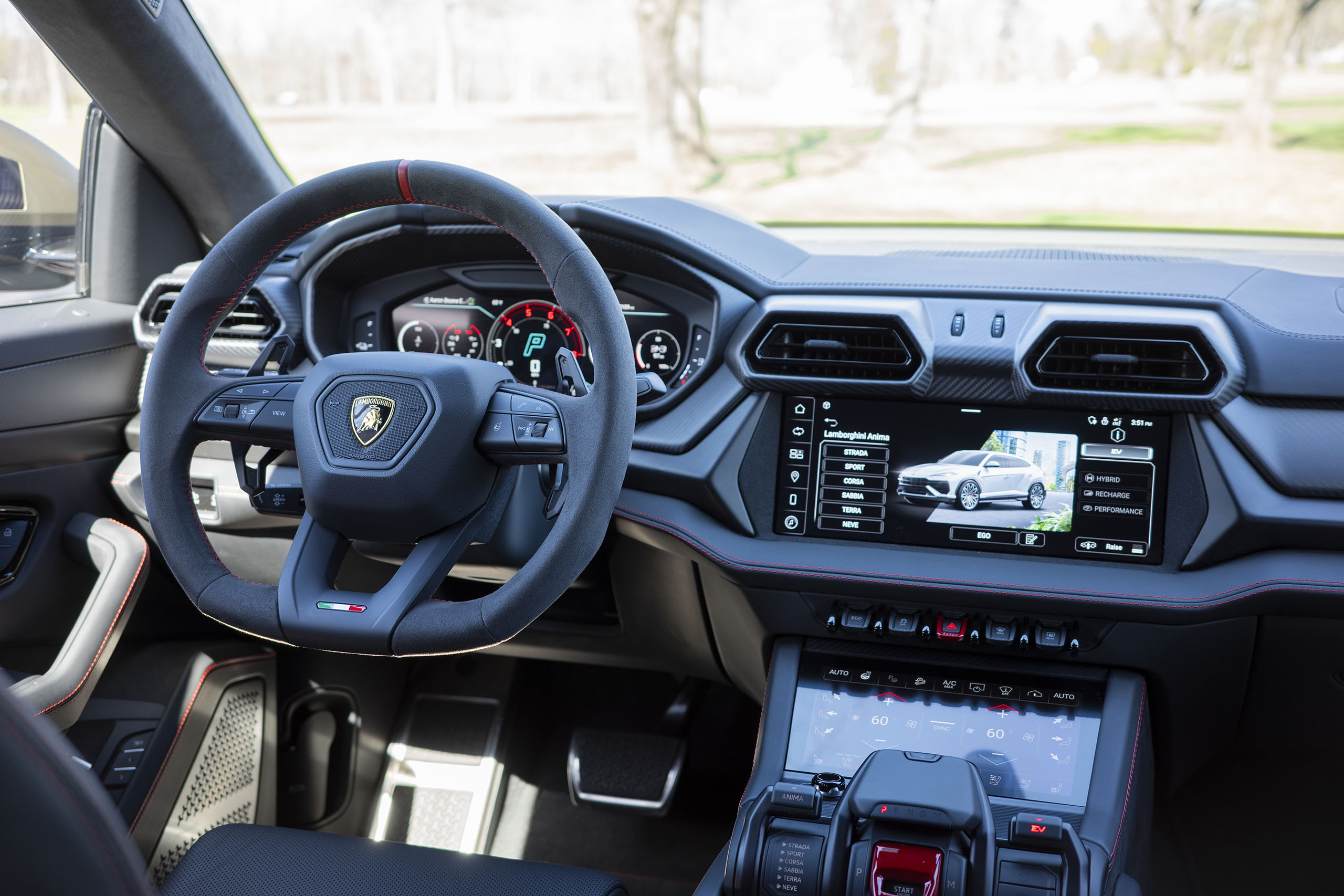
Beyond legal barriers, there is the matter of vehicle ergonomics. The pedal boxes and seating positions in models like the Huracán or Revuelto are engineered for adults. A ten-year-old generally lacks the leg length to safely reach the braking and acceleration inputs while maintaining visibility over the dashboard. Furthermore, the immense torque and acceleration capabilities of these vehicles present extreme safety risks, as a child’s reaction time is not yet fully calibrated for the response speed of a V10 or V12 engine. Consequently, no reputable track experience or dealership offers 10-year-olds the opportunity to drive a full-scale Lamborghini.
Junior Driving Academies and Closed-Course Experiences
While a child cannot drive a full-sized Lamborghini, several specialized "Young Driver" programs operate in the United Kingdom and across Europe. These programs provide a safe, controlled environment where children as young as 10 can get behind the wheel of smaller, restricted-performance vehicles.
These academies focus on the fundamentals of driving—steering, braking, and traffic awareness—using specially modified cars that are limited in speed and size. While these vehicles are rarely actual Lamborghinis, the pedagogical approach is professional, using qualified driving instructors who prioritize safety. For a young enthusiast, these programs serve as the appropriate gateway to automotive proficiency. They offer the foundational skills necessary so that, when the child reaches the legal driving age, they possess the discipline and technique required to eventually handle higher-performance machines.
High-End Ride-on Replicas: The Realistic Alternative
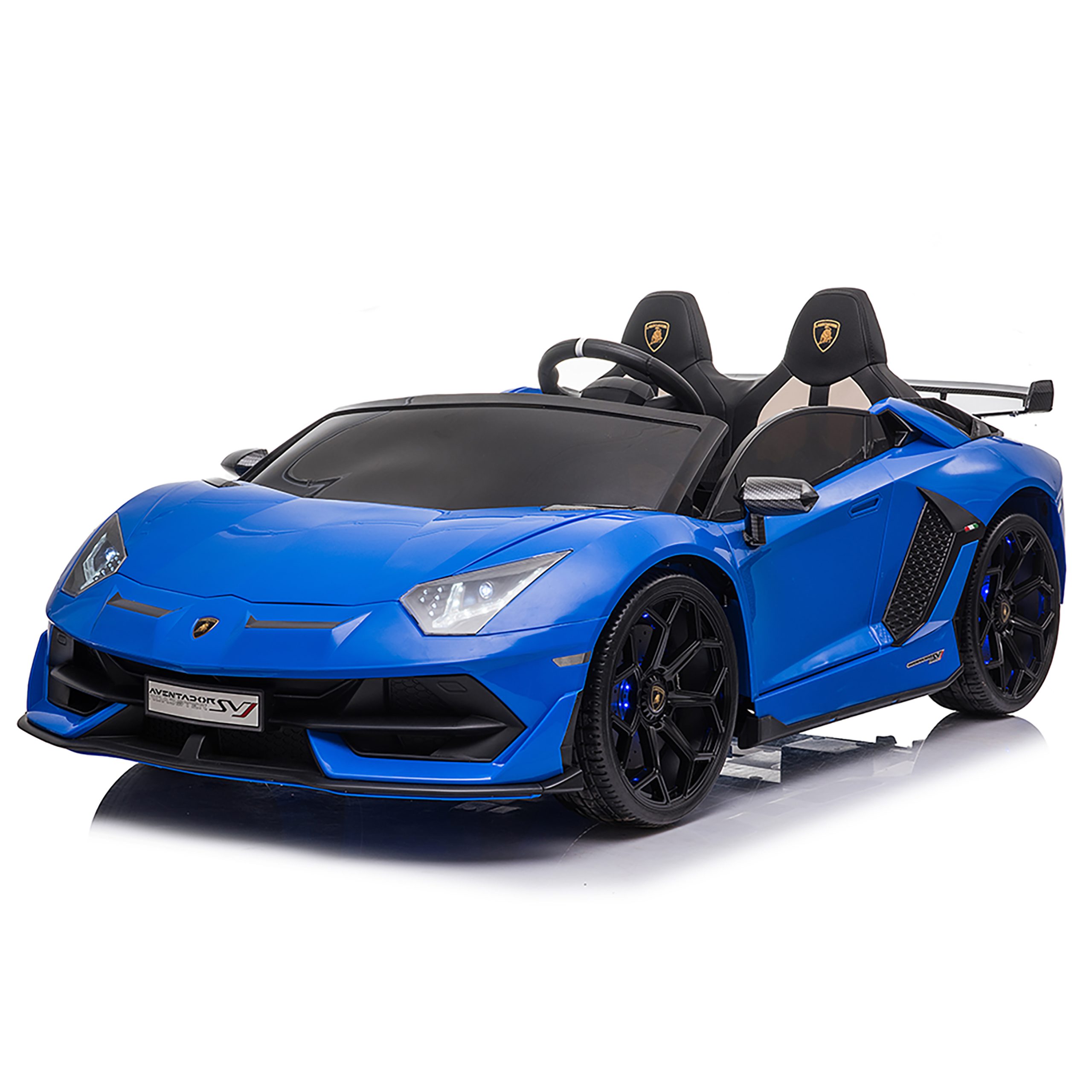
For the ten-year-old enthusiast, the most direct "Lamborghini ownership" experience involves high-end electric ride-on replicas. In 2026, the market for licensed ride-on vehicles has evolved significantly, moving away from simple toys toward high-fidelity scale models.
Companies licensed by Automobili Lamborghini S.p.A. manufacture battery-powered versions of iconic models like the Aventador SVJ or the Sián FKP 37. These units feature:
- Authentic Detailing: Working LED headlights, scissor doors, and realistic dashboard layouts.
- Safety Interlocks: Remote control overrides that allow an adult to intervene or stop the vehicle instantly.
- Adjustable Speeds: Multi-gear systems that allow parents to cap the top speed at a walking pace or a light jog.
- Rubberized Tires: Enhanced traction systems that mimic the grip of performance tires on pavement.
While these do not offer the roar of an internal combustion engine, they provide a tactile, visual, and operational introduction to the brand’s design language. For a 10-year-old, these are often the best way to enjoy the "Lamborghini lifestyle" within the bounds of physical safety and parental supervision.
Professional Racing Simulators and Esports
Perhaps the most authentic way for a 10-year-old to experience driving a Lamborghini is through high-end racing simulation. Professional-grade simulation rigs, such as those used by professional drivers for training, allow a child to drive a digital twin of a Lamborghini GT3 or Huracán Super Trofeo car.
Simulators provide a 1:1 match in terms of the car’s handling physics, gear shifting, and track geometry. Many gaming centers and professional training facilities offer sessions where children can sit in a static rig with a direct-drive steering wheel and force-feedback pedals. Because this environment is entirely digital, the risk of physical injury is eliminated, yet the educational value is high. A 10-year-old can learn cornering lines, braking points, and apex management—the same skills that a professional racing driver would practice.
Comparing Lamborghini Experiences for Juniors
| Experience Type | Safety Level | Realism | Accessibility | Parental Role |
|---|---|---|---|---|
| Electric Ride-on | High | Moderate | Home-based | Supervisor |
| Junior Academy | Very High | Low (Learning Cars) | Track-based | Observer |
| Racing Simulators | Very High | Very High | Center-based | Facilitator |
| Full-Scale Driving | Non-existent | N/A | Impossible | N/A |
Essential Prerequisites for Junior Enthusiasts
Before investing in any driving-related activity, parents should evaluate their child’s maturity and interest. Engaging with the automotive world at age 10 should be treated as an educational pursuit rather than a mere novelty.
1. Physical Readiness
Ensure the child meets the height requirements for any chosen simulator or ride-on vehicle. If the child is small for their age, their reach to the pedals may be compromised, which can lead to accidental acceleration or failure to stop in time.
2. Theoretical Foundation
Encourage the child to understand the mechanics of the vehicle before operating it. Understanding why a car turns, how weight transfer works during braking, and the importance of looking through a corner will make the experience far more rewarding. Many simulators have "tutorial modes" that explain these physics-based concepts.
3. Safety Gear and Supervision
Regardless of the platform, enforce the use of safety equipment. Even in electric ride-ons, a helmet is a standard best practice that reinforces the gravity of operating a motor vehicle. Supervision should be constant; never leave a child unattended in a high-performance simulation or a motorized vehicle, regardless of speed limiters.
Common Mistakes to Avoid
When parents attempt to facilitate a "Lamborghini experience" for their child, several common pitfalls can turn a positive milestone into a frustrating or dangerous situation.
- Overestimating Ability: Do not place a 10-year-old in a vehicle that is too fast or heavy for them. Always test the braking system of a ride-on before allowing a child to enter an open area.
- Ignoring Technical Specs: When buying a ride-on, ignore aesthetics and prioritize the battery management system and the quality of the braking assembly. A heavy, fast-moving toy without a reliable brake is a liability.
- Treating it as a Toy: Frame the experience as "driver training." If the child learns to treat the vehicle with respect rather than as a disposable toy, they are more likely to develop the discipline required for future real-world driving.
Navigating the Future of Junior Automotive Education
As of 2026, technology is narrowing the gap between the dream of driving a supercar and the reality of childhood. Advances in augmented reality (AR) and improved haptic feedback in home gaming setups mean that a 10-year-old today has more access to the "feel" of a Lamborghini than a child would have had even five years ago.
If your goal is to nurture a future racing driver, focus on the simulator route. If your goal is to provide a fun, celebratory experience, the licensed ride-on replicas offer the best photo-opportunity and tactile joy. If you are looking to build foundational road safety, local go-karting academies (specifically those with junior leagues) are the industry standard for starting a career in motorsport.
Regardless of the path chosen, remember that the experience should be collaborative. Work with your child to research the history of Lamborghini, the design philosophies of the current lineup, and the science of the engines. Turning the interest into a pursuit of knowledge is the best way to ensure the passion for automobiles remains a lifelong, healthy endeavor.
Frequently Asked Questions
Is it legal for a 10-year-old to drive a go-kart?
Yes, in many jurisdictions, children as young as 7 or 8 can operate go-karts on closed circuits designed for junior drivers. These karts are strictly regulated for safety, featuring roll bars, seat harnesses, and speed governors. Always verify the specific age and insurance requirements of the local track.
Are there any "Lamborghini-branded" driving schools for children?
No official driving school run by Automobili Lamborghini exists for children. While Lamborghini does host the Accademia driving school, it is strictly for adults with a valid driver’s license, focusing on the handling of full-sized, high-performance vehicles. Any claim of a "Lamborghini-run" children’s academy should be treated with skepticism.
Can a child drive a real Lamborghini if they are in the passenger seat with a parent?
Under no circumstances can a child drive a vehicle while seated in the passenger seat. Even with an adult sitting in the driver’s seat, the pedals and steering wheel remain under the control of the driver. Allowing a child to "steer" from the passenger lap is extremely dangerous and illegal on public roads.
What is the best simulator for a 10-year-old to experience a Lamborghini?
Professional sim-racing platforms such as iRacing, Assetto Corsa, or rFactor 2 provide the most realistic physics for Lamborghini models. When paired with a mid-range direct-drive wheel (such as those from Fanatec or Simucube) and a racing seat, these provide a highly accurate representation of professional track driving.
Why do some sites claim children can drive supercars?
These claims often refer to "static experiences" or controlled photo-ops where the car is tethered or placed in a mode where the child can touch the wheel while the engine is off or while the vehicle is strictly controlled by a professional instructor using remote safety systems. These are marketing experiences, not actual driving.
What is the safest way to introduce a child to performance driving?
The safest method is through a structured karting program. Go-karting is the breeding ground for almost every professional Formula 1 and GT driver. It teaches the physics of racing in a platform that is appropriately scaled for a child’s physical size and reaction speeds.
Recommendation for Next Steps
If you are looking to provide a 10-year-old with an authentic experience, start by visiting a local, reputable indoor karting center. Look for those that offer a "Junior Racing League." This provides the necessary environment to learn vehicle dynamics safely. Simultaneously, consider investing in a high-quality steering wheel and pedal set for your home computer, paired with a simulation title that features the Lamborghini Huracán GT3. This dual approach covers the two most critical pillars of automotive development: physical track time and theoretical physics training.