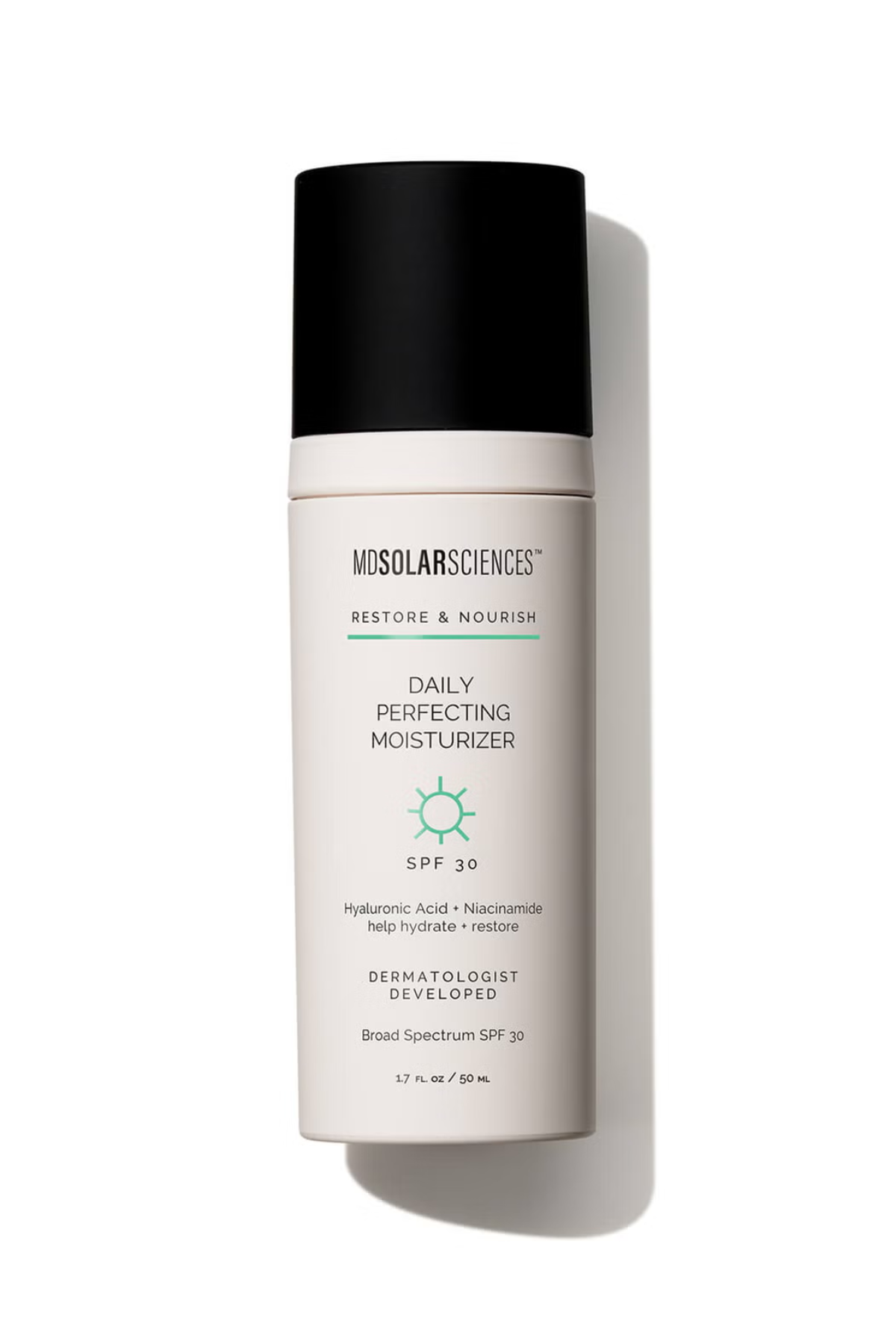
Face moisturizer with SPF 30 delivers broad-spectrum ultraviolet protection embedded within a daily hydrating formula, designed to shield skin from cumulative radiation damage while reinforcing the moisture barrier. The single most vital fact to understand about this product category is that achieving its rated sun protection factor requires applying the exact volume tested in laboratories—roughly one-quarter to one-third of a teaspoon for the face and neck alone—which is significantly more than most individuals dispense during a routine morning skincare regimen.
Navigating the landscape of daily sun protection and facial hydration demands an understanding of how active ingredients function, how ratings are calculated, and how to bridge the gap between laboratory testing conditions and real-world application habits. When formulated correctly, these dual-purpose emulsions streamline modern skincare routines without compromising safety or cosmetic elegance.
Understanding SPF 30: Metrics and Mechanisms
Sun Protection Factor (SPF) is a quantitative measure of how well a sunscreen protects skin against erythema, or sunburn-causing ultraviolet B (UVB) radiation, compared to unprotected skin. An SPF 30 rating indicates that it would theoretically take thirty times more UVB energy to induce a sunburn on protected skin than on unprotected skin under standardized laboratory conditions.
However, this metric does not scale linearly with protection percentages. An SPF 15 product blocks approximately 93 percent of UVB rays, an SPF 30 blocks roughly 97 percent, and an SPF 50 blocks about 98 percent. The incremental difference between SPF 30 and higher numbers represents a diminishing return in terms of UVB filtration, making SPF 30 an optimal benchmark for daily, non-recreational exposure.
Beyond UVB protection, modern face moisturizers with SPF 30 must provide broad-spectrum coverage to mitigate ultraviolet A (UVA) radiation. While UVB rays cause surface burns and direct DNA damage, UVA rays penetrate deeper into the dermis, driving photoaging, collagen degradation, and long-term carcinogenic risks. Broad-spectrum testing ensures that the UVA protection increases proportionally with the SPF rating, creating a balanced defense against both radiation bands.
Chemical Versus Mineral Filters in Moisturizers
Formulators achieve SPF 30 ratings in facial moisturizers by incorporating either organic (chemical) ultraviolet absorbers, inorganic (mineral) reflectors, or a synergistic blend of both. Each filter type interacts with ultraviolet radiation differently and presents distinct physical and chemical characteristics.
Organic UV Filters
Organic filters—such as avobenzone, octisalate, octocrylene, and homosalate—penetrate the outer stratum corneum and absorb ultraviolet photons, converting that high-energy radiation into harmless thermal energy before it can damage cellular structures.
- Cosmetic Elegance: These compounds allow formulators to create lightweight, transparent, fast-absorbing lotions that layer invisibly under makeup and suit diverse skin tones without leaving a white cast.
- Sensitivities: Certain chemical filters can occasionally cause contact dermatitis or stinging in individuals with reactive skin or compromised moisture barriers, though modern cosmetic chemistry continually refines these molecules for improved tolerability.
Mineral UV Filters
Mineral filters—specifically zinc oxide and titanium dioxide—sit on top of the skin's surface, acting as physical shields that scatter, reflect, and absorb incoming ultraviolet radiation.
- Immediate Efficacy: Mineral barriers become effective immediately upon application, requiring no chemical conversion time. They are exceptionally well-tolerated by sensitive, rosacea-prone, or post-procedure skin.
- Texture and Cast: Historically prone to leaving a chalky white residue, contemporary mineral face moisturizers utilize micronized or nano-sized particles and tinted iron oxides to blend seamlessly across a wide spectrum of skin tones while maintaining structural stability.
| Filter Type | Primary Mechanism | Typical Cosmetic Finish | Skin Compatibility | Reapplication Need |
|---|---|---|---|---|
| Organic (Chemical) | Absorbs UV rays and converts them to heat | Lightweight, transparent, dewy or matte | General use; potential sensitivity in reactive skin | Every 2 hours of direct exposure |
| Mineral (Physical) | Scatters, reflects, and absorbs UV radiation | Satin or matte; may require tinting for deep tones | Highly tolerated by sensitive and acne-prone skin | Every 2 hours of direct exposure |
| Hybrid Blends | Combines absorption and reflection pathways | Balanced, highly customizable viscosity | Versatile across multiple skin types | Every 2 hours of direct exposure |
The Application Gap: Why Dosage Matters
The most prevalent pitfall associated with face moisturizer with SPF 30 is under-application. Dermatological testing standards mandate a uniform application density of 2 milligrams of product per square centimeter of skin to achieve the labeled SPF value. For the average human face and neck, this equates to approximately 1.25 milliliters—roughly a nickel-sized dollop or the length of two full fingers.
When users apply only a thin, conservative film of moisturizer out of habit or to conserve product, the effective protection plummets exponentially rather than linearly. A half-dose of an SPF 30 formula does not yield SPF 15 protection; instead, it can drop the protection level into the single digits, exposing the epidermis to significantly higher levels of ultraviolet radiation than anticipated.
To bridge this gap without feeling weighed down by heavy creams, consumers can adopt a two-layer approach: applying a dedicated lightweight hydrating serum first, followed by the requisite amount of SPF 30 moisturizer, or utilizing a high-performance formula specifically engineered to feel weightless even when layered generously.
Integrating Moisturizer and Sunscreen: Pros and Cons
Combining hydration and photoprotection into a single morning step offers notable lifestyle advantages alongside specific operational limitations that users must navigate.
Advantages
- Simplified Routines: Streamlining morning skincare reduces friction, encouraging consistent daily compliance among individuals who might otherwise skip a separate sunscreen step.
- Formulation Synergy: Manufacturers often blend emollients, humectants (like glycerin and hyaluronic acid), and antioxidants (such as vitamin C or niacinamide) directly into the base, delivering comprehensive skin-health benefits in one application.
- Layering Efficiency: Eliminating an extra layer of product minimizes pilling, greasy buildup, and heaviness under cosmetic foundations.
Limitations
- Dilution Risks: Mixing a face moisturizer with separate unformulated oils, foundations, or heavy serums can disrupt the evenly dispersed matrix of UV filters, creating gaps in protection.
- Wear-Off Dynamics: Moisturizers are engineered to absorb into upper skin layers or bind lightly to the surface; unlike dedicated water-resistant sunscreens, they degrade or transfer more rapidly during sweating, touching, or sebum production.
- Volume Conflict: The amount of product needed for optimal sun protection can occasionally feel excessive for individuals with extremely oily skin types who prefer minimalist hydration.
Common Mistakes and Troubleshooting
Optimizing the performance of a face moisturizer with SPF 30 involves recognizing common behavioral missteps and adjusting application habits accordingly.
- Reapplying Over Makeup: While daily desk workers may not need heavy reapplication indoors, individuals exposed to direct sunlight for extended periods must reapply their protection. Using SPF-infused setting powders, cushion compacts, or translucent mists over makeup helps maintain coverage throughout the day.
- Neglecting Vulnerable Zones: The perimeter of the face, hairline, eyelids, ears, and the submental area (under the chin) are frequently missed during hurried morning applications, leading to uneven photo-damage and premature aging in those specific zones.
- Relying Solely on SPF Makeup: Foundations or tinted moisturizers containing SPF 30 rarely provide adequate protection in practice because consumers apply cosmetics in quantities far too small to reach testing standards. A dedicated base moisturizer with SPF 30 remains foundational.
- Ignoring Expiration Dates: Active UV filters degrade over time due to heat, light exposure, and chemical breakdown. Expired moisturizers lose their rated protective capacity, risking unexpected sunburns and cellular damage.
Frequently Asked Questions
Does face moisturizer with SPF 30 replace a dedicated sunscreen?
For standard indoor office environments, incidental outdoor exposure, and casual daily routines, a well-formulated face moisturizer with SPF 30 provides sufficient, comprehensive protection. However, for prolonged outdoor activities, swimming, or intense athletic exertion, a dedicated, water-resistant sunscreen with higher photostability is strongly recommended.
How much face moisturizer with SPF 30 should I apply?
You should apply approximately one-quarter to one-third of a teaspoon—equivalent to a generous nickel-sized amount or the length of two full fingers—to cover the entire face and neck evenly. Applying less than this volume significantly reduces the effective protection level.
Can I use my SPF 30 moisturizer at night?
No. Formulations containing ultraviolet filters are designed specifically for daytime defense. Wearing sun-filtering agents overnight offers no functional benefit to the skin's nocturnal repair cycle and can unnecessarily clog pores or cause low-grade irritation.
Does SPF 30 block vitamin D synthesis completely?
While SPF 30 blocks approximately 97 percent of UVB radiation, it does not reduce vitamin D synthesis to zero. Everyday lifestyle exposure, coupled with areas of skin left unprotected or incomplete daily coverage, generally allows for adequate vitamin D production without compromising skin safety.
What should I look for in an SPF 30 facial moisturizer for acne-prone skin?
Look for non-comedogenic formulas labeled oil-free, ideally utilizing mineral filters like zinc oxide or lightweight hybrid matrices. Products enhanced with niacinamide or hyaluronic acid can help balance sebum production while maintaining hydration without clogging pores.
Next Actions and Implementation
To maximize the efficacy of your daily skincare routine, evaluate your current morning moisturizer to ensure it explicitly carries a "broad-spectrum" label alongside an SPF 30 rating. Measure out a proper two-finger-length amount tomorrow morning to establish a baseline for correct application volume. If your lifestyle involves prolonged outdoor exposure, pair your morning hydrating layer with a dedicated, water-resistant sunscreen or a convenient reapplication tool to maintain continuous protection throughout the day.