To watch the Hitman film franchise in order, you only need to navigate two standalone entries. There is no official chronological or cinematic universe order connecting the films, as they function as separate interpretations of the source material. You should begin with the 2007 film Hitman and follow it with the 2015 "soft reboot" Hitman: Agent 47.
Understanding the Hitman Cinematic Timeline
The Hitman franchise, based on the highly successful video game series developed by IO Interactive, has seen two distinct theatrical attempts to bring the enigmatic assassin known as Agent 47 to the big screen. A common point of confusion for new viewers is whether these films constitute a single, cohesive narrative or a multi-part saga.
In reality, the films are entirely disconnected. They were produced by different creative teams, feature different actors portraying the titular character, and exist in separate continuity streams. Because they do not follow a shared timeline, "in order" refers strictly to their chronological release date. There is no requirement to understand the events of the 2007 film to grasp the premise of the 2015 production. Both films serve as entry points, though they vary significantly in tone, stylistic execution, and fidelity to the established lore of the video games.
1. Hitman (2007)
The first cinematic adaptation, directed by Xavier Gens, stars Timothy Olyphant as the genetically engineered assassin, Agent 47. The film follows the classic setup established in the source games: 47 is an operative for an organization known only as "The Agency," tasked with carrying out high-stakes contract killings across the globe.
In this installment, 47 becomes embroiled in a political conspiracy involving Russian officials and Interpol. The film leans heavily into the "action-thriller" genre, prioritizing stylized gunplay and the cat-and-mouse dynamic between the assassin and his pursuer, an Interpol agent played by Dougray Scott. This version of 47 is depicted as cold, calculating, and detached, mirroring the early iteration of the character from the original game releases. While the film takes significant liberties with the game's narrative structure, it established the core visual identity of the character—the shaved head, the barcode tattoo, and the iconic Silverballer pistols—that would define the brand for non-players.
2. Hitman: Agent 47 (2015)
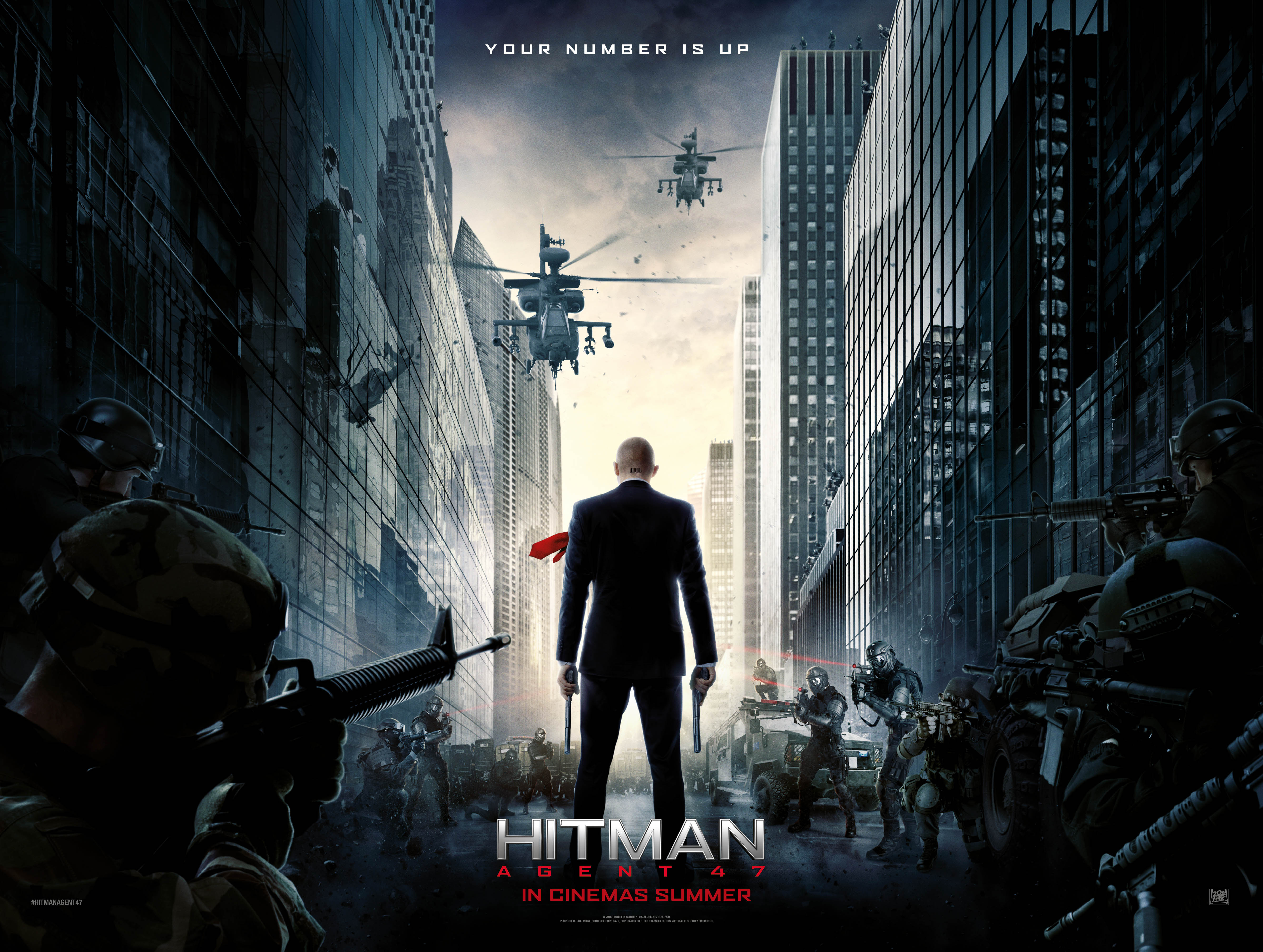
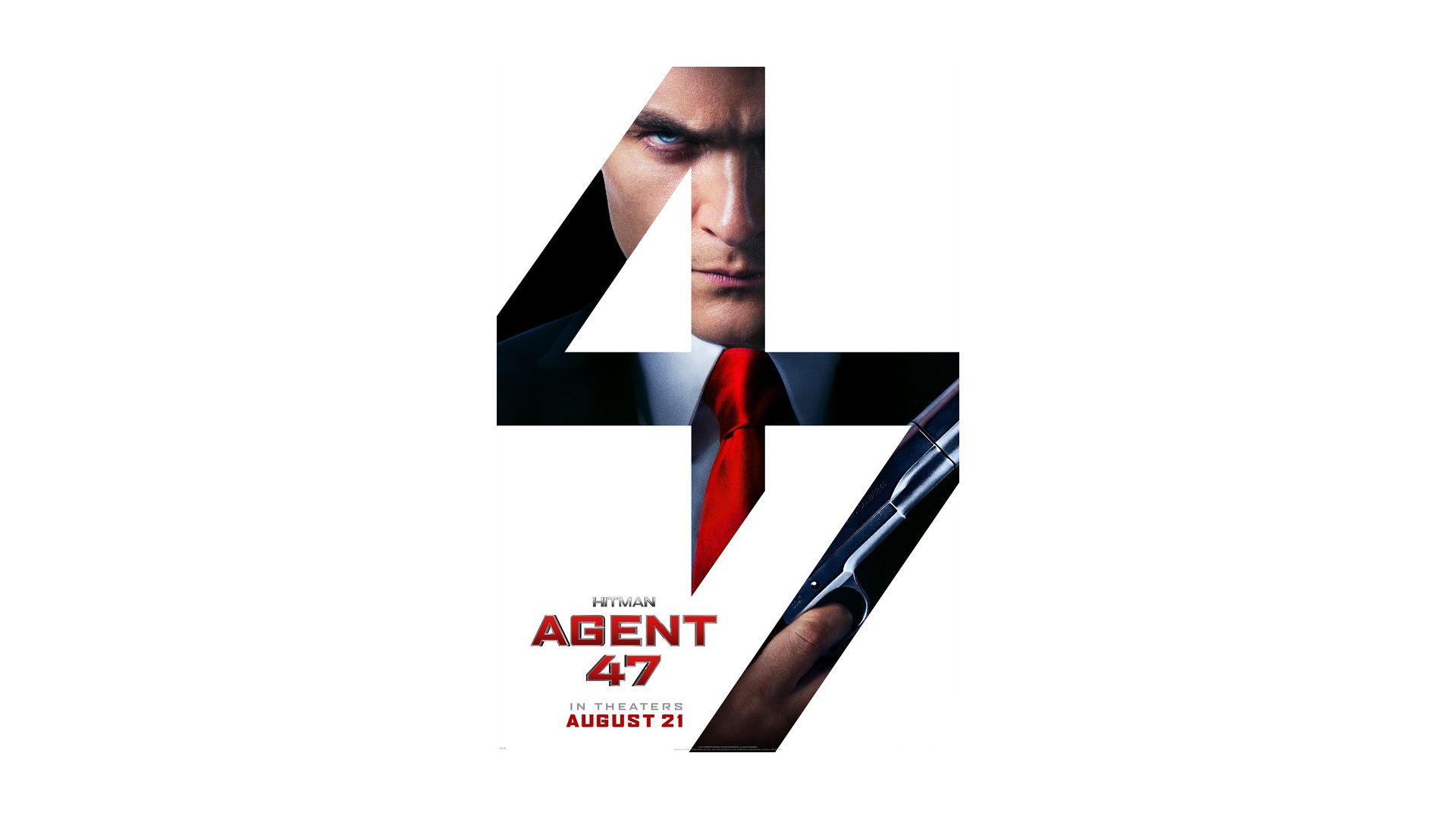
Eight years later, 20th Century Fox released Hitman: Agent 47, a film that functioned as a complete reset of the property. Directed by Aleksander Bach, this production stars Rupert Friend as the protagonist. Rather than continuing the story started in 2007, this film presents an entirely different origin and set of circumstances.
Hitman: Agent 47 focuses on the scientific background of the "Agent" program. The plot centers on the hunt for the scientist who originally created the genetic modification technology that resulted in the creation of Agent 47 and his counterparts. The film is notably more "superhero-adjacent" in its action sequences, featuring heightened combat abilities and a faster, more kinetic pace than its predecessor. By shifting the focus to the Syndicate and the search for the progenitor of the clone program, the 2015 film attempts to integrate more elements of the "Agent" lore, even while maintaining a distinct distance from the 2007 narrative.
Comparative Overview of the Films
When deciding how to approach these films, it is helpful to understand the distinct production philosophies behind them. The table below outlines the primary differences between the two entries.
| Feature | Hitman (2007) | Hitman: Agent 47 (2015) |
|---|---|---|
| Lead Actor | Timothy Olyphant | Rupert Friend |
| Director | Xavier Gens | Aleksander Bach |
| Primary Theme | Political intrigue/Espionage | Genetic legacy/Super-soldier |
| Tone | Noir-inspired/Gritty | High-octane/Sci-fi action |
| Game Relation | Loose adaptation | Loosely based on the franchise mythos |
Why There Is No Official Chronology
The absence of a shared universe is a result of the fragmented nature of video game film adaptations during the early 2000s and 2010s. Studios often viewed these properties as individual commercial products rather than components of a broader franchise architecture. Because the character of Agent 47 is archetypal—a professional killer whose past is deliberately obscured—it is relatively easy for studios to "reboot" the character without needing to explain away the events of a previous film.
If you are a fan of the video games, you will likely notice that neither film perfectly captures the "stealth-first" philosophy of the gameplay. The source material emphasizes social stealth, environmental puzzles, and careful planning. The films, by contrast, focus heavily on the "action" aspect of the character. This discrepancy is a frequent topic of discussion among the game's fanbase and is an important consideration for those entering the films expecting a 1:1 translation of the gaming experience.
Prerequisites for Viewing
Because these films are self-contained, there are no strict prerequisites. However, viewers who have played the Hitman video games—particularly the World of Assassination trilogy—will have a different perspective on these films than those who have not.
- Expectation Management: Approach the films as standard action movies. Do not expect them to mirror the slow-burn tactical gameplay of the titles from IO Interactive.
- Character Recognition: Understand that the "Agent" concept is the only constant. The backstory provided for 47 in the 2015 film contradicts the foundational lore established in the 2000 Hitman: Codename 47 game and subsequent releases.
- Pacing Differences: The 2007 film feels more like a product of the mid-2000s action cinema era, while the 2015 film incorporates more modern visual effects and editing techniques common in mid-2010s blockbusters.
Frequently Asked Questions
Are these films connected to the Hitman video games? No, they are not direct narrative sequels or canon entries in the video game series. They are loosely based on the characters and themes, but they exist in their own separate cinematic universes.
Can I watch Hitman: Agent 47 without watching the 2007 film? Yes. The 2015 film is a reboot and shares no narrative elements, cast members, or continuity with the 2007 film. You will not miss any context by starting with the later film.
Which film is considered more accurate to the source material? This is a subjective matter. Many fans argue that neither film successfully translates the core "stealth" gameplay, but the 2007 film is often cited as capturing the "cold professional" demeanor of 47 slightly more effectively, whereas the 2015 film is often seen as a better representation of the "genetically engineered" aspect of the character.
Are there plans for a third film? As of 2026, there have been no official announcements regarding a new feature film in the Hitman franchise. The property has shifted focus toward other media formats and continued development within the gaming industry.
Is it necessary to know the backstory of the games to enjoy the movies? Not at all. The movies are designed to introduce the concept of a master assassin to a general audience. The premise—that there exists a secretive organization creating super-agents—is fully explained within each film's runtime.
Strategic Recommendation for Viewers
If your goal is to experience the full cinematic history of the character, proceed by watching the films in order of release: begin with the 2007 Hitman, followed by the 2015 Hitman: Agent 47. This allows you to observe the evolution of the character's visual presentation and the changing trends in action cinema over that eight-year period.
If you are primarily interested in a higher-quality visual experience or a more modern action style, you may prefer starting with the 2015 film. If you prefer a more grounded, noir-style aesthetic, the 2007 film may better suit your tastes. Regardless of your choice, be aware that you are engaging with independent creative interpretations that prioritize cinematic spectacle over strict adherence to the gaming source material.