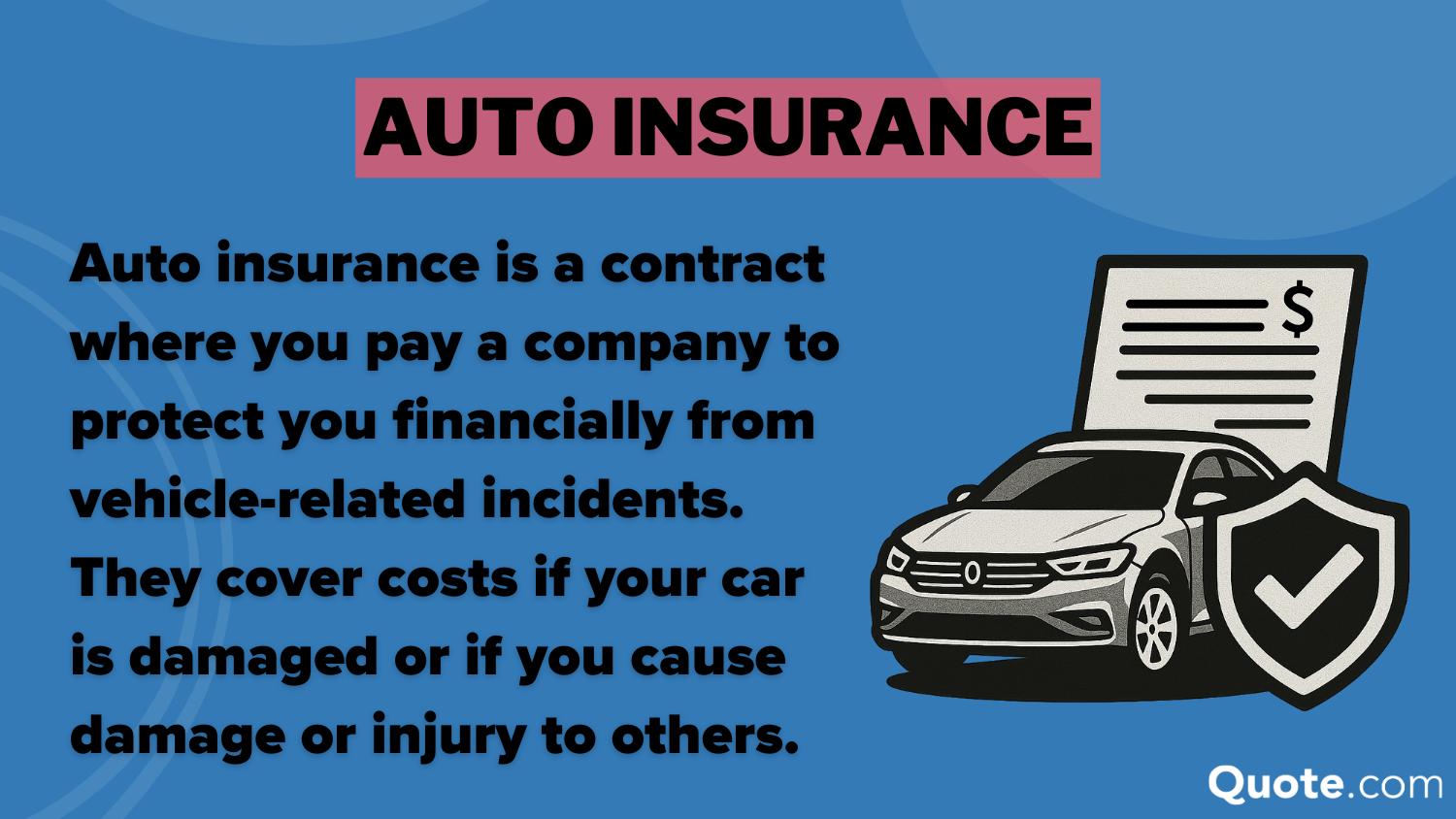
Securing the best auto and home insurance rates for your budget in 2026 requires a strategic combination of multi-policy bundling, optimizing your credit-based insurance score, and leveraging modern telematics. By aligning your coverage limits with your actual risk exposure and shopping across high-rated providers, you can minimize premiums without sacrificing essential protection.
The Insurance Landscape in 2026: Navigating Volatility
As we move through 2026, the insurance market continues to face pressure from increased repair costs, evolving climate risks, and sophisticated vehicle technology. Finding an affordable rate is no longer just about picking the lowest number on a quote; it is about understanding how insurers quantify risk in a high-inflation environment.
For homeowners, the primary drivers of rate increases remain the rising cost of building materials and the increased frequency of severe weather events. In the automotive sector, the proliferation of Electric Vehicles (EVs) and Advanced Driver Assistance Systems (ADAS) has made repairs more specialized and expensive. Consequently, insurers have refined their underwriting algorithms to be more granular.
To stay within budget, consumers must move beyond passive renewals. The "loyalty penalty"—where long-term customers see gradual rate creeps—is more prevalent than ever. Actively managing your risk profile and understanding the components of your policy are the most effective ways to maintain control over your fixed monthly expenses.
The Financial Impact of Bundling Auto and Home Policies
One of the most consistent ways to lower your overall insurance expenditure is through a multi-policy discount, commonly known as bundling. When you purchase both your homeowners and auto insurance from the same carrier, you become a more valuable, "sticky" customer for the insurance company.
Why Insurers Prioritize Bundled Customers
Insurance companies use bundling as a retention tool. Statistics historically show that customers with multiple policies are significantly less likely to switch to a competitor. In 2026, the average bundling discount ranges between 15% and 25% of the total premium.
Beyond the direct discount, bundling often simplifies the claims process. If a single event—such as a severe storm—damages both your garage and the car parked inside it, dealing with one insurer can streamline the settlement and, in some cases, may even allow for a single deductible application (though this varies by state and provider).
When Bundling Might Not Be the Best Choice
While bundling is a powerful tool, it is not a universal solution. In some high-risk regions—such as coastal areas prone to hurricanes or regions with high wildfire risk—a specialized home insurer might offer better coverage than a generalist carrier that also handles auto insurance. In these instances, the savings from the auto side might not offset the higher premiums or limited coverage on the home side. It is essential to compare the total cost of two separate "best-in-class" policies against the single bundled price.
Optimizing Auto Insurance Rates in 2026
Auto insurance premiums are determined by a complex interplay of your driving history, vehicle type, and how you use the car. In 2026, technology plays a larger role in these calculations than ever before.
Telematics and Usage-Based Insurance (UBI)
Usage-based insurance has become the standard for budget-conscious drivers. By using a mobile app or a device plugged into your vehicle, insurers monitor your driving habits in real-time. Factors such as braking intensity, acceleration, cornering speeds, and the time of day you drive are analyzed.
Drivers who demonstrate safe habits can see discounts of up to 40%. However, it is important to understand the trade-offs. Some programs in 2026 may also penalize drivers for poor habits, meaning your rate could potentially increase if the data shows high-risk behavior. Always review the terms of a telematics program to ensure it aligns with your driving lifestyle.
Vehicle Selection and Safety Features
The car you drive significantly impacts your budget. Insurers look at the "loss history" of specific models. In 2026, vehicles with high-rated safety tech are often cheaper to insure for liability, but their comprehensive and collision premiums may be higher due to the cost of replacing sensors and cameras after a minor fender bender. Before purchasing a new vehicle, it is wise to run a quote to see how it will affect your long-term insurance budget.
Adjusting Coverage and Deductibles
For older vehicles that have depreciated significantly, you might consider dropping collision and comprehensive coverage. If the annual cost of these coverages exceeds 10% of the car's total value, the potential payout in a total-loss scenario might not justify the premium. Additionally, raising your deductible from $500 to $1,000 can reduce your collision premium by 15% to 30%, provided you have the emergency savings to cover that higher amount if an accident occurs.
Managing Home Insurance Costs
Home insurance protects your most significant asset, but it can also be one of your largest recurring expenses. In 2026, insurers are increasingly looking at the "resiliency" of a home when determining rates.
The Role of Home Maintenance
Investing in home improvements can lead to direct insurance savings. A roof that is less than 10 years old, updated electrical panels, and modern plumbing significantly reduce the risk of a claim. Many insurers offer "wind mitigation" discounts for homes that have specialized roof-to-wall connections or impact-resistant windows.
Replacement Cost vs. Actual Cash Value
To stay within budget, you must choose the right type of valuation. Replacement Cost Value (RCV) covers the cost to rebuild your home with materials of similar quality, regardless of depreciation. Actual Cash Value (ACV) pays out the depreciated value of the items or structure. While ACV is cheaper, it often leaves homeowners with a massive financial gap during a total loss. For a sustainable budget, RCV is almost always the better long-term value, even if the monthly premium is slightly higher.
Smart Home Technology
By 2026, smart home sensors for water leaks, smoke, and security have become standard requirements for certain premium discounts. A water leak sensor that automatically shuts off the main valve can prevent thousands of dollars in damage, and insurers reward this risk reduction with premium credits.
Strategic Comparison: Bundling vs. Independent Policies
The following table illustrates how different profiles might see rate variations based on their insurance choices. These figures represent general market trends for 2026.
| Profile Type | Unbundled Total (Annual) | Bundled Total (Annual) | Potential Savings | Primary Discount Factor |
|---|---|---|---|---|
| Urban Renter / New Driver | $3,400 | $3,100 | 9% | Multi-policy + Telematics |
| Suburban Homeowner (Clean Record) | $4,800 | $3,850 | 20% | Bundling + Smart Home |
| Rural Homeowner (Older Home) | $5,200 | $4,600 | 11% | Protective Devices |
| EV Owner / New Homeowner | $5,500 | $4,400 | 20% | Green Vehicle + New Purchase |
Steps to Secure the Best Rates
To ensure you are getting the most value for your budget, follow this systematic approach:
- Audit Your Current Coverage: Review your declarations page. Are you paying for coverage you don't need, such as roadside assistance on a car that already has a manufacturer warranty?
- Improve Your Credit Score: In most states, your credit-based insurance score is a major factor in your premium. Maintaining a low debt-to-income ratio and on-time payments can lower your insurance costs as much as a clean driving record.
- Shop 30 Days Before Renewal: Insurance companies often give "early bird" discounts for switching before your current policy expires. Waiting until the last minute can actually result in higher quotes.
- Verify All Discounts: Ask specifically about discounts for professional organizations (ALPFA, IEEE, etc.), alumni associations, or even certain employers.
- Review Limits with an Agent: An independent agent can compare multiple carriers at once, whereas a "captive" agent only sells for one company. Using both can give you the widest perspective on the market.
Common Pitfalls to Avoid
When trying to save money, it is easy to fall into traps that could lead to financial ruin later. Avoid these common mistakes:
- Underinsuring Your Home: With the rising costs of construction in 2026, ensure your dwelling coverage matches current local rebuilding costs, not just your mortgage balance or the market value of your home.
- State Minimum Liability: For auto insurance, state minimums are rarely enough. A single multi-car accident can easily exceed $25,000 in property damage or bodily injury. Opting for higher liability limits (such as 100/300/100) provides a much stronger safety net for a relatively small increase in premium.
- Ignoring the Fine Print on Deductibles: Some home policies have "percentage deductibles" for specific perils like wind or hail. A 2% deductible on a $500,000 home means you pay $10,000 out of pocket. Ensure you understand if your deductible is a flat dollar amount or a percentage.
The Future of Insurance Pricing
Looking toward the end of 2026 and beyond, the trend toward hyper-personalization in insurance will continue. AI-driven underwriting will become more precise, potentially offering lower rates to those who live "lower-risk" lifestyles. This might include everything from where you park your car to the type of security system you use at home. Staying informed about these technological shifts is key to keeping your premiums low.
For more information on state-specific insurance regulations and consumer rights, you can consult the National Association of Insurance Commissioners (NAIC). For safety ratings that impact auto insurance premiums, the Insurance Institute for Highway Safety (IIHS) provides updated crash-test data. Additionally, the Insurance Information Institute (III) offers comprehensive resources on how to manage risk and understand policy language.
Frequently Asked Questions
Does my credit score really affect my insurance rates in 2026? Yes, in the majority of U.S. states, insurers use a credit-based insurance score to predict the likelihood of a claim. Statistics show that individuals with higher credit scores tend to file fewer and less expensive claims. However, some states, such as California, Hawaii, and Massachusetts, prohibit or limit the use of credit scores in setting auto insurance rates.
Is it better to use an online aggregator or an insurance agent? Both have merits. Online aggregators are excellent for a quick "ballpark" figure and comparing the widest range of companies. However, an independent insurance agent can often find niche discounts or clarify complex coverage needs that automated systems might miss. Using both methods is the best way to ensure you have found the absolute best rate.
How often should I shop around for new insurance? It is recommended to shop for new insurance every 12 to 24 months. Because insurers frequently update their rating algorithms, the company that was cheapest for you two years ago may no longer be the most competitive today. Significant life events—like getting married, buying a home, or a teenager moving out—should also trigger a new round of quotes.
What is the "inflation guard" on a homeowners policy? An inflation guard is a provision that automatically increases your dwelling coverage limit at each renewal to keep pace with the rising costs of construction and labor. In the high-cost environment of 2026, having this feature is vital to ensure you aren't underinsured if you need to rebuild your home after a total loss.
Can telematics actually increase my insurance rate? While most telematics programs are designed to provide discounts, some "sur-charge" programs in 2026 can indeed increase your rate if the data shows consistently dangerous driving behavior, such as excessive speeding or frequent late-night driving. It is important to read the program's disclosure to understand whether the data is used for "discount only" or "full underwriting."
Final Recommendation
To achieve the best auto and home insurance rates for your budget, start by consolidating your policies under a single top-tier carrier that offers a robust bundling discount. Once bundled, opt into a telematics program for your vehicles and install basic smart-home sensors. Finally, review your deductibles; if your emergency fund is healthy, raising your deductibles is the fastest way to see an immediate reduction in your monthly premium.