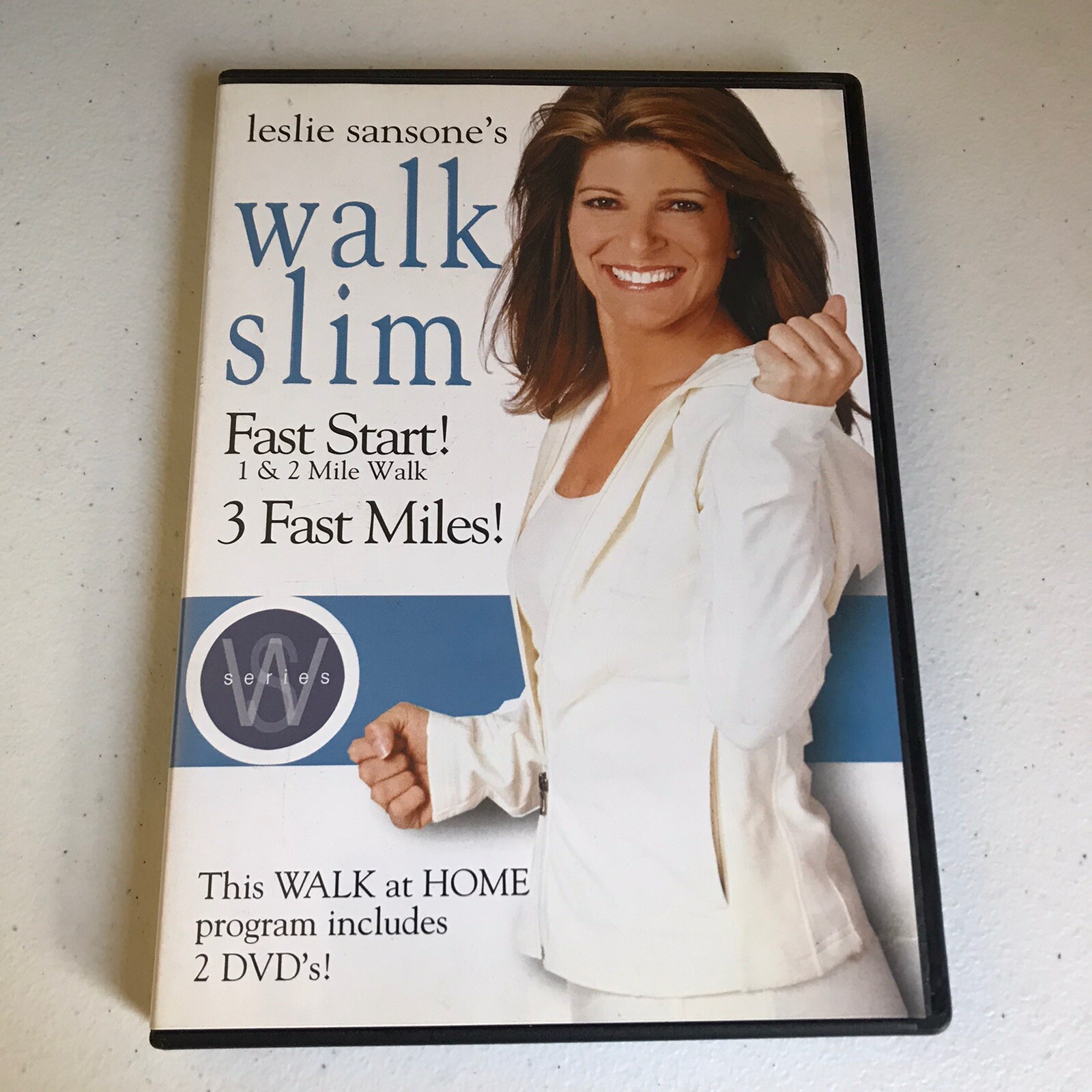
Leslie Sansone’s "3 Mile Walk in 30 Minutes" is a high-intensity power walking routine that achieves a 10-minute mile pace through a combination of high-cadence stepping and "boosted" intervals. By maintaining a rhythm of approximately 140 to 150 beats per minute (BPM), this workout transitions from a standard low-impact walk into a cardiovascular challenge that mimics the caloric burn of a light jog while remaining accessible for home fitness.
The Evolution of the Walk at Home Methodology
To understand the 3-mile, 30-minute analysis, one must first look at the foundation of the "Walk at Home" system. Originally developed by Leslie Sansone in the 1980s, the program was designed to remove the barriers to entry for cardiovascular exercise—specifically weather, specialized equipment, and complex choreography. By 2026, this method has evolved into a digital-first ecosystem, but the core physiological principles remain the same.
The 3-mile walk in 30 minutes represents a "Power Walk" tier within the system. Most standard walking workouts operate at a 15-minute or 20-minute mile pace. Compressing three miles into a half-hour window requires a significant increase in intensity. This is not a "stroll"; it is a structured aerobic session that utilizes the body’s major muscle groups to maintain a consistent 6-mile-per-hour (MPH) velocity.
In the context of modern exercise science, this routine is classified as a steady-state aerobic workout with elements of high-intensity intervals (HIIT) if the "boosted" versions are utilized. The "boost" refers to periods of jogging in place that Sansone introduces to spike the heart rate, ensuring the 3-mile distance is covered within the strict 30-minute timeframe.
Technical Breakdown: Achieving a 10-Minute Mile Indoors
Covering three miles in 30 minutes is a specific athletic benchmark. To achieve this without a treadmill, the workout relies on step frequency (cadence) rather than stride length.
Cadence and Step Count
In a traditional outdoor setting, an average person takes about 2,000 to 2,500 steps to cover one mile. In Leslie Sansone's method, the "miles" are calculated based on the BPM of the music and the total step count. For a 30-minute workout to reach three miles, the participant must maintain a cadence of roughly 180 to 200 steps per minute.
The Role of Upper Body Integration
A common mistake in analyzing these workouts is focusing solely on the legs. To sustain a 10-minute mile pace, Sansone incorporates "power arms." By pumping the arms in a rhythmic motion or reaching overhead, the participant increases the total body oxygen demand. This elevation in heart rate is what allows a "walk" to burn calories at a rate comparable to a run.
Vertical vs. Horizontal Movement
Unlike outdoor walking, where energy is spent propelling the body forward, the 3-mile home walk involves significant vertical displacement and lateral movement. This engages the stabilizer muscles in the core and hips more aggressively than linear walking, providing a more comprehensive lower-body workout.
The Four Foundation Moves: Biomechanical Analysis
Every Leslie Sansone workout is built on four basic steps. In the 3-mile/30-minute version, these moves are performed at their highest possible tempo.
- The March: This is the home base. In the 30-minute power walk, the march is performed with high knees to engage the lower abdominals and hip flexors.
- Side Steps: This movement shifts the plane of motion from sagittal to frontal. It targets the gluteus medius and the abductors. In the 30-minute version, these are often "double side steps" to increase the distance covered and the metabolic cost.
- Kicks: Kicks engage the quadriceps and require core stability to maintain balance at a high tempo. The height of the kick directly correlates to the intensity of the workout.
- Knee Lifts: This move acts as a standing crunch. By bringing the knee toward the chest, the psoas and abdominal muscles are recruited. When performed at a 10-minute mile pace, knee lifts significantly contribute to the "3-mile" distance equivalent by increasing the heart's stroke volume.
Metabolic Impact and Caloric Expenditure
The primary question many users have is: How many calories does the 3-mile walk in 30 minutes actually burn? The answer depends on body composition, effort level, and the inclusion of "boosts."
For a person weighing 150 lbs (approx. 68 kg), walking at a 4 MPH pace (a brisk walk) burns roughly 150-170 calories in 30 minutes. However, because the 3-mile/30-minute routine operates at 6 MPH, the caloric expenditure jumps significantly. At this intensity, the same individual can expect to burn between 250 and 350 calories in that half-hour window.
MET Values and Intensity
The Metabolic Equivalent of Task (MET) for walking at 5.0 MPH is approximately 8.3, while "power walking" or jogging at 6.0 MPH (the pace of this workout) carries a MET value of approximately 9.8. By staying at the upper end of the walking spectrum, users enter a vigorous-intensity zone, which is highly effective for improving VO2 max and cardiovascular endurance.
According to the Centers for Disease Control and Prevention (CDC), adults need 150 minutes of moderate-intensity activity per week. Completing this 30-minute workout five times a week meets that requirement entirely through vigorous-intensity activity, which often yields faster results for weight management and heart health.
Comparative Analysis: Home Walk vs. Outdoor Walking
| Feature | Leslie Sansone 3-Mile (30 Min) | Standard Outdoor Walking |
|---|---|---|
| Pace | 6.0 MPH (Constant) | 3.0 - 4.0 MPH (Variable) |
| Duration | 30 Minutes | Usually 45-60 Minutes for 3 miles |
| Impact Level | Low to Moderate | Low |
| Muscle Groups | Full Body (Arms + Core) | Primarily Lower Body |
| Environment | Indoor (Controlled) | Outdoor (Weather Dependent) |
| Step Cadence | ~180-200 SPM | ~100-130 SPM |
| Equipment | None (Optional weights) | Walking shoes, weather gear |
Suitability and Physical Prerequisites
While the 3-mile walk in 30 minutes is marketed as accessible, the 10-minute mile pace is a demanding threshold. It is important to assess physical readiness before attempting this specific intensity.
- Beginners: Those new to exercise should start with the 1-mile or 2-mile "Walk at Home" variations. The 3-mile pace can lead to shin splints or calf strain if the muscles are not conditioned for the high cadence.
- Intermediate/Advanced: This workout serves as an excellent "maintenance" routine for those who usually run or participate in higher-impact sports but want to give their joints a break while keeping their heart rate elevated.
- Joint Considerations: One of the primary benefits highlighted in the "Walk at Home" method is the reduction of orthopedic stress. Even at a 6 MPH pace, the "walking" gait ensures that one foot is always in contact with the ground (unless doing the "boosted" jog intervals), which reduces the impact on knees and ankles compared to traditional running.
Equipment and Space Requirements
In 2026, most users access this workout via the "Walk at Home" app or streaming platforms. The physical requirements are minimal, which is a key factor in its popularity.
- Space: A 4' x 4' area is generally sufficient. The movements are compact, making it ideal for apartment dwellers or small home gyms.
- Footwear: Despite being an indoor workout, supportive cross-training or walking shoes are mandatory. The high step frequency and lateral movements require lateral support that standard socks or bare feet do not provide.
- Optional Resistance: Some versions of the 3-mile walk include "Walk Slim" firming bands or light hand weights (1-2 lbs). Adding resistance increases the metabolic demand and helps tone the upper body, but it is not necessary to achieve the 3-mile distance goal.
Common Pitfalls and Form Corrections
To maximize the effectiveness of the 3-mile walk and avoid injury, participants should be mindful of these common technical errors:
- Flattening the Feet: At a high tempo, walkers often start to "slap" their feet on the floor. This increases impact. Instead, focus on a toe-to-heel or midfoot landing to absorb shock.
- Leaning Forward: As fatigue sets in during the third mile, there is a tendency to hunch. Keeping the shoulders back and the chest "tall" ensures the lungs can expand fully, aiding oxygen intake.
- Shortchanging the Side Steps: Many users make the side steps too narrow. To engage the glutes effectively, the side step should be wide, with a slight bend in the knees to maintain a lower center of gravity.
- Static Arms: If the arms are just hanging at the sides, the heart rate will drop, and the participant may fail to reach the 3-mile intensity. The arms must be active and synchronized with the feet.
FAQs: Leslie Sansone 3-Mile Walk
Is it really 3 miles if I’m staying in one place?
Yes, the distance is calculated based on "metabolic miles." In exercise physiology, if your body performs the same amount of work (measured by steps and heart rate) as it would to traverse 3 miles over land, the physiological benefit is identical. The high cadence (SPM) ensures the work performed is equivalent to a 10-minute mile pace.
Can I do this workout every day?
Because the workout is low-impact, most healthy adults can perform it daily. However, because the 3-mile version is higher intensity (6 MPH), it is recommended to alternate it with shorter walks or strength training to prevent repetitive strain on the calves and hip flexors.
How does this compare to a treadmill walk?
A treadmill provides a moving belt that assists with leg turnover. In a Sansone workout, you are responsible for 100% of the propulsion and rhythm. Many users find the Sansone method more engaging because of the lateral movements and arm choreography, which are difficult to perform safely on a moving treadmill belt.
Do I need the "Walk at Home" weights to see results?
No. The primary driver of results in the 3-mile walk is the cardiovascular intensity and the step count. While the "Walk Slim" bands or light weights add a toning component, the 30-minute cardiovascular benefit is achieved through the pace of the walking itself.
What if I can’t keep up with the 10-minute mile pace?
It is common for users to "march in place" at a slower tempo during the faster segments. The "Walk at Home" philosophy encourages "just keep moving." As your cardiovascular fitness improves, your ability to match the beat of the music will naturally increase.
Final Recommendation
For those seeking an efficient, time-bound cardiovascular workout, Leslie Sansone’s 3 Mile Walk in 30 Minutes remains a gold standard in home fitness. Its ability to bridge the gap between a casual walk and a vigorous run makes it uniquely suited for weight loss and heart health without the orthopedic risks of high-impact athletics. To get the most out of the analysis provided, users should focus on maintaining a tall posture, engaging the arms fully, and ensuring they have adequate footwear to support the 200-step-per-minute cadence required for this 6 MPH pace.