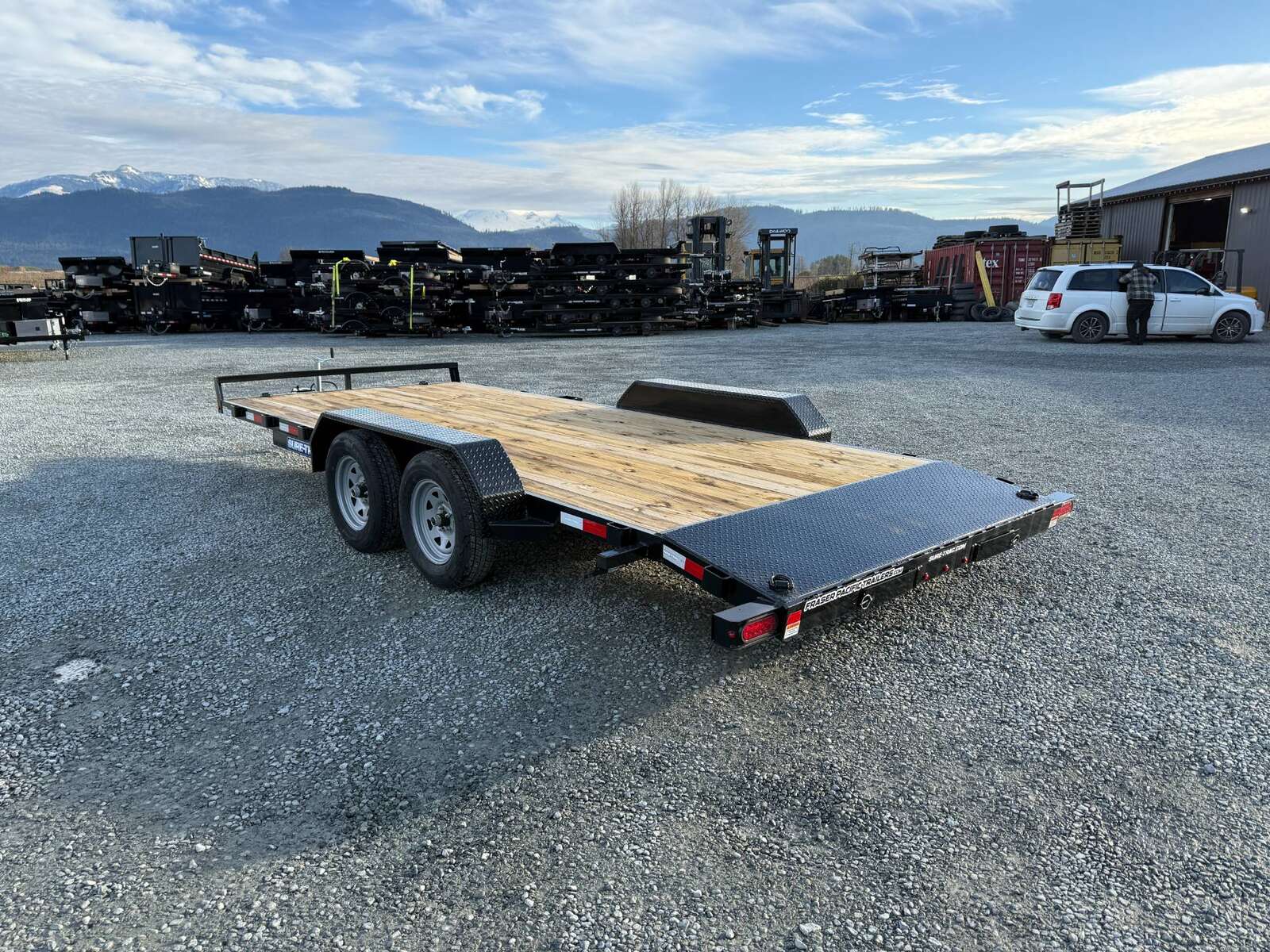
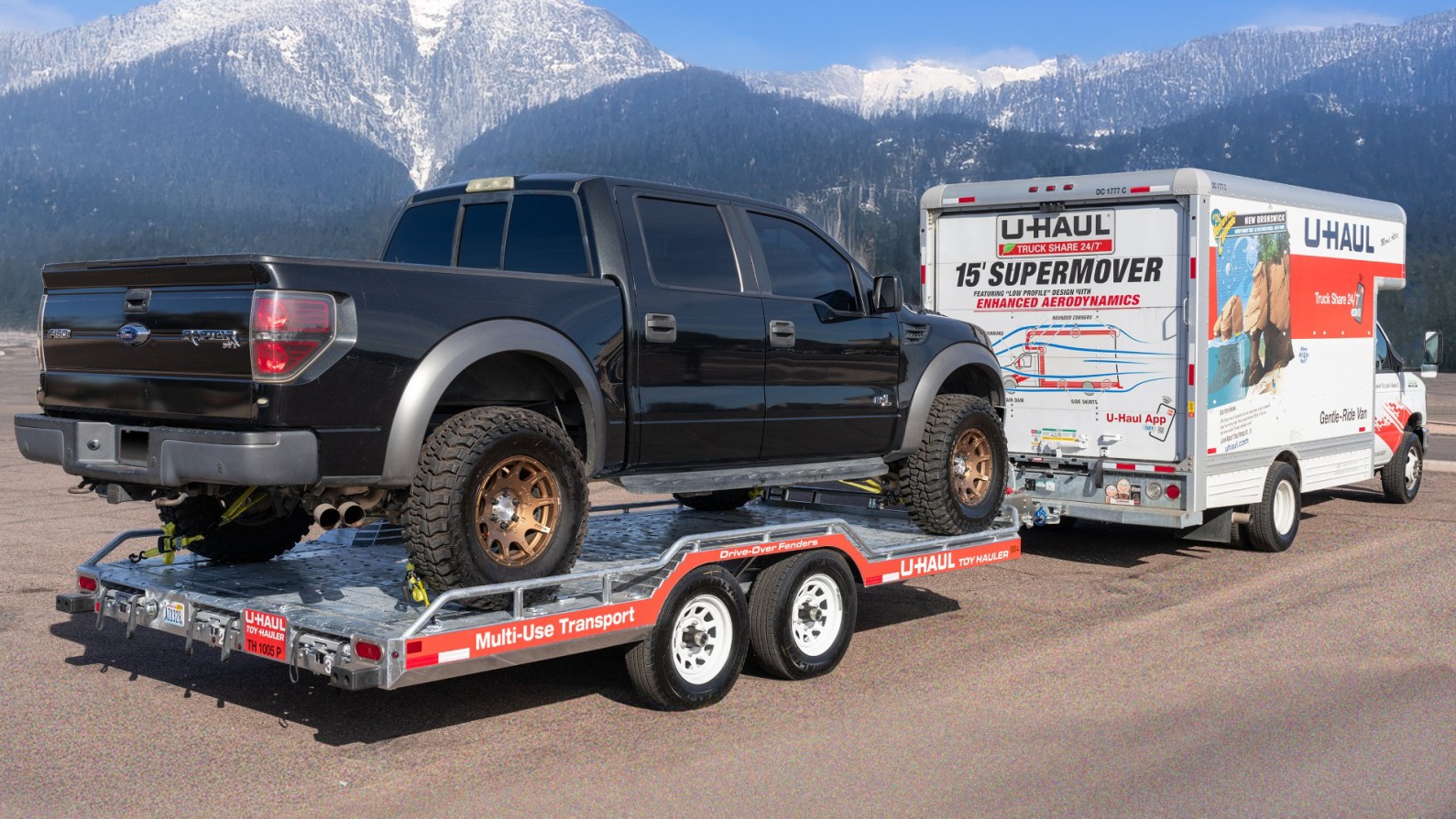
A trailer is legally classified as a vehicle because, although it lacks its own engine or means of self-propulsion, it is a wheeled conveyance designed for transporting goods, equipment, or passengers along public roads while being towed by a motorized vehicle.
When discussing the classification of transport equipment, people often wonder whether a trailer qualifies as a vehicle. In everyday conversation, the word "vehicle" usually brings to mind cars, trucks, motorcycles, and buses—machines powered by internal combustion engines or electric motors. However, in legal, administrative, and engineering contexts, the definition of a vehicle extends much further. A trailer occupies a unique position in transportation law: it is simultaneously dependent on a towing unit for movement and heavily regulated as an independent vehicular entity. This dual nature influences everything from highway safety statutes and manufacturing standards to insurance policies, registration procedures, and taxation.
The Legal and Regulatory Definition of a Vehicle
To understand why a trailer is legally a vehicle, one must examine how legal systems, highway authorities, and transportation departments define the term. Across most jurisdictions, motor vehicle codes and transportation acts establish broad definitions to ensure that safety and operational rules apply to any device transporting cargo or people on public infrastructure.
In statutory language, a vehicle is typically defined as any device in, upon, or by which any person or property is or may be transported or drawn upon a highway. This wording is intentionally inclusive. By incorporating the phrase "or drawn upon a highway," legislative frameworks explicitly capture towed equipment. A trailer—whether it is a small utility trailer, a heavy-duty commercial semi-trailer, a travel trailer, or a boat trailer—is designed specifically to be drawn. Because it utilizes wheels to roll along public roadways while carrying a load, it satisfies the foundational criteria of a vehicle under the law.
Regulatory bodies such as the National Highway Traffic Safety Administration (NHTSA) in the United States, the Driver and Vehicle Standards Agency (DVSA) in the United Kingdom, and equivalent international authorities maintain rigorous standards that differentiate between self-propelled vehicles (motor vehicles) and non-self-propelled vehicles (towed vehicles or trailers). While a trailer does not require an emissions test or a powertrain warranty, it must comply with federal and state regulations regarding lighting, braking systems, structural integrity, and weight distribution.
Technical and Engineering Characteristics of Trailers
From an engineering perspective, a trailer shares fundamental design architecture with self-propelled motor vehicles. A trailer is not merely a box on wheels; it is a complex mechanical assembly engineered to withstand dynamic loads, vibrational stresses, and severe braking forces while maintaining stability at highway speeds.
Structural Framework and Suspension
The foundation of any trailer is its frame, typically constructed from high-strength structural steel or aluminum. This frame must support the Gross Vehicle Weight Rating (GVWR), which represents the maximum allowable total weight of the trailer and its cargo. Attached to this frame is the suspension system—leaf springs, torsion axles, or independent air suspensions—which absorbs road shock and keeps the tires in continuous contact with the pavement. These systems mirror the suspension designs found on automobiles and trucks.
Braking Systems
While light-duty utility trailers often rely solely on the braking power of the towing vehicle, larger trailers incorporate sophisticated mechanical or electrical braking systems. Surge brakes utilize the momentum of the trailer pushing against the hitch ball to activate hydraulic brakes, while electric brakes integrate directly with the towing vehicle’s electrical system via a brake controller. Air brake systems, commonly found on commercial semi-trailers, operate on compressed air supplied by the tractor unit. The presence of these braking systems underscores the mechanical complexity that aligns trailers with other heavy vehicles.
Lighting and Electrical Integration
Trailers must communicate their presence, intentions, and status to surrounding motorists. Consequently, they feature comprehensive electrical harnesses connected to the towing vehicle to power running lights, brake lights, turn signals, and license plate illumination. Side-marker lights and reflective markers are also legally mandated based on the overall width and length of the trailer, further cementing its status as an equipped road-going vehicle.
Registration, Licensing, and Titling Requirements
Because a trailer is a vehicle, owners cannot simply hitch a homemade or store-bought cargo carrier to their car and hit the highway without administrative compliance. Jurisdictions worldwide enforce strict titling, registration, and licensing requirements for towed units.
| Jurisdiction / Agency | Registration Required? | Title Required? | Inspection / Safety Mandates |
|---|---|---|---|
| State DMV (Light Utility) | Yes, mandatory for public roads | Varies by state (often based on weight) | Varies; many exempt light trailers |
| Commercial Semi-Trailers | Yes, annual or permanent | Yes, universally required | Mandatory annual federal/state inspections |
| Rev/Travel Trailers | Yes, registered like motor vehicles | Yes, universally required | Varies; propane/gas safety checks common |
| International (EU/UK) | Varies; UK requires registration for certain cross-border | Varies; registration plates mirror towing vehicle in UK | Varies by gross weight rating |
Obtaining a title and registration for a trailer provides proof of ownership and ensures that the asset is traceable. During the registration process, transport departments assign a Vehicle Identification Number (VIN) to manufactured trailers, or require the issuance of a state-assigned serial number for homemade builds. This VIN serves the same tracking and anti-theft purpose as the VIN stamped into the dashboard of a passenger car.
Furthermore, license plates must be prominently displayed on the rear of the trailer. Law enforcement officers rely on these plates to verify registration status, active insurance coverage, and compliance with local tax obligations. Operating an unregistered trailer on public roads can result in fines, impoundment, and legal liability in the event of an accident.
Insurance Coverage and Legal Liability
The classification of a trailer as a vehicle has profound implications for insurance coverage and liability. Many motorists assume that any accident involving a towed unit is automatically covered by their standard automobile insurance policy. While auto policies often extend liability coverage to a trailer being towed by the insured vehicle, the extent of protection varies significantly depending on the policy terms, the type of trailer, and whether the trailer is attached or detached.
Liability Versus Physical Damage
- Liability Coverage: When a trailer is physically attached to a towing vehicle, liability resulting from an accident is generally governed by the towing vehicle's auto policy. If the trailer swings wide and strikes another car, the towing vehicle's third-party liability insurance typically responds.
- Physical Damage (Collision/Comprehensive): Standard auto policies rarely cover damage to the trailer itself unless a specific endorsement or separate policy is purchased. Recreational vehicles, horse trailers, and high-value cargo trailers usually require dedicated trailer insurance policies to protect against theft, fire, vandalism, and collision damage while parked or in transit.
The Detached Trailer Dilemma
A critical legal distinction arises when a trailer is unhitched. Once a trailer is disconnected from the towing vehicle and left parked on a street, driveway, or campsite, it is no longer operating as an extension of the car. If a detached trailer rolls down a slope and causes property damage or injury, the towing vehicle's insurance policy may deny coverage. In such scenarios, specialized trailer liability insurance or homeowners insurance endorsements become necessary to manage risk.
Operational Safety, Towing Dynamics, and Weight Ratings
Operating a vehicle-trailer combination requires specialized driving skills due to altered vehicle dynamics. Because a trailer adds length, weight, and momentum to the towing setup, drivers must account for extended stopping distances, wider turning radiuses, and the physics of trailer sway.
Understanding weight ratings is paramount for safe operation:
- Gross Vehicle Weight Rating (GVWR): The maximum operating weight specified by the manufacturer, including the trailer's mass and its maximum allowable cargo.
- Gross Axle Weight Rating (GAWR): The maximum weight distribution supported by a specific axle.
- Tongue Weight: The downward force exerted by the trailer coupler onto the hitch ball of the towing vehicle. Ideal tongue weight typically ranges between 10% and 15% of the total trailer weight to prevent dangerous oscillations, commonly known as trailer sway.
Failure to respect these weight limits violates traffic safety laws and places immense strain on the brakes, tires, and transmission of the towing vehicle. Overloaded trailers can experience tire blowouts, structural frame failure, or loss of control, transforming a towed unit into a severe highway hazard.
Common Misconceptions About Trailers
Several persistent myths surround the legal and operational status of trailers, often leading to inadvertent legal violations or unsafe practices.
- "It’s just cargo, not a vehicle." While a trailer carries cargo, it is a conveyance structure in its own right. Treating it merely as an oversized box ignores the statutory requirements for lights, brakes, and registration.
- "Homemade trailers don't need titles." Operating an un-titled homemade trailer is illegal in most jurisdictions. Departments of motor vehicles enforce strict inspection protocols to ensure homemade builds meet basic structural and safety standards before issuing a VIN.
- "My car insurance covers everything attached to it." While basic third-party liability often extends to a connected trailer, physical damage to the trailer itself and liability arising from a detached trailer are frequently excluded from standard auto policies.
Frequently Asked Questions
Do I need a special driver's license to tow a trailer?
In most jurisdictions, a standard driver's license permits you to tow light-to-moderate utility trailers, boat trailers, and small campers. However, if the combined weight of the towing vehicle and the trailer exceeds specific statutory thresholds—typically 26,000 pounds (11,793 kg) in the United States—or if you are operating a commercial combination vehicle, a Commercial Driver's License (CDL) or a specialized endorsement may be required.
Can passengers ride inside a trailer while it is being towed?
In the vast majority of jurisdictions, transporting passengers inside a travel trailer, utility trailer, or fifth-wheel trailer while it is in motion on public roads is strictly illegal. Trailers lack the structural crash protection, crumple zones, seatbelts, and secure anchor points required for passenger safety. Fifth-wheel and travel trailers are designed for occupancy only when parked and stabilized.
Are trailer brakes legally required?
Legal requirements for trailer brakes depend primarily on the gross weight of the trailer and local state or national legislation. In many regions, any trailer with a GVWR exceeding 3,000 pounds must be equipped with an independent braking system. Some jurisdictions enforce braking requirements for any trailer capable of carrying a load, regardless of weight. Always check local motor vehicle codes before towing.
How do I register a trailer that has no title or previous registration?
Registering an untitled trailer typically requires completing a bonded title process, obtaining a surety bond, or submitting the trailer to a law enforcement agency for a physical inspection and VIN assignment. You will need to provide a bill of sale, proof of purchase, and documentation proving weight and structural compliance to your local department of motor vehicles.
Does my auto insurance cover damage to my boat or utility trailer while towing?
Standard auto insurance policies generally cover your legal liability if your trailer damages another person's property or injures someone. However, comprehensive and collision coverage for physical damage to the trailer itself or the cargo inside it is rarely included automatically. You usually need to add a specific rider or purchase a standalone policy for complete physical protection.
Conclusion and Next Actions
Recognizing that a trailer is a vehicle under the law and in engineering practice is essential for safe, legal, and responsible transportation. Whether you are hauling landscaping materials, towing a recreational camper for a weekend trip, or managing a commercial freight fleet, treating a trailer with the same regulatory seriousness as a motor vehicle prevents costly fines, liability issues, and road accidents.
To ensure full compliance and safety before your next trip, verify your trailer's registration status, inspect its lighting and braking systems, confirm that your hitch setup matches your vehicle's towing capacity, and review your insurance policy to confirm adequate physical damage and liability coverage.