For residents of Queen Creek, Arizona, facing an unexpected financial emergency, vehicle title loans can provide rapid access to cash by using a clear car title as collateral. However, while these short-term loans offer speed and accessibility—often without requiring a traditional credit check—they carry substantial financial risks, high interest rates, and the threat of vehicle repossession if the borrower defaults. Evaluating whether a title loan is a viable option requires a close look at local regulations, alternative borrowing methods, and the true cost of short-term secured debt.
Navigating short-term lending choices in a rapidly growing municipality like Queen Creek requires balancing immediate cash-flow needs against long-term financial stability. This guide examines how title loans function in Arizona, the regulatory protections provided by state law, the hidden costs involved, and alternative solutions that might better serve borrowers facing a cash crunch.
Understanding Title Loans in Queen Creek, Arizona
A title loan is a type of secured short-term loan where the borrower uses their free-and-clear vehicle title as collateral. In Queen Creek—which spans portions of both Maricopa and Pinal counties—borrowers interact with lenders governed by state-level financial regulations. Unlike unsecured personal loans or credit cards that rely heavily on a borrower’s credit score and debt-to-income ratio, title loans depend primarily on the equity value of the vehicle and the borrower’s ability to provide a clean title.
When a borrower takes out a title loan, the lender places a lien on the vehicle. The borrower typically retains physical possession and use of the car during the repayment term, which usually ranges from 30 days to several months. If the borrower successfully repays the principal and accumulated interest, the lien is released, and the title is returned. If the borrower defaults, the lender holds the legal right to repossess and sell the vehicle to recover the outstanding debt.
How Queen Creek Lenders Evaluate Applications
Title lending operations in Queen Creek generally look for three core criteria before approving a loan:
- Vehicle Ownership: The applicant must be the registered owner of the vehicle, and the title must be free of any existing loans, liens, or third-party co-owners.
- Vehicle Equity: The loan amount is determined by the wholesale or trade-in value of the car, truck, or SUV, usually limited to a percentage of that appraised value.
- Proof of Income and Residency: Lenders must verify that the borrower has a steady source of income (employment, disability, retirement, or other verifiable streams) to ensure they can afford the monthly interest or installment payments. Proof of Queen Creek residency is also standard.
The Regulatory Framework: Title Loans in Arizona
Arizona has specific statutes governing motor vehicle title loans, distinguishing them from traditional payday loans or installment loans. The Arizona Department of Financial Institutions (AZDFI) oversees these lenders to ensure compliance with state lending caps and consumer protection laws.
Under Arizona law, title lenders must be licensed. The state sets maximum interest rate tiers based on the principal amount borrowed. For example, higher interest rate caps apply to smaller loan amounts, while larger loans scale downward in percentage. Unlike some states that ban title loans entirely, Arizona permits them, making it crucial for Queen Creek consumers to understand the statutory guardrails protecting them from predatory practices.
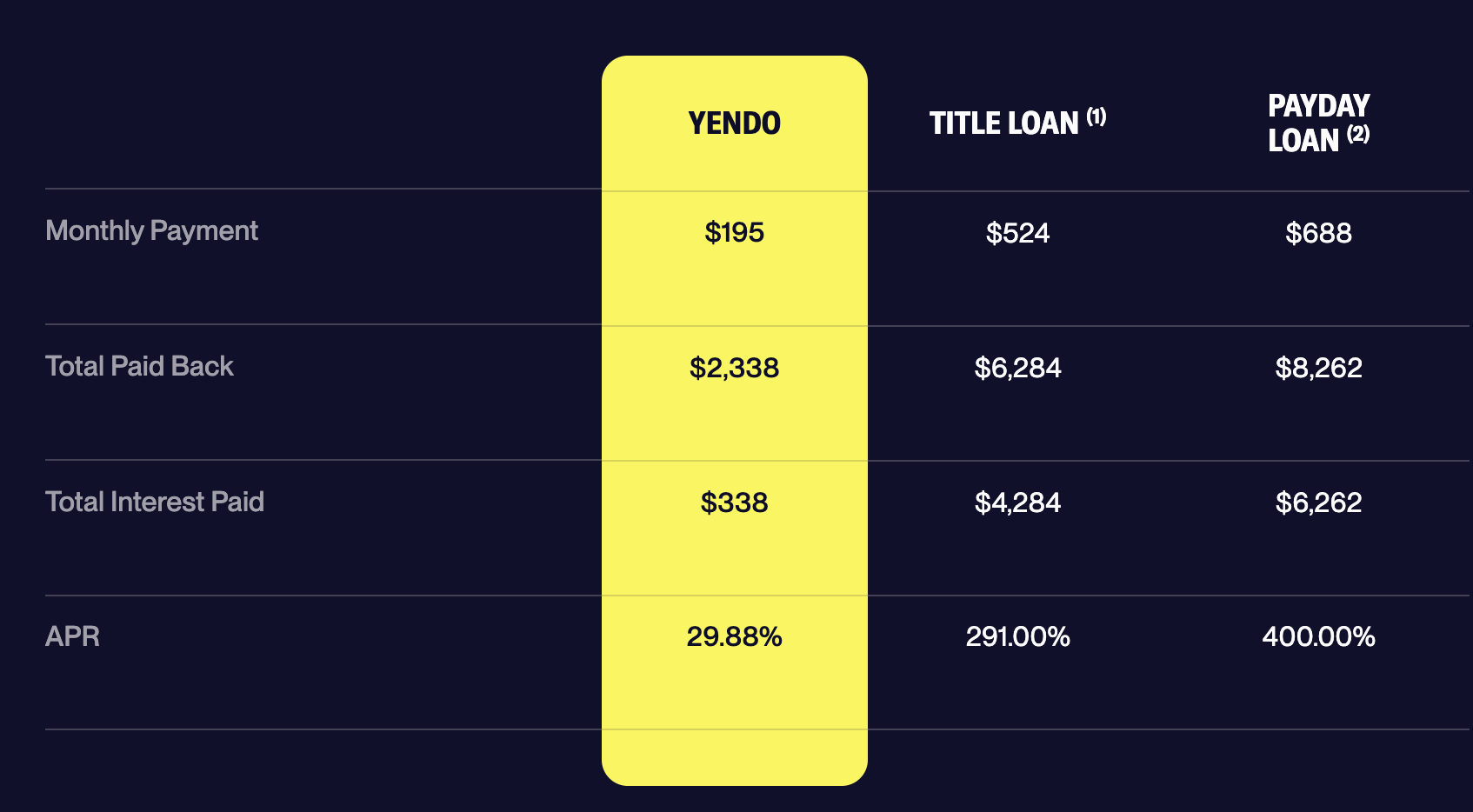
Despite these regulations, the cost of borrowing remains extraordinarily high. Annual Percentage Rates (APRs) for title loans frequently triple-digit figures, often hovering around 300% or higher when factoring in administrative fees, lien-recording fees, and monthly finance charges. Consumers must carefully examine the loan agreement disclosure box—mandated by federal Truth in Lending Act regulations—to see the exact finance charge and total repayment amount before signing.
The True Cost and Risks of Title Loans
While a title loan can bridge a gap during an immediate crisis—such as emergency medical bills, urgent car repairs, or preventing utility shutoff—the structure of these loans creates significant financial vulnerability.
1. High Interest and Fee Structures
The convenience of obtaining cash in under an hour comes at a steep price. Even with Arizona's statutory limits, rolling over or renewing a title loan when the repayment date arrives can trap borrowers in a cycle of debt. If a borrower can only afford to pay the monthly interest charge without reducing the principal balance, the total cost of the loan can quickly surpass the initial amount borrowed.
2. Risk of Vehicle Repossession
The most severe consequence of a title loan default is the loss of the vehicle. For residents of Queen Creek, where public transit options are limited compared to dense urban centers like central Phoenix, losing a car can directly impair employment, childcare logistics, and daily life. If a vehicle is repossessed and sold at auction, the borrower may still owe a deficiency balance if the auction price fails to cover the remaining loan balance and repossession fees.
3. Cycle of Refinancing (Rollovers)
Many title loan agreements are structured as 30-day contracts. When the due date arrives, borrowers who cannot pay the full lump sum are often offered a "rollover" or renewal. This extends the term for another month in exchange for paying another round of fees and interest, effectively preventing the borrower from escaping the debt trap.
Comparing Queen Creek Title Loans to Alternatives
Before committing to a vehicle title loan, borrowers should weigh alternative financial resources. The table below compares title loans against common borrowing alternatives available to Queen Creek residents.
| Financial Option | Typical Approval Speed | Cost / APR Risk | Primary Risk Factor | Suitability for Emergencies |
|---|---|---|---|---|
| Vehicle Title Loan | 30 to 60 minutes | Very High (up to 300%+ APR) | Loss of vehicle via repossession | High speed, but dangerous long-term cost |
| Credit Card Cash Advance | Immediate (if card is active) | High (typically 25% - 35% APR) | Rapid accumulation of revolving debt | Moderate; useful for smaller short-term gaps |
| Unsecured Personal Loan | 1 to 3 business days | Moderate to High (10% - 36% APR) | Impact on credit score upon default | Good, provided the borrower has fair-to-good credit |
| Local Credit Union Loan | 2 to 5 business days | Low to Moderate (8% - 18% APR) | Strict membership and credit requirements | Excellent, if time permits application processing |
| Employer Cash Advance | 1 to 3 days | Low (often fee-free or nominal fee) | Reduced upcoming paycheck | Good, for employed workers needing modest sums |
Better Alternatives for Queen Creek Residents
If you are experiencing financial distress in Queen Creek, exploring local and digital alternatives can save you from high-interest debt traps.
Local Credit Unions and Community Resources
Residents of Queen Creek can look toward local credit unions—such as AZ Central Credit Union, Desert Financial Credit Union, or OneAZ Credit Union—which frequently offer emergency assistance loans or low-rate signature loans designed to help members bypass predatory lenders. Furthermore, community action agencies in Pinal and Maricopa counties sometimes administer emergency utility or rental assistance programs for families facing temporary hardships.
Negotiating Payment Plans with Creditors
Often, the fastest way to handle an unexpected medical bill or service disconnect notice is to contact the billing entity directly. Many utility providers, medical centers, and landlords offer hardship programs, deferred payment arrangements, or structured payment plans with zero interest.
Peer-to-Peer Lending and Family Assistance
Borrowing a modest sum from a trusted family member or utilizing reputable peer-to-peer lending platforms can eliminate exorbitant corporate fees and establish a flexible repayment schedule without putting your primary mode of transportation at risk.
When Might a Title Loan Make Sense?
While financial advisors generally discourage title loans due to their predatory mechanics, a very narrow set of circumstances might render one defensible as an absolute last resort:
- Calculated Short-Term Bridge: The borrower has a verified, guaranteed influx of cash arriving in precisely 14 to 30 days (such as a confirmed job start date or pending settlement) and possesses the strict financial discipline to pay the loan off in full on day one.
- Avoiding Catastrophic Losses: The cost of not having immediate cash—such as losing a job due to lack of transportation or facing eviction—dwarfs the extreme cost of the title loan, and no other credit avenue is accessible.
Even in these scenarios, borrowers must draft a strict repayment budget before signing any paperwork with a title lending institution.
Conclusion
Are title loans in Queen Creek a good option? For the vast majority of consumers, the answer is no. While they provide rapid, credit-blind cash access, the combination of triple-digit interest rates and the imminent threat of vehicle repossession makes them a high-risk financial instrument that frequently exacerbates rather than resolves money troubles. Queen Creek residents are strongly encouraged to exhaust credit union options, personal loans, hardship grants, and direct creditor negotiations before risking their vehicle equity on a short-term title loan.