Hulk Hogan’s career is defined by solo dominance, but his impact on professional wrestling was often magnified when he operated as part of a team or stable. From the era-defining Mega Powers with Randy Savage to the industry-shifting New World Order (nWo), a team with Hulk Hogan represented the pinnacle of sports entertainment visibility and commercial success.
As we look back from 2026, the history of Hulk Hogan’s alliances serves as a blueprint for how "Star Power" can be leveraged to elevate tag team divisions and create multi-man factions that drive television ratings. Whether he was the babyface hero or the villainous "Hollywood" leader, Hogan’s presence transformed a standard tag match into a global event. Understanding these teams requires looking at the booking strategies, the interpersonal dynamics, and the cultural shifts that occurred whenever "The Immortal" shared the spotlight.
The Foundation of Alliances: Why Hogan Teamed Up
Throughout the 1980s and 1990s, the primary goal of the World Wrestling Federation (WWF) and World Championship Wrestling (WCW) was to maximize the "Hulkamania" brand. While Hogan was a perennial singles champion, the "team" concept served several strategic purposes.
First, it allowed Hogan to remain on the marquee without always defending his singles title, thus preserving his health and the prestige of the championship. Second, it was a proven method for "rubbing" stardom onto other performers. A team with Hulk Hogan was a guaranteed main event slot for his partner, often leading to increased merchandise sales and higher paydays. Finally, these teams provided the emotional stakes necessary for long-term storytelling, as seen in the inevitable betrayals and "implosions" that became a staple of Hogan’s career narrative.
The Mega Powers: Hogan and Randy Savage
Perhaps the most famous "team with Hulk Hogan" was The Mega Powers, consisting of Hogan and "Macho Man" Randy Savage. Formed in late 1987 and managed by Miss Elizabeth, this duo combined the two biggest stars of the Golden Era.
The Rise of the Mega Powers
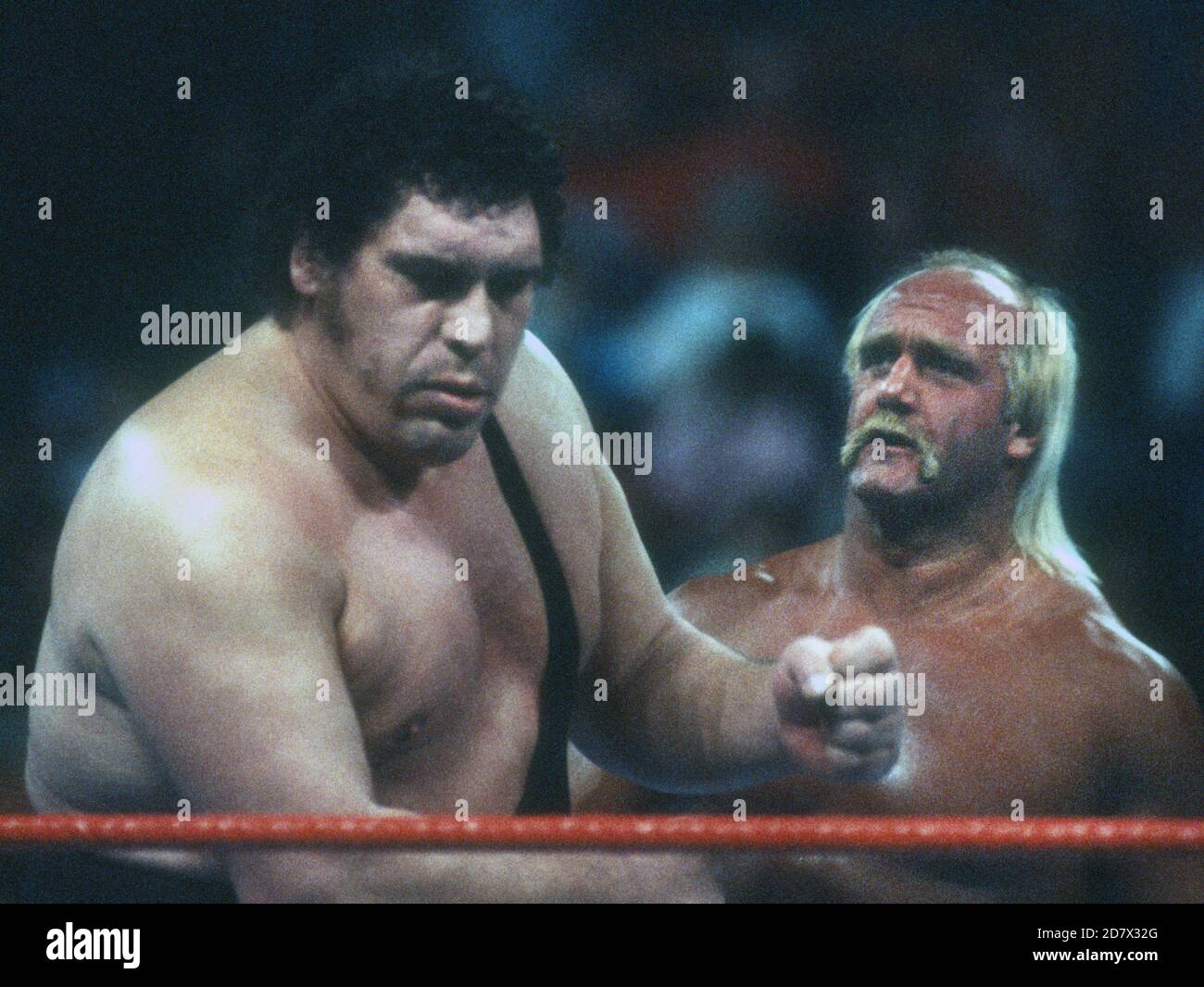
The alliance began when Hogan saved Savage from a beating by The Honky Tonk Man and The Hart Foundation. The image of Hogan and Savage shaking hands, with Miss Elizabeth caught in the middle, remains one of the most iconic frames in wrestling history. This team was unique because it didn't just exist for a single match; it dominated the WWF landscape for over a year. They main-evented the inaugural SummerSlam in 1988, defeating "The Mega Bucks" (Ted DiBiase and André the Giant).
The Implosion and Historical Impact
The brilliance of this team lay in its eventual destruction. The "slow burn" storyline centered on Savage’s growing jealousy regarding Hogan’s relationship with Miss Elizabeth. This culminated in the "Mega Powers Explode" storyline at WrestleMania V in 1989. The success of this team proved that a high-profile alliance could be more valuable than a standard title feud if the emotional investment from the fans was high enough. Even decades later, the Mega Powers model is cited by historians as the gold standard for tag team storytelling.
The New World Order (nWo): Redefining the Faction
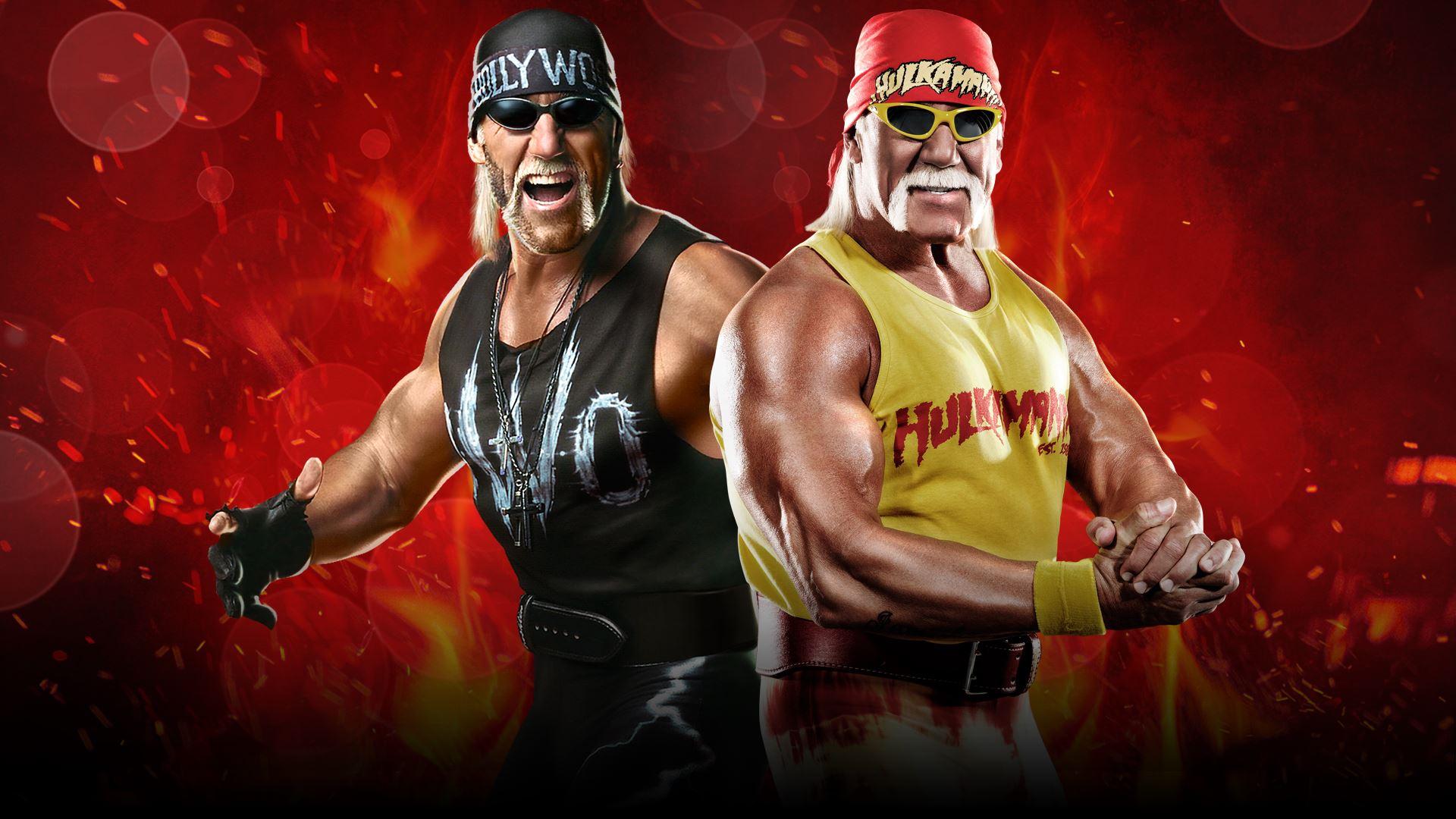
In 1996, the concept of a team with Hulk Hogan took its most radical turn. At WCW’s Bash at the Beach, Hogan betrayed the fans and joined Kevin Nash and Scott Hall to form the New World Order. This wasn't just a tag team; it was a hostile takeover.
The Power of Three: Hogan, Hall, and Nash
The nWo worked because it stripped away the traditional "Hulkamania" trappings. Hogan became "Hollywood" Hogan, trading his red and yellow for black and white. This team was built on the "Cool Heel" archetype, making villainy fashionable. The presence of Hogan gave Nash and Hall—the "Outsiders"—instant credibility as main-event threats.
Expansion and Dominance
The nWo eventually expanded to include dozens of members, but the core "team" remained centered on Hogan. The faction drove WCW to 83 consecutive weeks of ratings victories over the WWF. The legacy of this team is the "stable" era of the late 90s, which forced the competition to create their own factions like D-Generation X. In 2026, the nWo remains the most commercially successful stable in history, with its logo still appearing on top-selling apparel worldwide.
Iconic Partners: Beyond the Stables
While the Mega Powers and nWo are the most famous, Hogan had several other notable tag team partners throughout his career that served specific promotional needs.
The Mega-Maniacs: Hogan and Brutus Beefcake
Brutus "The Barber" Beefcake was Hogan’s real-life close friend, and their on-screen alliance, known as The Mega-Maniacs, was a highlight of the early 90s. At WrestleMania IX, the duo challenged Money Inc. for the Tag Team Championship. While they didn't win the titles, the team was essential for Beefcake’s career resurgence following a near-fatal parasailing accident. This team showcased Hogan’s loyalty and his ability to carry a program based on personal friendship rather than just championship gold.
The Nostalgia Run: Hogan and Edge
One of the most heartwarming alliances occurred during Hogan’s 2002 return to WWE. He teamed with a young Edge, who had grown up as a "Hulkamaniac." This cross-generational team won the WWE Tag Team Championship on a 2002 episode of SmackDown. For Hogan, it was a way to give back to the next generation; for Edge, it was the realization of a childhood dream. This partnership demonstrated that Hogan could still be a viable "team player" even in the twilight of his full-time in-ring career.
The Rocky Relationship: Hogan and The Rock
Following their legendary encounter at WrestleMania X8, Hogan and The Rock briefly teamed up. While short-lived, this "Dream Team" represented the two biggest icons of their respective eras (the Golden Era and the Attitude Era) standing side-by-side. Their matches against the nWo (now led by Nash and Hall) were massive draws that bridged the gap between two generations of fans.
Statistical Comparison of Key Hogan Alliances
To understand the scope of these teams, it is helpful to compare their longevity and the primary "narrative hook" that defined them.
| Team Name / Partner | Primary Era | Key Accomplishment | Narrative Purpose |
|---|---|---|---|
| The Mega Powers (w/ Randy Savage) | 1987–1989 | SummerSlam '88 Main Event | "The Handshake" & Jealousy Arc |
| The nWo (w/ Hall & Nash) | 1996–1999 | 83-Week Ratings Lead | The Heel Turn & Industry Shift |
| The Mega-Maniacs (w/ Brutus Beefcake) | 1993 | WrestleMania IX Spotlight | Real-life Friendship/Recovery |
| Hogan & Edge | 2002 | WWE Tag Team Champions | Passing the Torch/Nostalgia |
| Immortal (TNA Faction) | 2010–2011 | TNA World Heavyweight Title | Authority Figure Dominance |
The "Hogan Effect" on Tag Team Logistics
When an athlete of Hogan's stature enters the tag team ranks, the technical logistics of the match change. Hogan was never known for high-flying maneuvers or "work-rate" in the technical sense. Instead, a team with Hulk Hogan relied on psychology and "The Hot Tag."
- The Face-in-Peril: Typically, Hogan’s partner (whether it was Savage, Beefcake, or Edge) would take the majority of the damage throughout the match. This built crowd tension.
- The Hot Tag: The climax of any Hogan team match was the moment Hogan finally entered the ring. This "Hot Tag" would lead to his signature comeback (the "Hulk Up"), the finger point, the big boot, and the leg drop.
- The "Rub": By being the one to start the match and endure the "heat," Hogan’s partner was viewed as a resilient warrior. By being the one to finish the match, Hogan maintained his aura of invincibility.
This formula was repeated successfully for decades. It allowed Hogan to work with younger, faster performers who could handle the more physically demanding portions of the contest while Hogan provided the star-power finish.
Common Misconceptions About Hogan’s Alliances
Despite his fame, several misconceptions persist regarding Hogan's history as a team player.
- "Hogan never lost in tag teams": While rare, Hogan did suffer losses in tag matches, often to protect his singles status. In the nWo era, "Hollywood" Hogan frequently used his teammates as "shields," leading to tactical retreats or DQ losses.
- "The nWo was his only stable": Before the nWo, Hogan was part of factions like The First Family in the AWA and later led The Millionaire's Club in WCW. While the nWo is the most famous, Hogan was a veteran of group politics long before 1996.
- "He only teamed with top-tier stars": While he preferred working with names like Savage or The Rock, Hogan also teamed with "protege" figures like Tugboat (against Earthquake and Dino Bravo) to help elevate mid-card talent to the main event level.
Challenges of Being in a Team with Hulk Hogan
While teaming with Hogan brought fame, it also brought significant professional challenges. The "Hogan Shadow" was immense. Many partners found that while they were elevated during the alliance, they struggled to maintain that momentum once the team disbanded.
Randy Savage was one of the few who successfully transcended the partnership to remain a top-tier star. Others, like Brutus Beefcake or various nWo members, often saw their "heat" dissipate once they were no longer standing next to Hogan. The political reality of the wrestling business during the 80s and 90s meant that Hogan usually maintained creative control, which could sometimes limit the growth of his partners if their trajectories threatened his top spot.
Frequently Asked Questions
Did Hulk Hogan ever win the Tag Team Championship?
Yes, Hulk Hogan held the WWE Tag Team Championship once with Edge in 2002. He also held the IWGP Tag Team Championship (in Japan) with Antonio Inoki in 1983. Despite his numerous singles titles, his tag team championship reigns were relatively rare and usually served as special "moment-based" events.
Who was Hulk Hogan’s most frequent tag team partner?
Statistically, Brutus "The Barber" Beefcake (Ed Leslie) was his most frequent partner across multiple promotions (WWF, WCW) due to their real-life friendship. However, Randy Savage is considered his most significant partner in terms of historical impact and box-office draw.
Why did the Mega Powers break up?
The storyline reason for the Mega Powers' breakup was Randy Savage's belief that Hogan had "lust in his eyes" for Miss Elizabeth and was trying to take over Savage's spot as the top star. This led to Savage attacking Hogan during a televised special, setting up their match at WrestleMania V.
Was Hulk Hogan part of any teams in Japan?
Yes, before his 80s peak in the US, Hogan was a massive star in New Japan Pro-Wrestling (NJPW). He teamed frequently with Antonio Inoki. This "team with Hulk Hogan" was portrayed much more as a technical, powerhouse duo compared to the more character-driven alliances seen in the United States.
How did the nWo change Hulk Hogan’s career?
The nWo saved Hogan from becoming a "legacy act." By 1995, his "Real American" persona was losing steam. Turning heel and forming the nWo with Hall and Nash allowed him to reinvent himself as "Hollywood" Hogan, extending his career at the top of the industry for another decade.
The Verdict: The Lasting Influence of Hogan’s Alliances
In 2026, the blueprint of a "team with Hulk Hogan" remains relevant for modern promotions. The strategy of pairing an established icon with an up-and-coming star (the Hogan/Edge model) or grouping top stars together to dominate a brand (the nWo model) is still the foundation of wrestling booking.
Hogan’s ability to share the ring—while never truly giving up the spotlight—created some of the most lucrative periods in entertainment history. For fans and historians, studying these teams offers a masterclass in crowd psychology, brand management, and the art of the "big match feel." If you are looking to revisit these moments, the best next step is to explore the archival footage of WrestleMania V and Bash at the Beach 1996, which represent the two poles of Hogan’s legendary career as a teammate.