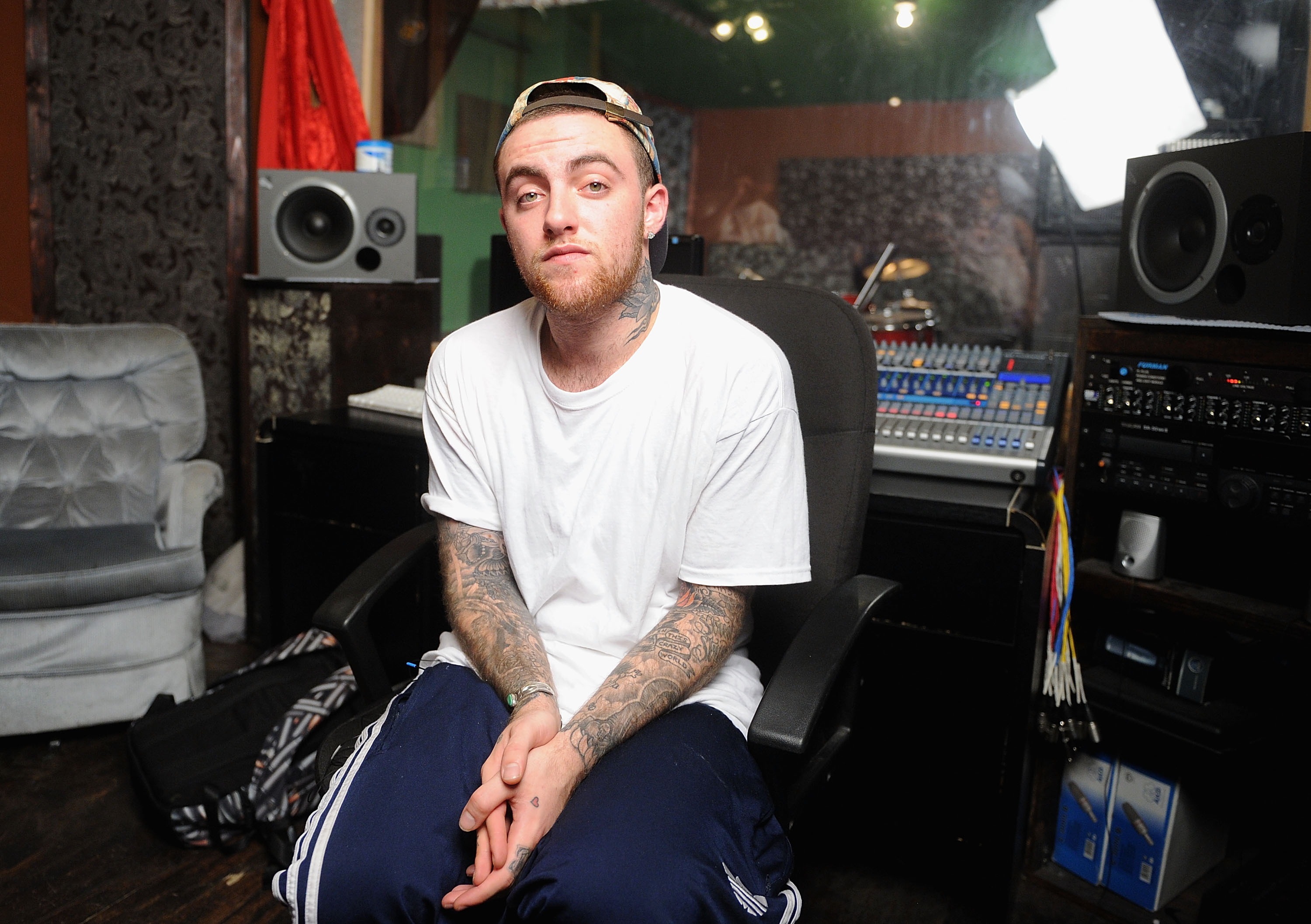
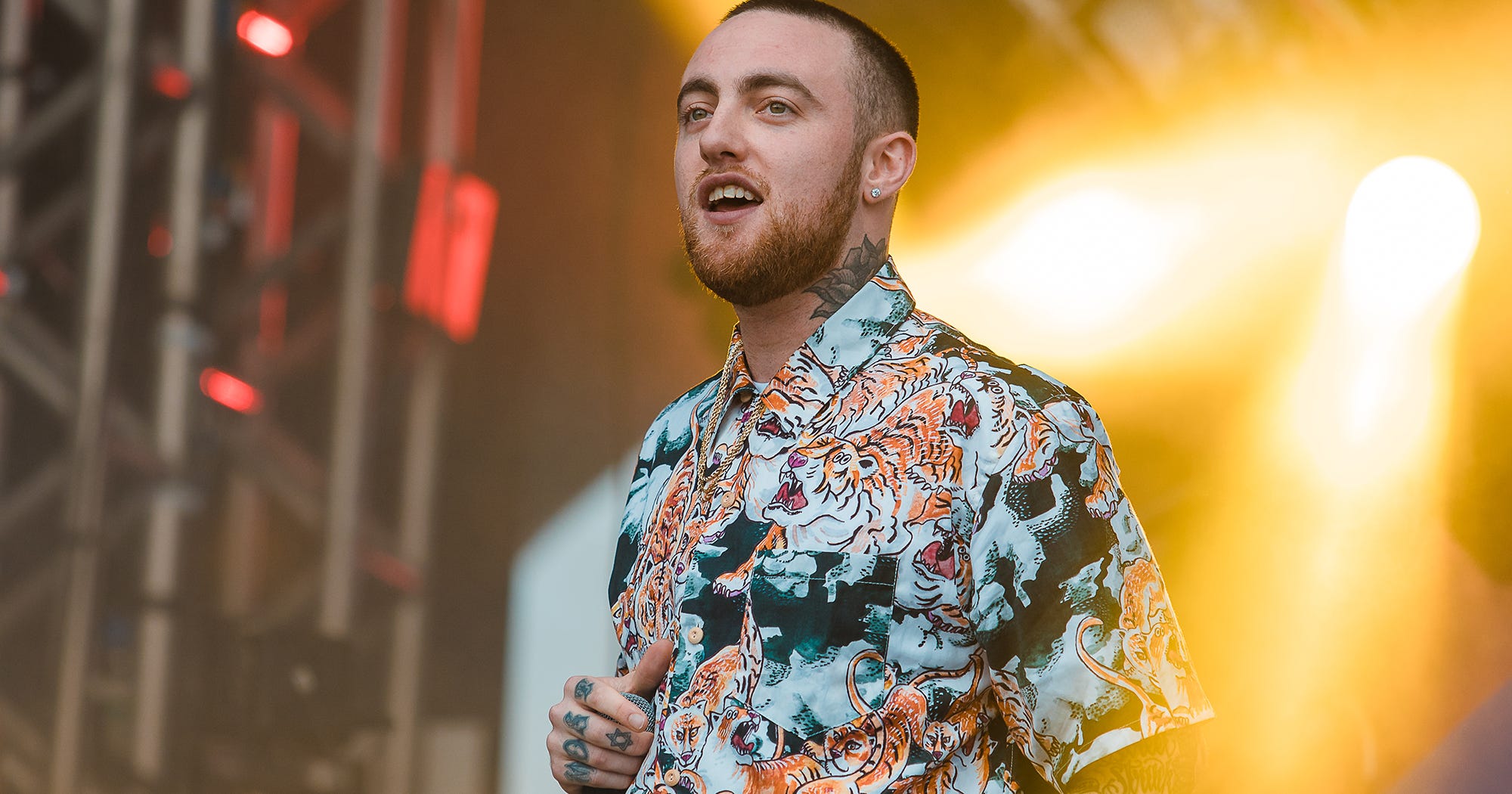
The "Mac Miller: A Celebration of Life" tribute concert, held on October 31, 2018, at the Greek Theatre in Los Angeles, served as a monumental benefit for the Mac Miller Circles Fund. It brought together iconic artists to honor Miller’s legacy through music, raising significant funds for youth arts and community programs.
The passing of Malcolm McCormick, known globally as Mac Miller, in September 2018 left a profound void in the music industry. As a response to the outpouring of grief and the desire to honor his creative spirit, his family, estate, and close collaborators organized a tribute that would eventually be described by fans and critics alike as "a night to remember." By 2026, this event remains a benchmark for how the music community can transform tragedy into a lasting philanthropic and artistic legacy.
The Genesis of the Celebration of Life
The primary objective of the tribute concert was to launch the Mac Miller Circles Fund. Established by his family in association with the Pittsburgh Foundation, the fund was designed to provide programming, resources, and opportunities to youth from underserved communities, helping them recognize their full potential through the arts.
The decision to hold the event at the Greek Theatre in Los Angeles was intentional. While Mac was a proud native of Pittsburgh, Pennsylvania, Los Angeles was where he spent much of his professional life and where he recorded some of his most influential works, including Watching Movies with the Sound Off and Swimming. The venue offered an intimate yet prestigious setting, accommodating roughly 6,000 fans who gathered to witness a lineup that felt more like a gathering of friends than a commercial festival.
Philanthropic Impact and the Mac Miller Circles Fund
The concert was not merely a memorial; it was a massive fundraising engine. By the end of the evening, it was reported that the event had raised over $700,000 for the newly formed fund. These resources were earmarked for the Mac Miller Fund, which has continued to support organizations like Hope Academy of Music and the Arts in Pittsburgh well into the current decade.
The success of the fundraiser established a blueprint for estate management and posthumous legacy building. Instead of allowing the narrative to be dominated by the circumstances of his death, the organizers pivoted the focus toward the "circles" of influence Mac had created during his life—his family, his peers, and his fans.
A Lineup Built on Genuine Collaboration
What distinguished this tribute from other benefit concerts was the genuine connection between the performers and the subject. Every artist on the bill had a personal or professional history with Mac Miller. This wasn't a collection of headliners seeking exposure; it was a roster of grieving friends paying their respects.
The lineup featured a diverse array of talent, reflecting Mac’s own genre-blurring career:
- Travis Scott
- SZA
- Chance the Rapper
- John Mayer
- Anderson .Paak
- Thundercat
- Vince Staples
- Earl Sweatshirt
- Ty Dolla $ign
- Miguel
- Schoolboy Q
Each artist brought a unique perspective on Mac’s influence. John Mayer, who had recently collaborated with Mac on the track "Small Worlds," provided a soulful, guitar-driven performance that highlighted Mac’s musicality. Meanwhile, Thundercat, one of Mac's closest creative partners, delivered a set that was both technically brilliant and emotionally raw.
Key Performance Highlights
| Performer | Relationship to Mac | Key Moment/Song |
|---|---|---|
| John Mayer | Collaborator/Friend | A blues-infused rendition of "Small Worlds" |
| Anderson .Paak | Frequent Collaborator | An energetic "Dang!" that kept the crowd celebrating |
| SZA | Long-time Friend | Emotional performance of "The Weekend" and "Garden" |
| Thundercat | Best Friend/Collaborator | "What's the Use?" featuring his signature bass work |
| Travis Scott | Peer/Collaborator | High-energy performance of "Sicko Mode" dedicated to Mac |
| Vince Staples | Close Friend/Protégé | A somber and respectful tribute reflecting their shared history |
Technical and Emotional Sophistication of the Event
The production of the "Celebration of Life" was managed with a high degree of technical precision. Because the event was live-streamed globally across platforms like YouTube, Facebook, and Twitter, the audio and visual engineering had to be flawless. This global accessibility allowed millions of fans who could not attend the Greek Theatre to participate in the collective grieving and celebration.
The Visual Narrative
Between sets, the giant screens at the Greek Theatre displayed home videos, studio footage, and interviews of Mac Miller throughout different stages of his life. These segments were crucial in humanizing the artist. They showed "Malcolm" rather than just "Mac Miller"—a young man obsessed with music, often found laughing at himself or deep in thought behind a piano.
One of the most poignant moments occurred when a video of Mac Miller performing the song "2009" with a string quartet was played. The hauntingly beautiful melody, combined with lyrics about self-reflection and the loss of innocence, created a moment of profound silence in the venue. It underscored the maturity Mac had reached in his final album, Swimming.
The Role of the House Band
To ensure a seamless flow between the eclectic mix of rappers, singers, and multi-instrumentalists, a professional house band was utilized. This allowed the concert to maintain a high musical standard, as the band could pivot from the jazzy textures of Mac's The Divine Feminine era to the heavier, trap-influenced beats of his earlier work. The musical direction emphasized live instrumentation, honoring Mac’s own transition from a traditional rapper to a respected musician and producer (under his Larry Fisherman pseudonym).
Cultural Impact on Mental Health and Addiction Awareness
In the years following the concert, the "Celebration of Life" has been cited as a turning point in how the hip-hop community discusses mental health and substance abuse. Mac Miller’s openness about his struggles—documented through his lyrics from Faces to Swimming—made his passing particularly resonant.
The concert served as a platform for artists like Chance the Rapper and SZA to speak openly on stage about the importance of checking in on friends and seeking help. It moved the conversation away from the "rockstar lifestyle" tropes and toward a more empathetic understanding of the pressures faced by young creatives.
By 2026, the Mac Miller Fund has expanded its mission to include mental health support specifically tailored for musicians. The tribute concert provided the initial visibility and funding necessary to launch these initiatives. It proved that a tribute could be more than a one-off event; it could be the catalyst for systemic change within the industry.
Accessing the Tribute Today
For those looking to experience the concert in 2026, the full live stream is no longer hosted as a single official video on every original platform, but significant portions and high-quality fan archives remain available.
- Official Clips: The Mac Miller YouTube channel maintains high-definition clips of specific performances and the introductory video packages.
- Archival Websites: Several music history archives and fan-led initiatives (such as those found on Reddit’s r/MacMiller) have preserved the full three-hour broadcast for educational and memorial purposes.
- Documentary Footage: Elements of the concert have been licensed for use in various music documentaries exploring the "Soundcloud Rap" era and the evolution of 2010s hip-hop.
Viewing the concert today offers a snapshot of a specific moment in time—a crossroads where many of the artists who are now the biggest stars in the world were just beginning to grapple with the loss of a peer they considered a "glue" in their community.
Troubleshooting Common Questions about the Event
When researching the tribute concert, fans often encounter conflicting information regarding the setlist and the availability of official merchandise. It is important to distinguish between the 2018 event and subsequent fan-organized memorials.
- Was it a tour? No, the "Celebration of Life" was a one-night-only event. There were no subsequent dates, although "Mac Miller Day" events are frequently held in Pittsburgh.
- Merchandise Authenticity: Official merchandise was sold exclusively at the venue and through the official Mac Miller webstore for a limited time, with proceeds benefiting the Circles Fund. Modern "reprints" are almost exclusively third-party unless sold via the official estate site.
- Is there a DVD/Blu-ray? An official physical release of the concert was never produced for retail. The estate has prioritized keeping the footage available digitally to ensure free access for the global fan base.
Final Reflections on "A Night to Remember"
The "Mac Miller: A Celebration of Life" concert succeeded because it mirrored the personality of its subject: it was collaborative, musically ambitious, and deeply human. It didn't shy away from the sadness of the occasion, but it chose to focus on the "vibrance" that Mac Miller brought to the studio and the stage.
For the artists involved, it was a moment of closure. For the fans, it was a chance to say goodbye. For the industry, it was a reminder of the power of community. As we look back from 2026, the event stands as the definitive tribute to an artist who was just beginning to find his true voice.
Frequently Asked Questions
Who organized the Mac Miller tribute concert? The event was organized by Mac Miller’s family, his management team at 4 Strikes, and Live Nation. They worked closely with the Pittsburgh Foundation to ensure the proceeds were properly allocated to the Mac Miller Circles Fund.
What was the most emotional part of the night? While subjective, many consider the closing of the show to be the most emotional moment. After hours of performances, the stage was left empty while a recording of Mac Miller thanking his fans and discussing his love for music played over the sound system. This was followed by his parents, Karen Meyers and Mark McCormick, coming onto the stage to thank the audience.
How much money was raised during the event? The initial concert raised over $700,000. Subsequent donations and ongoing sales of related merchandise have pushed the total contributions to the Mac Miller Fund into the millions over the years, supporting various arts programs for underprivileged youth.
Where can I find the official setlist for the concert? The setlist is widely documented on music archive sites like Setlist.fm. It included over 20 songs, ranging from Mac’s early hits like "Best Day Ever" (performed by his friends) to his final works from Swimming.
Did Mac Miller have a posthumous album released after this concert? Yes. Following the concert, his estate worked with producer Jon Brion to complete and release Circles in 2020. This album was intended to be a companion piece to Swimming, and its release was supported by the infrastructure and community built during the tribute concert.
Why was the concert called "A Celebration of Life"? The title was chosen to shift the focus from the tragedy of his death to the impact of his life. This is a common practice in memorial services, but in this context, it also reflected Mac’s own artistic philosophy of finding light and humor even in dark times.
Next Action for Fans: To support the ongoing mission of the Mac Miller Fund, fans should visit the official Pittsburgh Foundation website to learn about current grant recipients or visit the official Mac Miller store, where select proceeds often continue to support the fund's initiatives.