The Cleveland Show, a spin-off of the long-running animated series Family Guy, introduced audiences to a distinct cast of characters residing in the fictional town of Stoolbend, Virginia. The ensemble is anchored by the protagonist, Cleveland Brown, and features a diverse array of neighbors, family members, and schoolmates who define the show’s unique comedic landscape and suburban social dynamics.
The Central Family: The Browns and The Tubbs
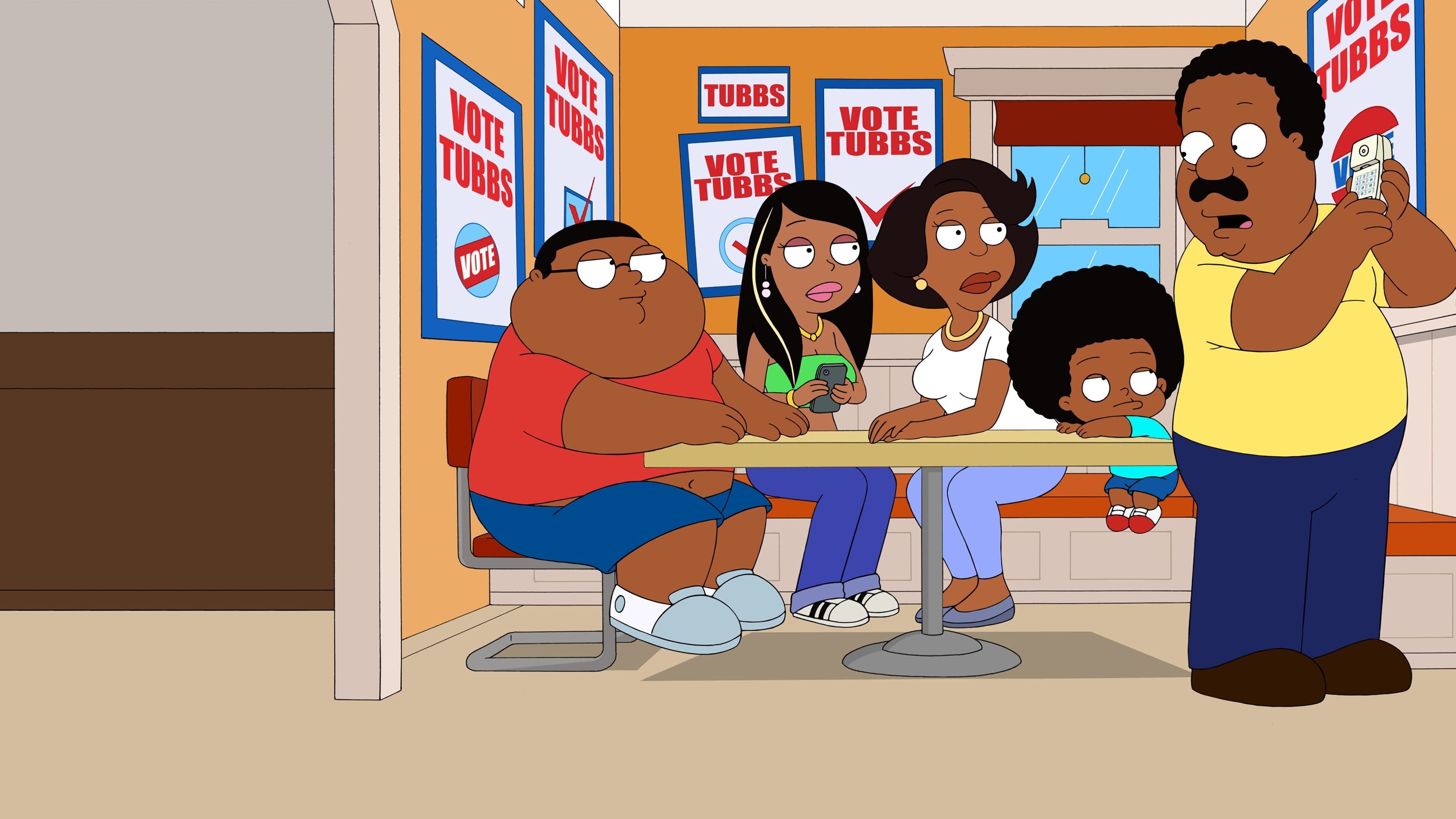
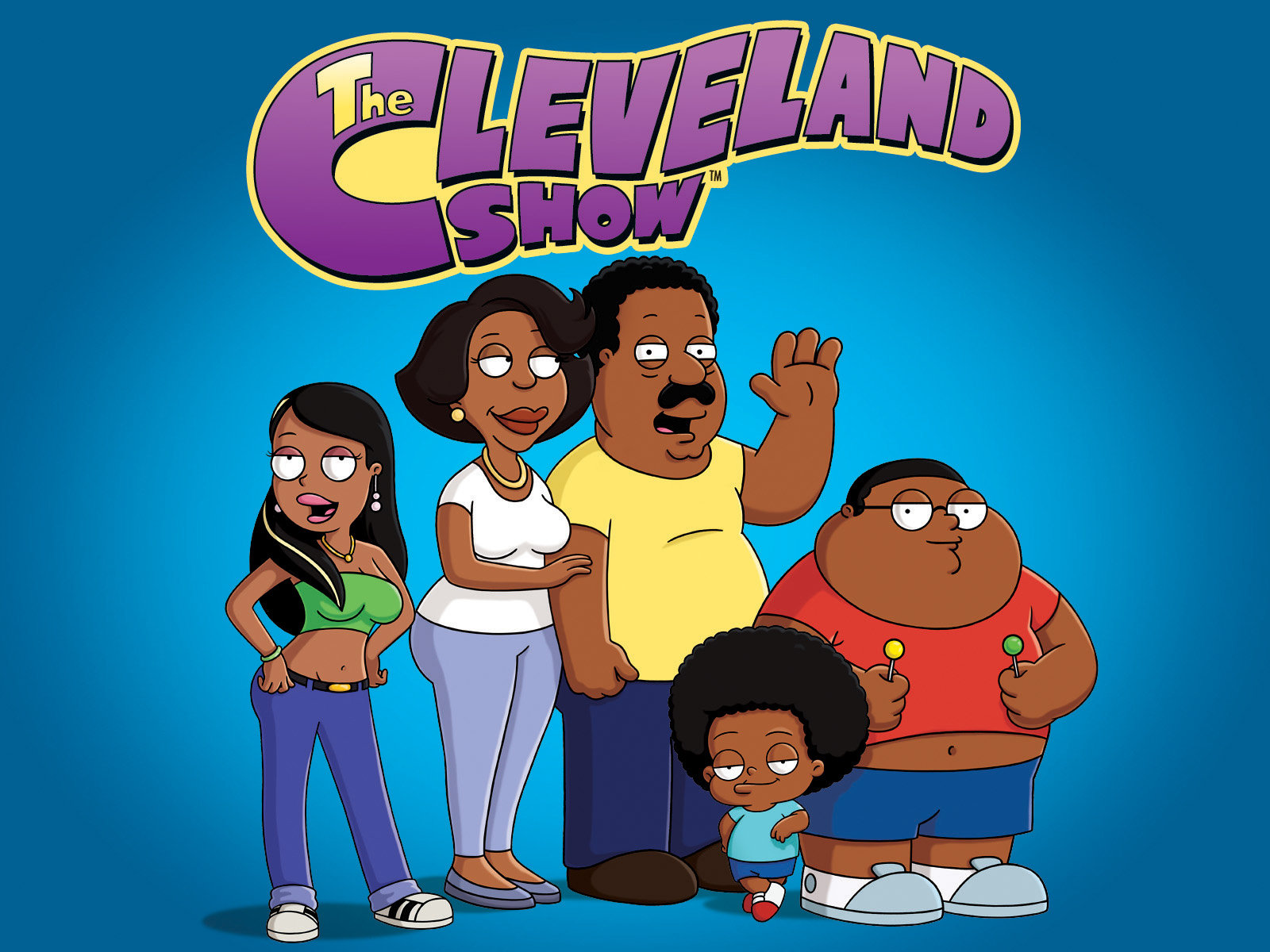
The narrative heart of The Cleveland Show revolves around the blended family created when Cleveland Brown moves back to his hometown of Stoolbend and marries his high school sweetheart, Donna Tubbs. This union creates a complex, humorous household dynamic between Cleveland’s son, Cleveland Jr., and Donna’s children, Roberta and Rallo.
Cleveland Brown As the primary protagonist, Cleveland Brown is portrayed as a gentle, soft-spoken, and often naive individual. Having transitioned from his life in Quahog, Rhode Island, Cleveland attempts to embrace a new start in Stoolbend. His character is defined by his optimism, his patience with his often-eccentric neighbors, and his tendency to be the "straight man" in absurd situations.
Donna Tubbs-Brown Donna serves as the pragmatic counterweight to Cleveland. A strong-willed, assertive, and sometimes impatient character, she provides the necessary structure for the household. Her history with Cleveland—dating back to their time at Stoolbend High—adds a layer of romantic nostalgia that keeps the family unit grounded despite the various chaotic events that occur throughout the series.
Cleveland Brown Jr. Cleveland Jr. is significantly different from his portrayal in the original Family Guy series. In The Cleveland Show, he is depicted as an intellectual, socially awkward, and anxiety-prone teenager. His transition from a small child to a heavy-set, bespectacled adolescent serves as a focal point for many episodes, particularly regarding his struggles with his weight and his attempts to fit in with his peers.
Roberta Tubbs As the daughter of Donna, Roberta is a stereotypical popular teenage girl. She is obsessed with her social status, her appearance, and her burgeoning modeling career. Her relationship with her step-brother, Cleveland Jr., and her mother is often fraught with teenage rebellion, making her a vital source of conflict and development within the domestic sphere of the show.
Rallo Tubbs Rallo is Donna’s younger son and arguably one of the most outspoken characters in the series. Despite his young age, Rallo possesses an adult-like vocabulary and a cynical, manipulative worldview. His antics often involve schemes to get what he wants or to cause mischief in the household, contrasting sharply with the relative innocence of his step-brother.
Stoolbend Neighbors and Community Figures
The world of Stoolbend is populated by a variety of recurring characters who provide social commentary and comedic relief through their idiosyncratic behaviors. These characters represent different archetypes of the American suburban experience, often pushed to hyperbolic extremes.
Tim the Bear, Arianna, and Raymond The most notable neighbors in the series are the anthropomorphic bears—Tim, Arianna, and their son, Raymond. Tim, a devout Christian who works as a telemarketer, often struggles with his "bear instincts" and his desire to assimilate into human society. His friendship with Cleveland provides one of the show's most surreal and enduring character dynamics, as they navigate the challenges of neighborhood living and workplace pressures together.
Lester Krinklesac and Kendra Krinklesac Representing the "redneck" archetype, Lester and his wife Kendra are staples of the Stoolbend community. Lester is portrayed as a beer-loving, somewhat ignorant, but ultimately loyal friend to Cleveland. Kendra, who is largely immobile due to her extreme obesity, adds a layer of dark humor to the neighborhood interactions, often reacting with intensity to the events happening around her.
Holt Richter Holt is one of Cleveland’s primary drinking buddies. He is a short, insecure, and self-conscious man who frequently struggles with his mother’s overbearing nature and his own lack of social grace. His attempts to be a "cool guy" usually result in failure, which serves as a recurring source of empathy and humor among the group of friends who frequent the local bar.
Table of Primary Character Attributes
| Character Name | Role/Archetype | Key Personality Trait |
|---|---|---|
| Cleveland Brown | Protagonist | Optimistic and patient |
| Donna Tubbs | Matriarch | Assertive and pragmatic |
| Cleveland Jr. | Stepson | Intellectual and anxious |
| Roberta Tubbs | Stepdaughter | Image-conscious |
| Rallo Tubbs | Stepson | Cynical and manipulative |
| Tim the Bear | Neighbor | Religious and anthropomorphic |
| Lester Krinklesac | Neighbor | Blue-collar/Redneck |
| Holt Richter | Friend | Insecure and socially awkward |
School and Secondary Characters
The social environment of Stoolbend extends to the local school, where characters like Coach McFall, Principal Wally Farquhar, and various students interact with Cleveland’s children. These characters are essential for exploring the pressures of adolescence and the absurdity of local bureaucracy.
Coach McFall A recurring authority figure at the school, the coach is often depicted as having a questionable grasp on ethics and education. His influence on the younger characters, particularly the competitive aspects of school sports, highlights the satirical nature of the series regarding public education and small-town priorities.
Principal Wally Farquhar As the head of the local school, Wally serves as a foil to the parents of the community. His pedantic nature and obsession with rules—which he often fails to enforce correctly—provide a layer of social satire concerning local governance and the inefficiency often associated with school administration.
Analytical Perspective: Character Evolution
In analyzing The Cleveland Show characters, it is important to note how they function as archetypes. Unlike the broader, more chaotic ensemble found in its predecessor, this show focused heavily on the mechanics of a blended family. The evolution of Cleveland Jr. is the most significant departure; by shifting him from a minor, background child into a lead with defined personality flaws and virtues, the writers created a character that could sustain more complex narrative arcs.
Furthermore, the introduction of non-human neighbors like Tim the Bear allowed the show to explore themes of social integration and the "other." By placing a bear in the role of a suburban neighbor, the series could mirror common human suburban frustrations through a lens of absurdity, effectively highlighting the ridiculousness of social norms.
Frequently Asked Questions
Who is the most popular character in The Cleveland Show? Cleveland Brown remains the most central figure, but Rallo Tubbs and Tim the Bear are frequently cited by fans for their unique, dialogue-driven humor that distinguishes the show from other animated comedies.
Are all characters from Family Guy in The Cleveland Show? No, while some characters like Peter Griffin or Quagmire make occasional appearances or cameos, the cast of The Cleveland Show is largely original to the spin-off to allow for a unique setting and dynamic.
Why did Cleveland Jr.’s personality change? The creators redesigned Cleveland Jr. to fit the needs of the new show's narrative. Giving him an intellectual, shy personality provided more opportunities for "nerd culture" humor and a different kind of parental conflict for Cleveland.
What is the significance of the Krinklesacs? The Krinklesacs serve as a satirical look at southern blue-collar stereotypes. They are designed to contrast with Cleveland’s more balanced, moderate lifestyle, providing a source of friction that drives the neighborhood plots forward.
Final Recommendation
To fully appreciate the depth of The Cleveland Show characters, viewers should focus on the interactions within the Brown-Tubbs household during the early seasons. These episodes establish the core motivations and social contracts of the characters. For those interested in the series’ unique brand of humor, paying close attention to the dialogue between the "drinking buddies" (Cleveland, Tim, Lester, and Holt) offers the most insight into how the series uses its ensemble to satirize suburban life.