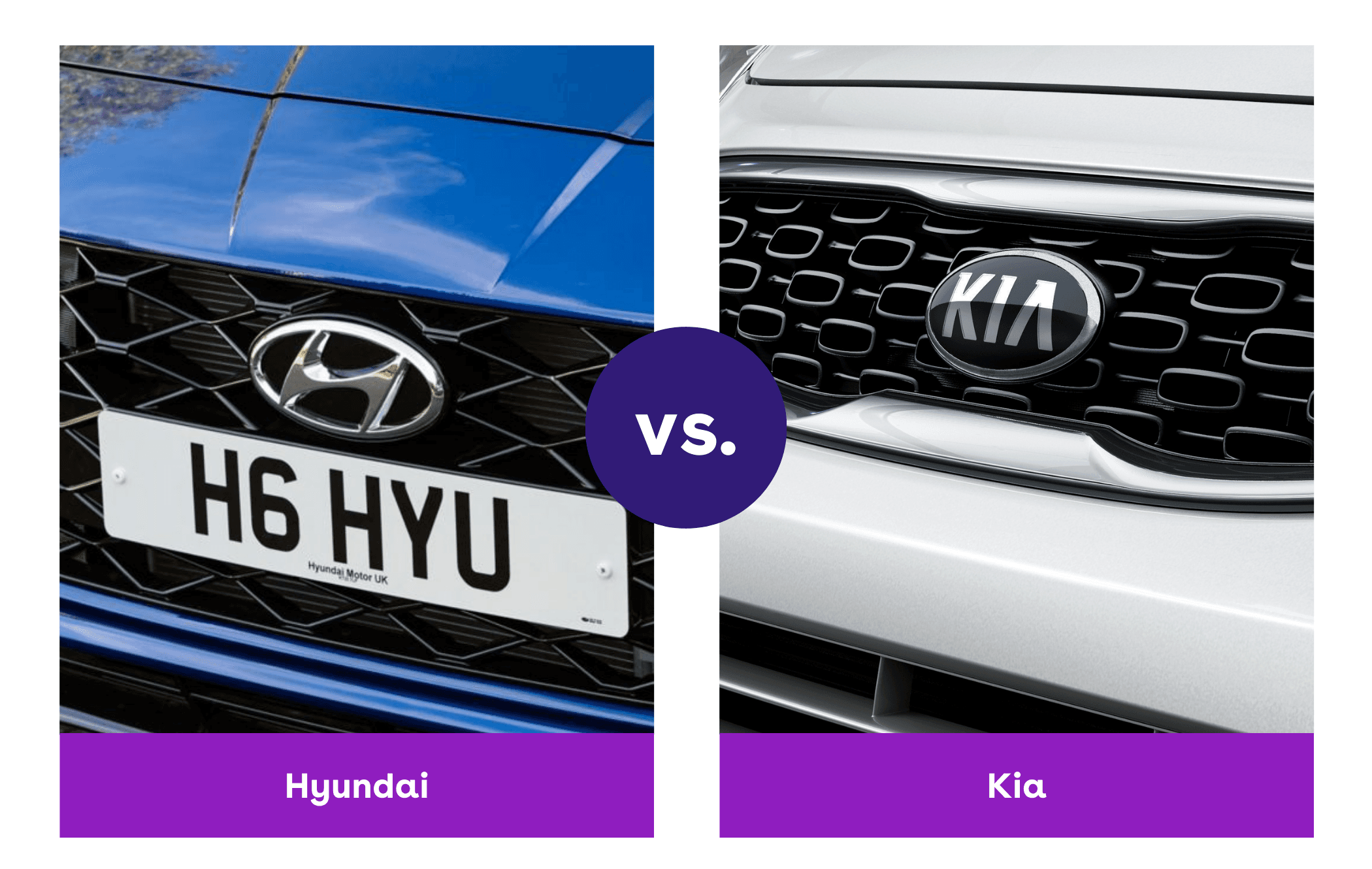
Kia and Hyundai are not the same company, though they share a deep, intertwined corporate history. Hyundai Motor Company owns a controlling stake in Kia Corporation, and the two brands operate under a single umbrella known as the Hyundai Motor Group. While they share engineering platforms, technology, and supply chains, they maintain separate brand identities, design languages, and target markets.
The Corporate Structure: Hyundai Motor Group
To understand why people often conflate the two brands, one must look at the corporate architecture. Hyundai Motor Group is a massive South Korean conglomerate. In 1998, during the Asian financial crisis, Hyundai Motor Company acquired a majority stake in Kia Motors (now Kia Corporation) to prevent its collapse. Since that consolidation, the two companies have functioned as subsidiaries of the same parent entity.
However, being under the same umbrella does not mean they are the same legal entity. They operate as distinct corporations with separate executive leadership teams, board members, and, most importantly, separate design studios and marketing departments. The synergy between them is primarily industrial and strategic rather than administrative. They share massive costs related to research and development, platform engineering, and component manufacturing, which allows both brands to compete more aggressively in global markets.
Shared Engineering and Platforms
The most significant overlap between Kia and Hyundai exists at the mechanical level. Many vehicles from both brands are built on identical "platforms." A platform in automotive engineering is the underlying architecture of a vehicle, including the chassis, drivetrain layout, suspension geometry, and engine mounting points.
For example, the Hyundai Tucson and the Kia Sportage share the same N3 platform. This means that if you look underneath the two vehicles, you will find largely identical structural components. The same holds true for larger SUVs like the Hyundai Palisade and the Kia Telluride, as well as their respective electric vehicle lineups built on the Electric-Global Modular Platform (E-GMP), such as the Hyundai Ioniq 5 and the Kia EV6.
Sharing these platforms is a highly efficient business strategy. It reduces development cycles and allows both brands to benefit from economies of scale. When Hyundai Motor Group develops a new, high-efficiency engine or a cutting-edge battery management system, they can deploy it across both brand lineups simultaneously, significantly lowering the per-unit development cost.
Distinct Brand Identities and Market Positioning
Despite the shared components, Kia and Hyundai make a deliberate effort to ensure their vehicles do not feel the same to the consumer. This is managed through "brand differentiation."
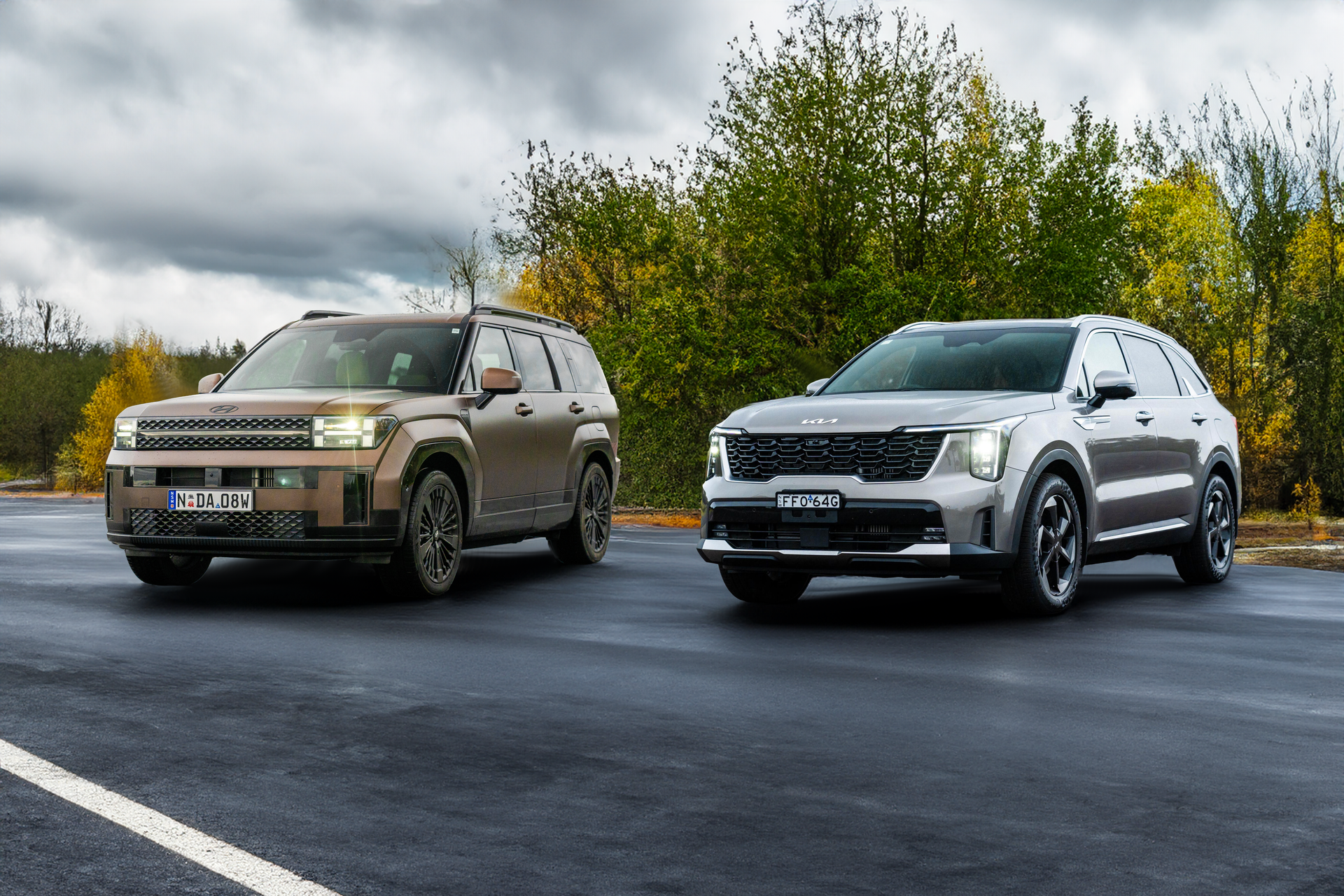
Hyundai generally positions itself as the more "mainstream" and tech-focused brand. Its design language often emphasizes fluid, futuristic, and somewhat experimental aesthetics. Hyundai’s marketing frequently highlights advanced comfort features, interior luxury, and a high-tech persona.
Kia, conversely, has leaned into a more youthful, sporty, and "rugged" identity. Following its "Opposites United" design philosophy, Kia’s vehicles tend to have more aggressive, angular lines and a focus on driving dynamics that lean slightly firmer or more responsive than their Hyundai counterparts. Kia often targets buyers who prioritize a bold exterior design and a slightly more "adventurous" image.
This strategy ensures that the two brands do not cannibalize each other’s sales. A buyer who dislikes the minimalist, high-tech interior of a Hyundai might find the more traditional, driver-oriented layout of a Kia more appealing, even if the engines and transmissions underneath are identical.
Comparison of Key Operational Aspects
| Feature | Hyundai | Kia |
|---|---|---|
| Parent Organization | Hyundai Motor Group | Hyundai Motor Group |
| Primary Design Philosophy | Sensuous Sportiness | Opposites United |
| Target Demographic | Broad, tech-focused, family-oriented | Youthful, active, style-conscious |
| Component Sharing | High (Platforms, Engines, EV Tech) | High (Platforms, Engines, EV Tech) |
| Service/Warranty | Identical (10-year/100k-mile powertrain) | Identical (10-year/100k-mile powertrain) |
| Independent Dealerships | Yes (Separate networks) | Yes (Separate networks) |
Maintenance, Service, and Warranty Considerations
From the perspective of a vehicle owner, the relationship between Kia and Hyundai is often most relevant when it comes to service. Because they are separate companies, they utilize separate dealership networks.
If you own a Kia, you generally cannot take it to a Hyundai dealership for warranty work, and vice-versa. While many independent mechanics are perfectly capable of working on both—because the underlying parts are often interchangeable—official manufacturer-backed service must be performed by the respective brand's certified technicians.
Interestingly, the warranty packages are nearly identical. Both brands offer a generous 10-year or 100,000-mile limited powertrain warranty in many markets, including the United States. This is a strategic decision by the Hyundai Motor Group to instill consumer confidence in both brands, utilizing the same risk-management and actuarial models to determine the costs of these warranty programs.
Common Myths and Misconceptions
A persistent myth is that Hyundai vehicles are inherently "higher quality" than Kia vehicles, or vice versa. In reality, because they share engineering, manufacturing facilities, and supply chains, the build quality and reliability profiles are often strikingly similar. Both brands have experienced similar ups and downs regarding recalls, software updates, and engine-related issues over the past decade.
Another misconception is that the companies are merging into a single brand. While they share resources, the Hyundai Motor Group has found significant value in keeping the brands separate. By maintaining two distinct dealership networks and two distinct marketing campaigns, they capture a larger share of the total automotive market than they likely would with a single, monolithic brand.
How to Choose Between Them
If you are deciding between a Kia and a Hyundai, the best approach is to stop worrying about the corporate relationship and focus on the individual vehicle. Because the mechanical components are often shared, the choice rarely comes down to "which brand is better built." Instead, it should come down to the following:
- Design Preference: Which aesthetic do you prefer? Do you like the futuristic, bold look of a new Hyundai, or the angular, rugged design of a current Kia?
- Ergonomics and UX: Sit in both. While the engines are the same, the infotainment interfaces, seating comfort, and button layouts are designed separately. You may find that one brand’s interface is more intuitive to you than the other.
- Local Dealership Experience: The quality of the dealership experience can vary wildly. Because they are separate, you might find that one brand’s local service center has better availability, more transparent pricing, or better customer service reviews in your specific city.
- Available Inventory: Sometimes, the decision is made for you by supply. One dealership might have the specific trim level and color you want in stock, while the other does not.
Frequently Asked Questions
Do Kia and Hyundai use the same parts?
Yes, they share a significant amount of parts, including engines, transmissions, chassis components, and infotainment systems. This allows the Hyundai Motor Group to achieve significant economies of scale. However, the exterior body panels, interior trim, and lighting elements are unique to each model to maintain brand identity.
Are Kia and Hyundai engines interchangeable?
While the engines are often identical in specification, they are not always strictly "plug-and-play" due to different mounting points, computer software (ECUs), and accessory configurations. While a block from one might fit the other, swapping them without professional knowledge is not recommended due to these technical complexities.
Does one brand have better reliability than the other?
Reliability is generally consistent across both brands because they share the same engineering and manufacturing processes. Any differences in reliability rankings are usually minimal and often fluctuate based on the specific model year and the launch of new vehicle platforms. Both brands perform similarly in long-term durability tests.
Can I get my Kia serviced at a Hyundai dealer?
Generally, no. Kia and Hyundai operate independent dealer networks. While some dealer groups may own franchises for both brands, they usually maintain separate service bays, software diagnostic tools, and parts inventories. You should always take your vehicle to an authorized dealer of the brand you purchased.
Why does Hyundai own Kia if they are competitors?
They are "sibling competitors." By allowing them to compete, the Hyundai Motor Group ensures that customers who might dislike one brand’s aesthetic or dealership experience still remain within the group's ecosystem. This strategy effectively covers more segments of the market without requiring one brand to cater to every single type of consumer.
Final Recommendation
When shopping for a vehicle, view Kia and Hyundai as two different ways to access the same high-level engineering. Because the internal components and safety technologies are largely equivalent, your final decision should be based on your personal preference for design, the ergonomics of the interior, and the quality of the specific dealership you plan to use for future service. Both brands offer competitive value and technology; the difference lies in the flavor, not the substance.