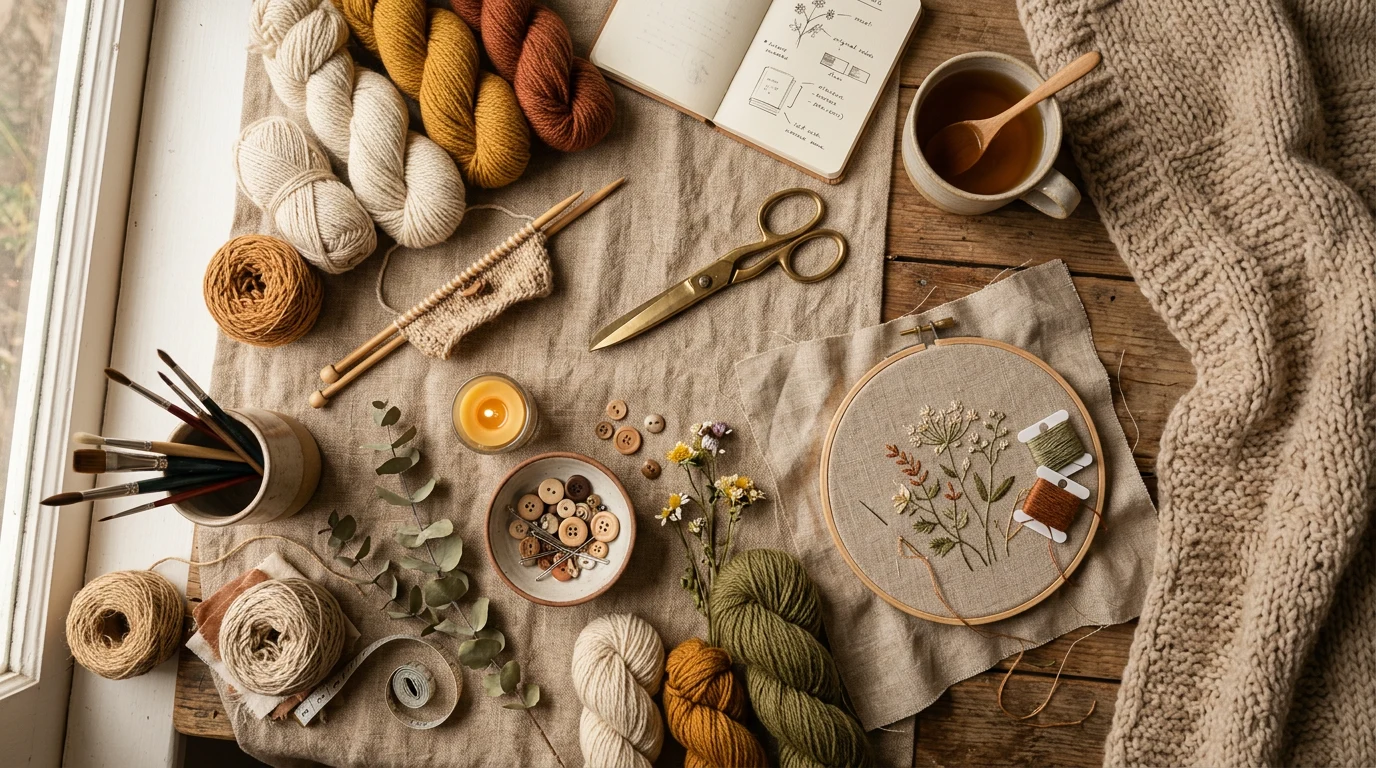
Finding a dedicated hobby space in Orlando requires navigating a blend of public resources, private workshops, and community-centric makerspaces designed to support everything from woodworking and 3D printing to fiber arts and tabletop gaming. Whether you are a resident professional seeking industrial-grade machinery or a hobbyist looking for a quiet, reliable environment to practice your craft, the Orlando metropolitan area offers diverse infrastructure to accommodate specialized needs. Success in securing these spaces hinges on understanding the specific requirements for facility access, insurance liabilities, equipment usage policies, and membership tiers.
Identifying Your Hobby Space Needs
Before scouting locations, you must define the technical and logistical requirements of your hobby. Hobby spaces in Orlando vary significantly by their core offering. Some facilities, often referred to as makerspaces, prioritize digital fabrication and heavy machinery, providing access to laser cutters, CNC routers, and welding stations. Others focus on "dry" crafts such as sewing, painting, or tabletop role-playing games (TTRPGs).
Start by categorizing your needs:
- Utility Requirements: Do you need specialized ventilation (fumes from resin or spray paint), high-voltage electrical hookups, or heavy-duty compressed air?
- Storage Needs: Are you looking for a "drop-in" desk where you pack up at the end of the day, or do you require a dedicated, climate-controlled locker or private cage for your ongoing projects?
- Tool Access: Does the facility provide the tools, or is it merely a rented bench space where you must transport your own equipment?
- Accessibility: Consider the facility's proximity to your home or office, as consistent progress on hobbies often depends on how easily you can access the space after work or on weekends.
Makerspaces and Industrial Workshops
Makerspaces are the backbone of the "build-it-yourself" community in Orlando. These membership-based facilities function similarly to gym memberships, where you pay a recurring monthly fee for access to a shared workshop.
Operational Prerequisites
Most Orlando-based makerspaces operate on a membership model. Before you are granted access to heavy equipment—such as industrial laser cutters or metal lathes—you are typically required to complete a safety certification course. These courses are mandatory for legal and insurance reasons. Expect a certification process that includes:
- Safety Orientation: A broad tour of the facility, emergency shut-off locations, and fire safety protocols.
- Tool-Specific Training: Hands-on instruction focusing on a specific machine’s user interface, material limitations, and maintenance tasks.
- Supervised Proficiency Check: A brief period where you demonstrate to a mentor or shop lead that you can operate the machinery without endangering yourself or the equipment.
Typical Equipment Availability
| Category | Common Tools Included | Usage Constraint |
|---|---|---|
| Additive Manufacturing | FDM and Resin 3D Printers | Consumables (filament/resin) often extra |
| Subtractive Fabrication | CNC Routers, Mills, Lathes | Requires specific machine certification |
| Laser Fabrication | CO2 and Fiber Lasers | Air-assist and venting protocols mandatory |
| Traditional Woodworking | Table saws, bandsaws, planers | High dust collection awareness required |
Public Library and Community Resources
In the Orlando area, the Orange County Library System (OCLS) represents a significant, often underutilized resource for hobbyists. Specifically, the Melrose Center at the Orlando Public Library provides a high-end, public-access hobby space that serves as a bridge between professional industrial workshops and personal home setups.
The Melrose Center is unique because it offers access to high-end audio and video production studios, photography bays, and simulation labs that might otherwise be prohibitively expensive to maintain at home. For hobbyists in the creative arts, this facility provides the necessary software licenses (such as the Adobe Creative Cloud suite or CAD software) and hardware (such as professional cameras and lighting rigs) that are otherwise locked behind expensive subscriptions or purchase prices. Access is typically tied to an OCLS library card, though specific equipment use may require additional orientation.
Shared Studio and Co-working Spaces for Artists
If your hobby is "dry" (painting, illustration, writing, or jewelry design), a makerspace may be too loud or industrial. In these cases, look toward shared studio environments or co-working spaces that offer a creative wing.
Shared studios in Orlando often provide:
- Natural Lighting: Critical for painters and visual artists.
- Quiet Zones: Separation from the heavy machinery and high-traffic areas found in makerspaces.
- Community Interaction: Unlike working in a home garage, professional studio spaces often host monthly critiques, gallery nights, or networking events that allow you to refine your hobby through community feedback.
When selecting a studio space, verify if the site permits the use of hazardous chemicals or oil-based solvents. Many shared commercial spaces have strict policies regarding VOC (Volatile Organic Compound) levels in paints and cleaners. Always confirm the facility's lease terms regarding materials before signing a membership agreement.
Tabletop Gaming and Social Hobby Spaces
Orlando has a robust community for tabletop gaming, board games, and collectible card games. These hobby spaces function differently than industrial workshops. They rely on "table space" rather than specialized equipment.
When searching for a local hobby shop for gaming, prioritize:
- Table Size and Comfort: Check if the venue provides ample seating and adequate lighting for long-duration play.
- Storage Policies: Some local shops offer "hobby lockers" for regular players to store their miniatures, armies, or board game collections, sparing them the effort of hauling boxes back and forth.
- Event Scheduling: Ensure the venue hosts leagues or open play nights that match your schedule. Most successful gamers identify a "home" shop where they can reliably find opponents.
Costs and Financial Considerations
The cost of hobby space in 2026 is driven by overhead, specifically insurance premiums and commercial rent in the Central Florida market.
- Subscription Tiers: Look for tiered memberships. If you only use the space twice a month, a "full-time" membership is rarely cost-effective. Many spaces offer a "weekend warrior" or "limited access" tier that significantly lowers the monthly commitment.
- Hidden Costs: Always ask about the "consumables fee." Even if the machine is free to use, the materials—like high-quality Baltic birch plywood for laser cutting or specialized 3D printing resins—often have a markup when purchased through the hobby space.
- Insurance: Check if your personal renter’s or homeowner’s insurance covers damage to your equipment while it is stored at a secondary location. Most commercial hobby spaces provide general liability insurance, but this rarely covers damage to your personal property stored on-site.
Addressing Common Challenges and Troubleshooting
Troubleshooting Access Issues
If you find yourself frequently turned away from a specific station or machine due to high demand, pivot your usage to off-peak hours. In Orlando, most hobby spaces experience a surge in demand on weekday evenings and weekends. If your hobby allows, schedule your fabrication or production time for early Tuesday or Wednesday mornings.
Resolving Equipment Downtime
It is a common frustration to arrive at a space only to find a machine is "Out of Order." Established makerspaces should have a ticket-based system for maintenance. Before your visit, check the facility’s internal dashboard or social media updates to verify that your required tools are operational. If you are a high-volume user, consider learning basic maintenance skills for the machines you use most often; many facilities offer "superuser" status to those willing to help with calibration and cleaning, which may provide you with priority access or fee discounts.
Frequently Asked Questions
Do I need to be a professional to use an Orlando makerspace?
No, most makerspaces are designed for hobbyists, students, and DIY enthusiasts. While they are often used by entrepreneurs for prototyping, the primary culture is one of learning and community support regardless of professional skill level.
Can I store toxic chemicals or spray paints at these facilities?
Generally, no. Most shared hobby spaces have strict health and safety regulations. Flammable liquids and aerosols are often prohibited, or they must be stored in specific fire-rated cabinets. Always check the facility’s Material Safety Data Sheet (MSDS) policy before bringing chemicals.
How do I prove I am qualified to use dangerous tools?
Most spaces require a "check-out" process. You must be prepared to demonstrate your competency with a specific machine to a staff member. If you are new to a tool, sign up for an introductory class; do not attempt to bypass the certification process, as it is a fundamental safety and liability requirement.
Is there a difference between a makerspace and a studio?
Yes. A makerspace is typically oriented toward heavy tools and digital fabrication (wood, metal, plastic, electronics). A studio is typically oriented toward quiet, clean work (painting, sewing, writing, graphic design).
Can I host a group or club at these hobby spaces?
Many Orlando hobby spaces offer room rentals for private groups. If your gaming club or craft group needs a consistent meeting spot, contact the facility manager to discuss a recurring reservation, which is often cheaper than paying individual day-pass rates.
Practical Next Steps
To move forward with selecting your Orlando hobby space, perform the following action items:
- Create a Shortlist: Visit the websites of three to five spaces that match your specific hobby (e.g., searching for "woodworking guilds in Orlando" or "community art studios in Orlando").
- Request a Tour: Never commit to a membership without a physical tour. Walk the facility to see if the environment is maintained and if the atmosphere aligns with your goals.
- Verify Scheduling: Ask for a demo of their reservation software to see how easy it is to book a station during the times you are available.
- Confirm Fees: Get a written breakdown of membership costs versus consumable costs to ensure there are no surprises in your first month.
Selecting the right space is a long-term commitment to your growth as a creator. By prioritizing safety, community, and logistical convenience, you will find a space in Orlando that transforms your hobby from a sporadic activity into a sustainable and productive pursuit.