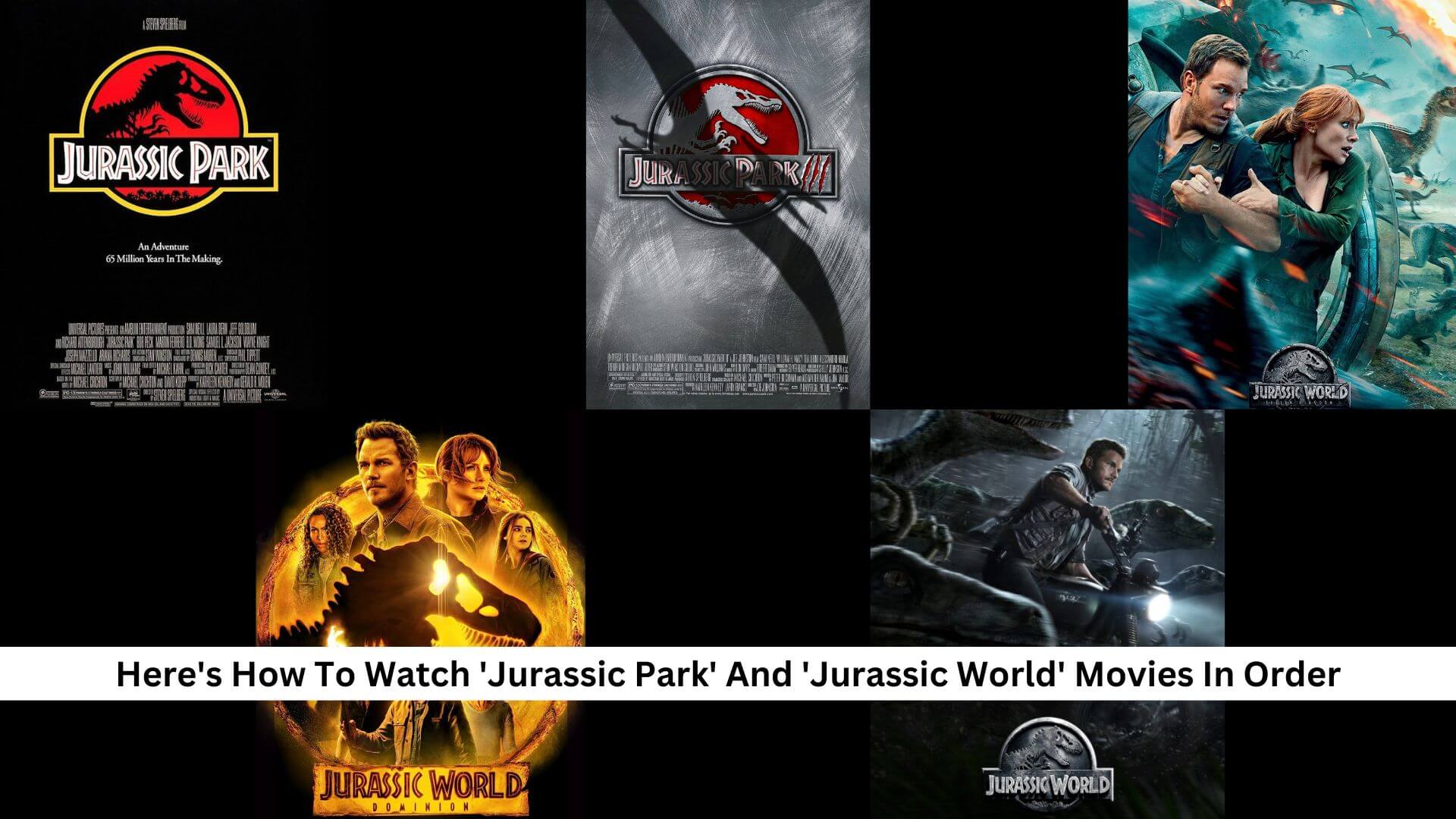
To navigate the "Jurassic" franchise as of 2026, viewers must account for seven feature films, two canonical animated series, and several significant short films. The complete list includes the original Jurassic Park trilogy (1993–2001), the Jurassic World trilogy (2015–2022), and the most recent expansion, Jurassic World Rebirth (2025).
The "Jurassic" franchise remains a titan of cinema, blending speculative science with high-stakes adventure. Since Steven Spielberg first brought Michael Crichton’s vision to the screen in 1993, the series has evolved from a contained "disaster in a theme park" narrative into a sprawling global epic where prehistoric creatures and modern civilization must coexist. Whether you are a newcomer to the series or a longtime fan looking to refresh your memory, understanding the timeline, the shifting themes, and the technical milestones of each entry is essential.
The Original Jurassic Park Trilogy (1993–2001)
The foundation of the franchise lies in the original three films, which established the concept of "de-extinction" through the retrieval of ancient DNA from mosquitoes trapped in amber. This era is defined by its blend of practical animatronics and groundbreaking digital effects.
Jurassic Park (1993)
Directed by Steven Spielberg, the original Jurassic Park is a landmark in film history. Based on the 1990 novel by Michael Crichton, the story follows paleontologists Alan Grant and Ellie Sattler, along with mathematician Ian Malcolm, as they are invited to tour a secret island theme park populated by cloned dinosaurs.
The film's legacy is tied to its revolutionary use of Computer-Generated Imagery (CGI) by Industrial Light & Magic (ILM) and life-sized animatronics by Stan Winston Studio. From a technical SEO and historical perspective, this film set the gold standard for "creature features," earning three Academy Awards. It introduced the world to the T-Rex and the highly intelligent Velociraptors, setting the thematic stage for the dangers of "playing God" with genetics.
The Lost World: Jurassic Park (1997)
Spielberg returned to direct the second installment, which was loosely based on Crichton’s second novel. The Lost World shifts the action to "Site B" (Isla Sorna), a secondary island where dinosaurs were bred before being moved to the park.
This entry is significantly darker than its predecessor. It explores the ethics of animal exploitation and corporate greed through the lens of the InGen corporation’s attempt to bring dinosaurs to a mainland facility in San Diego. The film is best remembered for the tense trailer sequence and the climactic T-Rex rampage through the streets of California, expanding the scope of the franchise beyond the confines of a jungle.
Jurassic Park III (2001)
Directed by Joe Johnston, the third film moved away from the philosophical underpinnings of the first two and leaned heavily into survival-horror and action. Sam Neill returned as Alan Grant, who is lured back to Isla Sorna under false pretenses to help a couple find their missing son.
Jurassic Park III is notable for introducing the Spinosaurus as the new primary antagonist, famously depicting it defeating a T-Rex in a controversial battle. While it was the shortest film in the series at the time, it introduced the concept of Pteranodons in a massive aviary, a sequence that would be echoed in later films.
The Jurassic World Era (2015–2022)
After a fourteen-year hiatus, the franchise was revitalized with Jurassic World, shifting the focus toward a fully operational, successful theme park that eventually descends into chaos.
Jurassic World (2015)
Directed by Colin Trevorrow, Jurassic World acted as a "legacy sequel," acknowledging the events of 1993 while introducing a new cast led by Chris Pratt (Owen Grady) and Bryce Dallas Howard (Claire Dearing). The plot centers on the Indominus rex, a genetically modified hybrid created to satisfy corporate demands for "bigger, scarier" attractions.
The film was a massive commercial success, grossing over $1.6 billion worldwide. It explored the desensitization of the public toward wonders and the commercialization of nature. Technically, it showcased the evolution of CGI, though some fans missed the heavy reliance on practical puppets seen in the original trilogy.
Jurassic World: Fallen Kingdom (2018)
Directed by J.A. Bayona, Fallen Kingdom took a sharp stylistic turn. The first half of the film is a high-octane disaster movie involving a volcanic eruption on Isla Nublar, while the second half transforms into a gothic horror story set within the claustrophobic confines of the Lockwood Manor.
The film introduced the Indoraptor and made the monumental narrative choice to destroy the original island, Isla Nublar. This decision effectively ended the "island theme park" trope and transitioned the franchise into a world where dinosaurs are sold to the highest bidder and eventually released into the American wilderness.
Jurassic World Dominion (2022)
The concluding chapter of the Jurassic World trilogy saw the return of the original trio (Neill, Dern, and Goldblum) alongside the new cast. Directed by Trevorrow, Dominion deals with the fallout of dinosaurs living among humans globally.
The story focuses on a biological threat involving prehistoric locusts engineered by the corporation Biosyn. While the film received mixed critical reviews, it served as a massive "event" film that brought the disparate storylines of six films together. It also introduced the "Giganotosaurus" and provided a definitive end to the Lockwood/InGen narrative arcs.
The Expansion: Jurassic World Rebirth (2025)
As of 2026, the most recent addition to the cinematic list is Jurassic World Rebirth. Released in mid-2025, this film represents a fresh start for the franchise. Directed by Gareth Edwards (known for Rogue One and Godzilla), the film moves away from the legacy characters to focus on a new team of explorers and scientists.
Rebirth is set several years after the events of Dominion. It focuses on a specialized team attempting to secure DNA samples from the world’s three most massive creatures, which are believed to hold the key to a life-saving medical breakthrough. The film has been praised for returning to the "grounded" and "atmospheric" tone of the 1993 original, utilizing Edwards’ signature sense of scale and cinematography.
Comprehensive List of Jurassic Park Movies and Media
The following table provides a technical breakdown of the feature films in the franchise for quick comparison and verification.
| Film Title | Release Year | Director | Primary Antagonist (Dinosaur) | Core Theme |
|---|---|---|---|---|
| Jurassic Park | 1993 | Steven Spielberg | T-Rex / Velociraptor | Chaos Theory & Ethics |
| The Lost World | 1997 | Steven Spielberg | T-Rex Pair / Raptors | Environmental Preservation |
| Jurassic Park III | 2001 | Joe Johnston | Spinosaurus | Survival & Parenthood |
| Jurassic World | 2015 | Colin Trevorrow | Indominus rex | Corporate Greed |
| Fallen Kingdom | 2018 | J.A. Bayona | Indoraptor | Animal Rights & Genetic Hubris |
| Dominion | 2022 | Colin Trevorrow | Giganotosaurus | Ecological Balance |
| Rebirth | 2025 | Gareth Edwards | Titanosaurus (Species) | Medical Ethics & Exploration |
Canonical Television and Short Films
To have a truly "complete" list, one must look beyond the silver screen. In the modern era of the franchise, Universal has used television and shorts to bridge the gaps between major theatrical releases.
- Battle at Big Rock (2019): A short film directed by Colin Trevorrow. It takes place one year after Fallen Kingdom and shows a family at a campsite encountering an Allosaurus. This was the first live-action look at dinosaurs living on the mainland.
- Jurassic World: Camp Cretaceous (2020–2022): An animated series on Netflix consisting of five seasons. While it is animated, it is considered strictly canon, following a group of teenagers who were stranded on Isla Nublar during the events of the 2015 film.
- Jurassic World: Chaos Theory (2024–Present): A sequel series to Camp Cretaceous. It follows the "Nublar Six" as young adults in the timeline between Fallen Kingdom and Dominion, dealing with a conspiracy involving the illegal dinosaur trade.
Chronological Viewing Order vs. Release Order
For viewers who want to experience the narrative as a linear timeline, the order differs slightly from the release dates due to the placement of the television series and shorts.
- Jurassic Park (1993)
- The Lost World: Jurassic Park (1997)
- Jurassic Park III (2001)
- Jurassic World (2015)
- Jurassic World: Camp Cretaceous (Seasons 1-5)
- Jurassic World: Fallen Kingdom (2018)
- Battle at Big Rock (2019)
- Jurassic World: Chaos Theory (2024)
- Jurassic World Dominion (2022)
- Jurassic World Rebirth (2025)
Note: While Camp Cretaceous begins during the 2015 film, its later seasons extend into the years leading up to Fallen Kingdom. Similarly, Chaos Theory bridges the gap between Fallen Kingdom and Dominion.
Technical and Cultural Legacy
The "Jurassic" franchise is often used in film studies to discuss the transition from traditional special effects to the digital age. The 1993 film's success convinced many directors, including George Lucas, that CGI was the future of filmmaking. However, the series has also faced criticism for its scientific inaccuracies, such as the lack of feathers on most dinosaurs (a point finally addressed in Jurassic World Dominion with the introduction of the Pyroraptor).
The franchise has generated billions in revenue, not just through ticket sales, but through extensive licensing, including theme park attractions at Universal Studios (such as the VelociCoaster and Jurassic World: The Ride), video games like Jurassic World Evolution, and an endless array of merchandise.
Frequently Asked Questions
Which Jurassic Park movie should I watch first?
You should always start with the original 1993 Jurassic Park. Not only is it the chronological beginning, but it also establishes the fundamental rules of the universe, the characters of Ian Malcolm and Alan Grant, and the primary philosophical conflict regarding genetic engineering.
Is Jurassic World 4 the same as Jurassic World Rebirth?
Yes. During the early stages of production and development in 2024, the project was often referred to as "Jurassic World 4" or the "Jurassic City" project. However, the official title confirmed for the 2025 release was Jurassic World Rebirth.
Are the Jurassic Park movies based on books?
The first two films, Jurassic Park and The Lost World, are based on novels by Michael Crichton. Jurassic Park III and all subsequent Jurassic World films are original stories that utilize Crichton's characters and concepts but do not have direct literary counterparts.
Are the animated series "Camp Cretaceous" and "Chaos Theory" for kids?
While they are rated for younger audiences (TV-PG), they are highly regarded by adult fans for their mature themes, character development, and canonical connections to the main films. They are essential for anyone wanting the full story of what happened between the movies.
Do I need to watch the original trilogy to understand Jurassic World?
While Jurassic World (2015) was designed as a soft reboot to allow new viewers to enter the franchise, having knowledge of the original 1993 film significantly enhances the experience. Many plot points in the later sequels, especially Dominion, rely heavily on the legacy of the original characters.
Final Recommendation for Fans
To fully appreciate the scope of the Jurassic franchise in 2026, we recommend a "Contextual Marathon." Start with the 1993 original to understand the "Awe and Terror" foundation, then jump to the Jurassic World trilogy to see the "Commercialization and Consequences." If you have time, the Chaos Theory series offers the best character-driven storytelling currently available in the franchise. For those seeking the latest technical marvels, Jurassic World Rebirth (2025) provides a fresh, modern perspective on the "De-extinction" era.