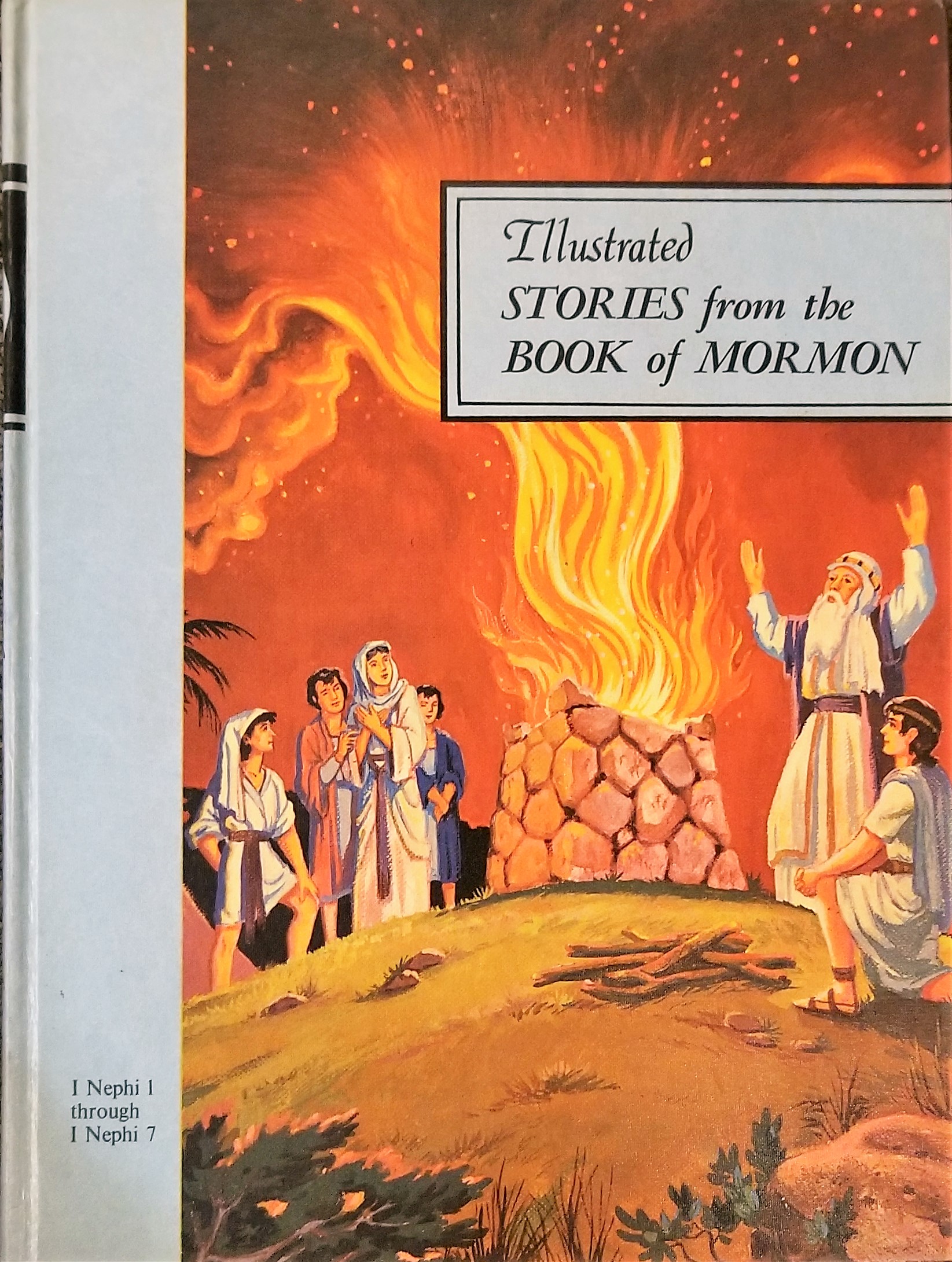
For parents, educators, and individuals seeking to supplement their religious study, the question of whether Book of Mormon cartoons are worth the effort—meaning the time, financial investment, and screen-time trade-off—is a common one. As of 2026, the landscape of religious media has expanded significantly, offering a variety of animated adaptations ranging from hand-drawn classics to modern digital shorts.
Book of Mormon cartoons are generally worth the effort for families with young children or visual learners, as they provide a foundational narrative framework that simplifies complex scriptural themes. While they cannot replace primary scripture study, they serve as an effective "hook" for engagement, provided viewers balance them with doctrinal discussion and choose high-quality, accurate productions.
The Evolution of Book of Mormon Animation
To understand the value of these productions in 2026, we must look at the two primary "eras" of animation that define the genre. The most recognizable series remains the "Animated Stories from the Book of Mormon," originally produced by Living Scriptures, Inc. starting in the late 1980s. These hand-drawn features were the gold standard for decades, often sold via subscription services or DVD sets.
In more recent years, the Church of Jesus Christ of Latter-day Saints has shifted its focus toward high-definition live-action "Book of Mormon Videos," yet a demand for animation persists for younger audiences. This has led to a fragmented market where legacy cartoons, newer short-form digital animations, and fan-made content compete for attention. The "effort" involved today often refers to navigating these different styles to find content that is both engaging for children and doctrinally sound.
The Traditional Classics: Living Scriptures
The Living Scriptures series remains the most culturally significant collection of Book of Mormon cartoons. Created by former Disney director Richard Rich, these episodes are known for their musical numbers, dramatic pacing, and high production value relative to their time. For many adults in 2026, these cartoons carry a heavy weight of nostalgia, often influencing their decision to introduce them to their own children.
Modern Digital Shorts and Illustrated Videos
As we move through 2026, we see a rise in simplified, "stop-motion" style or motion-comic animations. These are often shorter (3 to 5 minutes) and designed for the fast-paced consumption habits of modern digital platforms. While they lack the cinematic depth of the 1980s classics, they are often more accessible and easier to integrate into a quick Sunday School lesson or a "Come, Follow Me" family study session.
Educational Benefits for Visual and Auditory Learners
One of the primary reasons these cartoons are considered "worth it" is their ability to bridge the gap between abstract text and concrete understanding. For a five-year-old, the concept of "building a ship" according to the Lord’s instructions is an abstract idea. Seeing an animated Nephi struggle with his brothers while physically constructing a vessel provides a mental image that anchors the story.
Narrative Retention
Studies in educational psychology have long suggested that multi-modal learning—using both visual and auditory stimuli—increases retention rates. When a child watches an animated version of Abinadi standing before King Noah, they aren't just hearing a story; they are seeing the contrast between the prophet's humility and the king's opulence. This visual contrast helps the child remember the moral of the story long after the video has ended.
Language Development and Scriptural Literacy
The Book of Mormon contains complex language, including "thee," "thou," and intricate sentence structures. Cartoons often use simplified dialogue while retaining key scriptural phrases. This acts as a linguistic "on-ramp," preparing children for the time when they will read the actual text. By the time a child encounters the story of the 2,000 Stripling Warriors in the book, they already have a foundational understanding of the plot, allowing them to focus on the deeper spiritual nuances of the text.
Addressing the "Effort" Factor: Costs and Accessibility in 2026
When evaluating if these cartoons are worth the effort, one must consider the logistical hurdles. In the past, this meant buying expensive VHS or DVD sets. In 2026, the "effort" is more about digital subscriptions and platform navigation.
| Feature | Living Scriptures (Streaming) | Official Church Media | YouTube/Independent Creators |
|---|---|---|---|
| Animation Style | Classic 2D / Hand-drawn | Live-Action/CGI hybrid | Varied (2D, 3D, Motion Graphic) |
| Primary Cost | Monthly Subscription | Free (Public Domain/Church Funded) | Free (Ad-supported) |
| Doctrinal Accuracy | High (with creative license) | Very High | Variable |
| Production Value | High (Cinematic) | Exceptional | Low to Medium |
| Best For | Narrative Engagement | Realistic Visualization | Quick Overviews/Short Lessons |
The Financial Investment
While the official Church videos are free, the comprehensive "cartoon" libraries (like Living Scriptures) often require a monthly subscription. In 2026, many families find this worth the cost because these platforms offer a "walled garden" of curated, safe content. The effort of vetting every video on a public platform like YouTube is replaced by the convenience of a dedicated app where all content aligns with their values.
The Time Investment
The "effort" also includes the time parents spend co-watching or discussing the media. Educators argue that animation is most effective when it is not used as a "digital babysitter" but as a discussion starter. If a parent spends 20 minutes watching a cartoon with their child and another 10 minutes discussing the "why" behind the characters' actions, the ROI (Return on Investment) in terms of spiritual education is significantly higher.
Potential Drawbacks and Considerations
Is it always worth the effort? Not necessarily. There are specific instances where animation can be a hindrance rather than a help.
Creative License vs. Scriptural Accuracy
To make a story fit a 20-minute runtime, animators often add "fluff." They might invent side characters (like a pet animal or a comic-relief servant) or add dialogue that isn't in the record. For some families, this creative license is a deal-breaker. If a child grows up thinking a specific fictional event actually happened in the Book of Mormon, it can cause confusion later in life. It is crucial to clarify what is "the story" and what is "the scripture."
The "Dated" Aesthetic
For children raised on 2026's hyper-realistic CGI and interactive media, the 1980s hand-drawn style of the classic cartoons may feel "boring" or "old." If the child refuses to engage with the media because of its aesthetic, the effort of providing it is wasted. In such cases, parents might find more value in the modern, high-budget live-action videos produced by the Church, even if they aren't technically "cartoons."
Over-Simplification of Complex Themes
The Book of Mormon deals with heavy themes: war, systemic corruption, and intense spiritual struggle. Cartoons, by nature, simplify these. While this is necessary for children, there is a risk of "sanitizing" the message to the point where the weight of the sacrifice or the urgency of the repentance is lost.
How to Maximize the Value of Book of Mormon Cartoons
If you decide that these resources are worth the effort, there are strategic ways to implement them to ensure the best results.
- Use as a Prelude, Not a Finale: Show the cartoon before reading the chapter in the scriptures. This provides the child with a visual framework that makes the reading session less intimidating.
- Focus on Character Arc: Instead of just watching for plot, ask the child why a character like Enos felt he needed to pray all day. Animation is excellent at showing emotion through facial expressions, which can lead to deeper empathy.
- Cross-Reference with Modern Tools: In 2026, many digital scriptures allow you to link media directly to the text. Use these features to jump from a scene in the cartoon to the specific verse it represents.
- Incorporate "The Why": Always conclude a viewing session with a single question: "How does this story help us follow Jesus today?" This transitions the experience from entertainment to application.
Comparing Cartoons to Other Media Forms
In the current year of 2026, animation is just one tool in a massive toolkit. Audiobooks, dramatized podcasts, and augmented reality (AR) scripture apps are also vying for attention.
Compared to audiobooks, cartoons are superior for younger children who lack the focus for long-form auditory storytelling. However, compared to AR apps—which might allow a child to "walk through" a digital 3D model of a Nephite city—cartoons are a more passive experience. The value of the cartoon lies in its narrative flow. It tells a complete story with a beginning, middle, and end, whereas interactive apps are often more about exploration than storytelling.
Expert Recommendations for 2026
Religious educators generally suggest that for children aged 3 to 10, Book of Mormon cartoons are one of the highest-yield efforts a parent can make. The combination of music, color, and character development creates a "spiritual literacy" that serves as the foundation for a lifetime of study.
For teenagers and adults, however, the "effort" of cartoons may yield diminishing returns. At these ages, the simplified narratives can feel patronizing. For this demographic, the focus should shift toward the Church’s live-action series or scholarly documentaries that provide historical context and archaeological insights.
Frequently Asked Questions
Which Book of Mormon cartoon series is the most accurate?
The "Animated Stories from the Book of Mormon" by Living Scriptures is widely regarded as the most comprehensive, though it takes creative liberties for dramatic purposes. For the most literal interpretation, the official Church "Book of Mormon Videos" (though live-action) are the gold standard for accuracy.
Are these cartoons available for free in 2026?
Many independent and fan-made animations are available for free on platforms like YouTube. The official Church videos are also free. However, the high-quality legacy animated series usually require a subscription to a service like Living Scriptures or the purchase of digital licenses.
At what age should I stop using cartoons for scripture study?
There is no hard rule, but many children start to outgrow the traditional cartoon format around age 11 or 12. At this point, they often prefer media that feels more "mature," such as the live-action adaptations or graphic-novel style illustrations.
Do these cartoons follow the "Come, Follow Me" curriculum?
While the cartoons were not originally created for the "Come, Follow Me" program, most streaming services have organized their libraries to align with the weekly study schedule. This makes it very easy to find the specific episode that matches the current week's scripture block.
Can I use these cartoons for non-LDS educational purposes?
Yes. Many educators use these animations to teach about different religious literatures or historical narrative structures. However, it is important to note that they are produced from a specific faith-based perspective.
Final Verdict: Is it Worth the Effort?
The effort to integrate Book of Mormon cartoons into your life is worth it if your goal is to build a foundational love for these stories in children. In 2026, we have more access than ever to high-quality media, and animation remains a uniquely powerful tool for teaching. As long as these videos are used as a supplement to—and not a replacement for—the actual scriptures, they provide a rich, engaging, and memorable way to explore the "Great Plan of Happiness."
Next Action: To begin, select a single story your family is currently studying (such as the journey of Lehi’s family) and find a high-quality animated version. Watch it together and ask one "how" and one "why" question to bridge the gap between the screen and the spirit.