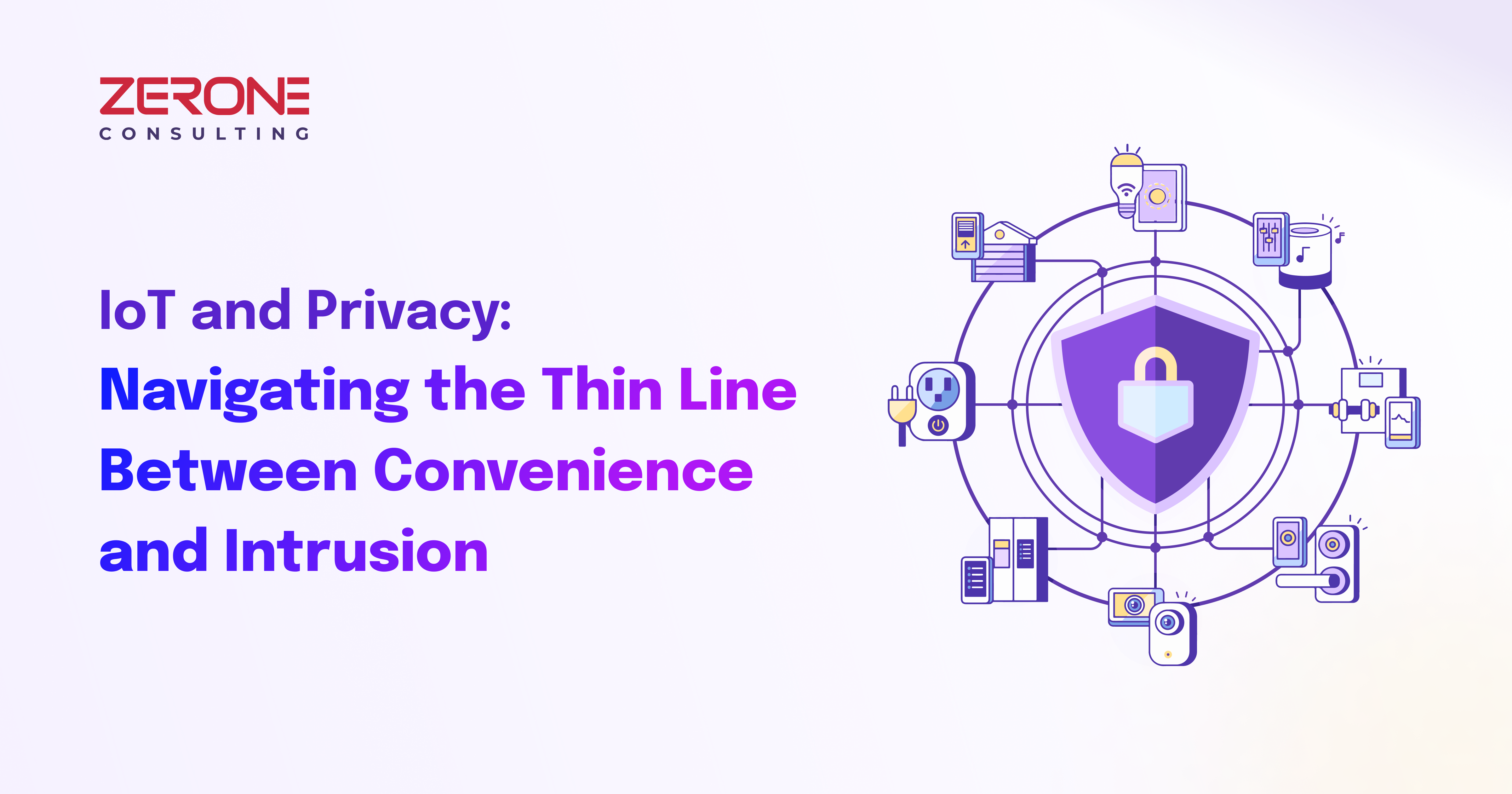
The platform Ask Earnest serves as a bridge for individuals seeking financial clarity, yet it requires users to balance the benefits of personalized financial insights against the inherent risks of sharing sensitive personal data. Navigating this equilibrium involves understanding how information is collected, identifying the thresholds of necessary disclosure, and utilizing platform-specific tools to maintain security without sacrificing the utility of the service.
Understanding the Ecosystem of Financial Transparency
In the modern financial landscape, transparency acts as a double-edged sword. For users of platforms like Ask Earnest, transparency is the primary driver of value. By providing access to banking APIs, credit reports, and income data, the service can offer tailored advice, debt management strategies, or loan refinancing options. The core value proposition relies on the user’s willingness to surrender a degree of data privacy to receive highly specific, actionable guidance.
However, the "fine line" emerges when users must distinguish between the data required to generate an accurate financial snapshot and the data that feels extraneous. Financial platforms are built on the principle of data aggregation; to provide a holistic view, they must ingest information from multiple silos—mortgage lenders, credit bureaus, and banking institutions. When you engage with these systems, you are effectively trading information for efficiency. The challenge for the user is determining when the level of data exposure exceeds the utility of the resulting advice.
The Mechanism of Data Collection and Processing
To effectively manage the tension between transparency and privacy, it is essential to understand how your data is handled. When you link a financial account to a service, you are typically using an intermediary aggregator—such as Plaid or a similar service provider—that facilitates a secure connection between your bank and the platform.
- Permissioned Access: You grant limited, read-only access to your financial institutions. You are not providing your bank password directly to the front-end application, but rather authorizing a third-party token to access your balance and transaction history.
- Data Minimization Protocols: Modern financial services are increasingly adopting "data minimization," a regulatory-adjacent practice where the platform requests only the specific data points required for a requested service. If you are seeking a loan offer, for instance, the platform may only need your credit score and debt-to-income ratio rather than your complete transaction history.
- Encryption and Storage: Once retrieved, this data is usually encrypted at rest and in transit. However, privacy concerns often arise regarding how long that data is retained after you stop using the service or if you close your account.
Identifying the Thresholds of Necessity
Determining how much transparency is appropriate requires a critical assessment of your goals. If your objective is a high-level budget analysis, you may not need to provide access to your full investment portfolio or secondary checking accounts.
Before consenting to deep-link your accounts, apply the principle of "need to know." Ask yourself: Is this data point strictly required for the service to function? If a platform requests your full credit report, address history, and social security number for a generic inquiry, you have crossed the threshold from "necessary transparency" into "excessive data exposure."
Strategic privacy management involves:
- Account Segregation: Maintaining a primary "hub" account for daily transactions that you are comfortable linking to aggregators, while keeping sensitive assets—such as emergency savings or private investments—in accounts that are never connected to third-party financial tools.
- Audit Cycles: Periodically reviewing the list of connected applications in your bank's security dashboard. If you are no longer actively using Ask Earnest, disconnecting the link immediately limits your footprint.
Comparative Analysis of Data Utility vs. Privacy Risk
The following table outlines the trade-offs often encountered when deciding whether to grant specific types of access.
| Data Category | Utility for Platform | Privacy Risk Level | Mitigation Strategy |
|---|---|---|---|
| Transaction History | High: Essential for budgeting | Moderate | Use for short-term goals; disconnect post-analysis |
| Credit Report | High: Essential for loan terms | High | Only provide when actively applying for credit |
| Account Balances | Low/Moderate: Useful for net worth | Low | Monitor regularly; keep offline if possible |
| Identity/Contact Info | Essential: Required for compliance | Moderate | Ensure platform has verified encryption/KYC |
The Legal and Regulatory Backdrop
As of 2026, data privacy in the financial sector is governed by a combination of established statutes and emerging standards. In the United States, the Gramm-Leach-Bliley Act (GLBA) remains the cornerstone of consumer financial privacy, requiring financial institutions to explain their information-sharing practices to their customers and to safeguard sensitive data.
However, when dealing with digital platforms, the complexity increases. These services often operate under "Terms of Service" agreements that grant them broad latitude to use your anonymized data for product improvement or marketing. Anonymization—the process of stripping your name and identifiable markers from your financial data—is the industry standard, but it is not a perfect shield. As a user, you must recognize that your "anonymized" data can sometimes be re-identified when cross-referenced with other data sets, a reality that makes total privacy an elusive goal in the digital economy.
Best Practices for Maintaining Control
To successfully navigate the fine line, you must transition from a passive user to an active curator of your digital footprint.
- Verify Data Portability: Choose platforms that allow you to export or delete your data upon request. If a service does not provide a clear mechanism for data deletion, you should consider the risk of "data permanence," where your financial history remains stored long after your relationship with the service has ended.
- Utilize Multi-Factor Authentication (MFA): Regardless of the platform's security, your account is only as secure as the weakest link. Always enable hardware-based or authenticator-app-based MFA for your financial accounts to prevent unauthorized access.
- Monitor for Secondary Usage: Carefully read the privacy policy, focusing specifically on sections detailing "Third-Party Sharing." If a company shares your data with "partners" for marketing purposes, this is a clear signal that your transparency is being monetized beyond the scope of the service provided.
Addressing Common Ambiguities and Risks
One of the most common questions users face is whether to trust a third-party aggregator. The industry has shifted toward "tokenization," where your actual banking credentials are replaced by a digital token. While this is safer than traditional screen-scraping methods, it is still a point of contact that increases your attack surface.
Another frequent concern involves the longevity of the data. Many users assume that closing an account terminates the retention of their data. This is frequently incorrect. Often, legal requirements (such as Anti-Money Laundering or Know Your Customer regulations) mandate that financial service providers retain records for several years. You should verify whether the platform deletes your data upon request or merely "deactivates" it.
Frequently Asked Questions
1. Does connecting my bank account to Ask Earnest pose a security risk? Connecting an account using modern tokenization is generally secure, but it does create a digital dependency. The risk is not necessarily that your password will be stolen, but that your transaction data becomes part of the platform's database. If that platform suffers a data breach, your financial habits become exposed.
2. Can I use financial services without sharing my credit report? In many cases, yes. You can use platforms for basic budgeting or general guidance without providing your full credit report. Only provide your social security number and full credit authorization when you are at the final stage of a formal loan application.
3. What happens to my data if Ask Earnest is acquired by another company? In most standard agreements, your data is considered an asset of the business. In the event of an acquisition or merger, your data would likely be transferred to the successor entity. Reviewing the platform’s privacy policy for language regarding "change of control" is a vital step in understanding your rights.
4. How can I ensure my data is actually deleted when I leave? Submit a formal "Request to Delete" or "Right to be Forgotten" under applicable regional privacy laws. Follow up by checking your linked apps list in your primary banking portal to ensure the authorization token has been revoked.
Conclusion and Next Actions
Navigating the fine line between transparency and privacy is not a one-time decision but a continuous process of calibration. To maintain the best balance, start by auditing every financial application you currently use. Remove access for any service that is not essential to your current financial goals. For future engagements, prioritize platforms that utilize direct API integrations, adhere to strict data-minimization policies, and offer clear, accessible channels for total data deletion. By taking an active, skeptical approach to data sharing, you can enjoy the benefits of modern financial technology while keeping your personal information as private as possible.