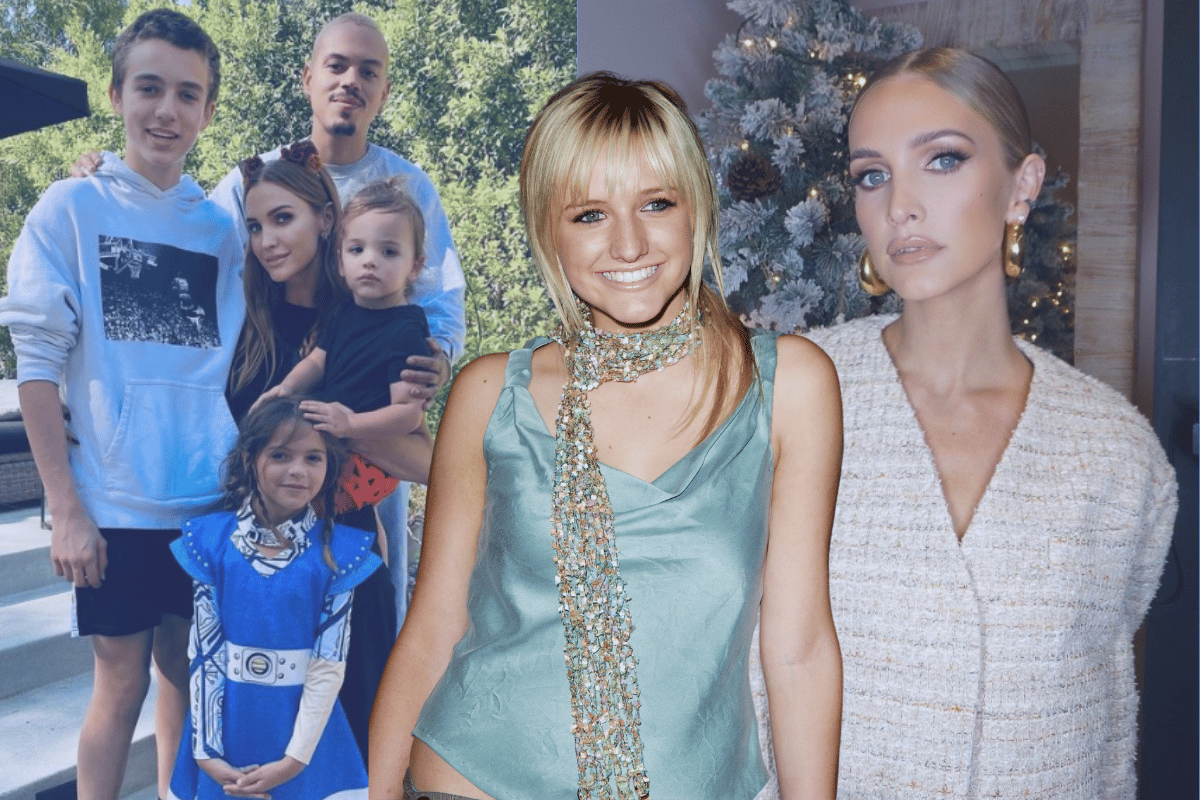
Ashlee Simpson’s transition to red hair remains one of the most recognizable and culturally defining style moments of the mid-2000s, marking a sharp pivot from her early pop-rock image into a bolder, more alternative persona. Her hair transformations over the years—moving from her natural blonde to raven black, platinum blonde, and various striking shades of crimson, copper, and auburn—have chronicled her career milestones, public image shifts, and evolving fashion aesthetic.
Introduction to Ashlee Simpson’s Hair Evolution
When Ashlee Simpson burst into the mainstream music scene in 2004 with her multi-platinum debut album Autobiography, she was universally recognized as the bubbly, blonde-haired younger sister of pop icon Jessica Simpson. However, almost overnight, Ashlee shed that wholesome image. She introduced the world to a gritty, pop-punk sound and a dramatic, fiery red hair color that immediately set her apart from her contemporaries.
This initial crimson dye job was far more than a simple beauty choice; it was a deliberate branding statement. It signaled to the public and the music industry that she was carving out her own distinct artistic identity, separate from her sister and rooted in the emo-pop and punk-rock subcultures of the era. Over the subsequent two decades, Simpson’s hair history became a narrative canvas, tracking her trajectory from teen pop-rocker to television star, fashion entrepreneur, and mother. Analyzing this history involves looking at the specific eras, the chemical and styling techniques required to achieve these looks, and the cultural impact of her most famous transformations.
The 2004 Breakthrough: The Birth of the Red Era
The defining moment of Ashlee Simpson’s hair history occurred in the spring and summer of 2004. As she prepared to release her debut single "Pieces of Me" and her reality television series The Ashlee Simpson Show on MTV, she debuted a deep, vibrant red hair color paired with choppy, piece-y bangs and dark eyeliner.
This look was meticulously aligned with the musical shift happening in teen culture at the time. Artists like Avril Lavigne and bands like Paramore were bringing punk-influenced aesthetics into the mainstream. Simpson’s red hair capitalized on this movement.
Achieving and Maintaining the 2004 Red
- Base Transformation: Moving from natural blonde to a rich, saturated red requires stripping natural pigment and depositing direct dyes or high-lift permanent color.
- The Cut: The look relied heavily on a textured, layered medium cut with heavy side-swept bangs, which became the blueprint for mid-2000s alternative hair styling.
- Maintenance Challenges: Vibrant red molecules are notoriously large and wash out faster than almost any other hair color. Maintaining Simpson’s 2004 shade required frequent salon glazing, color-depositing shampoos, and cool-water washes to prevent fading to a dull orange or brassy blonde.
| Era / Year | Primary Hair Color | Associated Era / Project | Cultural & Stylistic Impact |
|---|---|---|---|
| 2004–2005 | Vibrant Crimson / Cherry Red | Autobiography / MTV Reality Show | Defined her entry into pop-rock; became an iconic mid-2000s look. |
| 2005–2006 | Dark Brunette / Jet Black | I Am Me Era | Shifted her away from the punk aesthetic toward a more mature, polished rock sound. |
| 2007–2008 | Platinum Blonde / Hollywood Glamour | Bittersweet World / Acting Projects | Transitioned into a classic, retro Hollywood starlet aesthetic. |
| 2009–Present | Dimensional Copper, Auburn, & Balayage | Motherhood / Fashion Ventures / Indie Music | Returned to warmer, softer red and auburn tones mixed with natural blonde highlights. |
The Pivot to Dark Tones and the Return of Copper
By the time Simpson released her second studio album, I Am Me, in late 2005, she had moved away from the neon-bright cherry red of her debut. She experimented with deep chocolate browns and raven black hair. This dark phase matched the heavier, more introspective tone of her second album and her brief stint on Broadway playing Roxie Hart in Chicago in 2006.
However, the allure of red hair proved enduring for Simpson. In the years following her dark-hair phase, she frequently gravitated back to copper, auburn, and strawberry blonde tones. These later iterations of her red hair were less aggressive than the 2004 shock-red and leaned into sophisticated, multi-dimensional warmth that complemented her changing facial features and mature style.
Why Red Hair Suits Her Natural Undertones
Color theory plays a vital role in celebrity hair transformations. Simpson possesses naturally warm undertones and light eyes, which allow her to pull off both golden blondes and rich copper tones with ease.
- Copper and Auburn: These shades enhance the warmth in her skin and make her green-hazel eyes pop.
- The Contrast Factor: While jet black hair created a stark, dramatic contrast that worked well for the theater and high-fashion red carpets, red hair struck a balance between her natural blonde warmth and her edgy stylistic choices.
Hair Care Challenges and the Reality of Constant Dyeing
Constantly shifting between platinum blonde, jet black, and vibrant red takes a severe toll on hair integrity. During her peak pop-stardom years in the mid-2000s, Simpson’s hair underwent frequent chemical processing.
The Chemistry of Extreme Color Changes
- Bleaching: Moving from dark to light or prepping hair to take a vibrant red dye often requires bleaching the cuticle open and stripping natural melanin.
- Color Layering: Depositing red over bleached hair provides intense vibrancy, but as the red fades, the underlying bleached hair is often left porous and dry.
- Heat Styling: The mid-2000s styling aesthetic relied heavily on flat irons to achieve bone-straight, piece-y textures, which, combined with chemical processing, led to significant hair stress.
In later years, as hair care technology advanced—including the introduction of bond-building treatments like Olaplex in the 2010s—Simpson and her stylists were able to achieve these dramatic copper and red hues with far less structural damage, utilizing modern glosses, root smudges, and balayage techniques.
Cultural Legacy and Influence on 2000s Beauty
Ashlee Simpson’s red hair history holds a permanent place in the catalog of 2000s pop culture touchstones. Alongside her fashion choices—consisting of distressed denim, ballet flats, studded belts, and oversized hoodies—her hair became a template for millions of teenagers attempting to emulate the pop-punk crossover look.
When fans and beauty historians look back at the era, Simpson’s crimson hair is frequently cited alongside Nicole Richie’s bohemian styles, Lindsay Lohan’s signature auburn shifts, and Paris Hilton’s platinum blonde as defining aesthetics of the decade. It proved that hair color could be weaponized as a tool for personal reinvention, signaling a clear boundary between a star's manufactured beginnings and their self-directed artistic identity.
Frequently Asked Questions
What was Ashlee Simpson’s natural hair color?
Ashlee Simpson is a natural blonde. Throughout her childhood and early modeling and acting appearances prior to 2004, she maintained her natural light-to-medium blonde hair before adopting her famous dyed looks.
How did Ashlee Simpson achieve her bright red hair in 2004?
Achieving her iconic 2004 red hair required lightening her natural blonde hair to create a clean canvas, followed by the application of a vibrant, semi-permanent or permanent red color formulation designed to maximize saturation and shine.
Did Ashlee Simpson wear wigs or dye her real hair?
Ashlee Simpson dyed her actual hair for her major color transformations, famously documenting her changing looks in real time through her reality television show, music videos, and public appearances.
What inspired Ashlee Simpson’s red hair shift?
The shift was part of a deliberate rebranding effort to distance herself from her sister Jessica Simpson's bubblegum pop image and align herself with the burgeoning pop-punk and emo music movements of the mid-2000s.
Does Ashlee Simpson still have red hair today?
While she frequently experiments with her look, modern iterations of her hair often feature sophisticated copper, strawberry blonde, and multi-tonal auburn highlights rather than the stark, neon-bright crimson of her youth.
Conclusion and Final Recommendation
Ashlee Simpson’s hair history offers a fascinating case study in celebrity image transformation and the power of color to define an artistic era. For anyone inspired by her journey to experiment with bold copper, auburn, or crimson tones, the key takeaway is the necessity of professional maintenance. Because red pigments fade rapidly and require chemical lifting on lighter or darker bases, consulting a professional colorist to evaluate your skin's undertones and hair porosity is essential before attempting a dramatic red conversion.