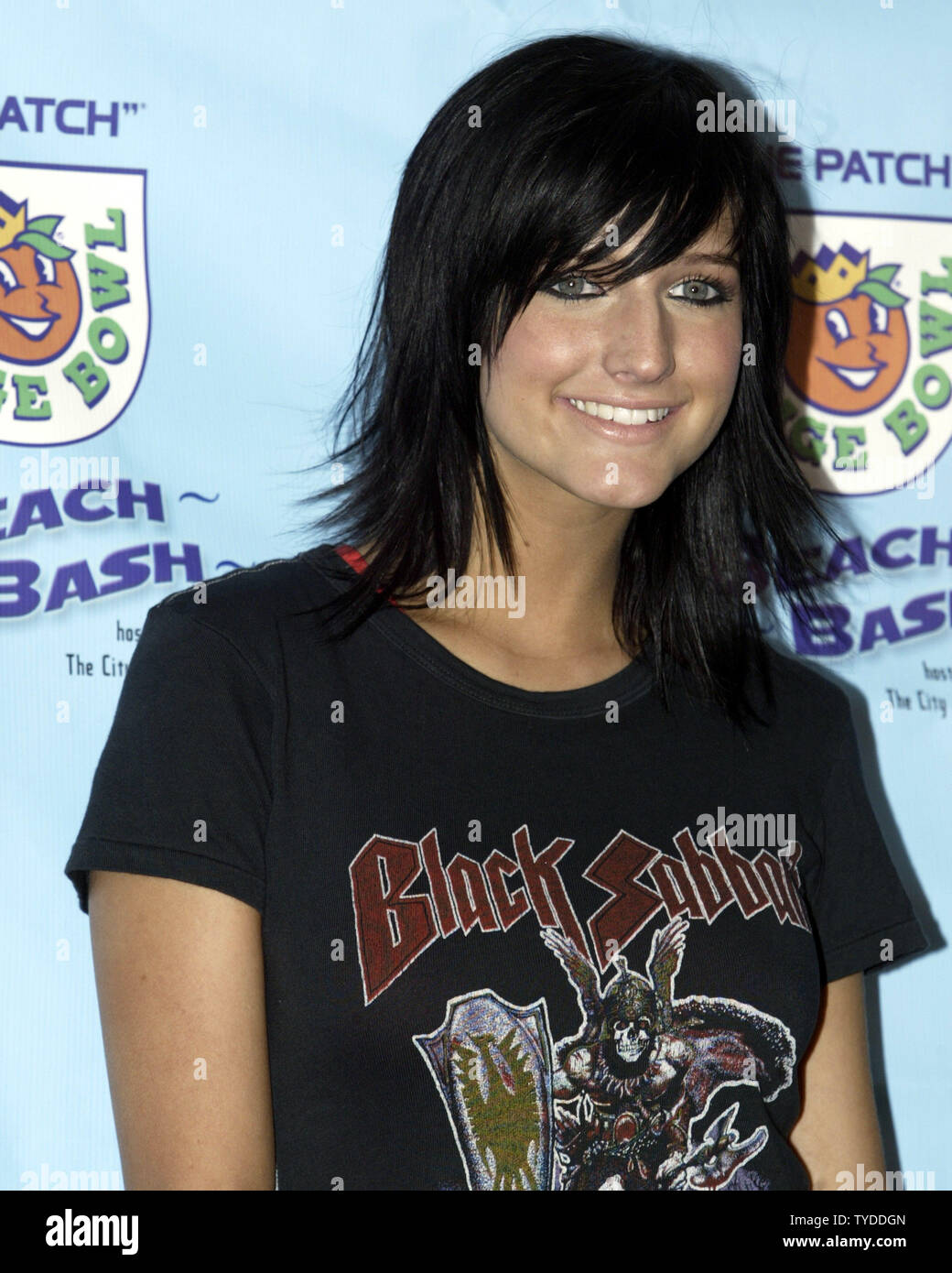
The iconic January 2005 photograph of Ashlee Simpson captures the pop-rock singer emerging from a vehicle with a striking expression, heavy eyeliner, and signature blonde-streak-in-brunette hair, perfectly encapsulating the chaotic, flashbulb-heavy celebrity culture of the mid-2000s.
The Mid-2000s Pop Culture Landscape and Ashlee Simpson's Rise
To understand the weight of the January 2005 photograph, one must examine the specific cultural ecosystem of the mid-2000s. At this time, Ashlee Simpson was one of the most visible and heavily scrutinized figures in pop music and reality television. Following the massive success of her debut album, Autobiography (2004), which spawned inescapable hits like "Pieces of Me," and the simultaneous cultural saturation of her MTV reality series, The Ashlee Simpson Show, she occupied a unique space in the public consciousness. She was both a chart-topping multi-platinum artist and a polarizing figure frequently targeted by the emerging tabloid industrial complex.
The mid-2000s marked a distinct era in celebrity media. Long before Instagram feeds and curated TikTok aesthetics, celebrity visibility was dictated by paparazzi agencies, print magazines like Us Weekly and People, and aggressive gossip blogs that relied on candid street photography. Celebrities were frequently photographed entering and exiting clubs, recording studios, airports, and vehicles under harsh, direct flashbulbs. This style of photography created a hyper-real, unpolished visual record of daily celebrity life. The January 2005 snapshot of Ashlee Simpson emerged directly from this high-stress visual environment, capturing a moment that felt raw, immediate, and intensely representative of the era's tabloid velocity.
Visual Deconstruction of the January 2005 Photograph
The visual elements of the iconic January 2005 photo contribute heavily to its enduring status in pop culture archives. A close examination of the framing, lighting, and subject styling reveals why this specific image resonates differently than standard promotional headshots or red carpet frames:
- Lighting and Flash: The image is defined by the stark, direct impact of a nocturnal paparazzi flash. This creates blown-out highlights on skin and dark, dramatic shadows in the background, a hallmark of mid-2000s street photography.
- Aesthetic and Fashion: Simpson's wardrobe and beauty look are textbook mid-2000s indie-pop-rock. Heavily lined raccoon eyes, layered clothing, and the signature high-contrast hair dyeing style of the era (dark brown base with bold blonde or bleached framing streaks) anchor the image firmly in 2005 fashion trends.
- Facial Expression and Posture: Unlike posed red-carpet shots where subjects smile for designated media lines, this candid captures a split-second transition. Simpson's expression is unguarded, caught mid-movement as she navigates a crowd or a vehicle door, which humanizes the subject while feeding into the chaotic narrative constructed by the tabloids of the time.
- Compositional Urgency: The tight framing emphasizes claustrophobia and intrusion. The intrusion of the camera lens into personal space is palpable, serving as a visual commentary on the relentless media scrutiny faced by young female pop stars during that decade.
The Context of Scrutiny: Why January 2005 Mattered
The timeframe of January 2005 is critical to why this specific picture gained symbolic weight. Just a few months prior, in October 2004, Simpson had experienced a heavily publicized lip-syncing mishap on Saturday Night Live. This incident catalyzed a wave of intense public mockery, media pile-ons, and relentless tabloid tracking.
By January 2005, every public appearance Simpson made was treated by the media as a high-stakes event. Photographers hounded her movements, looking for signs of distress, defiance, or vulnerability. The January 2005 photograph was circulated widely because it seemed, to the tabloid consumers of the era, to capture the psychological toll of this sudden, intense backlash. Rather than presenting a polished pop star, the image offered a glimpse into the friction between manufactured celebrity personas and the exhausting reality of being hunted by the paparazzi.
Evolution of Tabloid Photography: Mid-2000s vs. The Modern Era
The production and distribution of images like the January 2005 Ashlee Simpson photo highlight a stark contrast between mid-2000s media culture and contemporary digital environments. Understanding this shift clarifies why these archival images maintain a distinct nostalgic and historical value today.
| Feature / Element | Mid-2000s Tabloid Era (c. 2005) | Modern Social Media Era (c. 2026) |
|---|---|---|
| Primary Image Source | Independent paparazzi agencies, print syndicates, and tabloid weeklies. | Curated Instagram feeds, TikTok video stills, and self-published celebrity posts. |
| Aesthetic Quality | Grainy, direct-flash night photography, unposed candid moments, raw street captures. | High-resolution, professionally styled, color-graded, and heavily filtered imagery. |
| Distribution Channel | Print magazines, morning talk shows, early gossip web forums (e.g., D-Listed, TMZ early days). | Real-time algorithmic feeds, viral video clips, and decentralized fandom networks. |
| Control over Narrative | Low celebrity control; media outlets dictated framing, captions, and public perception. | High celebrity control; direct-to-consumer platforms allow stars to frame their own narratives. |
This comparison underscores why the 2005 photo functions as an artifact. It represents an era when media outlets held immense, unfiltered power over the visual narrative of young public figures, long before artists could bypass traditional media channels using personal social media accounts.
The Cultural Legacy and Y2K/2005 Nostalgia
In contemporary culture, the mid-2000s (often grouped broadly under Y2K or indie-sleaze nostalgia) has experienced a massive resurgence in interest across platforms like TikTok, Pinterest, and Tumblr. Gen Z and younger millennial audiences pore over archives from 2004 to 2008, celebrating the fashion, music, and unpolished aesthetic of the era.
Within this archival revival, the January 2005 Ashlee Simpson picture has transitioned from a piece of aggressive tabloid fodder into a revered piece of pop-culture iconography. Fans and style commentators now view the image not as evidence of a celebrity stumble, but as a masterclass in authentic, gritty 2000s cool. Her wardrobe, hair, and unapologetic expression are frequently mood-boarded as touchstones of indie-pop-rock style. This recontextualization demonstrates how public perception of archival celebrity images can completely invert over two decades, turning historical media pressure into modern aesthetic appreciation.
Frequently Asked Questions
What makes the January 2005 Ashlee Simpson photo so recognizable?
The photo is famous because it captures the raw, unpolished aesthetic of mid-2000s paparazzi culture combined with the intense media scrutiny Ashlee Simpson faced following her late-2004 Saturday Night Live appearance. Its direct-flash lighting and candid expression make it a defining visual artifact of that tabloid era.
Where was the January 2005 photo originally published?
Like most candid celebrity images from that period, the photo was captured by professional street photographers and subsequently syndicated across various print tabloid magazines, gossip websites, and entertainment news programs that dominated celebrity media before the rise of modern social media.
How does this photo reflect mid-2000s celebrity culture?
The image highlights the aggressive nature of paparazzi tracking during the mid-2000s. Unlike modern celebrity culture where stars control their image via Instagram or TikTok, public figures in 2005 were constantly subjected to unannounced, direct-flash photography during their daily routines, creating a chaotic and often invasive visual record.
Why is there a renewed interest in Ashlee Simpson's 2005 imagery today?
Current cultural fascination with mid-2000s fashion, music, and "indie sleaze" aesthetics has led younger audiences to re-examine archival images from this period. Elements like Simpson's layered hair, heavy eyeliner, and rock-influenced wardrobe are now celebrated as iconic staples of 2000s style rather than subjects of contemporary tabloid mockery.
Practical Takeaways for Archival and Pop Culture Research
When examining historical celebrity photographs from the mid-2000s, researchers, fans, and pop culture historians should consider the following guidelines to maintain accurate context:
- Examine the Media Environment: Always evaluate how contemporaneous media coverage shaped the public reception of an image, keeping in mind that 2005 tabloids operated with significantly less oversight and higher aggression than modern digital outlets.
- Separate Aesthetics from Intent: Recognize that visual markers once used critically by tabloids (such as messy hair or tired expressions) are frequently reclaimed by modern audiences as authentic style choices.
- Verify Temporal Context: Ensure that dates associated with archival photos (such as January 2005) are cross-referenced with major career events from that exact window, as the surrounding cultural climate heavily influences the meaning of the image.