The question of an "Arthur gay wedding in the series" often stems from confusion regarding the children's animated program Arthur, produced by WGBH and PBS. While the show famously featured the wedding of Arthur’s teacher, Mr. Ratburn, to his partner Patrick in the 2019 episode "Mr. Ratburn and the Special Someone," there is no central character named Arthur who participates in a gay wedding within the series. This event marked a significant milestone in children's television, representing a shift toward inclusive storytelling.
Clarifying the Context of the "Arthur" Wedding Episode
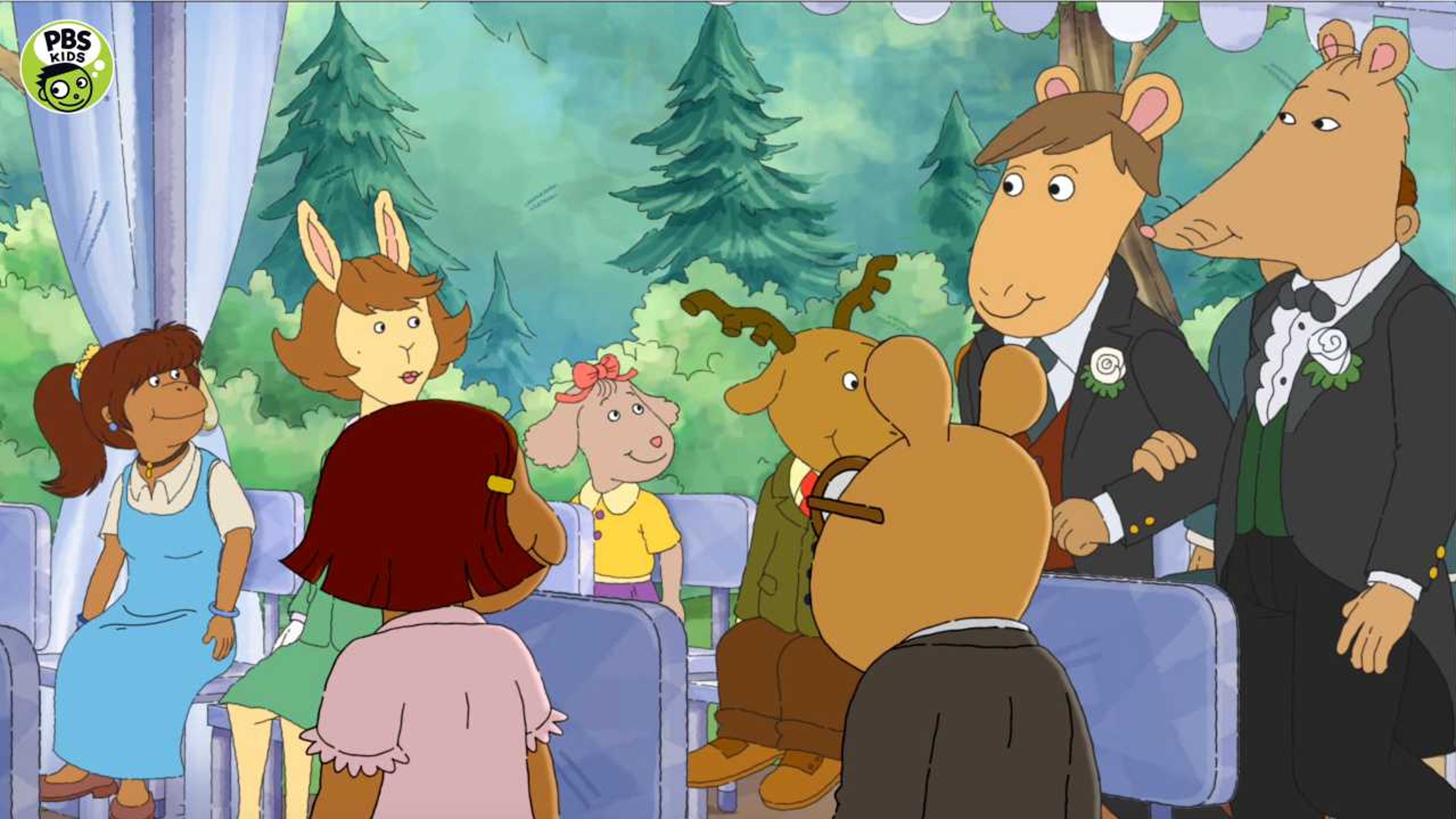
To understand why viewers frequently search for an "Arthur gay wedding," it is necessary to examine the landmark episode that sparked the conversation. In the Season 22 premiere, titled "Mr. Ratburn and the Special Someone," the show introduced viewers to the concept of same-sex marriage through a beloved recurring character.
Mr. Ratburn, Arthur Read’s third-grade teacher, was revealed to be gay when he became engaged to Patrick, an aardvark. The episode focuses on Arthur and his friends, who are initially surprised to learn that their teacher is getting married. Their concerns are grounded in childhood misconceptions—they worry that he might be marrying a mean person or that they will have less time to spend with him. However, the narrative arc resolves with the children attending the wedding, supporting their teacher, and accepting the marriage as a normal, joyous occasion.
It is important to note that the titular character, Arthur Read, remains a child throughout the series. The speculation or confusion surrounding "Arthur's" wedding is a misattribution of the event involving his mentor. The showrunners utilized this narrative to mirror the realities of modern families, allowing children to see diverse relationships represented in the media they consume.
The Significance of the Mr. Ratburn Wedding
The inclusion of a same-sex wedding in a long-running educational series for children was widely analyzed by cultural critics and educators. By the time the episode aired, Arthur had been on the air for over two decades. Its willingness to tackle contemporary social issues without being preachy was a hallmark of the series' longevity.
Educational Value for Young Viewers
The primary educational goal of this episode was to normalize diverse family structures. By centering the conflict on the students' anxiety about change rather than on the morality of the relationship itself, the showrunners provided a template for healthy social development. It taught viewers:
- Empathy: Understanding that adults have private lives and personal happiness outside of the classroom.
- Inclusivity: Recognizing that weddings celebrate love, regardless of the gender of the partners involved.
- Critical Thinking: Encouraging children to question their own biases and learn that "different" does not mean "bad."
Media Representation and Industry Standards
In the context of children's media in the 2010s, this episode represented a breaking of the "glass ceiling" for LGBTQ+ representation in animation. While many shows had begun to include queer-coded characters or subtle references, a formal, explicit wedding was a definitive statement. It placed Arthur in a category of television that prioritized realism and social awareness, mirroring the evolution of societal norms in the United States and Canada.
Addressing Viewer Confusion and Misconceptions
The search intent for an "Arthur gay wedding" often involves a misunderstanding of the character list. Because the show is titled Arthur, audiences sometimes misremember who the groom was, assuming the lead character grew up and married.
Why the Misunderstanding Persists
- Character Familiarity: Because viewers have watched Arthur grow from a young aardvark into a pre-teen, they often mentally project long-term life events onto him.
- Viral Media Coverage: When the wedding episode aired, headlines often read "Arthur Character Gets Married" or "Arthur Features Gay Wedding." This phrasing, stripped of the necessary context, led many to believe that the lead character was the one walking down the aisle.
- Algorithmic Misinterpretation: Search engines, seeking to satisfy user curiosity, sometimes conflate keywords. When users search for "Arthur wedding," they are met with the Mr. Ratburn event, reinforcing the misapprehension that Arthur himself was the groom.
Comparison of Character Roles in the Series
To provide a clear distinction between the characters involved in the wedding and the protagonist, the following table summarizes the roles within the show's narrative structure.
| Feature | Arthur Read | Mr. Ratburn |
|---|---|---|
| Role | Protagonist, Elementary Student | Supporting, Teacher |
| Age Status | Remains a child (8-10 years old) | Adult |
| Wedding Status | Not applicable (childhood) | Married to Patrick (Season 22) |
| Narrative Arc | Growth, friendship, school life | Professional life, private happiness |
The Impact on Broadcast and Educational Content
The reaction to the Mr. Ratburn wedding was polarized but largely positive. While some conservative groups and parents protested the decision to include the ceremony, many educational organizations and child psychologists praised the production team for their courage.
Institutional Support
PBS and WGBH maintained their position that the show’s goal was to reflect the diverse world that children live in. By 2026, the inclusion of such storylines is significantly more common in children's programming, but the Arthur episode serves as a historical case study in how to introduce complex social realities to a young audience.
Long-term Legacy
The episode is currently archived and remains available through various streaming platforms and educational media repositories. It is frequently cited in academic papers regarding the evolution of LGBTQ+ representation in Western media. It serves as a reminder that children’s content is not a static medium, but one that evolves to reflect the shifting demographics and values of its audience.
Frequently Asked Questions (FAQ)
1. Does Arthur Read ever get married in the series?
No. Throughout the entirety of the series, Arthur remains an elementary school student. The series chronicles his life as a child, and there are no episodes depicting him as an adult getting married.
2. Is Mr. Ratburn the only character in an LGBTQ+ relationship on the show?
Mr. Ratburn is the most prominent character to have an explicit same-sex marriage depicted on-screen. The show generally focused on the lives of children, so adult romantic relationships were rarely the focus of the narrative, making his wedding a unique instance.
3. Was the Mr. Ratburn wedding episode banned in any regions?
Yes, certain public television stations in the United States, such as Alabama Public Television, chose not to air the episode when it was first released, citing a desire to allow parents to decide when to introduce these topics to their children.
4. What is the partner's name in the Arthur wedding episode?
The partner is named Patrick. He is also an aardvark and is introduced specifically in the episode "Mr. Ratburn and the Special Someone."
5. Why is the episode so significant to animation history?
It is considered a landmark moment because it moved beyond "coded" or implied representation. By explicitly showing a same-sex wedding between a established recurring character and his partner, the show normalized the event as a standard social occurrence rather than an anomaly.
Practical Guidance for Viewers and Parents
If you are a parent or educator looking to discuss the topics raised in the episode with a child, it is helpful to approach the subject with openness. The episode itself provides a successful roadmap for this conversation: focus on the nature of kindness, friendship, and the idea that different families look different.
If you are researching this topic for historical or sociological reasons, ensure you are referencing the correct season and episode title. "Mr. Ratburn and the Special Someone" is the definitive source for this event. Avoid relying on fan-fiction or unofficial wikis that may conflate the characters and create false narratives about Arthur's personal life.
For those interested in the broader landscape of children's television, this episode remains a key point of reference for how long-running intellectual properties adapt to changing societal landscapes. It stands as a testament to the fact that animation is a powerful tool for teaching empathy, provided the storytelling remains character-driven and grounded in the genuine emotions of the participants.