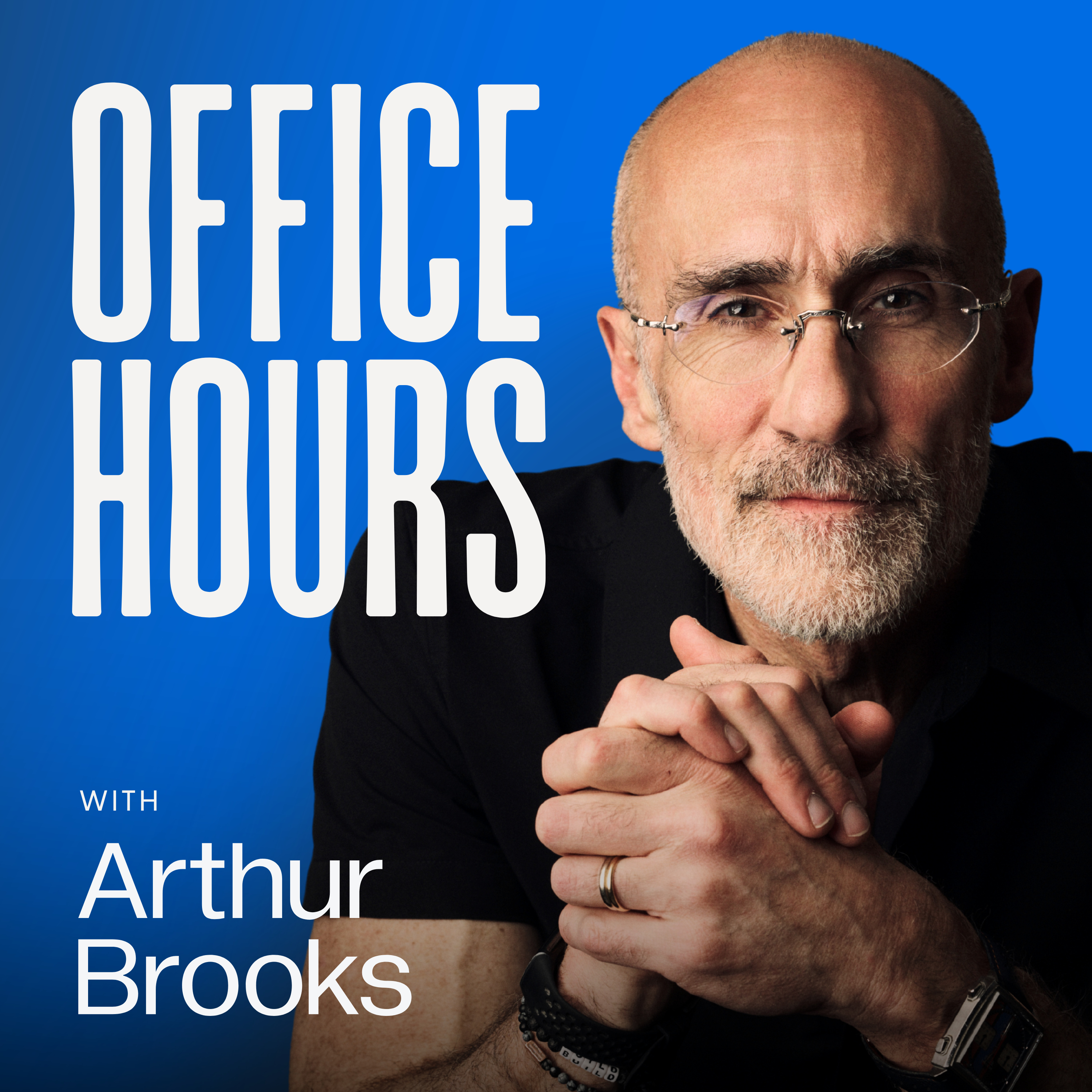
The "Arthur Brooks happiness test" refers to a series of evaluative exercises and metrics popularized by social scientist and Harvard professor Arthur C. Brooks. Rather than a singular clinical diagnostic tool, it represents a synthesis of psychological assessments designed to help individuals measure their emotional health, identify "happiness traps," and optimize their daily habits to foster long-term satisfaction based on the principles outlined in his writing and public lectures.
The Foundation of the Brooks Approach to Happiness
Arthur C. Brooks, a professor at the Harvard Kennedy School and Harvard Business School, has spent years studying the intersection of behavioral science, philosophy, and personal well-being. His work on happiness is not rooted in the traditional definition of fleeting pleasure, which is often tied to external circumstances or dopamine spikes. Instead, Brooks defines happiness as a combination of three distinct components: enjoyment, satisfaction, and meaning.
When people engage with what is colloquially termed the "Arthur Brooks happiness test," they are usually participating in a guided reflection or a structured assessment of these three pillars. The objective is to move away from the misconception that happiness is a destination or a stable state of being. Instead, the framework treats happiness as a moving target—a dynamic process that requires consistent monitoring and adjustment.
Defining the Three Pillars of Happiness
To understand how to "test" your own happiness, one must first understand the metrics by which Brooks suggests it should be measured. Each of the three pillars requires a different approach to evaluation and cultivation.
1. Enjoyment
Enjoyment is distinct from mere pleasure. While pleasure is often passive—such as watching television or consuming food—enjoyment is active. It requires social connection and mindfulness. The "test" for enjoyment involves evaluating how much of your time is spent in solitary, consumption-based activities versus shared, experience-based activities. If you find your happiness score is low, Brooks often points to an over-reliance on passive pleasure that lacks the social ingredient necessary for true enjoyment.
2. Satisfaction
Satisfaction is the "aftermath" of a struggle. It is the feeling of accomplishment that comes from working toward a goal and achieving it. The psychological danger here, which the Brooks framework warns against, is the "hedonic treadmill." This is the tendency to quickly return to a baseline level of happiness despite positive or negative events. Measuring satisfaction involves auditing your goals: are you chasing external validation, such as money or status, or are you pursuing goals that align with your personal competence?
3. Meaning
Meaning is the most abstract and arguably the most important pillar. It involves a sense of purpose and the belief that your life serves a role in a larger context. This is often tied to suffering; Brooks frequently argues that the most meaningful aspects of our lives are those that have required us to overcome adversity. A "test" for meaning often asks the individual to reflect on whether they have a clear "why" behind their daily efforts.
How to Conduct a Self-Assessment
Because there is no single proprietary "test" document, you can perform a self-assessment by auditing your life against the specific criteria Brooks has established in his books, such as From Strength to Strength and his work with The Atlantic.
Step 1: The Weekly Audit Track your time for one week. Categorize your activities into three groups:
- Pleasure-based (Passive): Scrolling social media, excessive screen time, impulsive shopping.
- Enjoyment-based (Active): Deep conversations, hobbies, learning, quality time with loved ones.
- Achievement-based (Satisfaction): Work projects, skill building, physical training.
Step 2: Evaluating the Results Compare the balance. A high percentage of time in the "Pleasure" category is often a strong indicator of declining long-term happiness. Conversely, if your "Satisfaction" category is focused solely on career status, you may be failing to cultivate the social connections necessary for "Enjoyment."
Step 3: The "Reverse Bucket List" One of the more famous exercises associated with Brooks is the "Reverse Bucket List." Instead of listing things you want to acquire or achieve, list the things you want to get rid of—including bad habits, harmful desires, or toxic social comparisons.
Comparison of Happiness Frameworks
It is helpful to contrast the Brooks approach with other common psychological methodologies to understand its specific utility.
| Framework | Primary Focus | Measurement Tool | Target Audience |
|---|---|---|---|
| Brooks Framework | Meaning and Habits | Behavioral Audit | Professionals/General Public |
| PERMA Model | Flourishing | Survey/Questionnaire | Organizational/Academic |
| Maslow’s Hierarchy | Basic Needs | Physiological/Safety | General Population |
| Subjective Well-being | Affective state | Self-Report Scales | Clinical Research |
Common Pitfalls and Misinterpretations
One of the most frequent mistakes users make when attempting to apply this framework is treating it as a medical diagnosis. The Arthur Brooks approach is philosophical and behavioral, not psychiatric. If you are experiencing symptoms of clinical depression, no self-assessment or happiness exercise can substitute for professional mental health care.
Another common pitfall is the pursuit of "perfect" happiness. Brooks explicitly warns against the desire for a life without suffering. He argues that the avoidance of suffering is actually a major cause of unhappiness, as it leads to a stagnant life devoid of the growth that brings deep satisfaction. Therefore, if your "test" results indicate that you are going through a difficult time, the framework encourages you to interpret this not as a failure, but as a potential site for developing meaning.
Integrating the Findings into Your Routine
Once you have assessed your current state using these principles, the next phase is implementation. This is where most people struggle. Integrating change requires what Brooks calls "management."
- Prioritize Social Capital: Move from transactional relationships to deep, long-term friendships. Use your audit to see if you are spending enough time with people who contribute to your "Enjoyment" pillar.
- Practice "Striving" Wisely: Ensure that your professional or personal goals are not designed solely for extrinsic rewards. If you reach a goal and find yourself just as unhappy as before, you are likely on the hedonic treadmill. Pivot your efforts toward activities that provide inherent satisfaction.
- Embrace the "Strength to Strength" Transition: Understand that your professional life will likely have two curves: the "innovative" curve of your youth and the "wisdom" curve of your later years. Trying to force the former into the latter is a primary cause of professional dissatisfaction.
Frequently Asked Questions
Is there an official online quiz for the Arthur Brooks happiness test? There is no singular, standardized diagnostic test. Brooks provides various self-reflective exercises in his articles and books. Any third-party "test" claiming to be the official diagnostic tool should be viewed as an interpretation rather than an official psychological instrument.
Can this framework help with burnout? Yes. By auditing your activities, you can identify if you are over-indexing on professional "satisfaction" while neglecting "enjoyment." Burnout often occurs when the "meaning" pillar is disconnected from daily tasks.
How does the Brooks framework handle trauma or grief? The framework acknowledges that suffering is an inevitable part of the human experience. It does not suggest that you can "test" your way out of grief, but rather that you can build a framework of meaning that allows you to integrate your experiences into a more resilient sense of self over time.
How often should I perform this assessment? A quarterly audit is generally recommended. Happiness levels fluctuate based on life stages, and performing an audit too frequently can lead to unhealthy rumination, which is the opposite of the framework's intent.
Moving Forward
To begin, you do not need complex software or a professional consultation. Start by identifying the three pillars—Enjoyment, Satisfaction, and Meaning—in your own life. Over the next seven days, track your activities and determine if your daily habits are truly building these pillars or if they are merely providing temporary relief from the discomfort of daily life. The ultimate goal is not to achieve a static "happiness score," but to cultivate the habits that make a meaningful life possible.