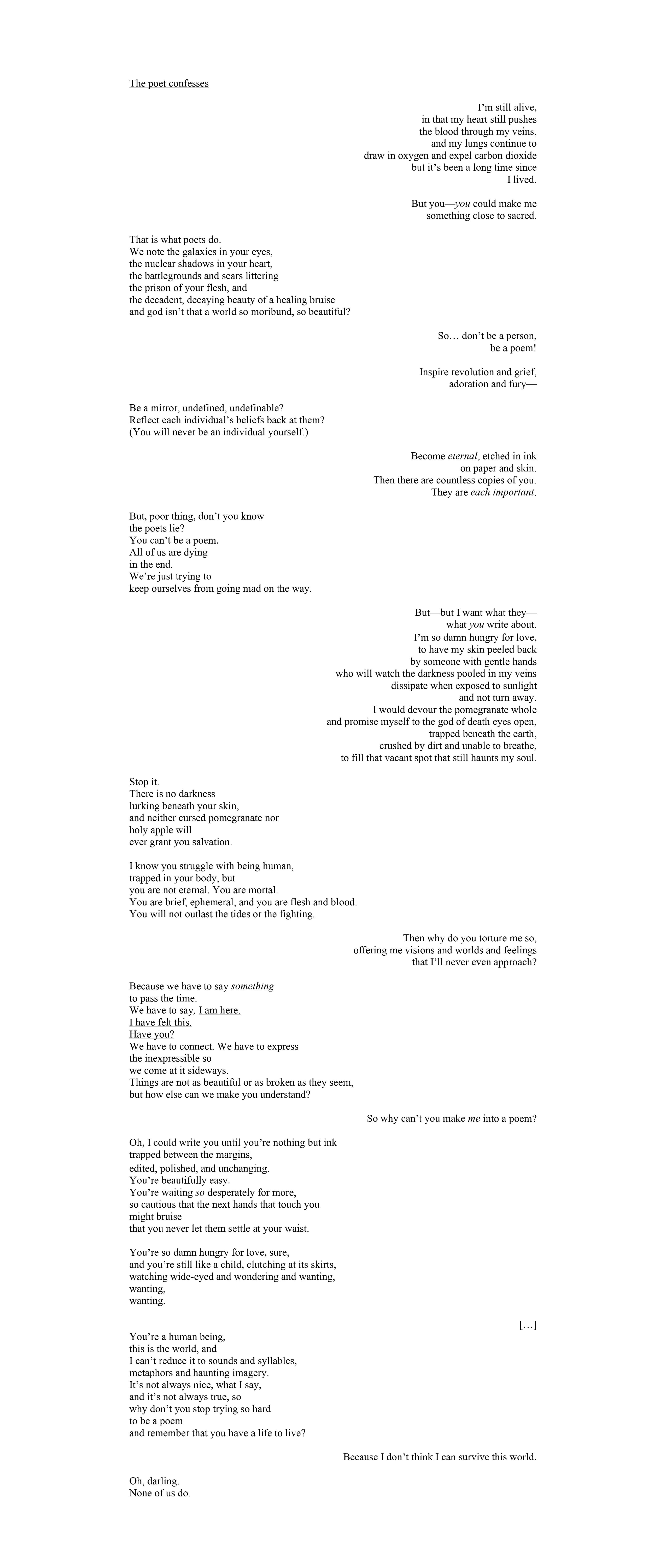
Arnold "Poet" Jackson, portrayed by the late Craig "muMs" Grant, serves as the lyrical conscience and a tragic symbol of systemic failure within the HBO series Oz. As a member of the Homeboys faction, Poet is best known for his spoken-word performances that provide a "Greek Chorus" style of narration to the gritty life inside the Oswald State Correctional Facility. His character arc is defined by a brilliant creative mind trapped in a cycle of drug addiction, recidivism, and prison violence, illustrating the difficult path toward rehabilitation.
The Genesis of Poet: From Spoken Word to Emerald City
Arnold Jackson entered the fictional world of Oswald State Correctional Facility (Oz) as a relatively minor character in the first season. However, his presence quickly expanded due to the unique talent of the actor, Craig Grant. Known in the real-world New York poetry scene as "muMs da Schemer," Grant brought an authenticity to the role that blurred the lines between performance art and dramatic acting.
In the narrative of Oz, Poet is an inmate in Unit B, better known as Emerald City (Em City). His primary function in the early episodes was to provide a rhythmic, street-level perspective on the chaos surrounding him. Unlike the formal narration provided by Augustus Hill (played by Harold Perrineau), Poet’s verses were diegetic—they happened within the world of the prison, often performed for a captive audience of inmates during meals or in the common areas.
His nickname, "Poet," was not just a title but a survival mechanism. In an environment dominated by physical prowess and brutal violence, Jackson used his intellect and linguistic agility to carve out a niche. He was respected for his ability to articulate the frustrations of the Black inmates, particularly the Homeboys, making him a central figure in the social fabric of the prison despite not being the faction's leader.
The Spoken Word as a Narrative Device
The inclusion of poetry in Oz served a dual purpose. On a structural level, it allowed the showrunners to summarize the thematic weight of an episode. When Poet stood up to recite, the noise of Em City would often fall into a hushed reverence. This was one of the few moments where the disparate racial and religious factions—the Aryans, the Muslims, the Italians, and the Homeboys—found a fleeting common ground in the shared experience of incarceration.
Poet’s verses often touched upon:
- The Systemic Trap: The feeling of being a cog in a machine designed to see him fail.
- Identity: The loss of one's name and humanity behind a prison ID number.
- The Irony of Freedom: The psychological barriers that remain even when one is physically released.
His delivery was characterized by a "slam poetry" style—aggressive, rhythmic, and deeply emotive. This was not the flowery poetry of the academy; it was the raw, percussive language of the streets, making it a perfect fit for the show's uncompromising aesthetic.
The Cycle of Recidivism: The Season 2 Turning Point
One of the most significant arcs for Arnold Jackson occurs in the second season, where he is granted parole. This storyline serves as a scathing critique of the American penal system’s failure to support formerly incarcerated individuals.
Upon his release, Poet is initially celebrated. He secures a book deal for his poetry, suggesting a path toward legitimate success and a life away from crime. However, the transition from the highly structured, albeit violent, world of Oz to the "real world" proves insurmountable. The pressure of his newfound fame, combined with the lack of a social safety net and his ongoing struggle with addiction, leads to a rapid downward spiral.
Poet’s return to Oz is one of the show’s most poignant moments. He is arrested after a violent altercation involving drugs, proving that the "rehabilitation" promised by the state was a hollow concept. His return solidified his role as a permanent fixture of Em City and served as a warning to other inmates: the walls of Oz are not just made of concrete; they are built into the mind.
Power Dynamics and the Homeboys Faction
Throughout the series, Poet's loyalty is frequently tested as the leadership of the Homeboys shifts. He is rarely the one calling the shots, but he is an essential lieutenant and influencer. His relationships with the various leaders of the Homeboys define his later years in prison.
The Jefferson Keane and Simon Adebisi Eras
In the beginning, Poet was part of the group led by Jefferson Keane. After Keane’s execution and the subsequent rise of Simon Adebisi, Poet’s role became more complex. Adebisi was a chaotic, predatory force, and while Poet was often intimidated by him, he also benefited from the protection that came with being in Adebisi’s inner circle. During this era, Poet’s poetry became darker, reflecting the increasingly volatile and drug-fueled atmosphere of the unit.
The Rivalry with Kenny Wangler
The most violent chapter of Poet’s life involves his relationship with Kenny "Bricks" Wangler. Initially, Poet served as a mentor of sorts to the younger, more hot-headed Wangler. However, the power struggle between them, exacerbated by the arrival of the veteran inmate Burr Redding, led to a deadly conclusion. In a pivotal moment in Season 4, Poet assists in the murder of Wangler and the newcomer Junior Pierce. This act transitioned Poet from a mere observer and "wordsmith" to a direct participant in the prison's lethal power games.
Under Burr Redding
With the arrival of Burr Redding, the Homeboys attempted to move toward a more disciplined, "soldier-like" hierarchy. Redding viewed Poet’s drug use as a liability. This era saw Poet struggling to maintain his status while fighting his internal demons. His poetry during this time often reflected a sense of exhaustion—the weariness of a man who has seen too many "kings" fall and too many friends die.
Evolution of Arnold "Poet" Jackson: A Seasonal Overview
The following table summarizes the status and primary narrative focus of Poet throughout the major arcs of the series:
| Season | Primary Role/Status | Key Narrative Conflict | Outcome |
|---|---|---|---|
| Season 1 | Background Inmate | Establishing the "Poet" persona and voice of Em City. | Becomes a series regular. |
| Season 2 | Parolee | The struggle to adapt to life outside and the failure of a book deal. | Re-arrested and returned to Oz. |
| Season 3 | Adebisi's Lieutenant | Balancing survival under Adebisi's erratic leadership. | Deepens involvement in the drug trade. |
| Season 4 | Assassin/Target | The power struggle with Kenny Wangler and Junior Pierce. | Participates in the murder of Wangler. |
| Season 5 | Veteran Inmate | Navigating the transition to Burr Redding's leadership. | Maintains a fragile status in the hierarchy. |
| Season 6 | Survivor | Reflecting on the legacy of Em City as the series concludes. | Remains incarcerated as the facility is evacuated. |
The Psychological Profile of Arnold Jackson
To understand Arnold Jackson, one must look past the "Poet" persona. He is a man of immense untapped potential who is perpetually undermined by his environment and his impulses. His reliance on drugs—specifically heroin—is a recurring theme. In the world of Oz, heroin is more than just a substance; it is a tool used by leadership to control the population.
Poet’s tragedy is his awareness. Unlike some of the more sociopathic inmates, Poet understands the gravity of his situation. He knows he is talented, and he knows he is wasting that talent. This self-awareness makes his failures more painful for the audience to witness. He is the embodiment of the "lost generation" of men caught in the war on drugs—articulate enough to describe his pain but not powerful enough to escape the circumstances that cause it.
The Impact of muMs da Schemer on the Role
It is impossible to discuss Poet without acknowledging the contribution of Craig "muMs" Grant. Grant was a pioneer in the spoken word movement, and his casting was a stroke of genius by creator Tom Fontana. Grant did not just read lines; he composed many of the poems himself, ensuring that the character's voice was consistent and culturally resonant.
Grant's performance provided a necessary layer of humanity to a show that was often criticized for its unrelenting brutality. Through Poet, the audience was reminded that even in the "hell" of Oz, there was room for art, reflection, and a peculiar kind of grace. Grant's passing in 2021 brought a renewed appreciation for his work on Oz, with fans and critics alike pointing to Poet as one of the most culturally significant characters in the history of cable television.
Poet as the "Greek Chorus" of Oz
In classical drama, the Greek Chorus serves to comment on the action, providing the audience with a moral or philosophical framework. In Oz, while Augustus Hill provides the literal narration from his glass box, Poet provides the emotional narration.
When a major character dies or a riot breaks out, Poet’s verses provide the "vibe" of the aftermath. He translates the complex political maneuvers of characters like Kareem Saïd or Vernon Schillinger into a language that the average inmate—and the average viewer—can feel. This makes him one of the most essential characters for the show's world-building. Without Poet, Oz would still be a compelling drama, but it would lack the rhythmic soul that distinguishes it from other prison procedurals.
Frequently Asked Questions
Did Arnold "Poet" Jackson die in the series Oz?
No, Poet does not die during the original six-season run of Oz. While he is involved in numerous violent altercations and is frequently in danger—particularly during the leadership transitions of the Homeboys—he is one of the few original inmates to remain alive by the series finale. In the final episode, he is among the inmates evacuated from the facility following a chemical alarm.
Why did Poet go back to prison after being paroled?
Poet's return to prison in Season 2 is a result of his failure to adjust to life on the outside. Despite a successful start as a published author, he falls back into drug use and becomes involved in a shooting. His return serves as a narrative device to illustrate the high rates of recidivism and the lack of support systems for ex-convicts.
What happened to the actor who played Poet?
Craig "muMs" Grant, the actor and poet who played Arnold Jackson, passed away in March 2021 at the age of 52. He was a highly respected figure in the New York arts community and continued to act in various television shows and films after Oz, as well as performing his poetry globally. His legacy remains deeply tied to the authenticity he brought to the character of Poet.
Was the poetry in the show written by the actor?
Yes, much of the poetry performed by Arnold Jackson was written by Craig Grant himself. This was a deliberate choice by the show's creators to maintain the character's authenticity. Grant's background as a professional slam poet allowed him to craft verses that were both narratively relevant and artistically credible.
What was Poet's relationship with Simon Adebisi?
Poet's relationship with Adebisi was one of subordinate survival. While Poet was a member of Adebisi's crew and often did his bidding, there was a clear power imbalance. Poet feared Adebisi’s unpredictable violence but used his position within the crew to secure drugs and protection. After Adebisi’s death, Poet’s loyalties shifted to subsequent leaders like Burr Redding.
Final Perspective: The Enduring Relevance of Poet
As we look back at the series from the vantage point of 2026, the character of Arnold "Poet" Jackson remains a vital piece of television history. Oz was a pioneer in the "Golden Age" of television, and Poet was central to its success. He represented the intersection of art and incarceration, a reminder that the human spirit continues to create even in the most restrictive environments.
For viewers today, Poet serves as a lens through which to view the ongoing discussions regarding prison reform, the opioid crisis, and the importance of creative outlets for the marginalized. He was never a hero, nor was he a simple villain; he was a deeply flawed, incredibly talented human being trying to survive a system that was designed to break him. His words, echoing through the halls of the fictional Oswald State, continue to resonate as a powerful indictment of the cycles of violence and the enduring power of the spoken word.