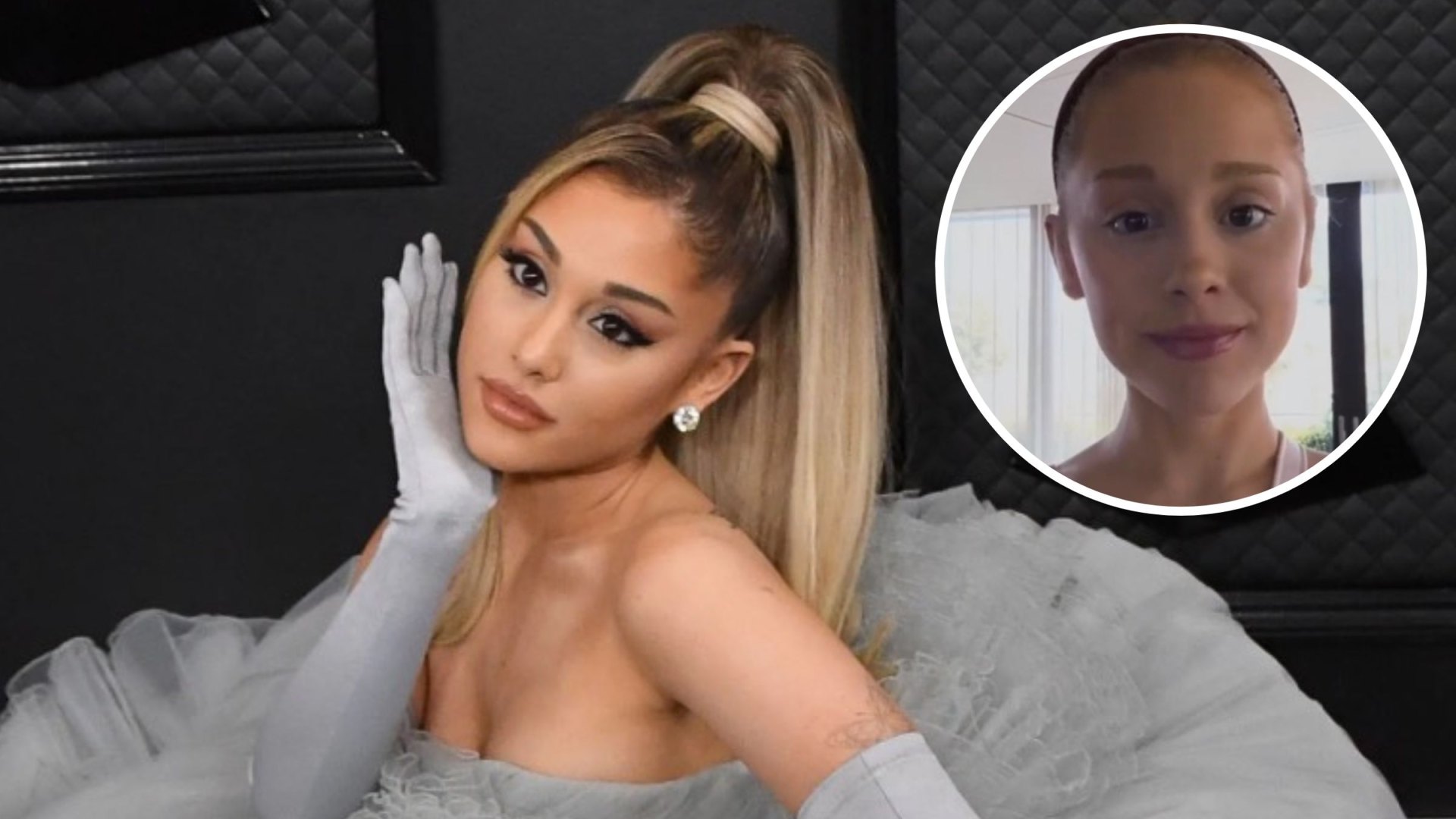
Ariana Grande has navigated significant health challenges throughout her career, most notably chronic anxiety, Post-Traumatic Stress Disorder (PTSD) stemming from the 2017 Manchester Arena bombing, and vocal strain. By openly sharing her brain scans, discussing her history with antidepressants, and advocating for body positivity, she has become a leading voice in mental health awareness.
The trajectory of Ariana Grande’s career has been marked by unparalleled vocal success and profound personal trials. As of 2026, looking back at her journey, it is evident that her health challenges were not merely obstacles to her fame but became the catalyst for her transition from a pop star to a significant advocate for psychological wellness. Her transparency regarding neurological trauma and the physical demands of her profession provides a roadmap for understanding the intersection of high-pressure celebrity and personal health maintenance.
The Neurological Impact of Trauma: PTSD and the Manchester Bombing
The most defining health challenge in Ariana Grande’s life occurred following the terrorist attack at her concert in Manchester, England, on May 22, 2017. While she escaped physical injury, the psychological aftermath was severe and long-lasting. Grande has been vocal about the "hell" of dealing with Post-Traumatic Stress Disorder (PTSD), a condition that often goes misunderstood by the general public.
Understanding the "PTSD Brain"
In 2019, Grande shared images of her brain scans on social media, revealing high levels of "activity" or "gray areas" indicative of PTSD. This was a pivotal moment in celebrity health transparency. Unlike many who speak of trauma in abstract terms, Grande provided visual evidence of how severe trauma physically alters brain chemistry and neural pathways.
Medical professionals note that PTSD involves the amygdala becoming hyper-reactive, while the prefrontal cortex—the area responsible for rational thought—can become underactive. For an artist constantly in the spotlight, this neurological state results in heightened "fight or flight" responses, flash-backs, and extreme hyper-vigilance. Grande’s decision to share these scans helped demystify the invisible nature of mental illness, showing that it is as "real" as a broken bone.
Managing Performance Under Stress
Following the attack, Grande faced the immense challenge of returning to the stage. Her "Sweetener" World Tour was a testament to her resilience, but she frequently admitted that performing songs related to the trauma triggered panic attacks. The health challenge here was twofold: maintaining her professional obligations while undergoing intensive therapy to desensitize the traumatic triggers. She utilized various therapeutic modalities, including Cognitive Behavioral Therapy (CBT) and EMDR (Eye Movement Desensitization and Reprocessing), to process the events of 2017.
Chronic Anxiety and the Price of Early Stardom
While Manchester was a specific catalyst for PTSD, Grande has struggled with generalized anxiety since childhood. The pressure of transitioning from a Nickelodeon star to a global pop icon exacerbated these symptoms. Anxiety for Grande is not just a feeling of nervousness; it has manifested as physical illness, forcing her to cancel "soundcheck parties" and meet-and-greets during her tours to preserve her mental energy.
The Evolution of Coping Mechanisms
In her earlier career, Grande’s approach to anxiety was often to "power through," which led to burnout. By 2026, her strategy has shifted toward strict boundary setting. This includes:
- Selective Social Media Use: Limiting comments and direct interaction to avoid the "noise" of public opinion.
- Therapy Integration: Making mental health check-ins a non-negotiable part of her tour rider and daily schedule.
- Transparency with Fans: Directly telling her audience when she is not feeling well enough to perform a certain type of engagement, rather than offering generic excuses.
By being honest about her "darker" days, Grande has helped normalize the idea that even the most successful individuals are not immune to the paralyzing effects of anxiety.
Physical Health: Vocal Preservation and Technical Changes
As a world-class soprano known for her "whistle register" and four-octave range, Grande’s vocal health is her primary professional asset. However, the human voice is a delicate instrument susceptible to wear and tear, especially during grueling 100-date world tours.
Addressing Vocal Fatigue
Over the years, Grande has dealt with periods of vocal strain and fatigue. Unlike some of her peers who have required invasive surgery for vocal cord nodules, Grande has largely managed her vocal health through rigorous technical training and lifestyle adjustments. This includes:
- Vocal Rest: Extended periods of silence between shows to allow the vocal folds to recover.
- Hydration and Diet: Avoiding inflammatory foods and maintaining high levels of systemic hydration.
- Technical Realignment: For her role as Glinda in the Wicked films, Grande underwent a significant vocal transformation. She worked with coaches to shift her placement from a "pop mix" to a more "legit" musical theater technique. This transition was not just stylistic; it was a health-conscious move to ensure she could sustain the demands of filming and singing live on set without damaging her "money notes."
The Relationship Between Stress and Voice
There is a documented link between high stress (anxiety/PTSD) and vocal constriction. For Grande, managing her mental health has been a prerequisite for maintaining her vocal clarity. Muscle tension dysphonia—where the muscles around the larynx tighten due to stress—is a common risk for singers with anxiety. Her holistic approach to health ensures that her physical instrument is not compromised by her psychological state.
Body Image and Public Scrutiny: The 2023 Health Clarification
In 2023, Grande addressed a different type of health challenge: the impact of public commentary on her body. Fans and critics had expressed concern over her weight, leading to a viral video where she clarified the reality of her physical health.
The "Unhealthiest" Version of Herself
In a rare move, Grande explained that the body the public often compared her "thinner" self to—her look from 2018-2020—was actually her "unhealthiest" version. During that period, she was taking high doses of antidepressants, drinking heavily, and eating poorly. She described that version of herself as being at a "low point."
This revelation was crucial for several reasons:
- Challenging Visual Norms: It proved that a person "looking healthy" (i.e., carrying more weight) might actually be struggling more internally than someone who appears thinner.
- Medication Awareness: She highlighted the side effects of antidepressants, which can include weight changes and lethargy.
- Body Autonomy: She urged fans to be "less comfortable" commenting on people’s bodies, regardless of whether the intent is "kind" or "concerned."
| Aspect of Health | Historical Challenge | Current Approach (as of 2026) |
|---|---|---|
| Mental Health | Severe PTSD & Chronic Anxiety | Consistent therapy, EMDR, and public advocacy. |
| Vocal Health | Vocal fatigue from pop touring | Musical theater training, placement shifts, and rest. |
| Physical Body | Medication-induced fluctuations | Prioritizing internal wellness over aesthetic standards. |
| Coping Style | "Powering through" and drinking | Boundary setting and sobriety/mindful consumption. |
Advocacy and the BetterHelp Partnership
Grande did not keep her health challenges as a private struggle; she leveraged her platform to provide resources for others. Her partnership with the telehealth platform BetterHelp resulted in the donation of millions of dollars in free therapy to her fans.
Breaking the Financial Barrier
One of the biggest hurdles to mental health recovery is the cost of care. Grande recognized that while she had access to the best doctors and therapists in the world, many of her fans did not. By funding free therapy, she moved beyond "awareness" and into "action." This initiative focused on:
- Accessibility: Providing digital therapy to those in remote areas.
- De-stigmatization: Encouraging young people to view therapy as a standard part of healthcare.
- Resource Education: Helping users understand the different types of therapy available for specific conditions like PTSD.
The Role of "Wicked" in Her Health Journey
Filming the Wicked saga (released in phases through 2024 and 2025) represented a turning point in Grande's health. She described the experience as "healing" and "transformative."
Discipline and Routine
The structured environment of a major film set provided a level of routine that is often missing from the chaotic life of a touring pop star. This stability helped mitigate her anxiety. Furthermore, the role of Glinda required her to inhabit a character of "light" and "positivity," which she noted was a welcome departure from the "darkness" she explored in her Thank U, Next era.
Physical Conditioning
To maintain the stamina for a major film production, Grande focused on functional fitness. Rather than aesthetic-based workouts, she prioritized core strength and lung capacity—both vital for singing while performing complex choreography and wire-work. This shift in focus from "looking a certain way" to "performing a certain way" has been a hallmark of her health philosophy in 2026.
Frequently Asked Questions
Did Ariana Grande have surgery on her vocal cords?
As of 2026, there is no verified public record of Ariana Grande undergoing vocal cord surgery. She has consistently managed vocal strain through rest, specialized training, and a transition to more sustainable singing techniques, particularly while preparing for musical theater roles.
What did Ariana Grande’s brain scans show?
The brain scans Grande shared in 2019 showed significant levels of PTSD-related activity. Specifically, they highlighted areas of the brain that remain in a state of high alert following a traumatic event, contrasting sharply with a "healthy" brain scan. This was used to explain why she often experienced "brain fog" and intense anxiety during her tours.
How does Ariana Grande manage her anxiety during live performances?
Grande uses a combination of pre-show rituals, therapy, and "grounding" techniques. She has also been known to adjust her tour schedules to include more breaks and has eliminated certain high-stress fan interactions to protect her mental energy before taking the stage.
Why did Ariana Grande speak out about her weight in 2023?
She spoke out to address public scrutiny and to clarify that her "healthiest" self does not always match the public’s aesthetic expectations. She revealed that during a period when she looked "healthier" to the public, she was actually struggling with depression and the side effects of medication.
What is Ariana Grande's stance on therapy?
Grande is a staunch advocate for therapy, calling it a "life-saver." She has encouraged her fans to seek professional help and has personally used Cognitive Behavioral Therapy (CBT) and EMDR to process her PTSD.
Practical Advice for Navigating Similar Challenges
Ariana Grande’s journey offers several practical takeaways for individuals dealing with PTSD, anxiety, or high-pressure career demands:
- Prioritize Professional Diagnosis: Grande’s use of brain scans emphasizes that mental health is a physiological issue. Seeking a professional diagnosis (rather than self-diagnosing) is the first step toward targeted treatment like EMDR or CBT.
- Set Boundaries with Your Environment: Whether it’s social media or a high-stress workplace, establishing "no-go" zones for your energy is essential for long-term recovery.
- Recognize the "Why" Behind Physical Changes: Physical health fluctuations are often symptoms of internal states. Before judging one's physical appearance, it is vital to consider underlying factors such as medication, stress levels, and emotional well-being.
- Invest in Technical Skill: For those in demanding physical or vocal professions, "powering through" is a recipe for injury. Investing in technical training—as Grande did for her vocal transition—can preserve your "instrument" for the long term.
Ariana Grande's health challenges serve as a reminder that recovery is not a linear process. By 2026, her story remains one of the most significant examples of how a public figure can use their own vulnerability to foster a more empathetic and health-conscious global culture.