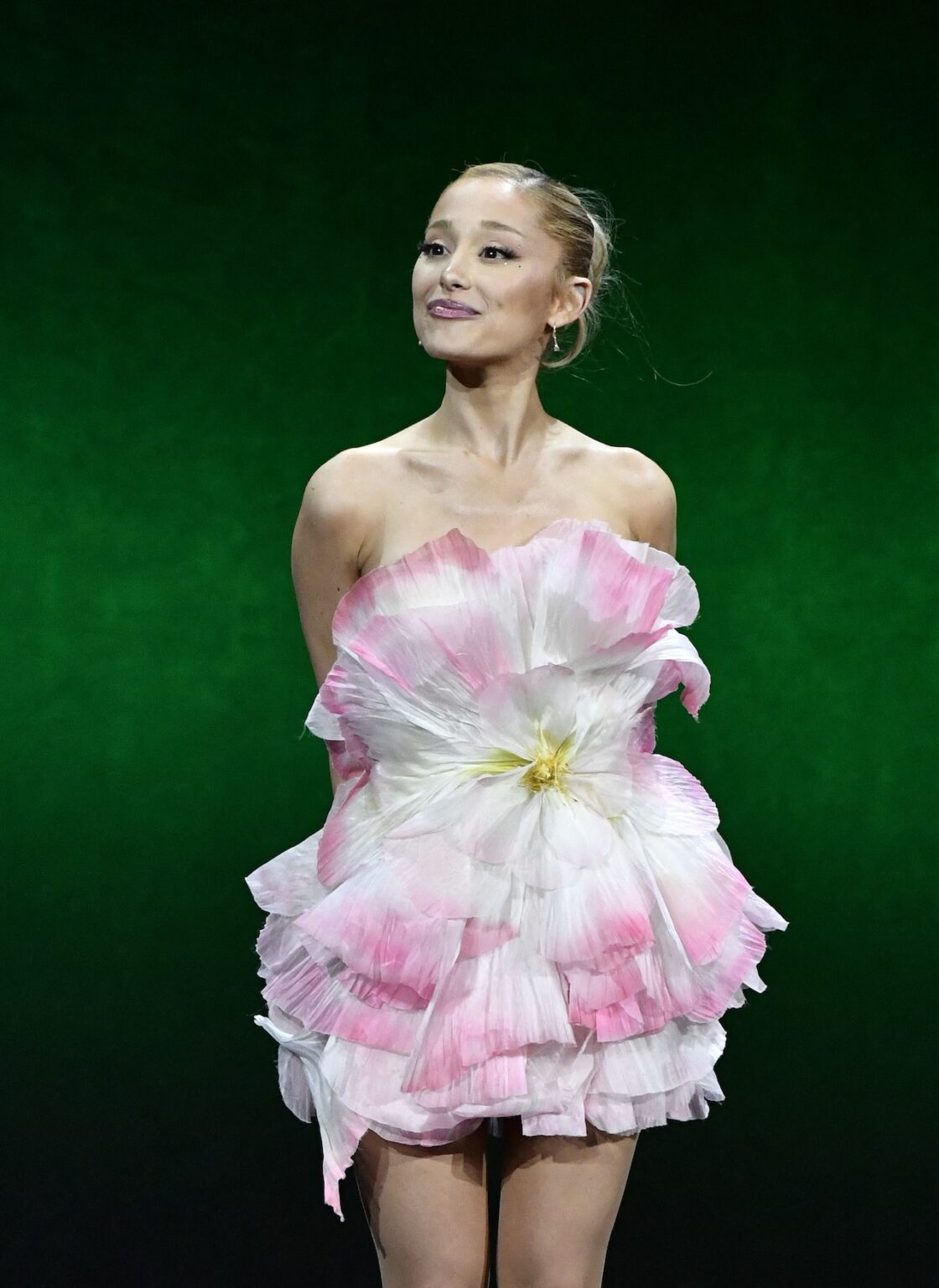
Ariana Grande’s evolution in personal style has mirrored her career trajectory, transitioning from the signature high-ponytail-and-skater-skirt aesthetic of her Nickelodeon era to the more refined, high-fashion silhouettes of her mid-thirties. These transitions frequently spark widespread public discourse, as fans and fashion critics alike grapple with the tension between her established "pop star" image and her maturing, often experimental, approach to red-carpet elegance and street style.
The history of celebrity style is often a narrative of controlled reinvention, but few figures have navigated this path as under the microscope as Ariana Grande. Throughout her decade-plus career, her fashion choices have not merely served as a backdrop to her music; they have become central components of the public’s perception of her artistic identity. As of 2026, the discourse surrounding her style continues to center on the perceived disconnect between her "child star" origins and her current role as an established adult artist and entrepreneur.
The Evolution of the "Grande Aesthetic"
To understand the debate surrounding her current style, one must first recognize the rigidity of her initial public persona. During her breakout years, Grande’s image was meticulously curated. The combination of oversized hoodies worn as dresses, thigh-high boots, and the iconic, gravity-defying high ponytail created a visual shorthand that was instantly recognizable. This specific silhouette provided a sense of consistency, allowing her fans to feel a sense of familiarity regardless of her musical output.
However, as Grande moved through different musical eras—ranging from the R&B-infused Dangerous Woman to the ethereal, experimental landscapes of Eternal Sunshine—her fashion began to fracture these established expectations. The shift toward more mature, sculptural, and occasionally avant-garde pieces often triggers a "brand identity" crisis in the eyes of the public. When an artist spends years cultivating a brand, any significant deviation can be interpreted by the audience not as growth, but as an abandonment of the aesthetic that helped build their initial success.
Why Style Shifts Spark Public Debate
The debate surrounding Grande’s style is rarely just about clothing; it is about the "ownership" of a celebrity’s image. When an audience consumes a star’s aesthetic as a product, they often feel entitled to that product's consistency. When Grande leans into vintage-inspired couture, softer palettes, or more dramatic architectural silhouettes, it forces the public to recalibrate their expectations.
The Authenticity Paradox
A core element of the criticism Grande faces is the accusation of performative aesthetic shifts. In the digital age, where social media allows for constant commentary on every outfit change, fans often confuse "style evolution" with "loss of self." The primary conflict arises because fans often anchor their emotional connection to a specific phase of a celebrity’s life. When that phase ends, and the clothing reflects a new, potentially more private or sophisticated internal state, it disrupts the fan's nostalgic tether.
Fashion as a Tool for Rebranding
For artists of Grande’s stature, fashion is inherently strategic. Her stylistic pivots have coincided with major career milestones, signaling to the industry and the audience that she is moving into a new chapter. However, this strategic use of fashion often clashes with the public’s desire for "organic" growth. Critics argue whether her current choices are an authentic reflection of her personal taste or a byproduct of her alignment with high-fashion houses and luxury branding.
Comparative Analysis: Stylistic Milestones and Reactions
To better understand how these shifts impact public perception, it is helpful to look at the transition points in her wardrobe choices.
| Era/Phase | Defining Style | Public/Media Reaction |
|---|---|---|
| Early Career (2013-2015) | Skater skirts, crop tops, high ponytail | High consistency, viewed as "trademark" |
| Mid-Career (2016-2019) | Thigh-high boots, oversized sweaters | Iconic status, widely imitated on social media |
| Mature/Couture (2020-2026) | Structured gowns, vintage palettes | Divided: acclaimed for maturity; criticized for "losing" the signature look |
The Role of High Fashion and Endorsements
By 2026, Grande’s engagement with luxury fashion houses has become more formalized. Rather than wearing "trendy" fast-fashion pieces that could be easily replicated by her demographic, she has leaned into high-concept couture. This move serves a dual purpose: it legitimizes her status as a fashion icon beyond the realm of pop music, but it also creates an "aspirational" barrier.
This barrier is a frequent source of friction. Fans who previously felt they could "dress like Ariana" by purchasing affordable pieces now find themselves looking at inaccessible couture. The shift is not just visual; it is economic. When a celebrity moves from accessible style to high-status fashion, the resulting "debate" is often a disguised discussion about class, exclusivity, and the changing relationship between the star and the average consumer.
Analyzing the "Criticism Loop"
The discourse around Grande’s style often follows a predictable cycle:
- The Tease: A subtle change in silhouette or color palette on social media.
- The Initial Shock: Traditional media and social media platforms analyze the "new look," often comparing it unfavorably to her previous, more iconic eras.
- The Validation: As the look persists, it gains traction through fashion editorials and red-carpet appearances, becoming the "new normal."
- The Acceptance: The public begins to retroactively apply the new aesthetic to the current musical era, viewing it as a necessary evolution.
This cycle highlights that the "debate" is often less about the validity of the clothing and more about the speed at which the public is willing to accept change. The vitriol that often accompanies these discussions is a byproduct of the parasocial relationships inherent in modern fame.
Addressing Practical Questions Regarding Celebrity Style Shifts
Readers interested in the mechanics of fashion evolution often ask how these changes translate into real-world applications.
Why do artists feel the need to change their style so dramatically? In an industry driven by trends, a static image is often seen as a liability. Changing one's style is a visual method of signaling a "new era" of music or a shift in the artist's personal life. It keeps the artist relevant in the cycle of media coverage.
Is the "backlash" against Grande’s style reflective of actual dislike? Often, the backlash is a reflection of resistance to change. Most consumers prefer comfort, and when a celebrity—whom they view as a comforting, constant presence—changes, the initial reaction is defensive. Over time, the "backlash" usually fades as the new aesthetic is codified as the artist's new baseline.
How does an artist balance personal taste with fan expectations? It is a delicate negotiation. Many successful artists use "bridge" pieces—elements of their old style mixed with the new—to ease the audience into the transition. When an artist abandons their previous look entirely, it is often a sign of a more radical personal or professional pivot.
Implications for the Future of Celebrity Branding
As we look toward the latter half of 2026 and beyond, the debate surrounding Ariana Grande’s style shifts will likely continue to serve as a case study in the tension between personal growth and public expectation. The rise of digital styling and the democratization of fashion critique mean that fans have more agency than ever to voice their dissent. However, this same environment allows artists like Grande to bypass traditional gatekeepers and curate their image directly.
The ultimate takeaway for observers of this trend is that style, for a global superstar, is never static. It is a living, breathing component of their professional portfolio. When Grande changes her silhouette, she is not just choosing a dress; she is making a statement about her autonomy and her intent to move away from the expectations that were set for her at the beginning of her career.
Final Recommendations for Understanding Celebrity Trends
For those interested in following or analyzing celebrity fashion, it is essential to look past the surface-level critique. Instead of asking "do I like this look," consider asking "what does this look communicate about the artist's current priorities?" By separating one's own personal taste from the strategic goals of the artist, you gain a clearer understanding of how fashion functions as a form of communication.
If you find yourself frustrated by a celebrity's style shift, take a step back and examine the context. Is the change aligned with a new project? Is it a reflection of age and personal development? Recognizing these nuances turns a simple debate about "style" into a more informed discussion about the lifecycle of fame.