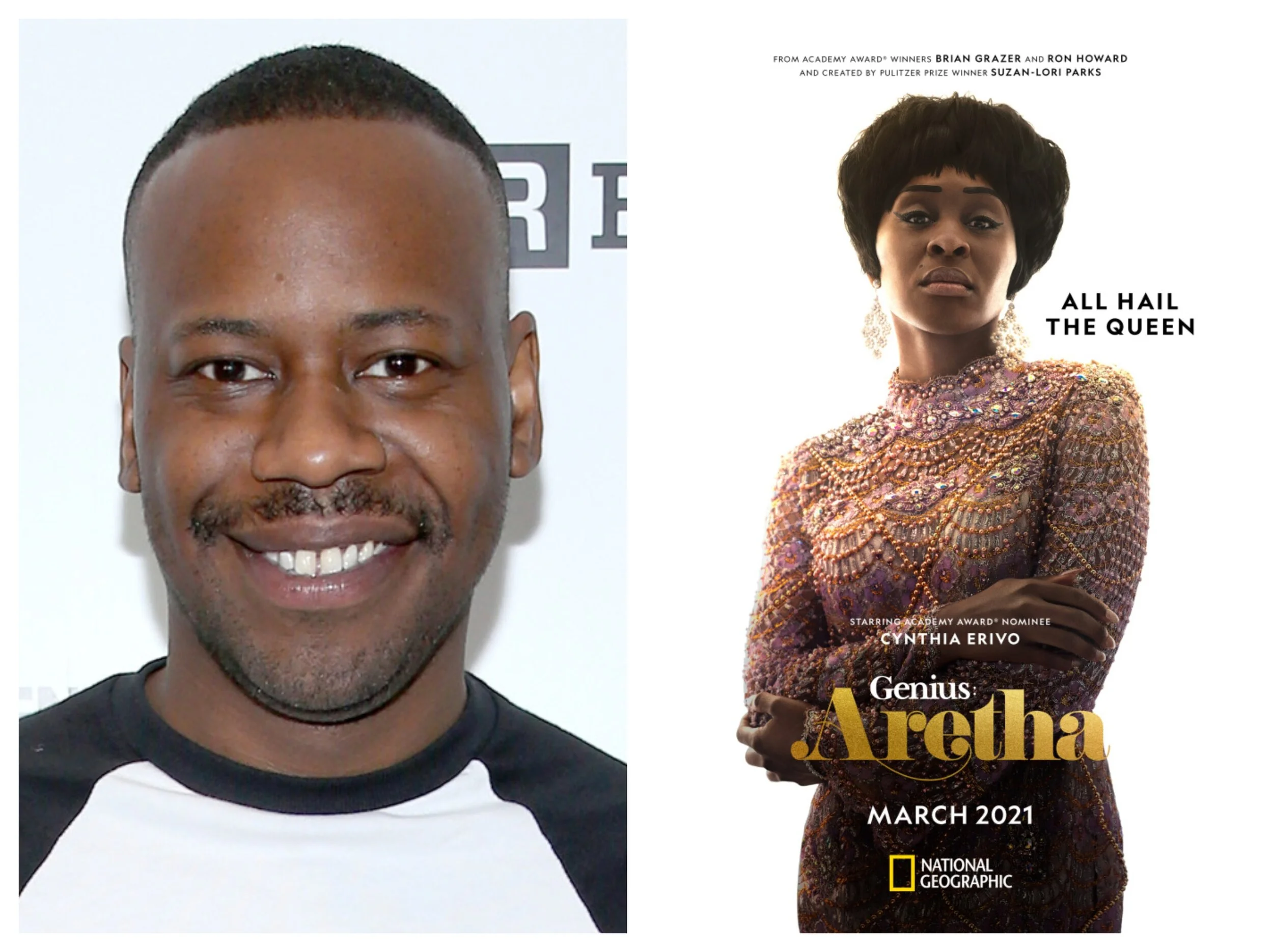
Aretha Franklin, widely celebrated as the "Queen of Soul," maintained a private life that often contrasted with her monumental public career. Over the course of her life, Franklin was married twice: first to Ted White, and later to Glynn Turman. Both unions were significant chapters in her personal narrative, reflecting the complexities of balancing a global music career with intimate relationships.
Early Life and the Context of Personal Relationships
Born in Memphis and raised in Detroit, Aretha Franklin was exposed to the complexities of marriage and family life early on through the experiences of her father, the Reverend C.L. Franklin. By the time Franklin reached adulthood, she was already a burgeoning talent in the music industry, having transitioned from gospel to secular music. Her relationships were often subject to intense media scrutiny, yet she remained notoriously protective of her private affairs. To understand her marriages, one must look at the timeframe of the 1960s and 1970s—a period of significant cultural shift where the expectations for female performers often conflicted with the traditional roles assigned to wives.
First Marriage: Ted White (1961–1969)
Aretha Franklin’s first marriage was to Theodore "Ted" White. The couple married in 1961 when Franklin was just 19 years old. White was more than just a husband; he also served as her manager during a pivotal transition in her career.
The Role of Ted White in Her Career
During the 1960s, White played a crucial role in Franklin’s professional life, helping her navigate the music industry and negotiate her early recording contracts. However, the intersection of professional management and marriage proved to be volatile. Industry reports and biographical accounts from the era frequently cited the intensity of their relationship. While this period saw the production of some of her most iconic music, it was also marked by personal friction. The couple divorced in 1969. This marriage was significant not only for its duration but for the high-pressure environment it created, which heavily influenced the lyrical emotional depth of the soul music she produced during that decade.
Second Marriage: Glynn Turman (1978–1984)
Following a period of artistic reinvention and personal growth, Aretha Franklin married actor Glynn Turman in 1978. Unlike her first marriage, which occurred while she was still finding her footing in the industry, this union took place when Franklin was an established global icon.
A Partnership of Two Stars
Glynn Turman was already a respected figure in Hollywood, known for his work in film and television. Their marriage brought together two distinct spheres of American entertainment. The couple settled in California for a time, with Franklin embracing a life that included stepping into the role of stepmother to Turman’s children from a previous marriage. Despite the public perception of the two as a power couple, the distance required by their respective careers—with Franklin’s base firmly in Detroit and Turman’s acting commitments often in Los Angeles—eventually placed a strain on the relationship. They separated in 1982 and finalized their divorce in 1984.
Comparison of Marital Experiences
The following table summarizes the two official marriages of Aretha Franklin, highlighting the duration and the primary context of each relationship.
| Spouse | Marriage Years | Professional Context | Primary Location During Union |
|---|---|---|---|
| Ted White | 1961–1969 | Manager and husband | Detroit, MI |
| Glynn Turman | 1978–1984 | Actor and husband | California / Michigan |
The Impact of Private Life on Artistic Expression
It is a common theme in the analysis of Franklin’s work that her personal experiences, including the dissolution of her marriages, informed her songwriting and vocal delivery. The raw, visceral emotion found in her 1960s and 1970s discography is often attributed to the highs and lows she experienced within her domestic life. While she rarely gave candid interviews regarding the specifics of her divorces, the "Queen of Soul" channeled these experiences into her artistry, allowing listeners to find solace and resonance in her music. This capacity to turn personal heartache into universal anthems is perhaps why her legacy remains so profoundly connected to the human experience of love and loss.
Navigating Media Scrutiny and Public Perception
Being a superstar in the 20th century meant that Franklin’s marriages were public property to an extent that modern celebrities might recognize, yet the lack of social media made the "truth" behind the marriages elusive. Reporters often speculated on the causes of her divorces, but Franklin was known for her silence regarding these matters. She famously focused her interviews on her music, her faith, and her family, effectively shielding her ex-husbands and children from the public glare. This discretion allowed her to maintain a sense of autonomy that was rare for women in the music industry at the time.
Life After Marriage: Independence and Legacy
After her second divorce, Aretha Franklin never remarried. She focused the remainder of her life on her music, her family, and her community work in Detroit. The decision to remain single for the final three decades of her life reflected a shift toward complete personal and professional independence. By the late 1980s and into the 2000s, she was solidified as a cultural institution. Her legacy, while encompassing her two marriages, is defined by her independence as an artist who took control of her own narrative, both on and off the stage.
Frequently Asked Questions
Did Aretha Franklin have children with her husbands?
Aretha Franklin had four sons, but they were not born from her marriages to Ted White or Glynn Turman. She was a mother before her first marriage, and her children were a central part of her life throughout her career.
Was there a third marriage for Aretha Franklin?
No, there were rumors at various points in her later life, particularly regarding a long-term engagement to Willie Wilkerson, but she never remarried after her divorce from Glynn Turman in 1984.
How did her marriages affect her music career?
Her first marriage to Ted White is often cited as a period of intense creative output, as White managed her career during her rise to fame. Her second marriage to Glynn Turman coincided with a period where she balanced her status as a superstar with the requirements of a blended family.
Why did she maintain such a private life regarding her marriages?
Franklin valued her privacy deeply, likely as a response to the intrusive nature of the press during the height of her fame. She believed that her music should speak louder than her personal gossip.
Is there official documentation regarding these marriages?
Yes, the marriages, divorces, and legal filings are part of the public record in the jurisdictions where the events occurred, such as Michigan and California. These documents confirm the specific dates and legal status of her unions.
Next Steps for Researchers and Fans
For those interested in a deeper dive into the life of Aretha Franklin, the best primary resources remain the archived interviews from outlets like Jet and Ebony magazines, which covered her career extensively during the 1960s and 70s. For a more biographical perspective, the official estate records and authorized biographies provide the most accurate timeline of her life. If you are conducting research, prioritize these primary sources over tabloid accounts, as they provide the verified dates and contextual framework necessary to understand the woman behind the music. Her legacy remains a testament to the fact that while she was married twice, her identity was never defined solely by those relationships, but rather by the singular voice that changed American music forever.