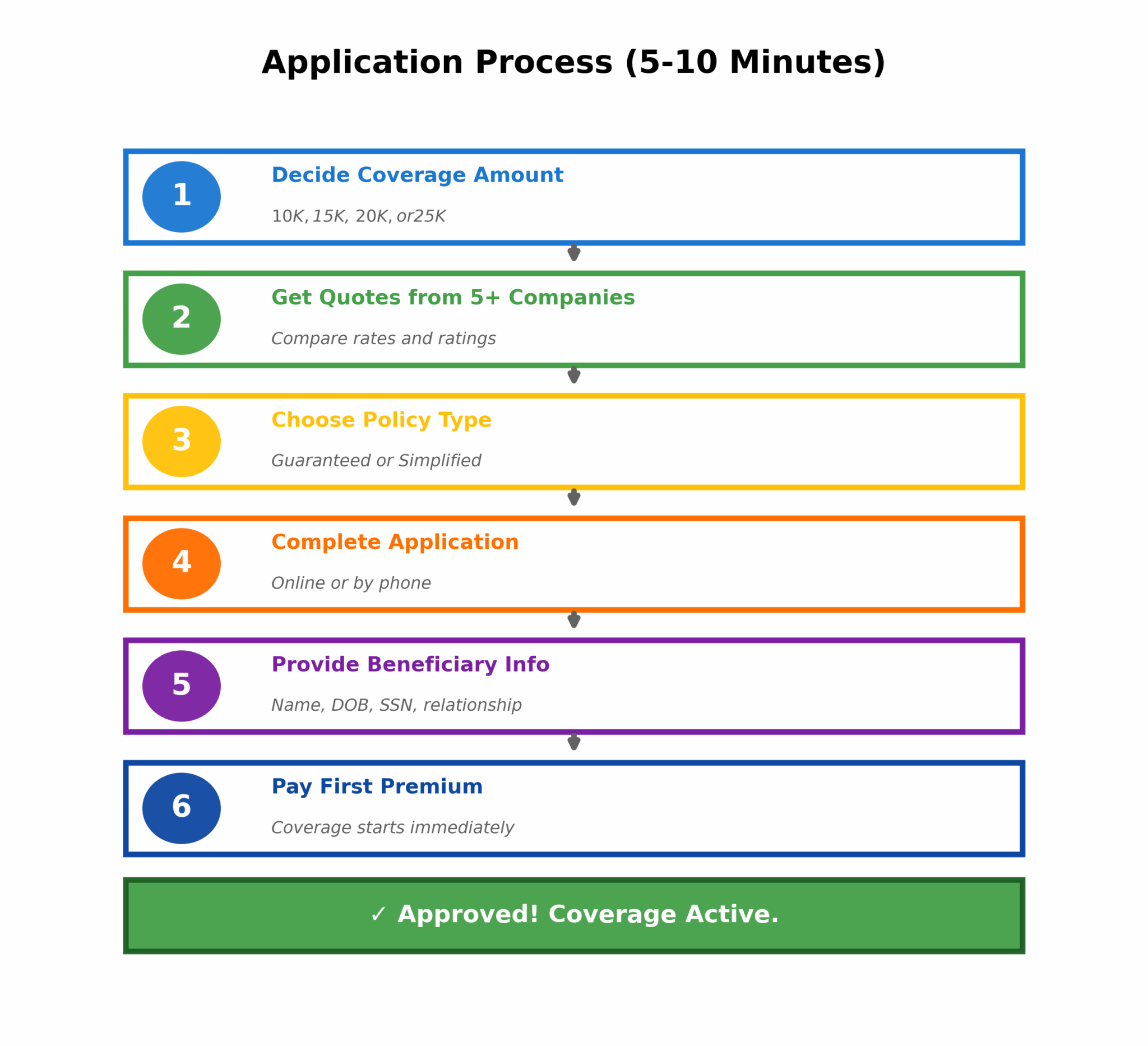
Applying for life insurance while receiving workers' compensation benefits in New York is possible, but it requires navigating specific underwriting challenges. Insurance carriers primarily focus on the underlying injury's severity, your current treatment phase, and your eventual return-to-work status. While some applicants face "postponements" until recovery, others may qualify for rated or alternative policies immediately.
The Intersection of Workers’ Compensation and Life Insurance Underwriting
In 2026, the landscape of life insurance in New York remains one of the most strictly regulated in the United States. When you apply for a policy while on workers' compensation, the insurance company's underwriting department looks past the "workers' comp" label to the medical reality beneath it. It is a common misconception that being on disability benefits automatically disqualifies an individual from life insurance. Instead, the "workers' comp" status serves as a signal to the underwriter that a significant medical event has occurred which may impact your long-term mortality risk.
Underwriters distinguish between morbidity (the risk of illness or injury) and mortality (the risk of death). Workers' compensation is a morbidity-based benefit; you are receiving it because you cannot work. Life insurance providers are concerned with mortality. Therefore, the central question an underwriter asks is: "Does the condition that prevents this person from working also increase their likelihood of a premature death?" For example, a worker receiving benefits for a repetitive stress injury like carpal tunnel syndrome poses a very different mortality risk than a worker receiving benefits for a traumatic brain injury or a severe cardiovascular event triggered by workplace stress.
In New York, the Department of Financial Services (DFS) oversees how insurers evaluate risks. While insurers have the right to set their own risk appetite, they must apply their guidelines consistently. This means that your "status" as a workers' comp recipient is secondary to the clinical data regarding your health.
Why Workers' Comp Status Triggers Scrutiny
When an insurance company sees a workers' compensation claim on an application or in a medical record, several "red flags" are raised. These are not necessarily reasons for denial, but they are reasons for a deeper dive into your medical history.
1. The Nature of the Injury or Illness
The most critical factor is the diagnosis. In New York, workers' compensation covers a broad spectrum of issues, from orthopedic injuries (broken bones, herniated discs) to occupational diseases (respiratory issues from chemical exposure) and mental health claims (PTSD). Underwriters categorize these based on their potential to shorten life expectancy. Orthopedic injuries are generally viewed favorably once the acute phase has passed, whereas chronic systemic illnesses or severe psychological trauma may lead to higher premiums or a "decline."
2. Treatment Protocols and Medication
In 2026, underwriters remain highly sensitive to the use of prescription painkillers, particularly opioids. If your workers' compensation claim involves long-term pain management, the insurance company will look closely at the dosage and frequency of your medications. The accidental overdose risk associated with high-dose opioids is a significant mortality concern. Conversely, if your treatment involves physical therapy or non-invasive procedures, the risk is viewed as much lower.
3. Maximum Medical Improvement (MMI)
A pivotal concept in New York workers' compensation is "Maximum Medical Improvement." This is the point at which a doctor determines that your condition has stabilized and is not expected to improve further with additional treatment. From an insurance perspective, applying before you reach MMI is difficult. Underwriters prefer to see a stabilized condition so they can accurately predict future health outcomes. If you are still in the "acute" phase of treatment—waiting for surgery or in the middle of intensive rehabilitation—most New York carriers will "postpone" your application for 6 to 12 months.
Classifying Disability Status for Life Insurance
How your disability is classified by the New York State Workers’ Compensation Board significantly impacts your insurance options. These classifications help underwriters understand the permanency of your condition.
| Disability Classification | Definition in NY Law | Typical Life Insurance Underwriting Outcome |
|---|---|---|
| Temporary Total (TT) | You are 100% disabled currently, but it is not permanent. | Postpone. Most carriers will wait until you return to work or reach MMI. |
| Temporary Partial (TP) | You can do some work but earn less than before the injury. | Possible Approval. May require a "rating" (higher premium) depending on the injury. |
| Permanent Partial (PPD) | You have a permanent impairment but can still perform some work. | Standard to Substandard. Approval is likely, but premiums may be higher if the injury is severe. |
| Permanent Total (PTD) | You are 100% disabled permanently and cannot work in any capacity. | Difficult. Usually limited to "Guaranteed Issue" or "Simplified Issue" policies. |
Temporary Total Disability (TTD)
If you are currently classified as TTD, you are in the most difficult position for traditional life insurance. Because the situation is fluid and you are currently unable to work at all, the underwriter cannot determine your long-term health trajectory. In New York, most top-tier carriers (such as those offering term or whole life) will ask you to reapply once you have returned to work for at least 90 days. This "return to work" serves as a practical validation that your health has stabilized.
Permanent Partial Disability (PPD)
Many New Yorkers on workers' comp fall into this category, particularly after a "Scheduled Loss of Use" (SLU) award for an extremity (arm, leg, hand). Because PPD implies that you have finished your primary treatment and are now living with a stable, albeit permanent, impairment, underwriters are much more willing to offer coverage. If the impairment does not affect vital organs or significantly limit your mobility (to the point of being sedentary), you might even qualify for "Standard" rates.
The Role of New York Medical Records and IME Reports
When applying, the insurance company will request an Attending Physician’s Statement (APS) and likely the records from your workers' compensation case. In New York, this includes reports from Independent Medical Examinations (IMEs).
It is important to understand that IMEs are often perceived as adversarial; they are conducted by doctors hired by the workers' comp insurance carrier to evaluate the extent of your disability. However, life insurance underwriters use these reports as a valuable source of objective medical data. They look for range-of-motion measurements, diagnostic imaging results (MRIs, CT scans), and the doctor’s assessment of your "functional capacity." If an IME report suggests you are exaggerating symptoms to maintain benefits, this could lead to a denial based on "moral risk" or "integrity of the application," even if the physical injury itself is minor.
Strategies for a Successful Application
If you are on workers' comp in NY and need life insurance in 2026, your approach must be strategic. Applying blindly to the first company you see online often leads to a "decline" on your MIB (Medical Information Bureau) record, which can make future applications harder.
Working with an Independent Agent
Do not apply directly to a "captive" agent who only represents one company. You need an independent broker who has experience with "impaired risk" underwriting. These brokers can perform a "pre-turn" or an informal inquiry. They send an anonymous summary of your case (e.g., "50-year-old male, NY resident, on workers' comp for a L4-L5 disc herniation, back to light duty") to multiple underwriters to see who is most likely to offer favorable terms.
Choosing the Right Product
If traditional term life insurance is out of reach due to your disability status, consider alternative products:
- Group Life Insurance: If you are back to work in a partial capacity, check if your employer offers group life insurance. These policies often have "guaranteed issue" amounts that do not require a medical exam or questions about workers' compensation.
- Simplified Issue: These policies have fewer medical questions and no exam. While more expensive than traditional term life, they are more lenient toward orthopedic workers' comp claims.
- Guaranteed Issue: These are the last resort. There are no medical questions, but the death benefit is usually limited (e.g., $25,000), and there is typically a "graded" period where the full benefit isn't paid if death occurs within the first two years of the policy.
Timing Your Application
Timing is everything. If you are about to have surgery, wait. If you just finished surgery, wait at least six months. The "sweet spot" for applying is after you have reached MMI or have successfully returned to work, even if you are still receiving "reduced earnings" payments from the NY Workers' Comp Board.
Specific Medical Conditions and Their Impacts
To provide more depth, let's look at how specific conditions frequently seen in New York workers' comp cases are treated by life insurance underwriters:
Chronic Back and Neck Injuries
These are the most common workers' comp claims. If the treatment is conservative (PT, occasional injections), underwriting is usually straightforward. If surgery was performed (fusion, discectomy), underwriters will wait until the post-operative recovery is complete. The main concern here is not the back pain itself, but whether the pain leads to a sedentary lifestyle, which increases the risk of obesity, heart disease, and diabetes.
Occupational Lung Diseases
In New York, workers in construction or manufacturing may suffer from lung issues. Underwriters will require a Pulmonary Function Test (PFT). If the lung capacity is significantly diminished, the policy may be "rated" (e.g., Table 2 or Table 4), meaning the premium is 50% to 100% higher than the standard rate.
Mental Health and "Stress" Claims
New York law allows for workers' comp claims based on work-related stress or PTSD. These are treated with high caution by life insurers. The underwriter will look for history of hospitalization, suicide attempts, or use of heavy antipsychotic medications. A stable mental health claim with consistent therapy and work attendance is often insurable, but a "total disability" claim for mental health is a frequent cause for denial.
Frequently Asked Questions
Can a life insurance company deny me just because I am on workers' comp?
No, a company cannot deny you solely for the status of being on workers' comp. However, they can deny you for the medical condition that necessitated the workers' comp claim. In New York, insurers must provide a specific reason for a denial, which must be based on actuarial principles or reasonably anticipated experience.
Will my workers' comp settlement affect my life insurance premiums?
A "Section 32" Waiver Agreement (a common way to settle NY workers' comp cases for a lump sum) can actually help your life insurance application. It signals that the legal and medical case is "closed" and your condition is stable. Underwriters often view a settled case more favorably than an open, active claim where the outcome is still uncertain.
Do I have to disclose that I am on workers' comp in NY?
Yes. Every life insurance application will ask if you have any pending disability claims or if you are currently receiving disability benefits. Failure to disclose this is considered material misrepresentation. In New York, if the insurer discovers you lied during the first two years of the policy (the contestability period), they can void the policy and deny a death benefit claim.
If I am on workers' comp for a "9/11 related" illness, is the process different?
New York has specific protections and programs for 9/11 first responders and survivors. While life insurance is still a private contract, many carriers have developed specific underwriting niches for these individuals. It is vital to work with an agent who understands the "World Trade Center Health Program" documentation, as this can provide the medical evidence needed to secure a policy.
Does the "Free Look" period apply to me in NY?
Yes. In New York, you have a "Free Look" period (usually 10 to 30 days depending on the policy type). This is particularly useful if you are on workers' comp. You can accept a "rated" policy, review the full terms and the "Table Rating" explanation, and if the cost is too high or the terms too restrictive, you can cancel for a full refund of your initial premium.
Next Steps and Recommendations
If you are currently navigating a workers' compensation claim in New York and need life insurance, your first priority should be gathering your medical records. Specifically, look for your most recent "C-4" (Attending Doctor's Report) and any recent IME results. These documents contain the clinical language that underwriters use to make decisions.
Second, wait until your treatment plan is stable. If you are currently changing medications or scheduled for an upcoming procedure, your application will likely be postponed. Stability is the most attractive trait to a life insurance underwriter.
Finally, seek out a broker who specializes in "high-risk" or "substandard" life insurance. They can help you navigate the New York-specific regulations and identify the carriers that are "aggressive" (more lenient) with orthopedic or occupational injuries. By presenting a clear, documented history of your recovery and your functional abilities, you can often secure the financial protection your family needs, even while receiving workers' compensation benefits.