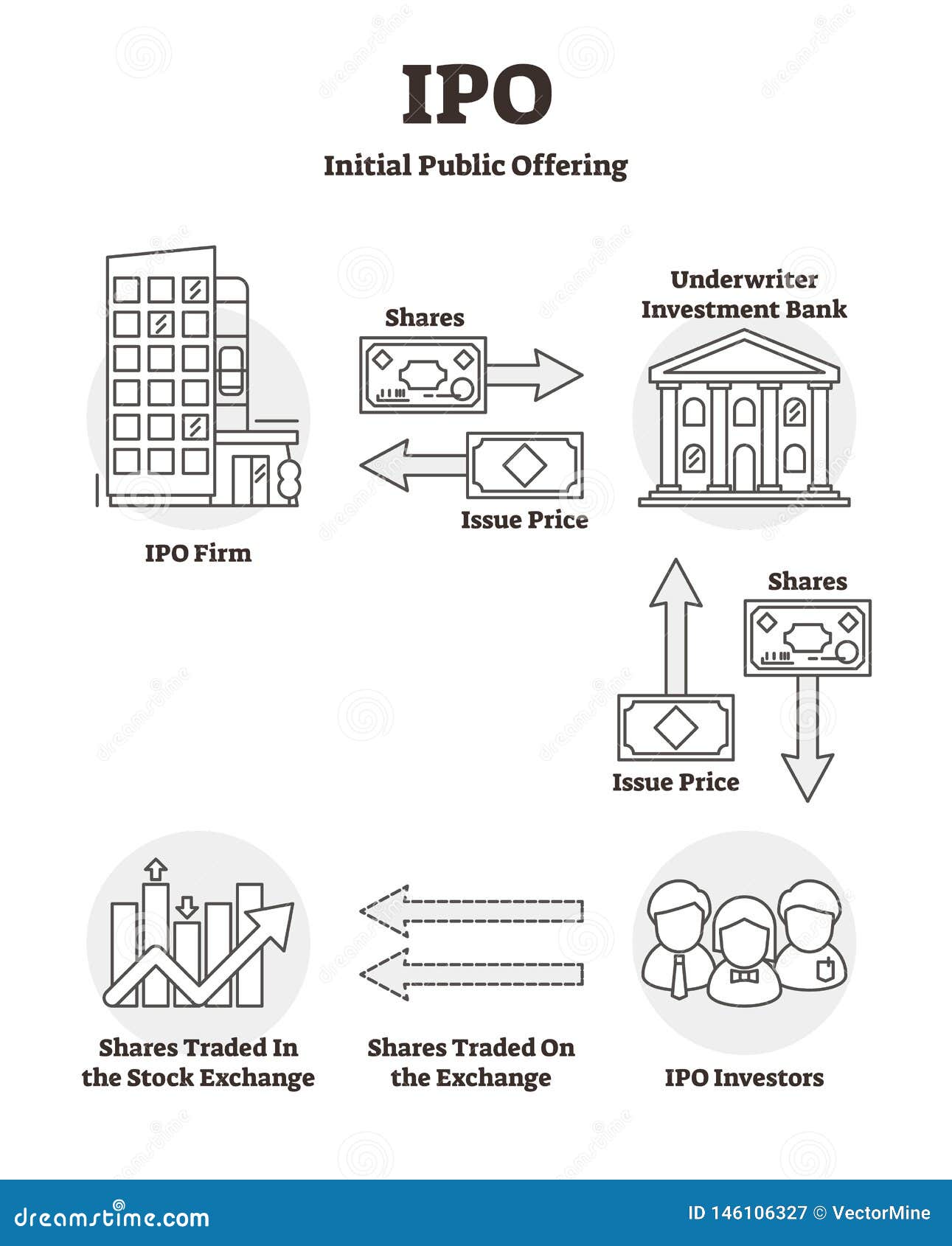
Apple Inc. went public on December 12, 1980, offering 4.6 million shares at a price of $22.00 per share. Trading under the symbol AAPL on the NASDAQ, the offering raised over $100 million and instantly created roughly 300 millionaires, marking the largest tech IPO of its era.
The transition from a garage-based startup to a publicly traded powerhouse is a cornerstone of Silicon Valley history. To understand Apple’s initial public offering (IPO), one must look beyond the stock price and examine the regulatory environment, the skepticism of the financial establishment, and the strategic decisions that allowed a five-year-old computer company to capture the world's attention. As we stand in 2026, the legacy of that December morning remains the foundation of Apple’s multi-trillion-dollar valuation.
The Road to December 12, 1980
By late 1980, Apple was no longer just a hobbyist project. The Apple II had become a massive success, bringing computing to schools and small businesses. However, scaling a hardware company required immense capital—more than venture capitalists alone could provide at the time. Steve Jobs, Steve Wozniak, and Mike Markkula recognized that a public offering was the only way to fund the ambitious development of the Macintosh and the Lisa.
The preparation for the IPO involved navigating a financial landscape that was far different from the high-speed, digital markets of 2026. In 1980, Apple had to convince traditional Wall Street firms that the "personal computer" was not a passing fad. The company’s revenue had grown from $774,000 in 1977 to over $117 million by 1980, a trajectory that made it impossible for institutional investors to ignore.
The Underwriting Syndicate: Morgan Stanley and Hambrecht & Quist
Apple’s choice of underwriters was a strategic masterstroke. They chose Morgan Stanley, a "bulge bracket" firm that provided established credibility, and Hambrecht & Quist, a boutique firm that specialized in high-tech startups.
This combination signaled to the market that Apple was both a serious financial entity and a cutting-edge innovator. The underwriters faced the daunting task of pricing the shares. While the initial filing suggested a price between $14 and $17, overwhelming demand pushed the final offering price to $22.00. This enthusiasm was a precursor to the "tech mania" that would characterize markets in the decades to follow.
The Massachusetts Ban: A Historical Footnote
A fascinating, often overlooked aspect of the Apple IPO was the resistance from certain state regulators. In 1980, the Massachusetts Securities Division actually banned the sale of Apple stock to individual investors within the state.
Regulators argued that the offering was "too risky" because the price-to-earnings (P/E) ratio was too high and the company lacked a long-term track record. Specifically, the state’s "merit regulation" rules deemed the stock too speculative for the average citizen. Residents of Massachusetts could only buy the stock if they were considered "sophisticated investors." This irony is palpable today, as early investors in Apple saw returns that are virtually unmatched in the history of the S&P 500.
Immediate Impact and the Creation of Wealth
When the opening bell rang on December 12, 1980, Apple’s shares sold out within minutes. By the end of the first day of trading, the stock had risen to $29.00, giving the company a market capitalization of approximately $1.77 billion.
The IPO was most notable for the internal wealth it generated. Because Apple had distributed stock options broadly among its staff—a practice that was not yet standard in the industry—roughly 300 employees became millionaires overnight. Steve Jobs, who held 7.5 million shares, saw his net worth soar to over $200 million at the age of 25.
Understanding the Split-Adjusted Price
To compare the 1980 IPO price to current 2026 valuations, one must account for the five stock splits that have occurred since the offering. Without adjusting for these splits, a direct price comparison is impossible.
| Date of Event | Split Ratio | Impact on Share Count |
|---|---|---|
| December 12, 1980 | IPO (Initial) | 1 Share at $22.00 |
| June 16, 1987 | 2-for-1 | 2 Shares |
| June 21, 2000 | 2-for-1 | 4 Shares |
| February 28, 2005 | 2-for-1 | 8 Shares |
| June 9, 2014 | 7-for-1 | 56 Shares |
| August 31, 2020 | 4-for-1 | 224 Shares |
By 2026, a single share purchased at the 1980 IPO for $22.00 has become 224 shares. This means the original IPO price, when adjusted for all splits, was approximately $0.098 (roughly 10 cents) per share. This calculation highlights the astronomical growth Apple has achieved over 46 years of public trading.
The Role of Early Venture Capitalists
While Jobs and Wozniak are the faces of Apple, the IPO was made possible by early professional investors. Mike Markkula, a former Intel executive, invested $250,000 in 1977 and provided the adult supervision the young company needed. Arthur Rock, a legendary venture capitalist who had previously backed Intel, also played a crucial role in the offering.
These investors provided more than just capital; they provided the corporate structure required by the SEC. They insisted on a board of directors and a professional CEO (Michael Scott), ensuring that when Apple went public, it looked like a mature corporation rather than a chaotic startup.
Lessons for Modern Investors
Analyzing Apple’s IPO provides several timeless lessons for those navigating the markets in 2026:
- Innovation Over Hype: While many tech IPOs are built on projections, Apple went public with a physical product (the Apple II) that was already generating significant revenue.
- The Risks of Regulation: The Massachusetts ban serves as a reminder that regulatory "protection" can sometimes prevent investors from participating in once-in-a-generation growth opportunities.
- Long-term Holding (HODL): The real wealth from Apple's IPO wasn't made in the first day's 30% jump; it was made by those who held through the volatile periods of the late 1990s.
- The Importance of Underwriters: The credibility of Morgan Stanley in 1980 was essential in bridging the gap between the counter-culture of Silicon Valley and the conservative vaults of Wall Street.
Financial Performance Post-IPO
Following the 1980 debut, Apple’s journey was not a straight line up. The company faced existential threats in the mid-1990s, with its stock price plummeting as it lost market share to Microsoft. During this period, the stock traded at split-adjusted levels that suggested the company might face bankruptcy.
The 1997 return of Steve Jobs and the subsequent launch of the iMac, iPod, iPhone, and iPad transformed Apple from a niche computer maker into a lifestyle and services ecosystem. This pivot is what allowed the IPO-era shares to reach their current status as some of the most valuable assets in financial history.
FAQs About Apple's IPO
How many shares were offered in the Apple IPO?
Apple offered 4.6 million shares to the public on December 12, 1980. This represented only a fraction of the company's total valuation, with the remainder held by employees, founders, and early venture capital investors.
What was Apple’s ticker symbol in 1980?
Apple has always traded under the symbol AAPL. It debuted on the NASDAQ, which at the time was a relatively new electronic exchange favored by emerging technology companies that did not meet the century-old requirements of the New York Stock Exchange (NYSE).
Who was the CEO of Apple when it went public?
In 1980, Michael Scott served as the CEO of Apple. Although Steve Jobs was the visionary force and Mike Markkula was the primary investor, Scott was hired to provide the operational management necessary to lead a company through the rigorous SEC filing process and its first years as a public entity.
How much would $1,000 invested in the Apple IPO be worth today?
Assuming all dividends were reinvested and all stock splits occurred, a $1,000 investment at the $22.00 IPO price would be worth millions in 2026. Specifically, $1,000 would have purchased roughly 45 shares. After the 1:224 split ratio, those 45 shares would have grown to over 10,000 shares. Based on current 2026 market prices, this investment would represent a life-changing sum.
Why did Apple choose the NASDAQ over the NYSE?
In 1980, the NASDAQ was seen as the "home for the future." It was less formal and more technologically integrated than the NYSE. For a company selling computers, the electronic nature of the NASDAQ was a better brand fit than the physical trading floor of the Big Board.
Did Steve Wozniak get rich from the IPO?
Yes. Although Steve Wozniak had famously sold some of his stock to "Wozplan" employees (allowing them to benefit from the IPO), he still held a significant percentage of the company. His net worth immediately following the IPO was estimated at over $100 million, though he eventually transitioned away from active management to pursue other interests.
Practical Next Actions for Investors
For those looking to apply the history of Apple's IPO to their 2026 investment strategy, the primary takeaway is the value of fundamental revenue growth. Apple did not go public on a "promise"; it went public on a proven product.
If you are evaluating modern IPOs:
- Review the S-1 Filing: Look for revenue trends rather than just user growth.
- Analyze the Underwriters: Research the history of the firms bringing the company to market.
- Check the Float: Understand how many shares are being kept by insiders versus sold to the public.
- Monitor Stock Splits: Remember that a high share price is not a barrier to growth, as Apple’s five splits have demonstrated.
Apple's 1980 offering remains the gold standard for how a technology company can transition from private innovation to public dominance. By understanding the mechanics of that day, investors can better identify the "next Apple" in an increasingly complex global market.