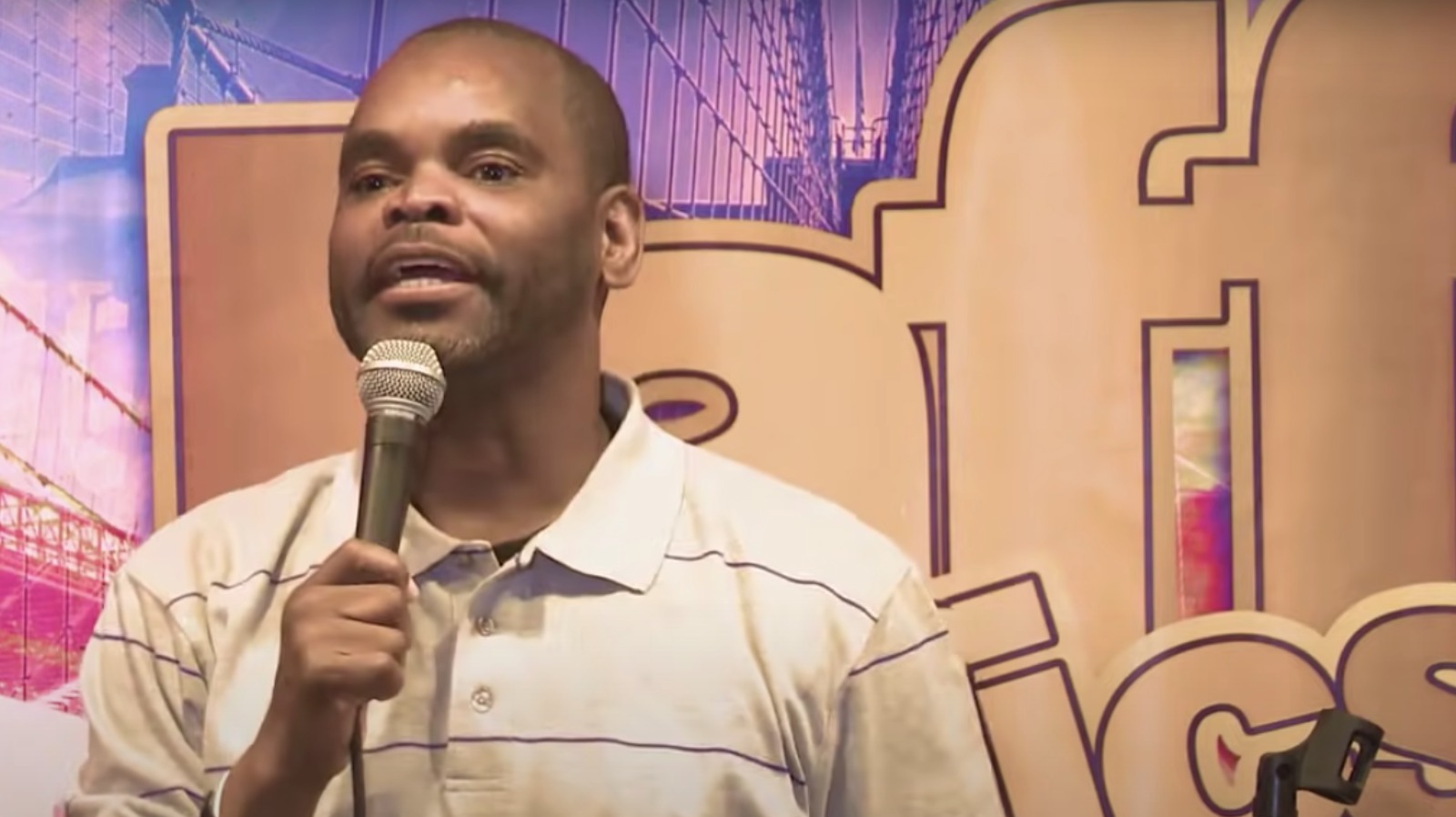
Anthony Johnson—often credited as A.J. Johnson—was an American stand-up comedian and actor whose high-energy physical comedy defined some of the most memorable Black cinema and television moments of the 1990s. Best known for his scene-stealing portrayal of Ezal in the 1995 cult classic film Friday, Johnson built a career rooted in sharp improvisational skills, raw urban observational humor, and iconic music video appearances.
Disambiguating Anthony "A.J." Johnson
Given the prevalence of several public figures sharing similar names, clarifying the identity of Anthony Johnson the comedian is an essential starting point for researchers and comedy enthusiasts:
- Anthony "A.J." Johnson (Comedian/Actor, 1965–2021): The subject of this profile, renowned for his stand-up comedy, his role as Ezal in Friday, E.Z.E. in House Party, Willie the Pimp in The Players Club, and his featured spot as "Sleazy-E" in Dr. Dre’s "Dre Day" music video.
- A.J. Johnson (Actress/Choreographer, born 1963): The prominent American actress who starred as Sharane in House Party (1990) and Juanita in Baby Boy (2001). While both appeared in the original House Party, they are two distinct performers.
- Anthony "Rumble" Johnson (MMA Fighter, 1984–2022): The late mixed martial artist who competed in the Ultimate Fighting Championship (UFC) light heavyweight division.
- Anthony Johnson (NFL Player): Refers to multiple professional American football players across different eras.
This guide focuses exclusively on the late actor and stand-up comedian Anthony "A.J." Johnson.
Early Life and Roots in Los Angeles Comedy
Born on May 5, 1965, in Compton, California, Anthony Johnson grew up surrounded by the entertainment industry, albeit behind the scenes. His father, Eddie "Stoney" Johnson, was a pioneer in Hollywood stunt work and an early member of the Black Stuntmen's Association—an organization formed in the late 1960s to break color barriers for minority stunt performers in major film and television productions.
Inspiration from his father’s work on movie sets gave young Anthony an early appreciation for timing, physical movement, and set presence. Growing up in Compton during a transformative era for West Coast culture, Johnson developed a quick-witted, loud, and expressive personality that naturally drew him to live performing.
- Compton Roots & Family Influence
- Stand-Up Debut in 1980s LA Clubs
- Russell Simmons' Def Comedy Jam Breakthrough
- Breakout Film Roles: House Party & Friday
By the mid-1980s, Johnson began performing stand-up comedy at local Los Angeles comedy venues, including The Comedy Store and the Laugh Factory. His comedy style was heavily influenced by the raw, energetic street humor popularized by legendary West Coast performers like Robin Harris. Johnson possessed an unusual gift for physical slapstick; he could contort his body, alter his voice instantly, and turn minor observational anecdotes into theatrical, full-body routines.
His stand-up break came when he joined the tour circuit of Def Comedy Jam, the HBO series produced by Russell Simmons that launched dozens of prominent African American comedians during the early 1990s. Johnson's fast-paced, unapologetic sets earned him national exposure and caught the attention of casting directors seeking authentic urban comedy talent.
Breakout Film Roles and Iconic Characters
Anthony Johnson's crossover from live stand-up to feature films coincided with the explosion of 1990s West Coast Hip-Hop culture and Black cinema. Directors valued his ability to take small, supporting characters and elevate them into fan favorites through unscripted dialogue and dynamic physical choices.
| Film Title | Release Year | Character Name | Key Cultural Impact |
|---|---|---|---|
| House Party | 1990 | E.Z.E. | Early comedic role alongside Kid 'n Play |
| Lethal Weapon 3 | 1992 | Ricky | High-profile action blockbuster appearance |
| Menace II Society | 1993 | Tony | Supporting dramatic/comedic presence |
| Friday | 1995 | Ezal | Career-defining character; famous catchphrase |
| Panther | 1995 | Grandmaster | Historic drama film contribution |
| The Players Club | 1998 | Willie the Pimp | Directed by Ice Cube; memorable comedy bit |
| I Got the Hook Up | 1998 | Little T. | Master P production spotlighting Southern rap |
House Party (1990)
Johnson made his major feature film debut in Reginald Hudlin's teen comedy House Party, playing the character E.Z.E. The film was a critical and commercial success, celebrated for its music, fashion, and vibrant portrayal of Black youth culture. Johnson's background in physical comedy allowed him to shine in group ensemble scenes, laying the groundwork for subsequent roles in Hollywood.
Friday (1995) and "Ezal"
In 1995, Johnson delivered what would become his signature lifetime role: Ezal, the neighborhood scam artist in Ice Cube and DJ Pooh's comedy classic Friday. Ezal was a petty thief who spent his days faking personal injury slip-and-fall accidents to claim cash settlements from local store owners.
Johnson's performance was largely driven by frantic kinetic energy and sharp comedic timing. Lines like "My hip! My back! My hip and my back!" became permanent fixtures in American pop culture, frequently quoted across social media, music, and television decades after the film's release. Despite limited screen time compared to lead actors Ice Cube and Chris Tucker, Johnson's performance in Friday remains one of the most recognized supporting comedic roles in modern film history.
The Players Club (1998)
In 1998, Johnson re-teamed with Ice Cube—who wrote and directed the film—for The Players Club. Playing Willie, a fast-talking, flashy figure trying to navigate the night club underworld, Johnson once again showcased his ability to deliver rapid-fire dialogue while bringing absurd humor to tense narrative moments.
Contributions to Hip-Hop Pop Culture
Beyond feature films and stand-up stages, Anthony Johnson played a distinct role in 1990s West Coast hip-hop music videos during the height of Death Row Records' dominance.
In 1992, Dr. Dre released the music video for "Dre Day" (featuring Snoop Dogg), a record targeting rapper Eazy-E following the bitter breakup of N.W.A. In the video, Johnson was cast to play "Sleazy-E," a parody caricature of Eazy-E who carried around a cardboard sign seeking money. Johnson's exaggerated facial expressions and physical satire gave the video high visual appeal, making it an iconic artifact of 1990s rap history.
Johnson also appeared in music videos for other major artists of the era, including Ice Cube, Eazy-E, and Master P, effectively bridging the gap between Hollywood comedy and mainstream rap culture.
Television Appearances and Guest Roles
Throughout the 1990s and early 2000s, Johnson was a frequent guest star on major television sitcoms targeting urban audiences. His TV roles allowed him to bring his energetic comedy style to broadcast networks:
- Martin (Fox): Johnson appeared as guest characters alongside Martin Lawrence, contributing to the show's physical comedy atmosphere.
- Moesha (UPN): Appearing alongside Brandy Norwood, Johnson played recurring neighborhood characters across several episodes.
- The Jamie Foxx Show (The WB): Johnson made memorable guest appearances, performing alongside Jamie Foxx in improvisational hotel sequences.
- South Central and Malcolm & Eddie: Guest roles that established Johnson as a recognizable television face across multiple network lineups.
Comedic Style and Technical Characteristics
Comedic performers and critics often analyze Johnson's work through several technical strengths that set him apart on stage and screen:
- Uninhibited Physical Comedy: Johnson utilized his entire body during performances. Whether executing a fake fall on asphalt or jumping wildly to emphasize a punchline, his commitment to physical slapstick was total.
- Vocal Modulation and Pitch Shift: A hallmark of Johnson's stand-up was shifting from a high-pitched, excited squeak to a gravelly tone within a single sentence to emphasize panic, deceit, or shock in his characters.
- Street-Level Observation: His humor drew directly from working-class urban experiences, neighborhood archetypes, hustlers, and family dynamics, making his material immediately relatable to his audience.
- Improvisational Spontaneity: Directors frequently allowed Johnson to deviate from written scripts, knowing his off-the-cuff ad-libs often yielded funnier results than the original text.
Personal Life, Passing, and Tributes
Anthony Johnson passed away on September 6, 2021, at the age of 56. He was found unresponsive in a store in Los Angeles, California, and was subsequently pronounced dead at a local hospital. The Los Angeles County Medical Examiner-Coroner later reported that his passing was due to natural causes stemming from chronic ethanol abuse.
His death brought an outpouring of tributes from the entertainment industry, hip-hop community, and fans nationwide:
- Ice Cube publicly praised Johnson as a "naturally funny dude who was straight out of Compton," acknowledging his contribution to the success of Friday and West Coast culture.
- Cedric the Entertainer, Michael Blackson, and Marlon Wayans paid homage to Johnson's foundational work on the 1990s stand-up circuit and his generosity toward fellow comedians.
- Fans and fellow artists initiated grassroots efforts to assist his family with memorial expenses, leading to prominent figures like Offset (from Migos) contributing significantly to ensure he received a proper tribute.
Frequently Asked Questions
Did Anthony Johnson return for the Friday sequels?
No, Anthony Johnson did not reprise his role as Ezal in Next Friday (2000) or Friday After Next (2002). While fans frequently requested Ezal's return, character lineup shifts and story focus changes resulted in his character being absent from subsequent installments.
Was Anthony Johnson related to actress A.J. Johnson?
No. Anthony "A.J." Johnson and actress A.J. Johnson (Adrienne-Joi Johnson) were not related, despite sharing similar artistic names and both appearing in the 1990 movie House Party.
What was Anthony Johnson's most famous movie scene?
His most famous scene occurred in the 1995 film Friday, where his character Ezal pretended to slip on a wet floor inside a convenience store, dramatically screaming "My hip! My back!" in an attempt to collect an insurance payout.
Where did Anthony Johnson start his stand-up comedy career?
Johnson began performing stand-up comedy in the mid-1980s in Los Angeles, California, performing at historic comedy venues like The Comedy Store and later reaching national prominence on HBO's Def Comedy Jam.
Who was Anthony Johnson's father?
His father was Eddie "Stoney" Johnson, a pioneering Hollywood stuntman who helped form the Black Stuntmen's Association in the late 1960s to advocate for equal opportunities for Black stunt performers in the film industry.
Preserving the Legacy of A.J. Johnson
Anthony "A.J." Johnson remains an important figure in the landscape of 1990s American comedy. His ability to capture the energy of West Coast street culture and transform everyday urban experiences into memorable, universally recognized comedic art left an enduring imprint on Black cinema and stand-up history. Film historical retrospectives, comedy tours, and pop-culture documentaries continue to celebrate his contributions as a quintessential comedy talent of his generation.