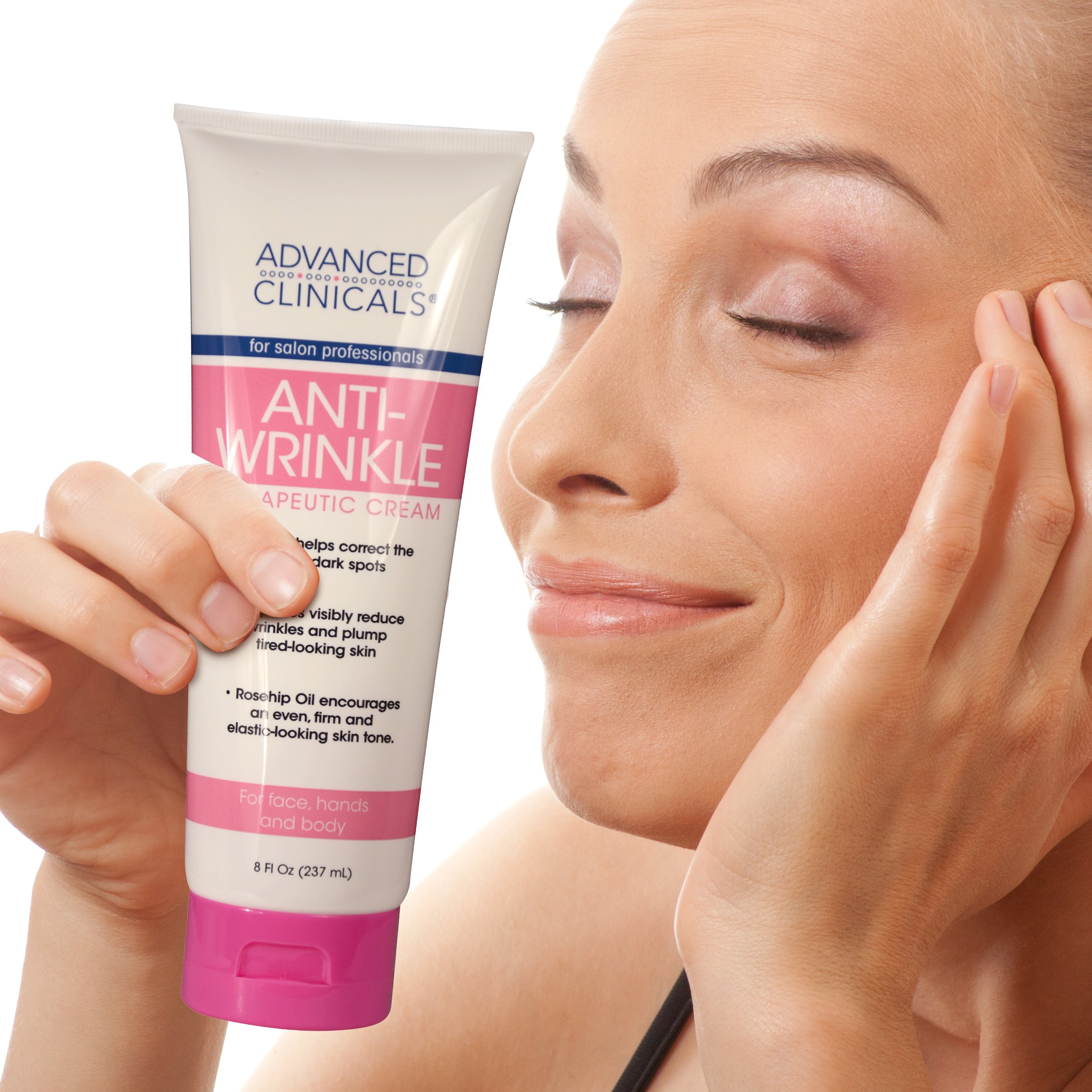
In 2026, the price of anti-wrinkle serums on Amazon typically ranges from $12 to $185, depending on ingredient concentration, stabilization technology, and brand prestige. Budget-friendly options usually focus on single-active formulas, while premium serums incorporate complex peptide chains and advanced delivery systems to enhance skin penetration and visible results.
As we navigate the skincare landscape in 2026, Amazon remains the primary marketplace for both mass-market and clinical-grade anti-aging solutions. The "anti-wrinkle serum" category has seen significant shifts due to advancements in biotechnology and a more discerning consumer base that prioritizes ingredient transparency over flashy marketing. Understanding the pricing tiers is essential for selecting a product that balances efficacy with a sustainable skincare budget.
Understanding the 2026 Pricing Tiers on Amazon
The anti-wrinkle serum market on Amazon is segmented into three distinct price brackets. Each tier represents a specific approach to formulation, clinical testing, and ingredient sourcing.
The Budget Tier ($12 – $25): Accessible Staples
The budget segment is dominated by brands that utilize high-volume production and simplified formulations. These serums generally feature a single "hero" ingredient, such as a 0.5% retinol or a basic hyaluronic acid complex. In 2026, the cost of raw materials for standard retinoids has stabilized, allowing brands like CeraVe, The Ordinary, and Amazon’s private-label brands to offer reliable, though less complex, options.
Consumers in this tier are paying for the core active ingredient. However, these products often lack the sophisticated stabilizers or "boosters" found in higher-priced serums. For example, a $15 retinol serum might be effective but could cause more irritation due to a lack of time-release encapsulation technology.
The Mid-Range Tier ($25 – $65): Clinical Formulations
This is the most competitive segment on Amazon. Brands such as La Roche-Posay, Paula’s Choice, and Vichy reside here. Serums in this price range often feature multi-active formulas—combining retinoids with niacinamide or peptides—to target multiple signs of aging simultaneously.
The price increase in this category reflects higher R&D costs and more rigorous third-party clinical testing. In 2026, many mid-range serums incorporate "clean clinical" standards, removing fragrance and essential oils that can irritate sensitive skin. You are paying for a balanced formula that maximizes the efficacy of the actives while minimizing the risk of side effects.
The Premium and Prestige Tier ($65 – $185+): Bio-Technology and Growth Factors
The premium tier features medical-grade brands like SkinCeuticals, Murad, and emerging biotech-focused startups. These serums are priced significantly higher because they often utilize proprietary ingredients, such as patented peptide sequences or bio-identical growth factors (EGF).
In 2026, "intelligent delivery systems"—which use lipid-based nanoparticles to carry ingredients deep into the dermis—are standard in this tier. The cost reflects the expensive extraction processes and the higher concentration of stabilized Vitamin C (THD Ascorbate) or Hydroxypinacolone Retinoate (HPR), which provides the benefits of Vitamin A without the traditional "purging" period.
Comparison of Serum Ingredients and Estimated Pricing (2026)
The following table outlines the expected price points for different types of anti-wrinkle serums based on their primary active ingredients and formulation complexity.
| Serum Category | Primary Active Ingredient | Average Price (Amazon 2026) | Target Concern | Best For |
|---|---|---|---|---|
| Entry-Level Retinoid | Retinol (0.2% - 1%) | $14 - $22 | Fine lines & texture | Beginners |
| Advanced Retinoid | Encapsulated Retinol / HPR | $45 - $85 | Deep wrinkles | Mature skin |
| Peptide Complex | Matrixyl 3000 / Argireline | $25 - $55 | Expression lines | Daily preventative |
| Vitamin C (L-Ascorbic) | 10% - 15% Pure Vit C | $30 - $160 | Brightening & UV damage | Daytime protection |
| Growth Factor (EGF) | Bio-engineered EGF | $90 - $185 | Skin density & repair | Significant aging |
| Bakuchiol | 1% - 2% Plant-based | $18 - $40 | Gentle resurfacing | Sensitive skin |
Factors That Drive the Cost of Anti-Wrinkle Serums
When browsing Amazon, it can be frustrating to see two serums with "Retinol" on the label priced $50 apart. Several technical factors explain this price disparity.
1. Ingredient Stability and Oxidation
Anti-aging ingredients are notoriously unstable. Vitamin C (L-Ascorbic Acid) oxidizes when exposed to air and light, rendering it useless. Higher-priced serums invest in airless pump packaging and specialized stabilizing agents (like Ferulic Acid and Vitamin E) to ensure the serum remains potent until the very last drop. Budget serums may use cheaper glass droppers that expose the formula to oxygen every time they are opened.
2. Concentration vs. Efficacy
While a brand may claim to have "Peptides" or "Hyaluronic Acid," the concentration matters. Some budget brands engage in "fairy dusting"—adding a fraction of a percent of an ingredient just to list it on the label. Premium serums are generally formulated with concentrations that match those used in successful clinical trials, which is inherently more expensive.
3. Molecular Weight and Delivery
Hyaluronic acid is a prime example. Cheap serums use high-molecular-weight HA, which sits on top of the skin and provides temporary hydration. More expensive serums use "multi-molecular weight" HA or "cross-linked" HA that can actually penetrate deeper into the skin layers to provide a plumping effect from within. According to research published by the Journal of Clinical and Aesthetic Dermatology, delivery systems like liposomal encapsulation significantly increase the biological activity of topical ingredients.
How to Maximize Value When Shopping on Amazon
Amazon offers several tools that can help consumers manage the cost of high-quality anti-wrinkle serums without sacrificing results.
- Subscribe & Save: Most reputable skincare brands participate in this program, offering a 5% to 15% discount for recurring deliveries. This is particularly useful for serums, which typically require 8-12 weeks of consistent use to show visible results.
- Lightning Deals and Prime Day: In 2026, major sales events remain the best time to purchase premium brands. It is common to see $100 serums discounted by 25-30% during these periods.
- Virtual Consultations: Many brands now integrate AI skin analysis tools directly into their Amazon storefronts. Using these can prevent "blind buying" products that aren't suited to your specific skin type, ultimately saving money on wasted products.
- Bundle and Save: Look for "regimen sets" that include a cleanser, serum, and moisturizer. The per-unit price of the serum is often much lower when purchased as part of a system.
Common Pricing Traps to Avoid
Not all high prices are justified. Consumers should be wary of serums that rely heavily on "prestige" branding without providing data.
- Overpriced Hyaluronic Acid: HA is a relatively inexpensive ingredient to produce. Unless a serum combines HA with expensive peptides or antioxidants, paying more than $30 for a pure HA serum is rarely necessary.
- Generic Private Labels: Be cautious of brands that appear suddenly with generic packaging and thousands of five-star reviews within a week. These are often "white-labeled" products with minimal active ingredients.
- Fragrance as a Filler: If "Fragrance" or "Parfum" appears high on the ingredient list, you are paying for scent rather than skin health. Fragrance can also increase the risk of contact dermatitis, as noted by the American Academy of Dermatology (AAD).
FAQ
Why are some retinol serums on Amazon $15 and others $90?
The price difference usually stems from the type of Vitamin A used and the stabilization technology. The $15 serum likely uses standard Retinol, which can be unstable and irritating. The $90 serum likely uses Hydroxypinacolone Retinoate (HPR) or encapsulated retinol, which is more expensive to formulate but delivers better results with significantly less irritation and a longer shelf life.
How long does a standard 1oz anti-wrinkle serum last?
If used once daily as directed (typically 3-5 drops), a standard 1oz (30ml) bottle of serum should last approximately 60 to 90 days. When calculating the "price per day," a $60 serum usually costs about $0.66 to $1.00 per day, making it a manageable investment for many users.
Does the FDA regulate the pricing or claims of anti-wrinkle serums?
The U.S. Food and Drug Administration (FDA) regulates serums as cosmetics unless they make drug-like claims (e.g., "cures acne" or "permanently removes wrinkles"). While the FDA monitors safety and labeling, it does not regulate pricing. Consumers should rely on clinical studies and ingredient transparency to verify the value of a high-priced product.
Are Amazon Basics or "Belei" serums as good as name brands?
For basic hydration or mild antioxidant protection, Amazon’s private labels offer excellent value. However, for "transformative" concerns like deep-set wrinkles or loss of elasticity, name brands often have superior access to patented ingredients and specialized formulation chemists that generic brands do not utilize.
Should I buy anti-wrinkle serums from third-party sellers on Amazon?
It is highly recommended to buy only from the brand's Official Storefront or products "Shipped and Sold by Amazon.com." Third-party sellers may offer lower prices, but there is a risk of receiving counterfeit products or expired stock, which can be dangerous or ineffective.
Final Recommendation
When analyzing the price of an anti-wrinkle serum on Amazon in 2026, the "sweet spot" for most consumers is the $35 to $60 range. Products in this bracket typically offer stabilized, clinically proven ingredients without the high markup of luxury branding. If you are a beginner, start with a budget-friendly, well-reviewed retinol from a reputable pharmacy brand to test your skin's tolerance. For those with specific, mature skin concerns, investing in a premium serum with growth factors or advanced peptides may provide the necessary biological stimulus that cheaper alternatives lack. Always verify the seller to ensure product authenticity and potency.