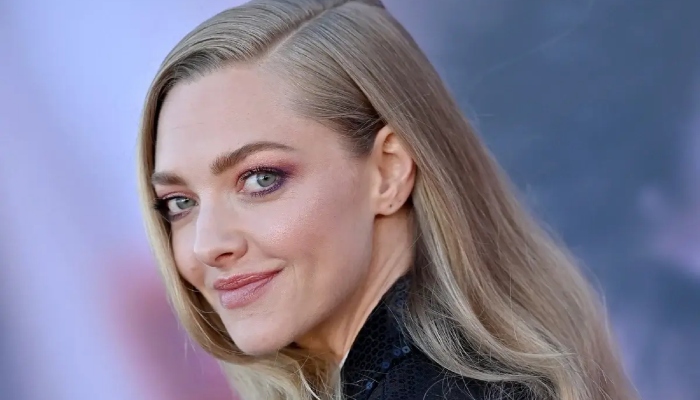
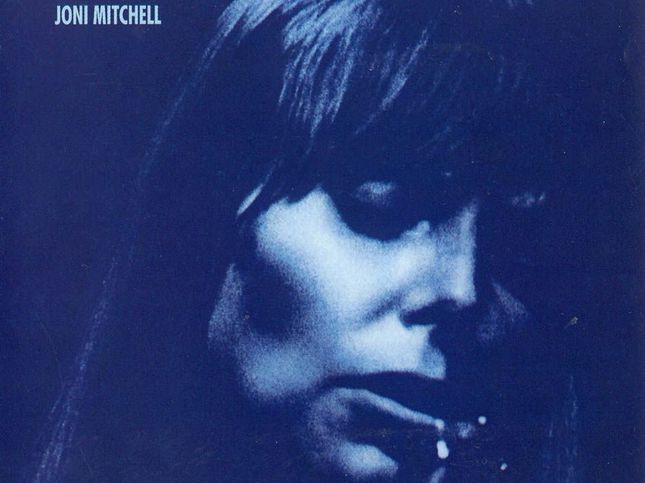
Amanda Seyfried’s performance of Joni Mitchell’s music, most notably her rendition of "Little Green," represents a unique intersection of modern cinematic acting and the timeless legacy of folk songwriting. While Seyfried is primarily recognized for her expansive filmography, her vocal capabilities have become an increasingly prominent aspect of her public identity, fueled by both professional musical roles and personal demonstrations of her artistic range. This article examines the intersection of Seyfried’s vocal performances and the influence of Mitchell’s catalog, providing insight into the technical aspects of these interpretations and the broader implications for the contemporary musical landscape.
The Intersection of Cinema and Song: Amanda Seyfried’s Vocal Trajectory
To understand why fans and critics alike frequently search for Amanda Seyfried’s interpretations of Joni Mitchell, one must first look at the trajectory of Seyfried’s career. Unlike many actors who transition into music as a secondary vanity project, Seyfried’s vocal work is deeply rooted in her preparation for roles that require significant musicality.
Her performance in the 2012 adaptation of Les Misérables served as a critical inflection point, demonstrating a mastery of operatic and musical theater techniques. This foundational work allowed her to approach the challenging compositions of artists like Joni Mitchell with a level of vocal control and emotional nuance that many pop vocalists lack. When an actor known for internalizing complex characters approaches a songwriter as introspective as Mitchell, the result is often a performance that prioritizes narrative delivery over virtuosic spectacle. This approach is precisely what makes her occasional covers of Joni Mitchell’s work resonate with a specific subset of the audience—those who value the storytelling inherent in folk music.
Understanding the Joni Mitchell Repertoire
Joni Mitchell is widely considered one of the most significant songwriters of the 20th century. Her work is characterized by non-traditional guitar tunings, complex jazz-inflected melodies, and deeply personal, often poetic, lyrical structures. For any performer, covering a Mitchell track is a formidable challenge.
"Little Green," a song reflecting on Mitchell’s decision to give her daughter up for adoption, requires a delicate balance of vulnerability and restraint. The song is not merely a melody; it is a confession. When Seyfried tackles this specific track, she engages with the listener on a level that requires psychological transparency. The technical difficulty lies in the phrasing—Mitchell’s rhythmic elasticity can be difficult for performers accustomed to the rigid structure of pop or musical theater standards. Seyfried’s success in these performances often stems from her ability to "act" through the song, treating the lyrics as lines of a monologue delivered through music.
Comparative Analysis: Stylistic Choices in Covers
When evaluating how Seyfried handles these compositions compared to other artists, it is useful to look at the differences in vocal philosophy. Most professional singers tend to focus on the technical brilliance of Mitchell’s high register or the technical complexity of her guitar work. Seyfried, conversely, leans into the cinematic quality of the songs.
| Performer Type | Primary Focus | Interpretation Style |
|---|---|---|
| Recording Artist | Vocal range and technical fidelity | Often aims for studio perfection |
| Tribute Artist | Mimicry of Mitchell’s specific timbre | Faithful recreation of original sounds |
| Actor/Performer | Narrative intent and emotional delivery | Prioritizes character and mood |
This table illustrates why Seyfried’s covers often feel "fresh" or "unproduced." As an actor, she does not feel the same burden to replicate the iconic recordings of the 1970s; instead, she treats the song as a performance piece. For viewers and listeners, this creates an intimate atmosphere that mimics a living room performance rather than a radio edit.
The Role of Social Media and Viral Discovery
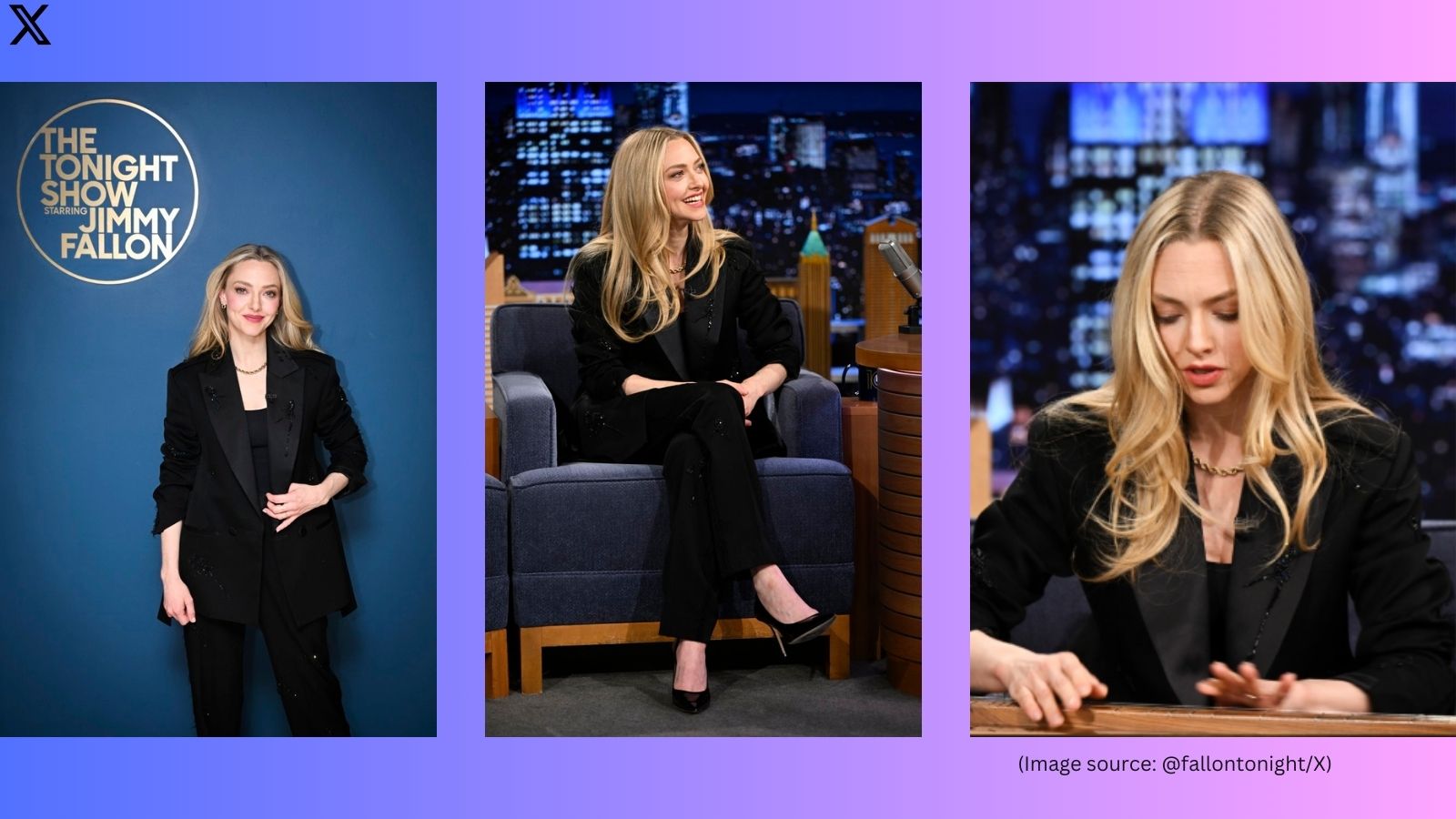
The prevalence of search queries regarding Seyfried’s covers is largely driven by her social media presence. In an era where digital platforms serve as the primary stage for unvarnished, behind-the-scenes performances, Seyfried has occasionally shared clips of herself playing piano or singing acoustic tracks. These moments allow fans to bypass the heavily produced layers of studio work, connecting with the raw essence of her voice.
This has created a "discovery loop." A user might search for a cover because they saw a brief snippet on a platform like Instagram or TikTok. Once they find the full context of the performance—or discover that the artist behind the clip is also a celebrated film star—it reinforces their interest in her broader musical identity. This trend underscores a shift in how we consume music: the "authenticity" of the video (often filmed in home settings) holds more value than the polish of a professional concert film.
Technical Considerations for Vocal Interpretation
For those interested in the technical aspects of how Seyfried navigates these songs, it is worth noting the requirements for singing Joni Mitchell. Her songs are frequently written for an alto-to-soprano range with significant use of falsetto. Seyfried’s natural vocal range is well-suited for this, but the primary challenge remains the "breath support" required for the long, wandering lines typical of Mitchell’s folk period.
- Phrasing: Mitchell often shifts the stress on syllables. A successful cover requires the singer to resist the urge to place the accent on the downbeat.
- Dynamic Range: The songs start softly and build in emotional, if not always sonic, intensity. Seyfried utilizes a "breathy" tone that highlights the intimacy of the lyrics.
- Articulation: Because Mitchell’s lyrics are dense with imagery, clear enunciation is vital to prevent the story from becoming obscured.
Seyfried’s training as an actress serves her well here, as she treats these songs as a masterclass in breath control and vowel shaping, ensuring that the listener understands the narrative arc from start to finish.
Audience Reception and Expectations
The audience for these covers is largely composed of two groups: fans of Amanda Seyfried’s cinematic career and followers of the folk-singer-songwriter tradition who are interested in seeing how contemporary performers treat classic material.
There is an inherent expectation management involved in these performances. Mitchell’s fanbase is famously protective of the source material. By approaching the music with reverence and focusing on the storytelling aspect, Seyfried successfully bridges the gap between her mainstream celebrity and the niche, intellectual appeal of folk music. The positive reception is generally attributed to the fact that she does not attempt to "out-sing" the original recordings. Instead, she offers a personalized interpretation that acknowledges the weight of the song while presenting her own artistic fingerprint.
Potential for Future Musical Projects
Given the interest in her musical abilities, it is logical to ask whether Seyfried might pivot further into music. While her career remains firmly rooted in film and television, the demand for her to record studio-quality covers or participate in curated tribute albums remains high.
If she were to undertake a full-length tribute project, the following elements would be essential for success:
- Authentic Production: Avoiding heavy synthesizers or over-processing that would clash with the organic nature of folk songwriting.
- Song Selection: Focusing on the deeper cuts rather than just the radio hits, which would align with her established preference for complex, narrative-driven work.
- Collaboration: Partnering with arrangers who specialize in the folk-jazz fusion that defined Mitchell’s most influential era.
Practical Guidance for Aspiring Vocalists
If you are a performer inspired by how Seyfried approaches these covers, the best path forward is to focus on the "story first" methodology. Do not look for a backing track or a karaoke version; instead, strip the song down to its most basic elements.
- Start with the Lyrics: Read the lyrics aloud as poetry. Understand the emotion the writer intended to convey.
- Simplify the Accompaniment: Use a single instrument to avoid being "led" by a complex production.
- Focus on Tone over Power: Joni Mitchell’s work is not about how loud you can sing; it is about how much color you can put into a whisper.
- Record and Review: Listen back to your performance, specifically checking if your phrasing captures the emotion you felt during the reading.
Common Misconceptions About Celebrity Covers
A recurring issue in public discourse is the idea that professional actors "dabble" in music. This ignores the years of vocal coaching and stage performance required for professional acting roles in film and theater. When discussing Amanda Seyfried, it is accurate to categorize her musical performances as an extension of her professional craft, not a hobby. Recognizing this distinction helps frame the conversation around technical skill rather than the celebrity status of the performer.
Frequently Asked Questions
1. Does Amanda Seyfried have an official studio album of Joni Mitchell covers? No, Amanda Seyfried has not released a studio album dedicated to Joni Mitchell. Her performances of Mitchell’s music, such as "Little Green," have primarily appeared in informal settings, social media clips, or as part of specific projects where she has been asked to perform live.
2. Why do people specifically search for her rendition of "Little Green"? "Little Green" is a deeply personal and emotionally demanding song. Fans are drawn to Seyfried’s performance because it emphasizes the raw, narrative, and melancholic qualities of the song, which aligns with her strengths as a dramatic actress.
3. What is the best way to listen to Amanda Seyfried’s musical performances? The most reliable way to find these performances is through official social media channels, interviews, or documented live performances at events. Because they are often informal, they are not typically found on commercial streaming platforms alongside her soundtrack contributions.
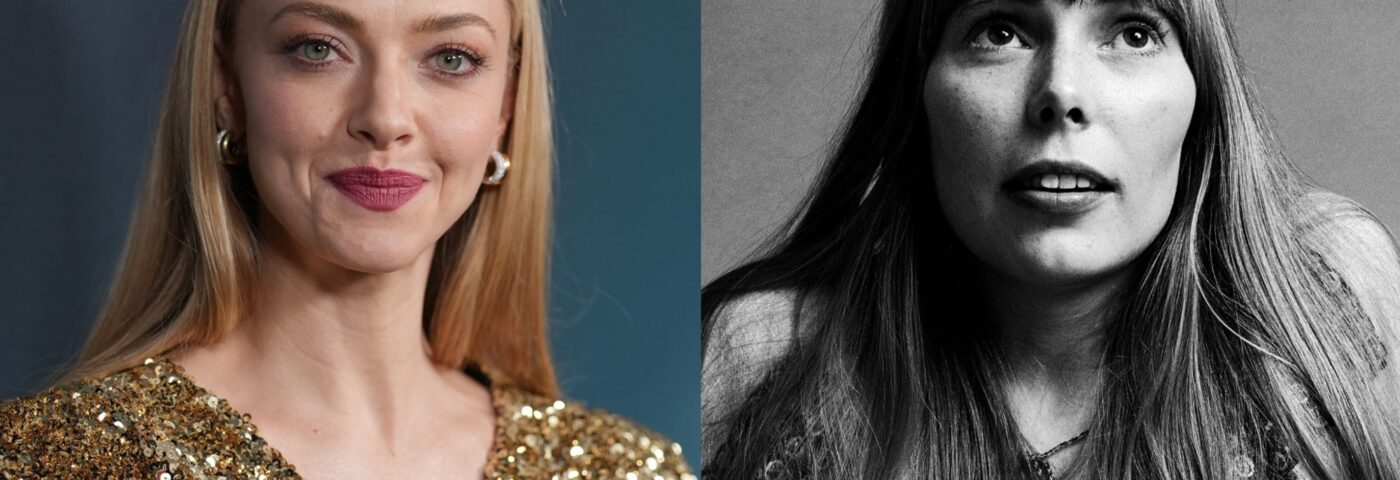
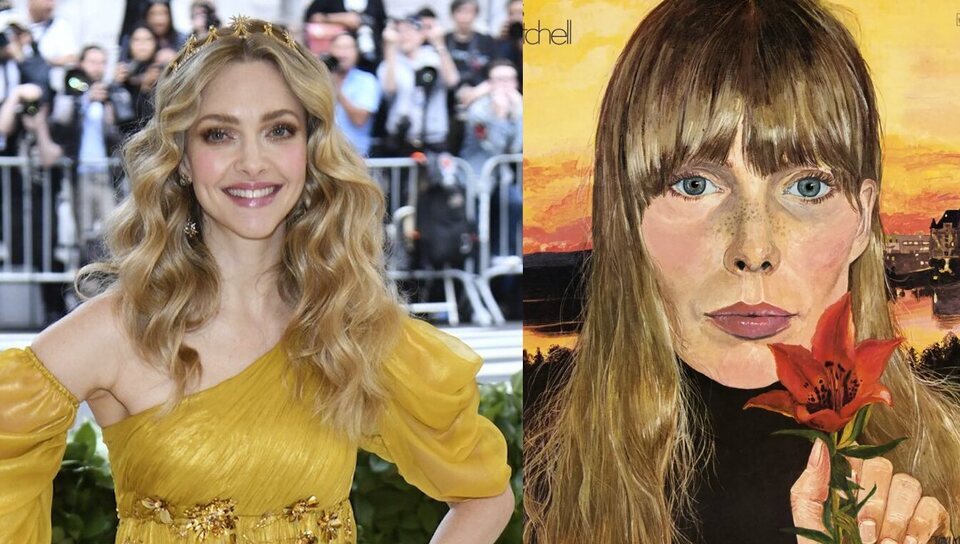
4. How does her vocal style differ from Joni Mitchell’s original? Seyfried’s vocal style is generally more restrained and theatrical. While Mitchell’s original recordings feature a unique, often piercing folk-soprano timbre and complex guitar work, Seyfried emphasizes the spoken-word quality and emotional cadence of the lyrics, bringing a cinematic, character-based approach to the music.
5. Are there other folk artists Amanda Seyfried has covered? Seyfried has demonstrated an interest in various singer-songwriter traditions, often leaning toward material that prioritizes lyricism. While she has touched on various genres throughout her career, her public interest in folk music specifically highlights a preference for the "story-song" structure common in the late 1960s and 1970s.
Final Recommendation
For those captivated by the emotional depth of Amanda Seyfried’s performances, the next step is to explore the source material through the original recordings. Engaging with Joni Mitchell’s discography provides a richer understanding of the technical and emotional framework that makes these songs so enduring. If you are an aspiring musician or a fan of vocal performance, look for live acoustic sessions of these tracks; they offer the most honest glimpse into the artistry required to translate such complex personal histories into song. Focus on the narrative arc of the lyrics, and you will find that the vocal performance follows naturally, just as it does in Seyfried’s approach.